
Training a dog can be a wild ride. For those who want to step up their game, advanced dog training techniques offer a way to really connect with your furry buddy. Whether you’re dealing with a stubborn pooch or just want to teach some cool tricks, there’s always something new to learn. This article dives into some of the more advanced methods that can help you get the most out of your training sessions.
Key Takeaways
- E-collars can be a useful tool if used correctly, helping guide your dog without stress.
- Understanding your dog’s body language is crucial for effective communication.
- Incorporating play into training can make learning fun and engaging for your dog.
- Encouraging your dog to solve problems on their own can boost their confidence.
- Positive reinforcement is key, but timing and consistency are everything.
Harnessing the Power of E-Collar Training
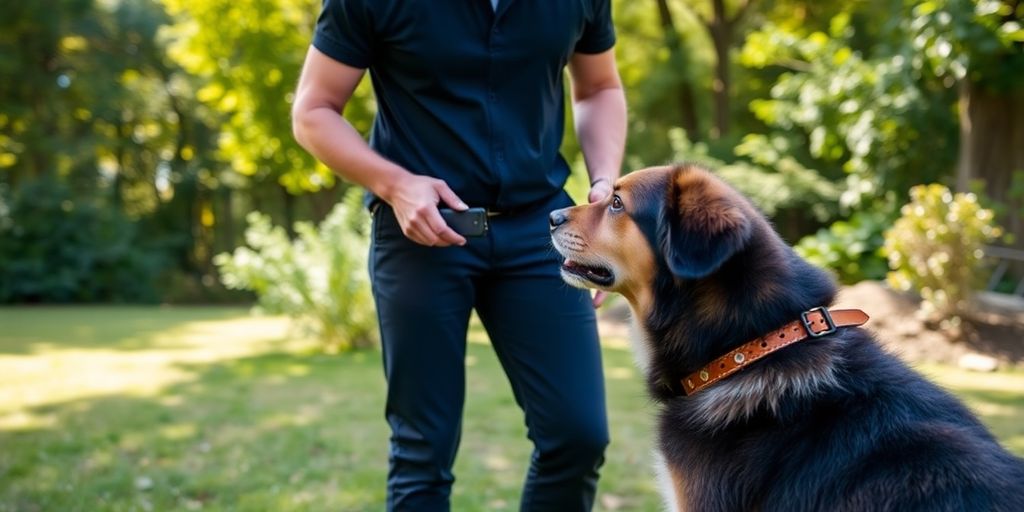
E-collar training is a game-changer for many dog owners, offering a unique blend of control and freedom. Understanding how to effectively use an e-collar can significantly improve your dog’s behavior and your training experience.
Choosing the Right E-Collar for Your Dog
Selecting the right e-collar is crucial. Not all collars are created equal, and choosing one that suits your dog’s size and temperament is important. Here are some points to consider:
- Size and Fit: Ensure the collar is comfortable and fits snugly but not too tight.
- Range and Features: Look for collars with adequate range for your training needs and useful features like adjustable stimulation levels.
- Durability and Battery Life: A reliable collar should withstand daily wear and have a long-lasting battery.
Adjusting E-Collar Settings for Optimal Results
Once you’ve chosen the right collar, getting the settings right is essential. Start with the lowest setting and gradually increase until you notice a response from your dog. Remember, the goal is to get your dog’s attention, not to cause discomfort.
- Begin with Low Stimulation: Always start at the lowest setting and observe your dog’s reaction.
- Find the "Working Level": This is the level where your dog responds without showing signs of distress.
- Consistency is Key: Use the collar consistently to reinforce commands and ensure your dog understands the expectations.
Integrating E-Collar Techniques into Daily Training
Incorporating e-collar training into your daily routine can enhance your dog’s learning. Use it as a tool to reinforce commands your dog already knows.
E-collars, when used correctly, can be a powerful tool in your training arsenal, providing a way to communicate effectively with your dog at a distance.
- Start with Basic Commands: Use the e-collar to reinforce basic commands like "sit," "stay," and "come."
- Gradual Integration: Slowly integrate the collar into more complex training scenarios.
- Combine with Positive Reinforcement: Pair e-collar cues with treats and praise to build a positive association.
For more on foundational training techniques, explore mastering dog obedience training to strengthen your bond and ensure effective communication with your furry friend.
Mastering Canine Communication
Understanding Canine Body Language
Reading your dog’s body language is like learning a new language. Dogs communicate a lot through their body movements and gestures. From wagging tails to raised hackles, each action tells a story. Understanding these signals can help prevent misunderstandings and foster a stronger bond. Here’s a quick rundown:
- Tail Position: A high, wagging tail often means excitement, while a low tail might indicate submission or fear.
- Ears: Forward ears can mean curiosity or attention, while flattened ears might signal anxiety.
- Posture: A relaxed stance is a good sign, but a tense body could mean your dog feels threatened.
Using Verbal Cues Effectively
Verbal cues are essential in training, but they must be clear and consistent. Dogs don’t understand complex sentences, so keeping commands short and distinct is key. Consistency is crucial—for instance, always use "sit" instead of "sit down." Here are some tips:
- Start Simple: Begin with basic commands like "sit," "stay," or "come."
- Be Consistent: Use the same word and tone for each command.
- Positive Reinforcement: Reward your dog when they respond correctly to encourage learning.
Building Trust Through Consistent Communication
Trust is the foundation of any good relationship, and it’s no different with dogs. Consistent communication helps build this trust. When your dog knows what to expect from you, it reduces anxiety and fosters a sense of security.
Building a trusting relationship with your dog is like constructing a bridge. It takes time, patience, and consistent effort, but the result is a strong, unbreakable connection.
By understanding body language, using clear verbal cues, and building trust, you can master the art of canine communication. This not only improves training outcomes but also strengthens the bond between you and your dog. For more comprehensive guidance on dog training, check out this resource which covers essential topics and emphasizes the importance of consistency and patience.
Advanced Play Techniques for Training
Incorporating Play into Training Sessions
Play isn’t just about fun—it’s a powerful training tool. When you incorporate play into training, it keeps your dog engaged and eager to learn. Playful interactions can transform a mundane session into an exciting adventure. Start by identifying games your dog loves, such as tug-of-war or fetch, and use them as rewards for good behavior. This not only reinforces learning but also strengthens the bond you share.
Benefits of Play-Based Learning
Play-based learning offers numerous benefits. It’s not just about burning energy; it enhances your dog’s cognitive skills and problem-solving abilities. Dogs learn best when they’re relaxed and having fun, making play an ideal teaching method. Plus, it encourages creativity and helps dogs adapt to new situations more easily.
- Boosts mental stimulation
- Strengthens the human-canine bond
- Encourages creativity and adaptability
Creating Engaging Play Scenarios
Creating engaging play scenarios requires a bit of creativity. Think of it as setting up a mini obstacle course or treasure hunt. Use household items like boxes, tunnels, and toys to create a fun environment. The key is to make it challenging but achievable, keeping your dog’s interest piqued. This approach not only makes training enjoyable but also builds confidence and focus.
By making training sessions playful and interactive, you’re not just teaching commands—you’re nurturing a lifelong love for learning in your dog.
For more on how to build a strong bond with your dog through training, check out our guide on agility training.
Developing Problem-Solving Skills in Dogs
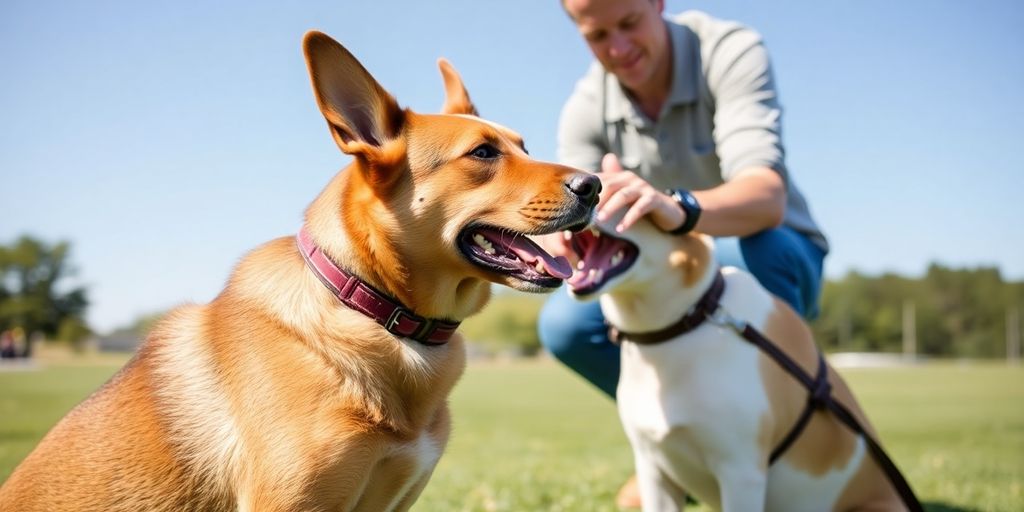
Encouraging Independent Thinking
Dogs are a lot smarter than we sometimes give them credit for, and encouraging them to think independently can really bring out their best. Teaching dogs to solve problems on their own isn’t just about giving them puzzles or toys. It’s about creating situations where they have to figure things out without a lot of help from us. You can start with simple tasks, like hiding a treat under a cup and watching them figure out how to get it. This kind of play not only keeps them entertained but also sharpens their cognitive skills.
Using Free Shaping Techniques
Free shaping is a fun and effective way to train dogs, allowing them to learn through exploration and experimentation. The idea is to let your dog make choices and then reward the ones you like. For example, if you want your dog to touch a target with their nose, you might start by rewarding them just for looking at it. Gradually, you’ll only give treats when they get closer, and then finally when they touch it. This method encourages creativity and problem-solving, making learning a more engaging experience for your dog.
Enhancing Focus and Concentration
Focus and concentration are key to a dog’s ability to solve problems. To boost these skills, you can use games and exercises that require your dog to pay attention for longer periods. Start with short sessions and gradually increase the time. Activities like "sit and stay" or "find it" games are great for this. Remember, patience is key, and every small victory should be celebrated. Over time, these exercises will help your dog become more attentive and responsive.
Building problem-solving skills in dogs is like training a dog for anything else: it takes time, patience, and a lot of encouragement. But the rewards are worth it, as you’ll end up with a smarter, more confident companion who can handle whatever life throws their way.
Transforming Leash Reactivity
Identifying Triggers of Leash Reactivity
Leash reactivity can be a real headache for dog owners. It often happens when a dog becomes overly excited, scared, or aggressive while on a leash. The first step to tackling this issue is figuring out what sets your dog off. Common triggers include other dogs, people, or even moving vehicles. Keep an eye on your dog’s body language to spot signs of stress or excitement, like barking, pulling, or lunging. By understanding these triggers, you can start working on managing the behavior.
Implementing Desensitization Strategies
Once you’ve identified the triggers, it’s time to work on desensitization. This involves gradually exposing your dog to the trigger in a controlled way, so they learn to stay calm. Start by keeping a safe distance from the trigger and rewarding your dog for staying relaxed. Slowly decrease the distance over time, always ensuring your dog remains comfortable. Consistency is key here, and patience will pay off.
Maintaining Calm and Control During Walks
Staying calm and in control during walks is crucial for managing leash reactivity. Use positive reinforcement to reward good behavior and redirect your dog’s attention when they start to react. Techniques like the "turn and walk" method or "be a tree" can be effective. Remember, the goal is to make walks enjoyable for both you and your dog. With time and practice, you’ll find that these strategies can lead to more peaceful outings.
Leash training a dog is essential for safety and bonding, focusing on communication and understanding. Key tips include choosing the right equipment, using positive reinforcement, and establishing a consistent training routine. Techniques like the ‘Turn and Walk’ method and ‘Be a Tree’ help address common challenges such as pulling and lunging. Starting in low-distraction environments and gradually increasing complexity fosters focus. Building a strong foundation with basic commands and positive associations ensures a rewarding experience for both dog and owner.
For more insights on leash training a dog, explore various methods and tips that can help make your walks more enjoyable and stress-free.
The Art of Positive Reinforcement
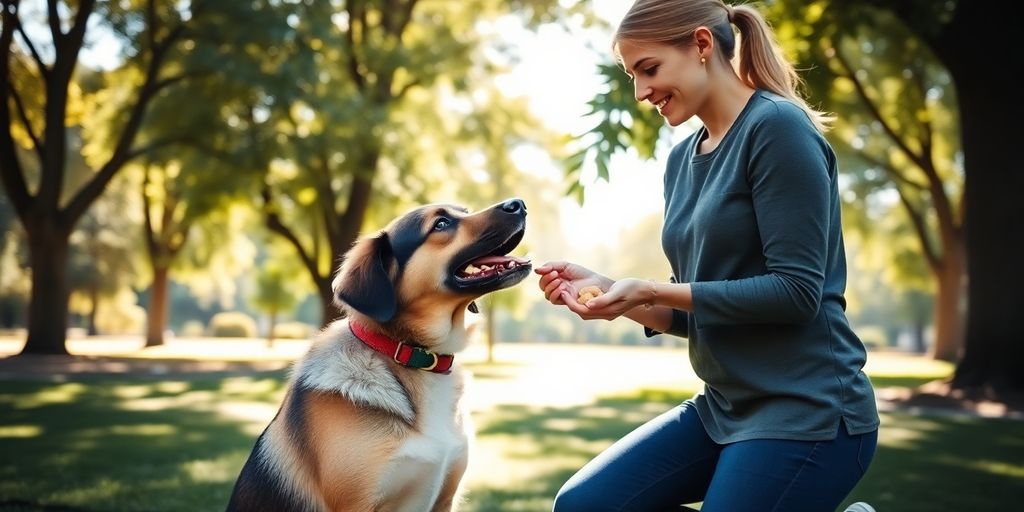
Positive reinforcement is a game-changer in dog training. It’s all about rewarding your dog for good behavior, making the whole process fun and stress-free. This approach not only improves obedience but also nurtures a deeper understanding between you and your furry friend. Let’s dive into some key aspects of this training method.
Selecting the Right Rewards
Choosing the right reward is crucial. Dogs are motivated by different things, so it’s important to find what works best for your pup. Some dogs go crazy for treats, while others might prefer a favorite toy or even some extra playtime. Experiment to see what gets your dog excited. Remember, the reward should be something your dog truly values to encourage them to repeat the desired behavior.
Timing and Consistency in Reinforcement
Timing is everything in positive reinforcement. You need to reward your dog immediately after they perform the desired behavior. This helps them make the connection between the action and the reward. Consistency is also key. If you only reward your dog sometimes, they might get confused about what behavior is being reinforced. Being consistent helps your dog learn faster and more effectively.
Avoiding Common Reinforcement Mistakes
Even with the best intentions, it’s easy to make mistakes in positive reinforcement. One common mistake is over-relying on treats, which can lead to an overweight pup. Try to mix up the rewards to include non-food items like praise or playtime. Another mistake is not phasing out the rewards over time. Once your dog has learned a behavior, start reducing the frequency of the rewards to keep them motivated without becoming dependent on them.
Positive reinforcement training enhances dog training by rewarding good behavior, making learning enjoyable and stress-free. This method fosters a strong bond between dogs and their owners, reduces anxiety, and encourages long-lasting behavioral changes. Key principles include using high-value rewards, maintaining consistency in timing, and setting realistic training goals. Success stories highlight transformations in dogs’ behavior, showcasing the effectiveness of this approach. Overall, positive reinforcement not only improves obedience but also nurtures a deeper understanding and connection between dogs and their owners. Positive reinforcement training enhances dog training by rewarding good behavior, making learning enjoyable and stress-free.
Building a Strong Trainer-Dog Relationship
Establishing Leadership and Respect
Building a strong relationship with your dog starts with establishing leadership and respect. It’s not about being the boss but setting clear boundaries and expectations. Dogs thrive on structure and understanding their role within the family pack. Here’s how you can establish leadership:
- Consistency: Stick to a routine. Dogs feel secure when they know what to expect.
- Patience: Training takes time. Be patient with your dog as they learn.
- Positive Reinforcement: Reward good behavior to encourage it.
Fostering Emotional Connections
Creating an emotional bond with your dog is essential for a healthy relationship. Spend quality time together and engage in activities that both of you enjoy. Here are some tips:
- Play: Incorporate play sessions that are fun and engaging.
- Training: Use training as a bonding activity. It’s a great way to communicate and understand each other.
- Relaxation: Spend quiet time together, whether it’s a walk in the park or simply lounging at home.
Building trust with your dog is a journey. It’s about being there for them, understanding their needs, and responding with care and compassion.
Balancing Discipline with Affection
Finding the right balance between discipline and affection is crucial. Too much of either can lead to behavioral issues. Here’s how you can balance the two:
- Set clear rules: Make sure your dog knows what’s expected of them.
- Be affectionate: Show love and care, but don’t let it override necessary discipline.
- Use timeouts: If your dog misbehaves, a short timeout can help them understand the consequences of their actions.
By selecting the right dog training course, you can further enhance your ability to build a strong, respectful relationship with your dog. A well-structured course can provide valuable insights into effective training techniques that align with your goals.
Creating a strong bond with your dog is essential for effective training. When you understand your dog’s needs and communicate well, you both can enjoy a happier life together. For more tips on building this important relationship, visit our website!
Conclusion
Wrapping up, dog training isn’t just about teaching commands or tricks. It’s about building a strong relationship with your furry friend. Whether you’re using e-collars, play techniques, or any other method, the goal is to understand and communicate better with your dog. Remember, every dog is different, and what works for one might not work for another. So, be patient, keep learning, and enjoy the journey with your four-legged buddy. Happy training!
Frequently Asked Questions
What is the best way to pick an e-collar for my dog?
Choosing the right e-collar involves considering your dog’s size, temperament, and training needs. Look for adjustable settings and a comfortable fit.
How can I tell if my dog understands my commands?
Watch your dog’s body language and responses. If they consistently follow your commands, it shows they understand. Patience and repetition help too.
Why is play important in dog training?
Play makes training fun and engaging for dogs. It helps them learn new skills while strengthening the bond with their owner.
What should I do if my dog gets distracted during training?
Use treats or toys to regain their focus. Keep sessions short and interesting to maintain your dog’s attention.
How can I stop my dog from reacting on a leash?
Identify what triggers their reaction, then slowly expose them to it while rewarding calm behavior. Consistency is key.
What’s the most common mistake in rewarding dogs?
Timing is crucial. Reward your dog immediately after they perform the desired behavior to help them connect the reward with the action.