
Getting a new dog is like bringing home a new family member. It’s exciting and a bit overwhelming. Training your dog might seem like a big task, but it’s super important for a happy life together. Whether you’ve got a tiny puppy or an older rescue, starting with the basics helps a lot. It’s all about patience, practice, and a little bit of fun. Let’s dive into some easy tips to get you started on this journey.
Key Takeaways
- Start training your dog early to prevent bad habits.
- Use simple commands like ‘sit’, ‘stay’, and ‘come’.
- Create a consistent training schedule and stick to it.
- Use positive reinforcement, like treats and praise.
- Be patient and keep training sessions short and fun.
Understanding the Basics of Dog Training
The Importance of Early Training
Starting training early with your dog is like setting the groundwork for a smooth journey together. Puppies, with their boundless energy and curiosity, are eager learners. Early training not only helps prevent unwanted behaviors like chewing on your shoes or jumping on guests but also strengthens the bond between you and your furry friend. It’s not just about teaching commands; it’s about building a relationship. Socialization during this phase is crucial, as it helps your pup become well-adjusted and less fearful of new experiences.
Key Commands Every Dog Should Know
When it comes to dog training, certain commands lay the foundation for good behavior and effective communication. Here are six essential commands every dog should know:
- Sit: The go-to command for gaining your dog’s attention and establishing control.
- Stay: Keeps your dog in place, which can be handy in various situations.
- Come: A lifesaver for calling your dog back to you.
- Down: Encourages your dog to relax and settle.
- Leave It: Helps prevent your dog from picking up unwanted items.
- Heel: Makes walks more enjoyable when your dog stays close by your side.
Common Mistakes to Avoid
Training a dog is a rewarding experience, but it’s easy to make mistakes along the way. Here are some pitfalls to avoid:
- Inconsistency: Dogs thrive on routine. Stick to a regular training schedule to reinforce learning.
- Overloading: Avoid overwhelming your dog with too many commands at once. Focus on one command until it’s mastered.
- Lack of Patience: Remember, every dog learns at its own pace. Be patient and persistent.
- Skipping Socialization: Don’t underestimate the power of socialization. Exposing your dog to different environments and situations is key.
"Training isn’t just about teaching commands; it’s about building a mutual understanding and respect between you and your dog."
Creating a Positive Training Environment
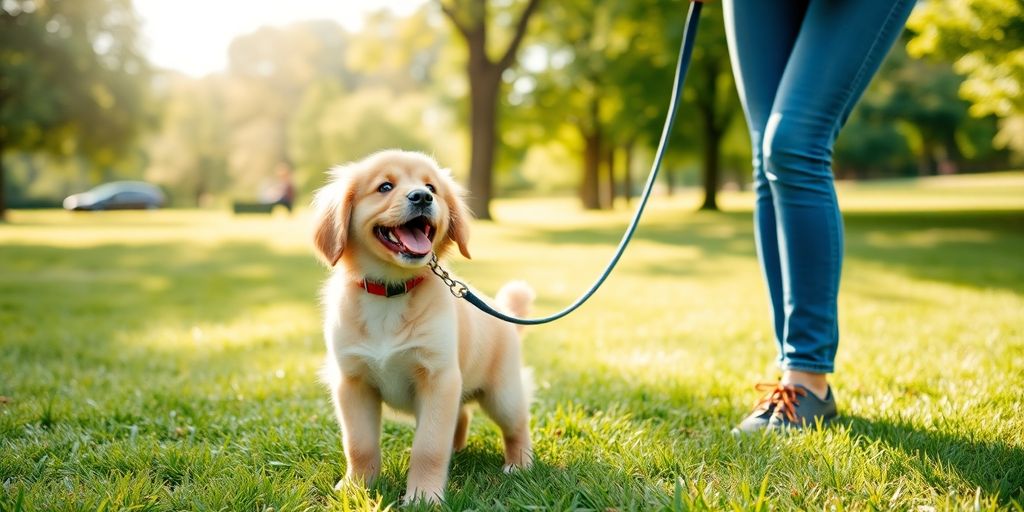
Setting Up a Home Training Area
Creating a dedicated space for training your dog at home is a great way to establish consistency. Pick a quiet area free from distractions like toys or other pets. This helps your dog focus on learning. You might want to use a corner of a room or a section of your backyard. Keep this space tidy and organized with everything you need, like treats and a clicker, within arm’s reach.
Choosing the Right Training Tools
The tools you use can make a big difference in how effective your training sessions are. Invest in quality items like a sturdy leash, a comfortable collar, and a clicker. Some dogs respond well to treats, while others might be more motivated by toys. Experiment to see what works best for your furry friend. Remember, the goal is to make training enjoyable and rewarding for both of you.
Incorporating Training into Daily Routines
Training shouldn’t just be a once-a-day activity. Incorporate it into your daily routines to reinforce learning. For example, ask your dog to "sit" before meals or "stay" when you’re opening the door. This not only helps with obedience but also strengthens your bond. Keep sessions short, about 5-10 minutes, to maintain your dog’s interest and enthusiasm.
Training is more than just teaching commands; it’s about building a relationship based on trust and understanding. By integrating training into everyday life, you create a positive environment where your dog feels secure and eager to learn.
Mastering Essential Commands
Teaching Sit, Stay, and Come
Getting your dog to understand basic commands like sit, stay, and come is a game-changer. Sit is often the first command to teach. It’s simple and sets the stage for more advanced commands. Use treats and positive reinforcement to encourage your dog to sit on cue. This command helps establish your leadership and improves your dog’s focus.
Stay is crucial for your dog’s safety. It keeps them from darting into dangerous situations. Start with short durations and gradually increase the time as your dog becomes more comfortable. This command builds your dog’s self-control and confidence.
The come command is vital, especially in emergencies. Start in a quiet place and gradually introduce distractions. This will help your dog respond reliably in various situations. Remember, patience and consistency are key to success.
Training Down, Leave It, and Heel
Teaching your dog to lie down on command is useful for calming them in stressful situations. This command also fosters trust between you and your pet. Use treats to encourage your dog to lie down and stay relaxed.
The leave it command prevents your dog from picking up unwanted items. Start by holding a treat in each hand, showing one to your dog, and closing your fist around it. Say "leave it" firmly and wait for your dog to stop sniffing or pawing. Reward them with the treat in your other hand when they ignore the closed fist.
Heel is about walking nicely on a leash. Keep your dog beside you with a short leash, and use treats to encourage them to stay close. If your dog pulls ahead, stop walking and wait for them to return to your side.
Using Clicker Training Effectively
Clicker training is a powerful tool to reinforce positive behavior. It involves using a clicker to mark the exact moment your dog performs the desired action, followed by a reward. This method helps your dog understand what behaviors are being rewarded.
- Start by associating the click sound with a treat.
- Use the clicker when your dog performs a command correctly.
- Reward immediately after clicking to reinforce the behavior.
Clicker training is effective because it provides clear communication between you and your dog, making the training process more efficient.
Training your dog is more than just teaching commands; it’s about building a relationship based on trust and understanding. With patience and consistency, you’ll see your dog transform into a well-mannered companion.
Building a Strong Bond Through Training

The Role of Positive Reinforcement
Positive reinforcement is like the secret sauce in dog training. It’s all about rewarding your pup when they do something right, which makes them want to do it again. Treats, praise, or a favorite toy can all be part of this. Positive dog training fosters a deeper connection between dogs and their owners by establishing a shared language. This approach enhances communication, builds trust, and strengthens the bond between humans and their canine companions. Remember, consistency is key, so keep those rewards coming when your dog hits the mark.
Avoiding Punishment-Based Techniques
Punishment might seem like a quick fix, but it can actually harm your relationship with your dog. Dogs don’t understand punishment the way humans do, and it can lead to fear and anxiety. Instead of punishment, focus on redirecting negative behavior and rewarding the positive. If your dog is jumping up, teach them to "sit" instead, and then reward them when they do. It’s about turning a "no" into a "yes" moment.
Celebrating Small Victories
Every little win is worth celebrating. Whether it’s mastering "sit" or finally staying calm when the doorbell rings, these small victories are steps toward a well-behaved pup. Make sure to celebrate these moments with a bit of extra playtime or a special treat. It’s not just about the big milestones; it’s about all the little steps along the way that strengthen your bond.
Training is a journey, not a sprint. Each step forward, no matter how small, is a building block in your relationship with your dog. Embrace the process and enjoy the companionship that grows from it.
Overcoming Training Challenges
Dealing with Distractions
Training a dog is not always smooth sailing, especially when distractions are involved. Dogs are curious creatures, and their attention can be easily diverted by a squirrel, a passing car, or even a leaf blowing in the wind. Staying composed and confident is crucial when these distractions arise. One way to combat this is by gradually increasing the level of distraction during training sessions. Start in a quiet room, then move to the backyard, and finally, try a park. Use high-value rewards to keep your dog focused on you rather than the surrounding chaos. Remember, patience is key.
Maintaining Consistency and Patience
Consistency is the backbone of effective dog training. Dogs thrive on routine and clear expectations. Use the same commands and gestures during each session to avoid confusing your pup. If you find yourself getting frustrated, take a break. Training should be a positive experience for both you and your dog. Incorporate short, engaging sessions throughout the day rather than one long session. This approach not only keeps your dog’s attention but also makes the training process more enjoyable.
When to Seek Professional Help
Sometimes, despite your best efforts, training challenges can feel overwhelming. If you’re struggling with persistent behavior issues, it might be time to seek professional help. Professional trainers bring a wealth of experience and can offer tailored advice to tackle specific problems. They can provide guidance on transforming your dog’s behavior issues with patience and consistency. Joining a local training class can also offer socialization opportunities for your dog, which is an added bonus. Don’t hesitate to reach out – it’s a smart step towards a happier, well-trained dog.
Training a dog is an ongoing journey filled with ups and downs. By embracing each challenge with patience and a positive attitude, you’re not just teaching commands – you’re building a lifelong bond with your furry friend.
Advanced Training Techniques for New Owners
Introducing Agility and Obstacle Courses
Agility training is a fantastic way to keep your dog physically fit and mentally sharp. It involves guiding your dog through a series of obstacles like tunnels, jumps, and weave poles. Agility courses are not just about speed; they help build trust and communication between you and your dog. Start with simple setups in your backyard. Use everyday items like broomsticks for jumps or laundry baskets for tunnels. As your dog gets more comfortable, you can increase the complexity of the course. Remember, the goal is to have fun and strengthen your bond with your pet.
Socialization with Other Dogs
Socializing your dog is crucial for developing a well-rounded pet. It teaches them how to behave around other dogs and people. Begin by introducing your dog to a few well-behaved dogs in a controlled environment. Gradually expand their circle by visiting dog parks or arranging playdates. Socialization helps reduce anxiety and aggression, making your dog more confident and friendly.
Preparing for Advanced Commands
Once your dog has mastered basic commands, it’s time to move on to more advanced ones. Commands like "fetch," "roll over," or "play dead" can be both fun and challenging. Use a successful dog training plan to outline new commands and practice regularly. Keep training sessions short and engaging to hold your dog’s attention. Always use positive reinforcement, like treats or praise, to encourage good behavior. If you’re struggling, consider enlisting the help of a professional trainer to guide you and your dog through the process.
Training is a journey, not a destination. Celebrate every small victory with your dog, and remember that patience and consistency are key to successful training.
If you’re a new dog owner, it’s time to explore some advanced training techniques that can help you and your furry friend bond better. Visit our website for tips and resources that will make training fun and effective!
Wrapping It Up
So, there you have it! Training your new dog might seem like a big task, but with a little patience and consistency, you’ll get there. Remember, every dog learns at their own pace, so don’t stress if things take a bit longer than expected. Stick to your training plan, use those tasty treats, and keep the sessions fun. And hey, if you hit a bump in the road, don’t hesitate to reach out for some professional help. At the end of the day, it’s all about building a strong bond with your furry friend and enjoying the journey together. Happy training!
Frequently Asked Questions
What are the basic commands every dog should know?
Every dog should be familiar with these commands: Sit, Stay, Come, Down, Leave It, and Heel. These are the foundation for good behavior.
How do I start training my dog if I’m a beginner?
Begin with simple commands like Sit, Stay, and Come. Use treats and praise to encourage your dog. Keep sessions short and fun.
How long does it take to train a dog in basic obedience?
Training time varies. Puppies might learn in 6-8 weeks, while older dogs could take longer. Consistency and patience are key.
Which dog breeds are easiest to train for new owners?
Breeds like Labrador Retrievers, Golden Retrievers, Border Collies, Poodles, and German Shepherds are known for being easy to train.
What is positive reinforcement in dog training?
Positive reinforcement means rewarding your dog for good behavior with treats, praise, or toys. It encourages them to repeat the behavior.
How can I keep my dog focused during training sessions?
Use treats your dog loves, keep sessions short, practice in a quiet area, and include play breaks to keep your dog engaged.