
Training your dog can be a bit like trying to assemble a piece of IKEA furniture without the instructions. It’s tricky, and mistakes are bound to happen. But, knowing what not to do can save you a lot of headaches and help your furry friend become a well-behaved buddy. Let’s dive into some common dog training mistakes to avoid, and make the whole process smoother for both you and your pet.
Key Takeaways
- Consistency is key. Stick to the same commands to avoid confusing your dog.
- Avoid using punishment. It can create fear and aggression.
- Keep training sessions short and fun to maintain your dog’s interest.
- Don’t rely solely on food rewards; mix in praise and play.
- Understand your dog’s unique needs and adjust your training methods accordingly.
1. Not Being Consistent With Your Commands
Training a dog requires a lot of patience and, most importantly, consistency. If you’re not using the same command every time, your furry friend might get confused. Imagine if today you say "sit" and tomorrow it’s "sit down"—your dog might think these are two separate commands.
- Use the same words every time you give a command. Consistency helps your dog understand what you’re asking.
- Avoid mixing up commands. If you say "come here" one day and "come" the next, your dog might struggle to learn.
- Stick with one language. Switching between languages can confuse your dog.
Dogs thrive on routine and predictability. When you’re consistent with your commands, it makes it easier for them to learn and respond appropriately.
Consistency isn’t just about the words you use. It’s also about how you say them. Dogs pick up on tone and body language. So, make sure your tone is clear and your gestures are consistent. This way, your dog knows what to expect and what’s expected of them.
For more tips on improving dog behavior, check out these strategies that can help you make simple adjustments for better results.
2. Not Providing Consistent Praise And Rewards
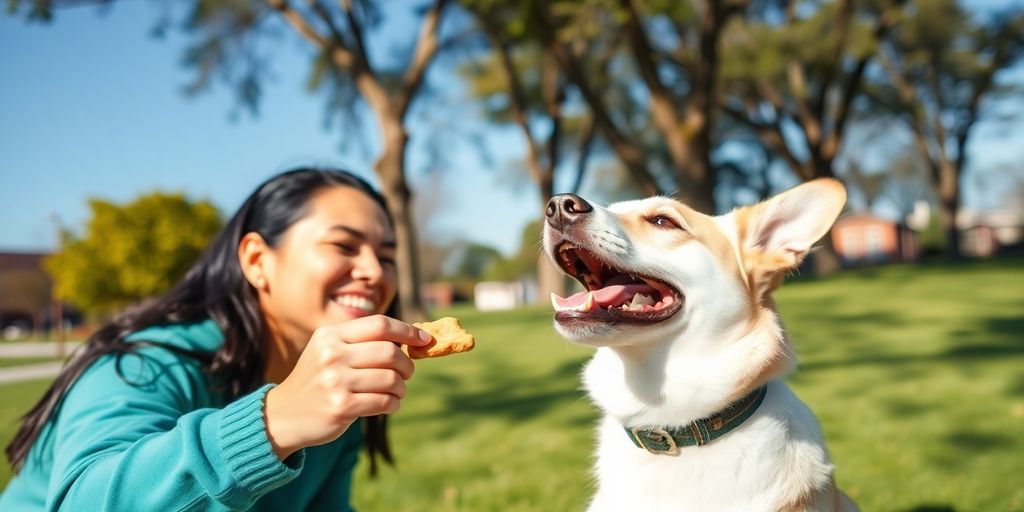
When training your dog, it’s super important to be consistent with praise and rewards. Consistency is key in helping your dog understand what behaviors are expected and appreciated. If you’re erratic with praise or rewards, your dog might get confused about what they’re doing right.
Consider these points:
- Always reward your dog immediately after they perform a desired action. Delay can muddle the connection between action and reward.
- Use a variety of rewards. While treats are great, mix in verbal praise, petting, or playtime to keep things interesting.
- Avoid using rewards as bribes. Make sure they reinforce positive behavior rather than just enticing your dog to do something.
Training becomes more effective when your dog knows exactly what actions bring positive outcomes. This clarity strengthens your bond and makes learning enjoyable for both of you.
In the world of dog training, reinforcing positive behavior without relying on bribes is crucial for success. Keep your reinforcement strategies varied and timely, and you’ll see your dog thrive in their training sessions.
3. Using Physical Or Verbal Punishment
When it comes to training your furry friend, the approach you take can make all the difference. Physical or verbal punishment is a big no-no. It might seem like a quick fix, but it can cause more harm than good. Dogs don’t understand punishment the way we do. Instead of learning the right behavior, they might just end up scared or confused.
Consider this: if you yell at your dog every time they make a mistake, they might start associating your voice with fear. This can lead to a breakdown in communication and trust. Rather than forming a positive bond, your dog might become anxious or even aggressive.
Training should be a positive experience for both you and your dog. It’s about building trust and understanding, not fear.
Instead of punishment, try using verbal corrections like a firm "No" or "Uh-uh" to interrupt unwanted behavior. It’s important to maintain a calm yet assertive tone, ensuring that timing is crucial to reinforce the message without resorting to yelling. Effective dog discipline involves communicating in a way that your dog can understand and respond to positively.
Here’s a quick list of what to avoid and what to do instead:
- Avoid hitting or physically reprimanding your dog.
- Refrain from yelling or using a harsh tone.
- Don’t use shock, prong, or choke collars.
Instead:
- Use clear and consistent commands.
- Offer praise and rewards for good behavior.
- Redirect unwanted behavior with positive cues.
4. The Training Sessions Are Too Long
Dog training sessions can sometimes drag on, and it’s a common mistake many pet owners make. Keeping sessions short and sweet is key to maintaining your dog’s attention and ensuring effective learning. Dogs, much like humans, have limited attention spans. When sessions extend beyond their focus capacity, they tend to lose interest and become distracted.
Why Shorter Sessions Work
- Maintain Focus: Dogs are more likely to stay engaged and attentive during brief training periods.
- Prevent Boredom: Long sessions can lead to boredom, making your dog less responsive to commands.
- Better Retention: Short, focused sessions help reinforce learning and improve memory retention.
Ideal Session Length
Typically, a good training session should last no more than 10 minutes. This ensures your dog remains interested and motivated throughout the process. If you notice your dog’s attention fading, it’s a sign to wrap things up. Adjusting the duration of sessions can significantly enhance training effectiveness.
Remember, it’s not about the length of time you spend training but the quality of the time spent. Short, consistent sessions often yield the best results.
By keeping training sessions concise, you’ll find your dog more eager to participate and quicker to learn new commands.
5. Not Giving Them Enough Time For Breaks
Training your dog is a great way to bond and teach them new skills, but it’s important to remember that breaks are just as crucial as the training itself. Dogs, like humans, need time to relax and recharge. If you push them too hard in one session or cram multiple sessions together without enough downtime, they might not learn as effectively.
Consider this: if your dog starts losing focus or becomes non-responsive, it’s time for a break. Engaging in a quick game can help re-energize and refocus them, making the training experience more enjoyable for both of you.
- Keep training sessions short, around 10 to 15 minutes.
- Allow for breaks in between to help them absorb what they’ve learned.
- Use break time to play or rest, ensuring they return to training refreshed.
Remember, the goal is to make training a positive experience. If your dog feels overwhelmed, they won’t enjoy the process, and neither will you.
By incorporating breaks into your training routine, you’re setting up your dog for success. They’ll be more attentive, learn faster, and be happier overall. So next time you’re training your pup, watch for signs of fatigue and take a breather when needed.
6. Not Training Your Dog Often Enough
Training your dog isn’t a one-time event; it’s an ongoing process that requires regular reinforcement. Consistency is key when it comes to teaching your furry friend new behaviors or commands. If you think that going over a command once is enough, you’re setting yourself and your dog up for failure. Just like us, dogs need repetition to remember what they’ve learned.
So, how often should you be training your dog? Ideally, you should aim to incorporate training into your routine multiple times a week. A good rule of thumb is to work with your pup every other day. This way, you keep reinforcing the behaviors they’ve learned and present new challenges for them to tackle.
Here’s a simple way to structure your dog’s training sessions:
- Short and Sweet: Keep sessions brief, around 5 to 10 minutes. Dogs, like toddlers, have short attention spans.
- Mix It Up: Rotate between different commands and tricks to keep your dog engaged and mentally stimulated.
- Consistency Over Quantity: Regular short sessions are more effective than long, infrequent ones.
Regular training ensures that your dog retains what they’ve learned and continues to build on their skills. It’s not just about teaching commands; it’s about creating a bond and understanding between you and your dog.
Remember, training isn’t just about commands—it’s also about building trust and communication with your pet. If you’re looking for more tips on avoiding common dog training mistakes, check out this article that outlines mistakes like insufficient training and inconsistency.
7. Trying To Do Too Much At Once
Dog training isn’t a sprint; it’s more like a marathon. If you’re trying to teach your dog multiple commands or behaviors all at once, you’re setting yourself up for a headache. Dogs, much like us, can only absorb so much information at a time.
Why It’s a Problem
- Overwhelm: Your dog might get confused if you throw too many commands their way. They can’t focus on learning one thing when they’re bombarded with five others.
- Frustration: Both you and your dog might end up frustrated. You want results, and they want to understand what you want.
- Inefficiency: Trying to cram too much into a session can actually slow down the learning process.
How to Avoid It
- Focus on One Thing: Pick one command or behavior to work on at a time. This helps your dog focus and learn more effectively.
- Short Sessions: Keep training sessions short and sweet. Aim for 5 to 10 minutes, which is plenty for most dogs.
- Frequent Practice: Instead of long sessions, train more often. A few minutes every day is better than an hour once a week.
Remember, training is about building a connection with your dog. It’s not just about the commands, but about understanding each other. Take your time, and enjoy the process.
By breaking down training into smaller, manageable pieces, you’ll find that both you and your dog will have a much better experience. It’s like building a house; you lay one brick at a time. Consider this comprehensive guidance on dog training to help you create a well-behaved companion.
8. Creating Negative Associations With Your Dog Training Cues
Training your dog is all about building positive habits and connections. But sometimes, without even knowing it, you might be creating negative links between your commands and activities your dog dislikes. This can really mess up your training efforts.
Imagine you’re teaching your dog the "come" command. If every time you use it, you follow up with something your dog hates, like a bath, they might start ignoring you. Here’s how to avoid this mistake:
- Be mindful of what follows a command. If your dog hates baths, don’t use "come" right before one.
- Mix in fun activities. After your dog responds to a command, reward them with something they enjoy.
- Stay consistent. Keep your training cues associated with positive outcomes.
Dogs learn best when they’re happy and relaxed. Avoid pairing commands with negative experiences to keep training effective.
For more on how to discourage unwanted behaviors using positive methods, consider exploring negative punishment in dog training. This approach focuses on withholding rewards rather than adding unpleasant experiences.
9. Not Monitoring Your Dog’s Progress
Keeping track of your dog’s progress during training is a game-changer. Why? Because it helps you see if your furry friend is actually getting what you’re teaching. If you’re frustrated, jotting down progress can boost your motivation. Plus, it highlights areas that need more work, so you can tweak your methods.
Here’s a simple routine to get you started:
- Set aside time once a week to review your dog’s progress.
- Note down any improvements or setbacks.
- Adjust your training plan based on what you observe.
Regular check-ins with your dog’s progress not only keep you on track but also make sure your pup is learning effectively. It’s worth the effort!
For more on this, check out measuring progress in dog training, which offers three solid methods to track training progress.
10. Not Taking Into Account Your Dog’s Unique Personality And Needs
When it comes to training your dog, there’s no universal method that fits every pup. Each dog has its own quirks and personality, and understanding these can make a huge difference in how effective your training sessions are. Every dog is unique, and what works for one might not work for another.
Start by observing your dog’s behavior. Is your dog high-energy or more laid-back? Does your dog respond better to treats, toys, or praise? These are the kinds of questions you should ask yourself. Tailoring your approach based on your dog’s individual needs can lead to more successful training outcomes.
- Consider Age and Breed: Puppies and older dogs have different learning capacities and energy levels. Similarly, a Border Collie might need more mental stimulation compared to a Bulldog.
- Adapt Training Techniques: Some dogs might respond well to clicker training, while others might find it confusing. Experiment with different methods to see what clicks.
- Monitor Stress Levels: Training should be a positive experience. If your dog seems anxious or stressed, it might be time to take a step back and reassess your approach.
Remember, training is not just about teaching commands but building a bond with your dog. By taking into account your dog’s unique personality, you not only make the training more effective but also strengthen your relationship.
For more on creating a positive training environment and avoiding common mistakes, check out our essential dog training tips.
11. You Have A Puppy But Aren’t Being Proactive About Getting Them Trained Right Away
Getting a new puppy is exciting, but many new pet owners make the mistake of delaying training. Starting early is crucial for developing good habits. Puppies are like little sponges, ready to soak up everything they learn. If you wait too long, you might end up with ingrained behaviors that are tough to change.
Here’s why you should start training right away:
- Puppies are more adaptable and open to learning new things.
- Early training helps prevent unwanted behaviors from becoming habits.
- It’s easier to teach good behaviors than to correct bad ones later.
Training doesn’t have to be intense or complicated. Begin with simple commands like "sit" and "stay." Consistency is key. Use positive reinforcement to encourage good behavior, and remember that patience goes a long way.
Puppies need guidance from the start to grow into well-behaved dogs. Being proactive with training sets the foundation for a happy, balanced pet.
For more insights on house training a dog, including establishing routines and using positive reinforcement, check out our house training guide.
12. There’s Too Much Cue Nagging
Cue nagging is when you keep repeating a command to your dog because they aren’t responding right away. This can lead to your dog ignoring you altogether. Imagine saying "sit" over and over, hoping your pup will eventually plop down. This repetition doesn’t just confuse your dog; it teaches them they don’t need to act immediately.
Instead of nagging, take a step back and figure out why your dog isn’t responding. Are they distracted, or do they not understand what you want? Maybe they need a bit more motivation or a different kind of reward.
Here’s what you can do:
- Assess the situation: Check if your dog is distracted or if there’s too much going on around them.
- Adjust your training method: Sometimes, the issue is not with the dog but with how the command is given.
- Use a single command: Stick to saying the command once. If your dog doesn’t respond, it’s time to rethink your approach.
Remember, repeating commands can lead to irritation and decrease your dog’s motivation to respond. Avoid nagging your dog with repetitive commands during training, as it can lead to irritation and decrease their motivation to respond. Instead, focus on clear and consistent communication to help your dog learn more effectively.
13. Not Teaching Your Dog How To Generalize Commands
Teaching your dog to generalize commands is a step many pet owners overlook. Generalization means your dog understands a command regardless of the situation or context. For example, your dog should "sit" whether you’re at home, in the park, or at a friend’s house.
Why It’s Important
Dogs often learn commands in specific environments, and they might not respond the same way in a new setting. This can be frustrating if you expect the same behavior everywhere. Ensuring your dog can generalize commands is key to having a well-behaved pet.
Steps to Teach Generalization
- Start Simple: Begin with basic commands like "sit" or "stay" in a quiet, familiar environment.
- Change Settings: Gradually practice the same commands in different locations, like your backyard, during walks, or at a park.
- Add Distractions: Once your dog is comfortable, introduce distractions like other people or animals. This helps them focus and obey despite external stimuli.
Consistency and patience are crucial when teaching generalization. It might take time, but the results are worth it.
Incorporate these techniques to enhance your dog’s learning experience and strengthen your bond. Your dog will not only be obedient but also more adaptable to new situations. For more on building a strong bond through training, consider mastering dog obedience training.
14. Using Bribery To Get Your Way
We all want our dogs to behave, and sometimes the quickest fix seems to be bribery. But here’s the catch: relying on treats as a bribe can backfire. Your dog might only listen when there’s something tasty on the line, which isn’t ideal for long-term obedience.
Instead of bribing, focus on building a balanced relationship with your dog. Use rewards to reinforce positive behaviors, but don’t let them become a crutch. Here’s a better approach:
- Praise your pup verbally when they follow commands.
- Use treats sparingly, as a surprise rather than a given.
- Encourage your dog with playtime or toys as a reward.
Training should be about creating a bond, not just getting through the day with a quick fix. Dogs thrive on trust and understanding, not just the promise of a treat.
Remember, it’s about teaching your dog to respect boundaries and understand that certain behaviors are expected without always getting a reward. This method strengthens your connection and helps your dog learn what’s truly important.
For those looking to improve their dog’s behavior, selecting the right dog training course is essential. Look for programs that emphasize positive reinforcement over bribery for lasting results.
15. Reinforcing Unwanted Behavior
Reinforcing unwanted behavior in dogs is a common mistake that many pet owners make without even realizing it. When you unintentionally reward a dog for a behavior you don’t want, you’re actually encouraging them to repeat it.
Imagine your dog is barking every time the doorbell rings. If you respond by giving them attention, whether it’s to calm them down or distract them, you’re teaching them that barking gets your attention. Similarly, if your pup jumps up on you and you respond by petting them, they’re learning that jumping is a way to get affection.
Here’s a quick checklist to help prevent reinforcing unwanted behaviors:
- Identify the behavior: Clearly define what actions you don’t want your dog to repeat.
- Be consistent: Make sure everyone in the household responds to the behavior in the same way.
- Redirect and reward: When your dog exhibits the unwanted behavior, redirect them to a more appropriate action and reward them for that.
"Dogs learn from the consequences of their actions. If a behavior is followed by something pleasant, like a treat or attention, they’re more likely to repeat it."
To manage this effectively, you might want to avoid temptations by controlling the environment. This means keeping things like food or enticing objects out of reach until your dog has learned the appropriate behavior. Remember, training is about patience and consistency. Make sure you’re rewarding the behaviors you want to see more of, and ignoring or redirecting those you don’t. This approach not only helps in curbing unwanted actions but also fosters a positive training environment.
16. Punishing Desirable Behavior
Punishing desirable behavior in dogs can be a sneaky mistake that many owners make without even realizing it. Imagine this: your dog greets you with enthusiastic barks and jumps when you come home. This is a sign they’re thrilled to see you, but if you scold them for this excitement, you’re actually discouraging their affection.
Instead, focus on redirecting that energy. Encourage them to sit calmly before giving them the attention they crave. Positive reinforcement is key here. Reward them for exhibiting the behavior you want to see more of. This way, they learn that staying calm gets them the love and attention they desire.
Here’s a simple way to handle it:
- When your dog jumps in excitement, turn away or ignore them.
- Once they settle down, offer praise or a treat.
- Be consistent with this approach to reinforce the desired behavior.
Training should be a positive experience for both you and your dog. Avoid creating a fearful environment by punishing behaviors that are actually signs of happiness. Instead, focus on fostering a bond built on trust and understanding.
For more insights on avoiding negative reinforcement in dog training, consider exploring strategies that emphasize positive reinforcement techniques. This approach not only builds a stronger bond but also makes the training process more enjoyable for both of you.
17. Failing To Practice In-Between Classes
Practicing between classes is like keeping the engine running smoothly. Consistency is key when it comes to dog training. If you’re only working with your dog during scheduled classes, you’re missing out on valuable opportunities to reinforce what they’ve learned. Dogs, much like toddlers, have short attention spans, so it’s important to fit in short, frequent training sessions at home. Aim for sessions lasting just 5 to 10 minutes each day. This keeps training fresh and engaging for your pup.
A little practice every day can make a big difference. It’s not about the length of the session, but the frequency and consistency.
Here’s a simple plan to make sure you’re practicing enough:
- Set a daily reminder: Pick a time each day when you can spend a few minutes with your dog. It could be right after breakfast or before dinner.
- Mix up the commands: Don’t just stick to one or two commands. Rotate through the different things your dog has learned to keep it interesting.
- Use everyday situations: Incorporate training into daily activities. Ask your dog to "sit" before meals or "stay" when you’re opening the door.
Remember, the goal is to make training a normal part of your dog’s day-to-day life. This way, when you return to class, your dog will be ready and eager to learn more. If you’re interested in enhancing your dog’s recall abilities, consider this course that focuses on building trust and ensuring reliable off-leash experiences.
18. Poisoning Of Cues
Ever tried teaching your dog a command and then realized it backfired? That’s what happens with poisoning of cues. Imagine this: you finally get your dog to understand "come," but then you use it to drag them into the bath—something they dread. Next time you say "come," they might just pretend they didn’t hear you. This is a classic case of a poisoned cue.
How It Happens
- Negative Associations: Your dog starts linking a command with something they dislike, like baths or vet visits.
- Inconsistent Use: Using a command in different contexts can confuse your dog, making them unsure of what you want.
- Lack of Reinforcement: If the command isn’t consistently followed by positive reinforcement, your dog may lose interest.
Avoiding Poisoned Cues
- Always pair commands with positive experiences. If "come" means treats or playtime, they’ll be more eager to respond.
- Keep training sessions positive and fun. It’s not just about commands but also about building trust.
- If a cue gets poisoned, switch it up. Use a new word or gesture to reset their understanding.
Training should be a positive experience for both you and your dog. Avoid using commands in negative situations to prevent confusion and fear. Effective dog training emphasizes positive reinforcement over punishment.
19. Not Making Training Fun
Training your dog should be an enjoyable experience, not just for them but for you too. If it’s all work and no play, your furry friend might lose interest quickly. Dogs thrive on excitement and engagement, so making training sessions lively is key.
Here are some ways to make training more fun:
- Mix Up the Routine: Don’t stick to the same old tricks every time. Throw in a new command or game to keep things fresh.
- Use Toys: Incorporate your dog’s favorite toys into training. This can make learning feel like playtime.
- Keep Sessions Short: Long sessions can be tiring. Aim for quick, energetic bursts of training.
Remember, the goal is to create a positive atmosphere where your dog is eager to learn. When training feels like a game, both you and your dog are bound to enjoy it more.
Avoid the mistake of not making training fun by using positive reinforcement and keeping sessions engaging. Dogs respond well to praise and rewards, which can make the process more enjoyable for everyone involved.
20. Only Using Food As A Reward
Feeding your dog treats is a great way to reinforce good behavior, but it shouldn’t be the only tool in your training toolbox. Dogs, like people, thrive on a variety of rewards. Relying solely on food can lead to an over-reliance on treats, and might not always be the most effective way to motivate your pup.
Consider mixing it up with these other forms of rewards:
- Praise: Dogs love hearing they’re doing a good job. A simple "Good boy!" can go a long way.
- Playtime: Tossing a ball or engaging in a quick game of tug-of-war can be just as rewarding as a treat.
- Physical Affection: A good belly rub or a scratch behind the ears can be very satisfying for your dog.
Remember, the goal is to build a strong bond, not just to "bribe" your dog into good behavior. Mixing up rewards helps keep your dog engaged and interested in training.
When using treats, it’s important to be mindful of the type and amount. You don’t want to overfeed your dog or give them unhealthy snacks. Limit the number of treats in your hand to 3-6 at a time to maintain focus and control. Also, avoid starting training with oily or juicy foods, like hot dogs or cheese, as they can be distracting.
Incorporating different types of rewards will not only help in training but will also strengthen your relationship with your dog. This approach ensures that your furry friend is motivated by love and companionship, not just by the next snack.
21. Not Making Sure Your Dog Is Getting Enough Exercise
Making sure your dog gets enough exercise is not just about keeping them fit; it’s also about keeping them mentally sharp and well-behaved. Dogs have a lot of energy, and if they don’t have an outlet for it, they might find their own ways to burn it off, like chewing your favorite shoes or barking at every little noise. Regular exercise helps them release that pent-up energy in a healthy way.
Here’s why exercise is crucial for your dog’s training success:
- Burns Off Excess Energy: When your dog has had a good run or a long walk, they’re less likely to be distracted during training sessions.
- Improves Focus: A well-exercised dog is more likely to pay attention to your commands and less likely to be distracted by the environment.
- Reduces Behavioral Problems: Many behavioral issues, such as excessive barking or digging, can be reduced with regular exercise.
Think of exercise as a way to set your dog up for success. A dog that’s had its daily dose of exercise will be more relaxed and ready to learn.
Consider incorporating a mix of activities to keep things interesting for your pup. This could include walks, playtime in the yard, or even agility training. Remember, every dog is unique, so tailor the exercise routine to fit their needs and energy levels. For more insights on effective dog training, you might want to check out Jonathan H. Lewis’s dog training tips.
In short, don’t underestimate the power of a good workout for your dog. It can make all the difference in their behavior and your training efforts.
22. Not Socializing Your Puppy
Socializing your puppy is like giving them a passport to the world. Missing this crucial step can lead to a host of behavioral issues later on. It’s important to introduce your puppy to a variety of people, environments, and other animals early on. This exposure helps them become well-adjusted adults.
- Start by introducing them to different types of people: kids, adults, people in uniforms, etc.
- Let them experience various environments like parks, busy streets, and quiet areas.
- Arrange playdates with other dogs to build their social skills.
Puppies are like sponges, soaking up all the experiences around them. The more positive interactions they have, the better they will adapt to the world.
If you miss the socialization window, it doesn’t mean all hope is lost. It just means you’ll need a bit more patience and maybe some professional guidance. Remember, a well-socialized puppy is a happier, more confident dog.
23. Long Classes
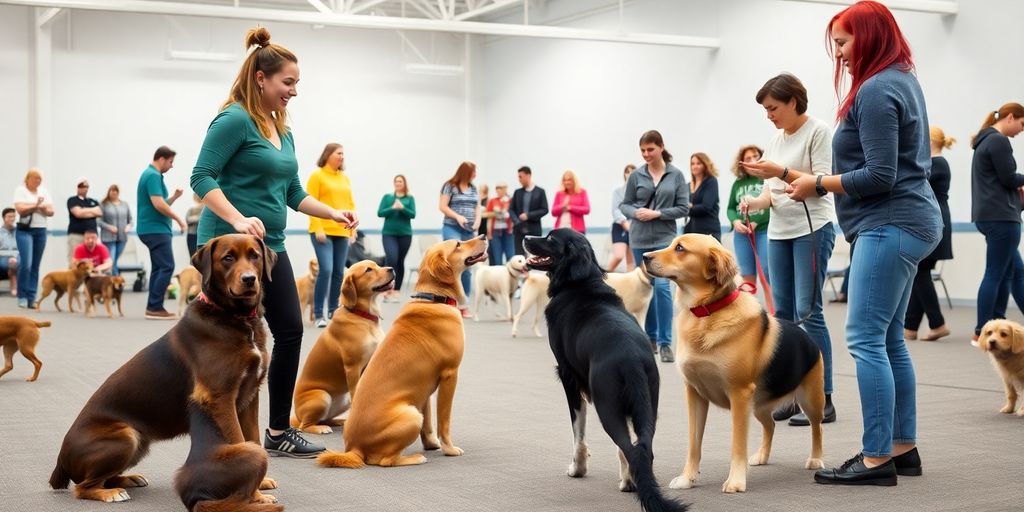
Training sessions that stretch on for too long can be a real drag for both you and your dog. Dogs aren’t built to focus for extended periods; they get bored and distracted easily. Think about it—it’s like trying to keep a toddler engaged during a long lecture.
Here’s what you can do instead:
- Keep It Short: Aim for sessions that last no more than 10 to 15 minutes. This keeps your dog engaged and eager to learn.
- Frequent Breaks: Give your pup a chance to rest and reset. Breaks help your dog absorb what they’ve learned and come back refreshed.
- Mix It Up: Vary the activities to maintain interest. A mix of commands, games, and rewards can make the session more enjoyable.
Remember, the goal is to make training a positive and fun experience for your dog. Short and engaging sessions tend to be more effective.
For more tips on making your training sessions effective and enjoyable, check out TeachDog.com, where you can discover a range of resources tailored to enhance your training techniques.
24. Negative Reinforcement
Negative reinforcement in dog training is like trying to teach a kid math by yelling at them every time they make a mistake. It just doesn’t work. Instead of helping your furry friend learn, it can actually create fear and confusion.
Negative reinforcement involves removing something unpleasant to encourage a behavior. But here’s the catch: most people end up using it wrong, which can backfire. For example, using a shock collar to stop barking might stop the noise temporarily, but it doesn’t teach your dog what you want them to do instead.
- Fear and Anxiety: Dogs might start associating training with fear if they anticipate something unpleasant.
- Aggression: A fearful dog can become aggressive as a defense mechanism.
- Confusion: Your dog might not understand why they’re being punished, leading to mixed signals.
Always aim for positive reinforcement. It’s about rewarding good behavior rather than punishing bad behavior. This way, your dog knows what’s expected and feels more confident.
Instead of reaching for that shock collar, try using positive reinforcement and clear communication to guide your pet. This approach helps build trust and strengthens your bond with your dog. Remember, training should be fun and rewarding for both of you. So, ditch the negativity and focus on creating a positive learning environment.
25. Stopping And More
Training a dog can be a rewarding experience, but knowing when to stop is just as important as knowing when to start. Stopping training at the wrong time can lead to confusion and even undo progress. Here’s a breakdown of what to avoid:
- Abruptly Ending Sessions: Dogs thrive on routine. If you cut a session short without a clear end, your dog might feel unsettled. Always finish on a positive note, even if it’s just a simple command they know well.
- Stopping After Mistakes: Mistakes happen, and they’re part of learning. If your dog makes an error, don’t just stop training. Instead, guide them back to the correct behavior and reinforce it positively.
- Halting Training Altogether: Once a dog learns the basics, it’s tempting to stop training altogether. But dogs need ongoing practice to keep their skills sharp. Regular refreshers help maintain their training.
- Ignoring Small Wins: Celebrate small victories. If your dog shows improvement, acknowledge it with praise or a treat. This keeps them motivated and eager to learn more.
Training isn’t just about commands; it’s about building a relationship. Make sure every session ends with your dog feeling accomplished and loved.
Remember, training is a journey, not a destination. Keep sessions short, engaging, and consistent to foster a well-behaved pet. And if you find yourself frustrated, take a step back and reassess your approach. Patience and consistency are key.
If you’re looking to improve your dog’s behavior and strengthen your bond, now is the perfect time to explore our dog training courses. Visit our website to find the right course for you and your furry friend!
Conclusion
Wrapping up, training your dog can be a rewarding journey if you avoid common pitfalls. Remember, consistency is key. Stick to the same commands and reward good behavior promptly. Avoid using punishment, as it can harm your bond with your furry friend. Keep sessions short and fun, and always consider your dog’s unique personality and needs. By steering clear of these mistakes, you’ll foster a positive learning environment and build a strong, trusting relationship with your pet. Happy training!
Frequently Asked Questions
Why is consistency important in dog training?
Consistency helps dogs learn commands more effectively. If you use the same words and actions every time, your dog will understand what you want them to do.
What should I do instead of using punishment in training?
Instead of punishment, focus on positive reinforcement. Reward your dog with treats or praise when they do something right, which helps them learn better.
How long should a dog training session be?
Keep training sessions short, around 15-20 minutes. Dogs can lose focus if sessions are too long, making it harder for them to learn.
Why is it bad to use only food as a reward?
Relying only on food can make dogs expect treats all the time. Mix in praise and playtime to keep them motivated and happy.
How can I make training fun for my dog?
Use games and play to teach commands. This keeps your dog engaged and makes learning enjoyable for both of you.
What if my dog isn’t learning as fast as I hoped?
Be patient and try different methods. Every dog learns at their own pace, so keep sessions positive and adjust your approach if needed.