
Teaching your dog new tricks is not just about showing off at the park. It’s a fantastic way to bond with your furry friend and keep their mind sharp. Dogs, like us, love to learn and face new challenges. Whether it’s mastering the classic ‘sit’ or impressing your friends with a ‘high five’, training can be a rewarding experience for both of you. This guide will walk you through some easy tricks to teach your dog, ensuring a fun and productive time together.
Key Takeaways
- Dogs are always ready to learn, making training a great way to keep them mentally stimulated.
- Simple tricks like ‘sit’ and ‘stay’ form the foundation for more complex commands.
- Using treats and positive reinforcement is key to successful training.
- Consistency and patience are essential when teaching new tricks.
- Training sessions should be fun and not too long to maintain your dog’s interest.
Understanding the Basics of Dog Training
The Importance of Obedience Training
Before jumping into the fun world of dog tricks, you gotta start with the basics. Obedience training is the foundation of any good dog-owner relationship. Think of it as teaching your dog the ABCs before jumping into full sentences. Without this groundwork, it’s like trying to teach a dog tricks in a foreign language. They won’t have a clue what you’re asking them to do. Obedience training helps your dog understand what’s expected and makes them more confident. Plus, it can help with behavioral issues like excessive barking or jumping.
Creating a Distraction-Free Environment
When you’re training your dog, the environment matters—a lot. Dogs get distracted easily. I mean, who wouldn’t with all those smells and sounds? So, pick a quiet spot where it’s just you and your furry buddy. No other pets, no loud noises, just peace. This helps your dog focus on you and the task at hand. Once they’ve got the hang of things, you can slowly introduce distractions to make sure they really get it.
Using Positive Reinforcement Effectively
Positive reinforcement is a game-changer in dog training. It’s all about rewarding good behavior to encourage more of it. Treats are usually the go-to here, but praise and petting work wonders too. The key is timing; reward your dog immediately after they do what you want, so they make the connection. Positive reinforcement not only helps in teaching new tricks but also strengthens the bond between you and your dog. It’s a win-win!
Essential Tools for Teaching Dog Tricks
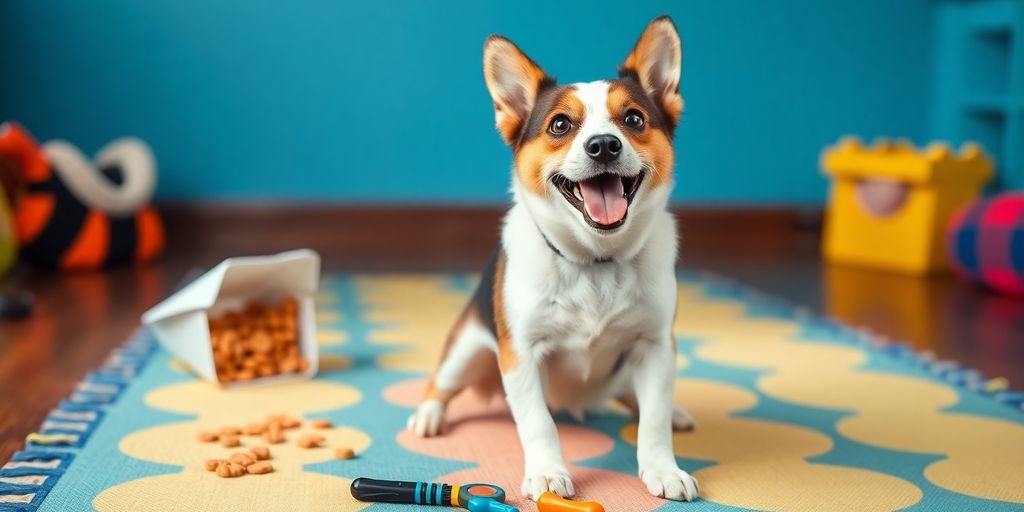
When it comes to teaching your dog new tricks, having the right tools can make all the difference. Let’s dive into some essentials that will set you and your furry friend up for success.
Choosing the Right Treats
Treats are a fantastic motivator for dogs. When picking treats, make sure they’re both tasty and healthy. Opt for small, bite-sized pieces so your dog can enjoy them without getting too full. Some dogs have specific dietary needs, so always check the ingredients. If you’re unsure, consult with your vet to find the best options for your pup.
Incorporating Clicker Training
Clicker training is a popular method that involves using a small device that makes a clicking sound to mark desired behaviors. This sound acts as a signal to your dog that they’ve done something right, followed by a treat. The clicker helps in creating a clear communication channel between you and your dog. Start by associating the click with a treat, and soon your dog will understand that the click means they did a good job.
Utilizing Hand Signals
Hand signals are a great way to reinforce verbal commands. Dogs are naturally observant, so pairing a hand gesture with a command can enhance their learning. Start with simple signals like an open palm for "sit" or a raised hand for "stay." Consistency is key—use the same signal every time to avoid confusing your dog.
"Training your dog isn’t just about teaching them tricks—it’s about building a bond and understanding between you and your pet. With the right tools and a bit of patience, you’ll both be on the path to success."
Remember, patience and consistency are your best friends in this journey. Whether you’re using treats, clickers, or hand signals, the goal is to make learning fun and rewarding for your dog. For more insights on effective dog training, check out Jonathan H. Lewis’s resources for practical tips and strategies.
Step-by-Step Guide to Easy Tricks
Teaching Your Dog to Sit
Teaching your dog to sit is one of the first tricks you should tackle. Start with a tasty treat in your hand to grab your dog’s attention. Hold it close to their nose, and then slowly move it upward, causing their head to follow the treat and their bottom to lower into a sitting position. As soon as they sit, say "sit" and give them the treat. Repeat this process a few times daily until they can sit on command without the treat.
Mastering the ‘Stay’ Command
Once your dog has learned to sit, the next step is teaching them to stay. Begin by asking your dog to sit. Once seated, show them your open palm and say "stay." Take a step back. If they remain seated, return and reward them with a treat. Gradually increase the distance and duration, always praising them for staying in place. Consistency is key here, so practice regularly.
Introducing the ‘Paw’ Trick
The ‘Paw’ trick is a fun way to engage your dog. Start by having your dog sit in front of you. Hold a treat in your hand and let them sniff it. Close your hand around the treat and say "paw." Most dogs will naturally try to paw at your hand to get the treat. When they do, open your hand and give them the treat while praising them. Repeat this until they can offer their paw on command.
Remember, patience and positive reinforcement are your best friends when teaching new tricks. Keep sessions short and enjoyable, ensuring your dog associates learning with fun.
To make training more engaging, consider using a target object to capture your dog’s attention. Play with the object and reward them when they interact with it, which can be a great way to build new skills.
Fun Tricks to Impress Your Friends
How to Teach ‘Roll Over’
Teaching your dog to "roll over" is a classic trick that never fails to impress. Start by getting your dog to lie down. Hold a treat close to their nose and slowly move it around their head toward their shoulder. As your dog follows the treat with their nose, they should naturally start to roll. Once they complete the roll, give them the treat and plenty of praise. Consistency is key, so repeat this process until they get it right.
Training Your Dog to ‘High Five’
"High five" is a simple yet charming trick that will make your dog the life of the party. Begin by having your dog sit. Hold a treat in your hand and show it to them. Use your other hand to gently tap one of their paws while saying "high five." When they lift their paw, even slightly, reward them with the treat. Practice this a few times, and soon your dog will be high-fiving like a pro.
The ‘Peekaboo’ Trick Explained
"Peekaboo" is a delightful trick where your dog peeks out from between your legs. To teach this, stand with your legs apart and call your dog from behind. Use a treat to guide them through your legs while saying "peekaboo." When they come through, give them the treat and lots of praise. This trick is not only fun but also helps in building your dog’s confidence.
Teaching your dog tricks is not just about showing off; it’s a great way to strengthen your bond and keep them mentally stimulated. Remember, patience and positive reinforcement are your best friends in this journey.
Advanced Tricks for the Ambitious Dog
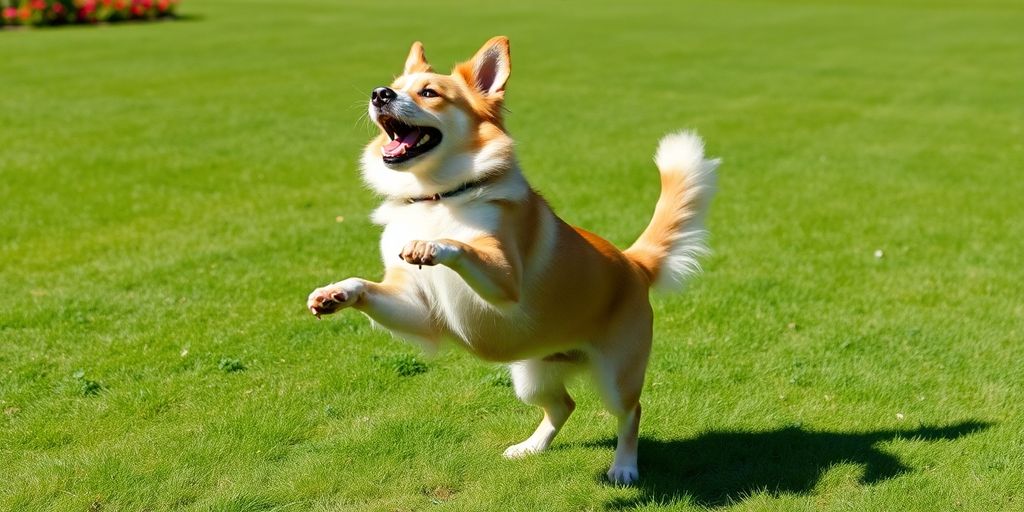
Teaching ‘Play Dead’
Ever wanted your dog to perform in a dramatic scene? Teaching ‘Play Dead’ can be a fun party trick. Start by having your dog lie down. Hold a treat close to their nose, then slowly move it over to their shoulder. As your dog follows the treat with their head, gently encourage them to roll onto their side. Use a verbal cue like "Bang!" or "Play dead" as they roll. Consistency is key—repeat this process until your dog associates the command with the action.
Mastering the ‘Spin & Twirl’
To get your dog to spin, you’ll need some patience and a few tasty treats. Begin with your dog standing in front of you. Hold a treat near their nose and slowly guide them in a circle. As they follow the treat, say "Spin" or "Twirl". Reward them once they complete the circle. Gradually phase out the treat and rely on the verbal command and hand signals. Practice makes perfect with this trick!
The Art of ‘Take a Bow’
‘Take a Bow’ is a charming trick that adds flair to your dog’s performance. Start with your dog in a standing position. Hold a treat in front of their nose and slowly lower it to the ground, encouraging them to bend their front legs while keeping their rear end up. Use the command "Bow" as they assume the position. Once they get it, reward them with the treat. This trick might take some time, but with persistence, your dog will be bowing like a pro!
Teaching advanced tricks not only impresses your friends but also strengthens the bond between you and your dog. It’s about having fun together and keeping your dog’s mind sharp.
Troubleshooting Common Training Challenges
Dealing with Distractions
Training your dog can be a bit like trying to focus on a book in a noisy cafe. Distractions are everywhere, and they can make it tough for your pup to learn. Keeping your training environment calm and focused is key. Start in a quiet room, free from toys, other pets, and loud noises. Gradually introduce distractions as your dog becomes more comfortable with the commands. If your dog seems overwhelmed, take a step back and simplify the task. Remember, patience is your best friend here.
Overcoming Fear and Anxiety
Some dogs are naturally anxious, and training can be a bit scary for them. It’s crucial to create a safe space where your dog feels comfortable. Start with simple commands and use gentle encouragement. Avoid raising your voice or showing frustration, as this can heighten their anxiety. Instead, try using treats and praise to build their confidence. Over time, your dog will associate training with positive experiences, reducing their fear.
Ensuring Consistency in Commands
Consistency is the backbone of effective dog training. Use the same words and gestures for each command to avoid confusing your dog. If you say "sit" today and "sit down" tomorrow, your dog might not understand they’re supposed to do the same thing. Keep a list of commands and stick to it. This way, everyone in the household uses the same language, making it easier for your dog to learn. Consistency isn’t just about words; it’s about actions too. Reward your dog immediately after they obey a command to reinforce the behavior.
Maintaining Your Dog’s Interest and Focus
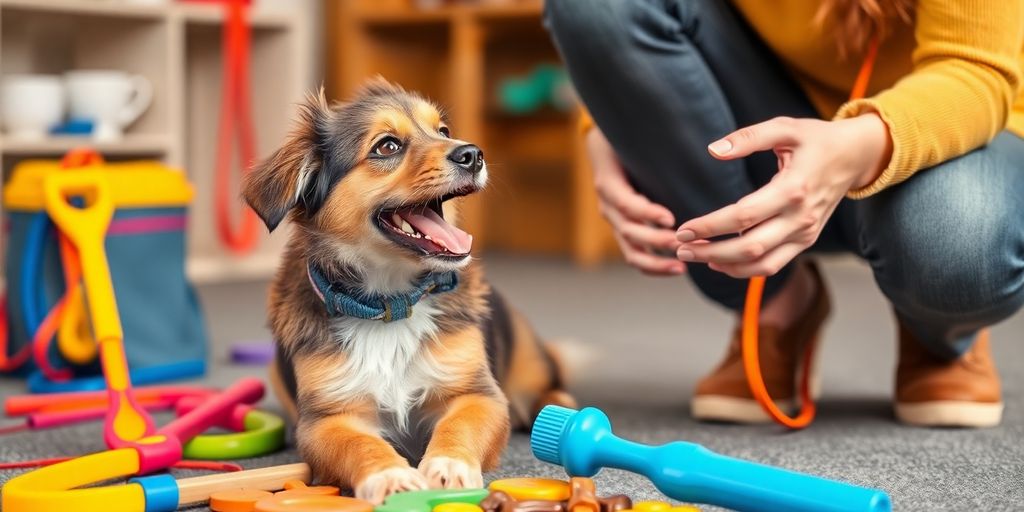
Keeping your dog engaged during training sessions is essential for effective learning. Let’s dive into some simple yet effective strategies to maintain their interest and focus.
Keeping Training Sessions Short and Fun
Dogs, much like us, can lose interest if tasks drag on for too long. Short, fun training sessions are key to keeping your dog’s attention. Aim for sessions that last no more than 10-15 minutes. This way, your dog stays eager and excited to learn without feeling overwhelmed. You can even end each session with a familiar command to leave on a high note, ensuring your dog remains enthusiastic for the next session. Effective dog training involves this very approach.
Incorporating Play into Training
Incorporating play into your training not only makes it more enjoyable for your dog but also strengthens your bond. Try turning commands into games by using toys or playtime as a reward. For example, after your dog successfully performs a trick, reward them with a quick game of fetch. This method not only reinforces the learning but also makes the process enjoyable for both you and your dog.
Recognizing When to Take Breaks
Just like people, dogs need breaks to stay fresh and focused. Pay attention to signs of fatigue or frustration, such as excessive yawning or disinterest. When you notice these signs, it’s time to take a break. Allow your dog some downtime to relax and recharge before resuming training. This ensures that each session is productive and keeps your dog eager to learn more.
Remember, the goal is to make training a positive experience for your dog. By keeping sessions short, fun, and incorporating play, you create an environment where your dog looks forward to learning and spending time with you.
To keep your dog engaged and focused, it’s important to mix things up during training. Use different games, toys, and treats to make each session exciting. This not only helps your dog learn better but also strengthens your bond. For more tips on how to keep your furry friend interested, visit our website!
Wrapping It Up: Your Dog’s New Tricks
So, there you have it! Teaching your dog new tricks isn’t just about showing off at the park—it’s about keeping their mind sharp and strengthening your bond. Remember, patience is key. Some days your pup might nail it, and other days, not so much. But that’s okay! Keep the sessions fun and light-hearted. Use those tasty treats as motivation, and don’t forget to celebrate the small wins. Before you know it, your dog will be the star of the neighborhood. Happy training!
Frequently Asked Questions
Why should I teach my dog new tricks?
Teaching your dog new tricks keeps their mind active and helps prevent boredom. It’s also a fun way to bond with your pet and improve their patience.
What are some easy tricks to start with?
Begin with simple commands like ‘sit,’ ‘stay,’ and ‘paw.’ These are natural behaviors for dogs and are usually easy for them to learn.
How can I keep my dog focused during training?
Create a distraction-free environment and use tasty treats as rewards. Short, fun training sessions are key to keeping your dog engaged.
What if my dog gets frustrated during training?
If your dog seems frustrated, take a break and try again later. Patience is important, and it’s okay to go at your dog’s pace.
Are some dog breeds easier to train than others?
Yes, some breeds are naturally more eager to learn and follow commands. However, with patience and the right approach, any dog can learn new tricks.
How often should I practice tricks with my dog?
Practice regularly but keep sessions short. Consistency is important, but it’s also crucial not to overwhelm your dog.