
House training a dog is one of those tasks that can seem a bit daunting at first, but with the right approach, it becomes a lot more manageable. It’s all about consistency, patience, and a little bit of know-how. Whether you’re dealing with a brand-new puppy or an older dog, setting up a routine and sticking to it is key. Add in some positive reinforcement, and you’re well on your way to success. Let’s dive into some of the essential tips and techniques to make house training a breeze.
Key Takeaways
- Consistency is key. Stick to a regular schedule for feeding and bathroom breaks.
- Crate training can be a helpful tool for establishing bathroom habits.
- Positive reinforcement, like treats and praise, goes a long way in teaching your dog where to go.
- Accidents will happen. Clean them up promptly and without fuss to avoid repeat offenses.
- Troubleshooting is part of the process. Be patient and adjust your approach as needed.
Establishing a Consistent Routine
Creating a routine is key when you’re house training a dog. Dogs thrive on predictability, much like how we feel comfortable knowing our daily schedule. Consistency is your best friend in this journey.
Creating a Feeding Schedule
Start by setting up a regular feeding schedule. Avoid free feeding, where food is always available, as it makes it harder to predict when your pup needs to go. Instead, feed your dog at the same times each day. This not only helps with digestion but also makes bathroom breaks more predictable. A regular feeding schedule can significantly ease the potty training process.
Timing Bathroom Breaks
Timing is everything. Puppies, especially, need frequent bathroom breaks. A good rule of thumb is to take them out:
- First thing in the morning and last thing at night
- After meals, playtime, or naps
- Every couple of hours during the day
This might mean frequent trips outside, but it helps your dog learn when and where it’s appropriate to go.
Recognizing Potty Signals
Learn to recognize your dog’s potty signals. These can include sniffing around, circling, or suddenly stopping what they’re doing. Each dog is different, so spend some time observing your pup to understand their unique signals. Being attentive to these signs can prevent indoor accidents and reinforce good habits.
Establishing a consistent routine isn’t just about timing; it’s about building a mutual understanding with your dog. This routine helps your dog feel secure and gradually reduces the chances of accidents. Remember, patience and consistency are essential. With time, your dog will learn to anticipate the routine and respond positively.
Crate Training: The Foundation of House Training
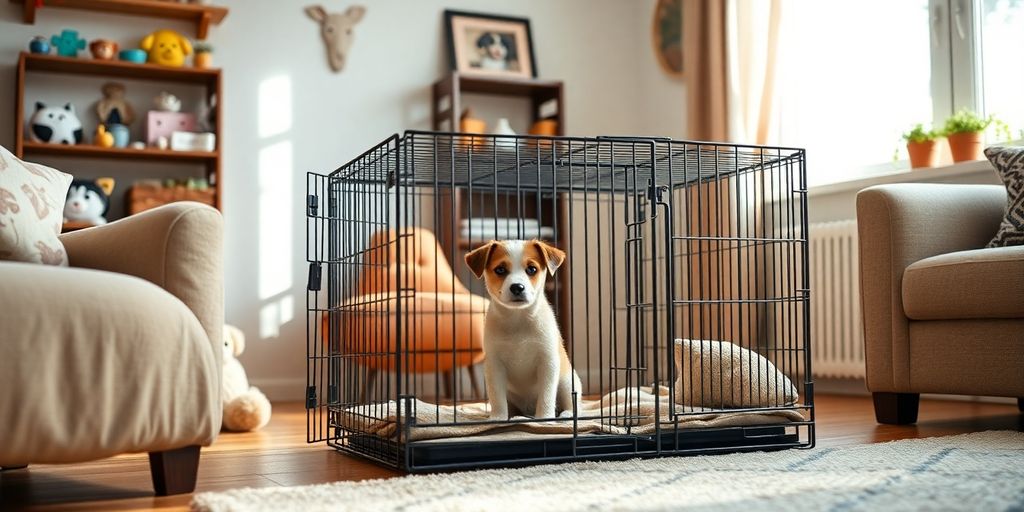
Crate training is like giving your dog their very own little den—a safe, cozy spot where they can feel secure. This method is not just about confinement; it’s about creating a positive environment for your pup to relax and learn. Let’s explore how to make crate training an effective foundation for house training.
Choosing the Right Crate Size
Choosing the right crate size is super important. You want your dog to be able to stand, turn around, and lie down comfortably. If the crate is too big, your dog might decide that one corner is a bathroom and the other is a bedroom. Many crates come with dividers, which are handy as your puppy grows.
Introducing the Crate Positively
The first introduction to the crate can set the tone for how your dog will feel about it. Make it inviting by placing soft bedding inside and maybe a favorite toy. Encourage your dog to enter the crate on their own by using treats and gentle praise. Patience is key here; let them explore and get comfortable at their own pace.
Gradually Increasing Crate Time
Start with short periods in the crate, just a few minutes at a time, and gradually increase the duration. This helps your dog get used to being in the crate without feeling abandoned. Always make sure the experience is positive, with plenty of rewards for calm behavior.
Using a crate effectively can help your puppy learn to "hold it" until they’re outside, which is a huge step in house training success. Remember, it’s not just about keeping them contained—it’s about teaching them where and when to go.
Crate training isn’t just about keeping your dog out of trouble when you’re not watching. It’s about building a sense of structure and routine that will make house training much easier. For more tips on crate training, such as ensuring they receive adequate exercise, keep reading our guide!
Positive Reinforcement: Building Good Bathroom Habits
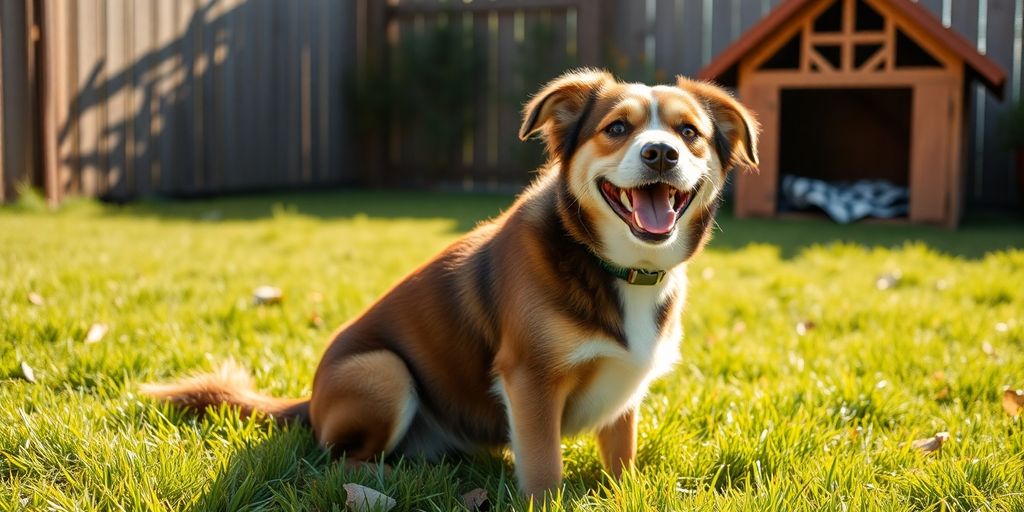
Using Treats and Rewards
Every dog loves a treat, and using them wisely can make a big difference in house training. Each time your pup successfully does its business outside, reward it with a small treat. Think of it like giving a child a cookie for doing their chores. This simple act sends a clear message: "You did good!" Make sure the treats are small and easy to digest, so your dog doesn’t fill up too quickly.
Verbal Praise and Affection
Words can be powerful, especially when it comes to training your dog. Shower your pup with verbal praise and affection whenever it uses the bathroom outside. A simple "Good job!" or "You’re such a good dog!" can go a long way. Dogs thrive on positive attention, and by reinforcing their good behavior with your voice, you’re helping to build a strong habit.
Clicker Training for House Training
Clicker training adds another layer to positive reinforcement. When your dog eliminates in the right spot, use a clicker to mark the exact moment. Follow the click with a treat and some praise. This method helps your dog associate the click with a job well done, making it more likely they’ll repeat the behavior in the future. It’s like giving them a thumbs up at the exact right time.
Handling Accidents: Prevention and Cleanup Strategies
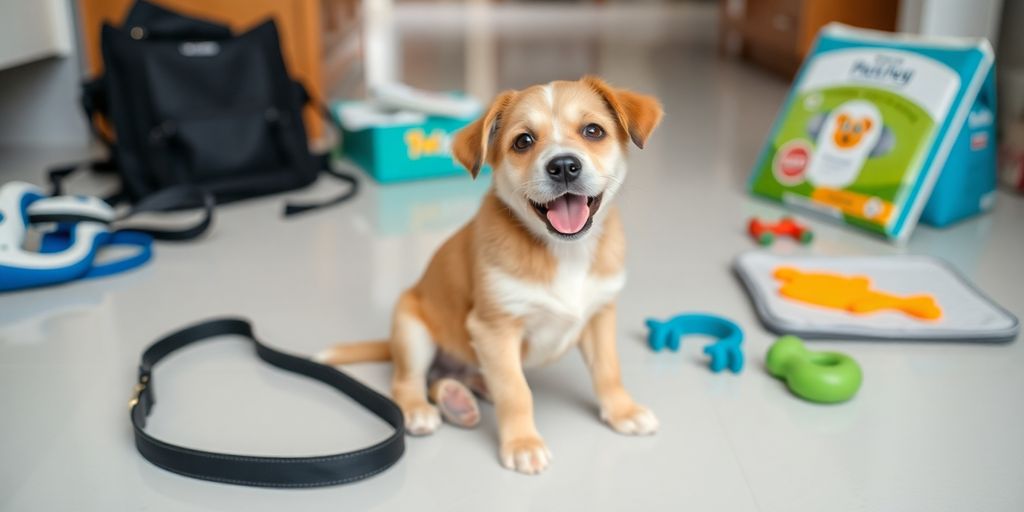
Accidents are just part of the deal when you’re house training a dog. But don’t worry, there are ways to handle them without losing your cool.
Recognizing Potty Signals
Understanding when your dog needs to go is key. Look for signs like circling, sniffing, or getting restless. These are your cues to take them outside immediately. Being attentive to these signals can prevent many accidents.
Interrupting Indoor Accidents
If you catch your pup mid-accident, stay calm. Use a firm "No!" to interrupt them, then quickly guide them to their designated potty spot. This helps reinforce where they should go. Remember, it’s about guiding, not punishing.
Effective Cleaning Techniques
Cleaning up after an accident is more than just wiping up a mess. You need to remove all traces of odor to prevent repeat offenses. Enzymatic cleaners are your best friend here—they break down the smell completely. Odor removal is crucial because dogs have a keen sense of smell, much stronger than ours. A thorough clean ensures they won’t think it’s okay to go there again.
Accidents are inevitable, but with patience and consistency, you can minimize them. Remember, your dog is learning, and every accident is an opportunity to guide them towards the right behavior.
For more on handling accidents and building good bathroom habits, check out effective potty training techniques.
Troubleshooting Challenges in House Training
Dealing with Regression in Training
Sometimes, just when you think your pup has got the hang of it, they might start having accidents again. This is known as regression. It’s normal, so don’t panic. Stay calm and stick to your routine. Go back to the basics and reinforce those positive habits. Consistency is key, and with a bit of patience, you’ll get back on track.
Addressing Separation Anxiety
Separation anxiety can throw a wrench in house training. If your dog feels anxious when left alone, they might have accidents. Start by leaving them alone for short periods and gradually increase the time. Give them engaging toys and create a cozy space where they feel safe. This helps ease their anxiety and reduces accidents.
Eliminating Marking Behavior
Marking behavior can be tricky. Your dog might urinate in small amounts to leave their scent. Make sure they get plenty of exercise and mental stimulation to curb this behavior. Keep an eye on them indoors and gently interrupt any marking attempts with a calm "No!" Redirect them outside to their designated potty spot. Crate training can also help manage marking tendencies.
House training isn’t always a smooth ride, but with patience and persistence, you can overcome these challenges. Remember, your dog’s success is a journey, not a destination. Keep encouraging them, and soon enough, you’ll both be celebrating those small victories.
Maintaining Success: Long-Term Strategies for a Well-Trained Dog
Consistent Meal and Potty Times
Keeping a regular schedule is key to maintaining your dog’s training success. Consistency in meal times and potty breaks helps your dog understand what to expect and when. This routine not only aids in digestion but also reinforces good bathroom habits. You might consider setting specific times for feeding and then taking your dog outside about 15-30 minutes after eating. This method helps them associate mealtime with potty time, making it easier for them to hold their bladder until it’s appropriate.
Ongoing Socialization and Training
Even after your dog has mastered the basics, ongoing socialization is crucial. Regular interactions with other dogs and different environments keep your dog well-adjusted and happy. Consider enrolling in advanced training classes or participating in dog sports. These activities not only challenge your dog mentally but also strengthen your bond. Keep practicing basic commands like sit, stay, and come, and introduce new tricks to keep their mind sharp.
Adjusting to New Environments
Dogs thrive on routine, but life can be unpredictable. When you introduce your dog to a new environment, whether it’s a new home or a vacation spot, maintain their schedule as much as possible. Bring familiar items like their bed or favorite toys to help them feel secure. Gradually introduce them to new spaces and always supervise their first few interactions. If your dog seems anxious or confused, return to basics with commands and rewards to reassure them.
A well-trained dog brings joy and harmony to your home, but remember, training is a lifelong journey. By maintaining a consistent routine, encouraging socialization, and adapting to changes, you’re setting the stage for a happy, well-adjusted pet.
To keep your dog well-trained and happy for years to come, it’s important to stick to some smart strategies. Regular practice, positive reinforcement, and staying patient are key. For more tips and resources, visit our website and discover how to make training fun and effective!
Conclusion
So, there you have it! House training your dog might seem like a big task, but with the right approach, it’s totally doable. Just remember, patience is your best friend here. Stick to a routine, keep things positive, and don’t sweat the small stuff. Accidents will happen, but they’re just part of the learning curve. With time, your pup will get the hang of it, and you’ll both enjoy a cleaner, happier home. Good luck on your house training journey!
Frequently Asked Questions
How long does it usually take to house train a puppy?
House training a puppy can take a few weeks to several months, depending on the puppy’s age, consistency in training, and individual temperament. Patience and consistency are key.
What should I do if my puppy has an accident inside?
If your puppy has an accident inside, calmly interrupt them if you catch them in the act and take them outside to their potty spot. Clean the mess with an enzymatic cleaner to remove any lingering odor.
Is crate training necessary for house training?
Crate training isn’t mandatory but can be very helpful. It provides a safe space for your puppy and helps them learn to hold their bladder, as dogs naturally avoid soiling their sleeping area.
How can I tell when my puppy needs to go potty?
Watch for signs like circling, sniffing, whining, or heading towards the door. Taking your puppy out regularly, especially after meals and naps, can also prevent accidents.
What if my puppy keeps having accidents at night?
If your puppy has accidents at night, consider taking them out for a bathroom break before bedtime and possibly once during the night. Puppies have small bladders and may need more frequent breaks.
Can adult dogs be house trained using the same methods?
Yes, adult dogs can be house trained using similar methods. It might take a bit longer than with puppies, but with consistency and positive reinforcement, they can learn where to go potty.