
Teaching your dog new tricks is a fun way to bond and keep them mentally sharp. One of the most popular tricks is teaching your dog to roll over. It’s not just about showing off; it’s a great exercise in obedience and trust. But how do you get started? Don’t worry, we’ve got you covered. From setting the right environment to step-by-step instructions, we’ll guide you through the process. Plus, we’ll give you tips on overcoming common hurdles and adding some flair to the trick. Ready to make your pup the star of the dog park? Let’s dive in!
Key Takeaways
- Start with basic commands before moving to tricks.
- Use treats as motivation and reward for your dog.
- Be patient; every dog learns at their own pace.
- Create a comfortable space for training sessions.
- Celebrate small victories to keep morale high.
Understanding the Basics of Dog Training
Importance of Basic Commands
Teaching a dog basic commands is like giving them the ABCs of communication. Commands such as "sit," "stay," and "come" are foundational and help in managing a dog’s behavior effectively. These basic commands are crucial for safety, especially in public spaces. They also foster a sense of discipline and understanding between you and your furry friend. Without these basics, jumping into complex tricks can be like trying to run before you can walk.
Building a Strong Foundation
A solid training foundation is built on consistency and patience. Dogs thrive on routine, so keeping training sessions short and regular helps in reinforcing good behavior. It’s also important to be patient. Not every dog learns at the same pace, and some may need more time to grasp certain concepts. Building a strong foundation ensures that your dog feels secure and confident, paving the way for more advanced tricks later on.
Using Positive Reinforcement
Positive reinforcement is the heart of effective dog training. By rewarding your dog with treats, praise, or playtime when they perform a desired behavior, you encourage them to repeat it. This method not only motivates your dog but also strengthens your bond. Using positive reinforcement makes the learning process enjoyable and less stressful for your pet. Remember, a happy dog is a willing learner, and positive reinforcement is key to achieving that.
Preparing Your Dog for the Roll Over Trick
Choosing the Right Environment
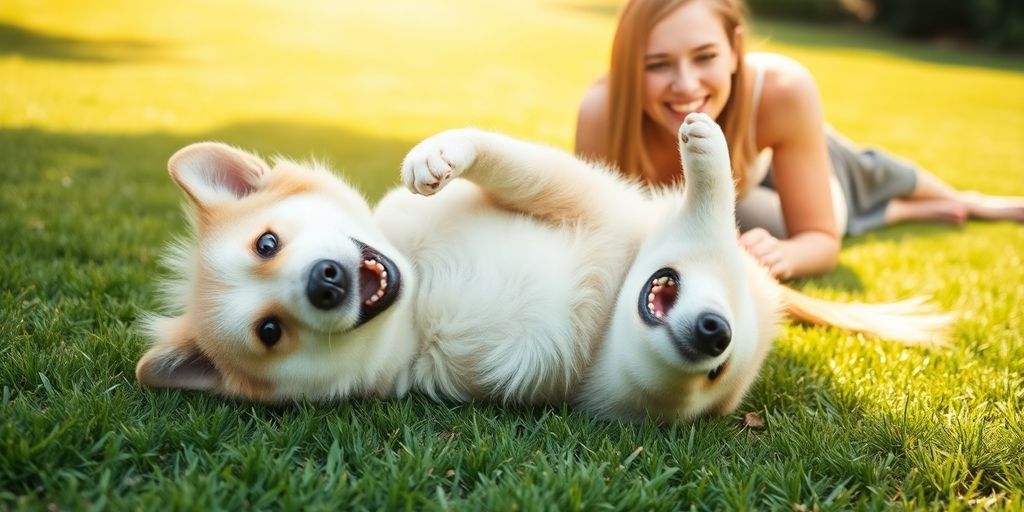
Creating the perfect setting is crucial when teaching your dog new tricks. Pick a quiet place, free of distractions, where your pup can focus on you without interruptions. This could be a familiar room at home or a secluded spot in the backyard. The key is to ensure your dog feels safe and relaxed in this environment, so they can concentrate on learning.
Gathering Necessary Supplies
You’ll need a few essentials to get started. First, grab some tasty treats that your dog loves—these will be your primary tool for encouraging and rewarding them. You might also want a clicker if you use clicker training, as it can help signal to your dog when they’re doing the right thing. Finally, have a comfortable mat or blanket on hand, especially if you’re working on a hard surface. This will make it easier for your dog to roll over without any discomfort.
Ensuring Your Dog’s Comfort
Before diving into training, make sure your dog is physically comfortable and not too tired or hungry. It’s important that they are in a good mood and ready to engage. Keep sessions short, around 10-15 minutes, to prevent your dog from getting bored or frustrated. Remember, patience is your best friend here. Training should be fun for both you and your dog, so keep it light-hearted and enjoyable.
Step-by-Step Guide on How to Teach a Dog to Roll Over
Starting with the Down Position
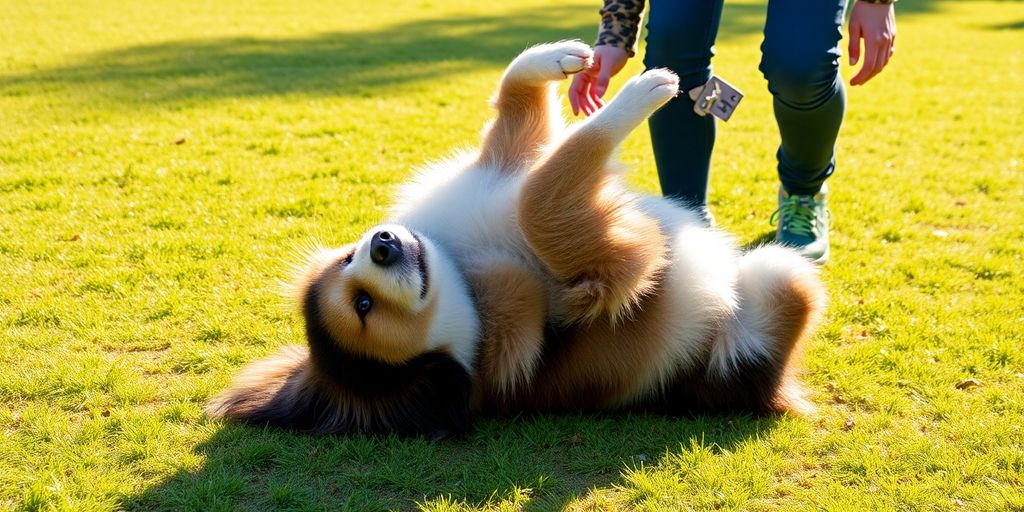
To get started, make sure your dog is in a relaxed, down position. This is crucial because it sets the stage for the roll over trick. You might want to remind them of basic commands like "sit" or "stay" if they seem too excited.
Using Treats as Lures
Treats are your best friends here. Hold a treat close to your dog’s nose and slowly move it over their head towards their shoulder. This motion should naturally encourage your dog to follow the treat and begin to roll. Keep your movements slow to ensure they don’t get confused. Remember, every small attempt deserves a reward.
Incorporating Verbal Commands
As your dog begins to roll, introduce the verbal cue "roll over". Consistency is key, so make sure you use the same phrase each time. Pairing the verbal command with a hand signal can help reinforce the action. Always follow up with praise or a treat to reinforce the behavior.
Training takes time and patience. Celebrate small victories and don’t be discouraged by setbacks. Every dog learns at their own pace, so keep the sessions light and fun.
Common Challenges and How to Overcome Them
Dealing with Stubborn Dogs
Training a stubborn dog can feel like a never-ending battle, but with the right approach, you can make progress. Start by identifying what motivates your dog. For some, it might be a tasty treat; for others, a favorite toy or praise could do the trick. Consistency is key—stick to a training schedule and remain patient. If your dog resists, try breaking down the trick into smaller steps and reward each success. Remember, patience and persistence will eventually pay off.
Adjusting for Senior Dogs
Teaching an older dog new tricks might require a bit more creativity. Senior dogs may have physical limitations, so it’s important to adjust your training methods accordingly. Use softer surfaces for training to protect their joints, and keep sessions short to avoid fatigue. Be mindful of any health issues and consult your vet if necessary. Gentle encouragement and positive reinforcement are crucial when working with older dogs. They might take longer to learn, but they can still enjoy the process and the sense of accomplishment.
Handling Physical Limitations
Some dogs may have physical limitations that make certain tricks more challenging. It’s important to tailor your approach to suit their needs. For dogs with mobility issues, focus on tricks that don’t require much movement, like "shake" or "speak." If your dog has visual or hearing impairments, rely more on touch signals or visual cues. By adapting your training techniques, you can help your dog succeed and boost their confidence.
Training a dog, regardless of age or physical ability, is about finding what works best for them. It’s not about perfection but about building a stronger bond and having fun together.
For more ideas on how to train your pet to perform popular dog tricks, consider exploring various techniques and adapting them to your dog’s unique personality and needs.
Enhancing the Roll Over Trick with Advanced Techniques
Adding the Play Dead Command
Once your dog has nailed the roll over, it’s time to introduce a bit of drama with the play dead command. Start with your dog in a down position. Hold a treat near their nose, then slowly move it towards their shoulder. This will encourage them to roll onto their back. As they do, cue them with the words "play dead." Reward them once they’re lying still on their back. It’s a fun trick that will surely impress your friends.
Incorporating Spin Moves
Spinning is like a dance move for dogs, and it’s a great follow-up to the roll over. Stand in front of your dog with a treat in your hand. Move your hand in a circular motion while saying "spin." Reward them once they complete a full circle. Keep it light and fun, and soon your dog will be spinning like a pro.
Creating a Trick Routine
Why stop at just one trick? Combine roll over, play dead, and spin into a routine that showcases your dog’s skills. Start with the roll over, transition to a spin, and finish with play dead. Practice each part separately, then put them together. Consistency is key—make it a regular part of your training sessions. Soon, your dog will be the star of the show!
Maintaining Consistency and Patience in Training
Setting Realistic Goals
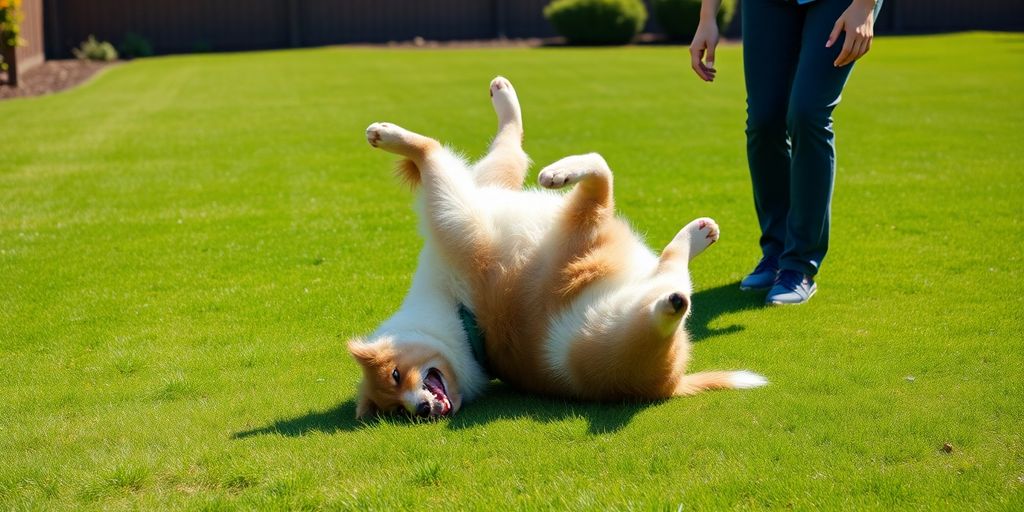
Setting achievable goals is key when training your dog. You can’t expect your furry friend to master a new trick overnight. Start with small, manageable objectives and gradually increase the complexity. This way, your dog won’t feel overwhelmed, and you’ll both enjoy the process more. Remember, it’s a marathon, not a sprint.
Tracking Progress
Keeping track of your dog’s progress is essential. Not only does it help you see how far you’ve come, but it also highlights areas that may need more work. Consider using a simple chart or journal to note down each session’s successes and challenges. This way, you can adjust your approach as needed and celebrate the milestones together.
| Session Number | Trick Attempted | Success Rate (%) | Notes |
|---|---|---|---|
| 1 | Roll Over | 30 | Needs more practice with the down position |
| 2 | Roll Over | 50 | Responding better to treats |
| 3 | Roll Over | 70 | Starting to understand verbal commands |
Celebrating Small Wins
Every little success deserves a celebration. Whether it’s your dog finally sitting on command or rolling over halfway, these small victories build your dog’s confidence. Rewarding these wins with treats, praise, or playtime reinforces positive behavior and keeps your dog motivated.
Training a dog is not just about achieving the end goal but enjoying the journey together. Embrace each moment, even the challenging ones, as they strengthen your bond with your pet.
By maintaining consistency and patience, you’re setting your dog up for success. Training becomes a fun and rewarding activity for both of you, leading to a happier, more obedient pet. For more on establishing a routine, check out regular potty breaks.
The Benefits of Teaching Your Dog to Roll Over
Strengthening the Human-Dog Bond
Teaching your dog to roll over isn’t just about showing off a cute trick. It’s a wonderful way to strengthen the bond between you and your furry friend. When you engage in training sessions, you communicate more effectively and learn to understand each other better. This process of shaping, luring, and capturing behaviors builds trust and reinforces your relationship.
Providing Mental Stimulation
Dogs need mental exercise just as much as physical activity. Teaching them to roll over keeps their minds sharp and engaged. This trick challenges their cognitive abilities and helps prevent boredom. A mentally stimulated dog is generally happier and less likely to develop behavioral issues.
Boosting Your Dog’s Confidence
Learning new tricks like rolling over can significantly boost your dog’s confidence. As they master each step, they gain a sense of accomplishment and pride. This newfound confidence can reduce anxiety and stress, making them more adaptable in different situations.
Training is not just about the trick itself; it’s about the journey you and your dog take together. Each command learned is a step towards a stronger bond, a sharper mind, and a more confident pup.
Teaching your dog to roll over is not just a fun trick; it has many benefits! This skill can help improve your dog’s overall obedience and strengthen the bond between you two. Plus, it’s a great way to keep your dog mentally stimulated and engaged. If you want to learn more about effective dog training techniques, visit our website for helpful resources and courses!
Conclusion
Teaching your dog to roll over is more than just a fun trick—it’s a way to bond and communicate with your furry friend. Sure, it might take a bit of patience and a lot of treats, but the joy on your dog’s face when they finally get it is totally worth it. Remember, every dog learns at their own pace, so don’t stress if it takes a little longer than expected. Keep the sessions light and fun, and celebrate the small victories along the way. With time, practice, and a lot of love, your dog will be rolling over like a pro, and you’ll both have a great time doing it.
Frequently Asked Questions
How long does it usually take to teach a dog to roll over?
It often takes a few weeks of daily practice for a dog to learn to roll over, but this can vary depending on the dog’s age, breed, and previous training experience.
What should I do if my dog doesn’t seem interested in learning new tricks?
Try using different treats or toys as rewards, and keep training sessions short and fun. If your dog still isn’t interested, it might be helpful to consult a professional trainer.
Can older dogs learn to roll over, or is it just for puppies?
Older dogs can definitely learn new tricks, including rolling over. However, it might take more time and patience, especially if the dog has any physical limitations.
What if my dog has physical limitations and can’t roll over completely?
If your dog has physical limitations, you can modify the trick to suit their abilities. Focus on small movements and celebrate any progress they make.
Is it okay to use verbal commands while teaching my dog to roll over?
Yes, using verbal commands like ‘roll over’ can help your dog understand what you want them to do. Be consistent with the words you use.
How can I make sure my dog stays motivated during training?
Use positive reinforcement like treats and praise, keep sessions short, and always end on a positive note. This will help your dog stay eager to learn.