
Getting your dog ready for competitions isn’t just about teaching them tricks. It’s about building a strong partnership. Whether you’re aiming for agility trials or obedience shows, it’s important to know where to start. This guide will walk you through the key steps to prepare your dog for the competitive world.
Key Takeaways
- Start with basic obedience commands and build up from there.
- Use positive reinforcement to keep your dog motivated.
- Train your dog in different environments to boost their confidence.
- Join local dog clubs to connect with experienced trainers.
- Practice regularly to keep your dog sharp and ready for competitions.
Building a Strong Foundation: Essential Skills for Competitive Training
Understanding Basic Commands and Obedience
Before you even think about the show ring, you gotta nail the basics. Teaching your dog basic commands like "sit," "stay," and "come" creates a solid base for more advanced tricks. Think of it like learning the alphabet before writing essays. These commands aren’t just for show; they’re practical for everyday life too. Consistency is key here. Practice these commands daily, and make sure everyone in the household is on the same page. Obedience isn’t just about control—it’s about safety and building a relationship.
The Role of Positive Reinforcement
Positive reinforcement is like magic in dog training. Dogs love rewards, and when they associate a command with something good, they’re more likely to repeat it. Treats, praise, or a favorite toy can all be great motivators. It’s important to reward immediately so your dog links the action with the reward. Over time, you’ll see your dog responding eagerly and happily to commands. And remember, patience is your friend. Mistakes will happen, but they are part of the learning process.
Establishing Clear Communication with Your Dog
Clear communication with your dog is more than just commands. It’s about understanding each other. Dogs pick up on body language and tone of voice, so keep your signals consistent. If you say "sit" with a calm voice, don’t suddenly yell it in excitement. Your dog will get confused. Also, watch your dog’s cues. Are they wagging their tail or looking stressed? Learning to read these signals will help you communicate better.
Building a strong foundation in training is not just about commands; it’s about creating a bond of trust and understanding that will last a lifetime.
The Art of Handling: Mastering Techniques for the Show Ring
Perfecting Leash Control and Body Language
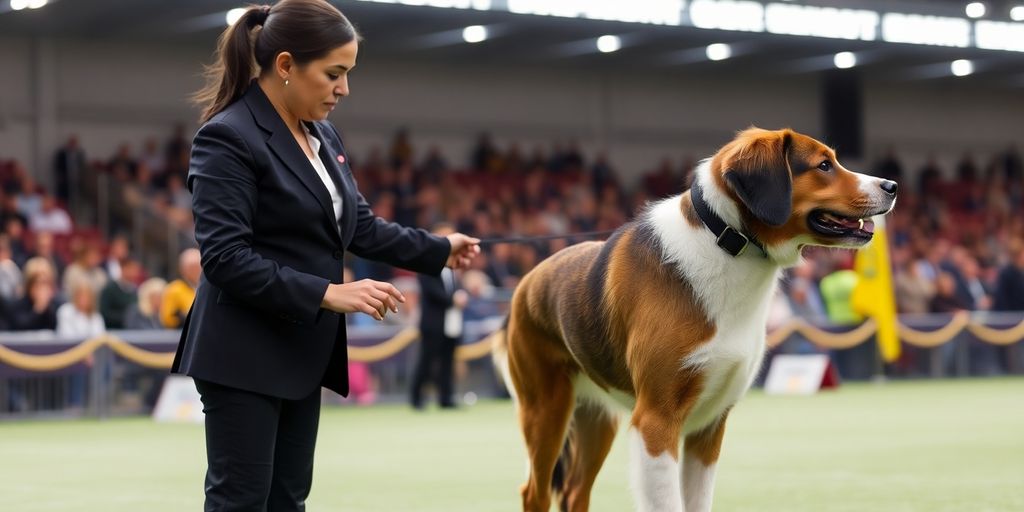
Handling a dog in a show ring isn’t just about walking in circles; it’s about creating a seamless connection between you and your dog. Leash control is key. The leash should be an extension of your arm, guiding your dog gently without tension. Practice makes perfect, so spend time walking your dog with a loose leash in various settings. Equally important is body language. Dogs are keen observers; they pick up on your posture and movements. Stand tall, be confident, and move with purpose. Your dog will mirror your calm and assertive demeanor.
Timing and Precision in Commands
Timing can make or break your performance in the show ring. Commands should be given with precision, and your dog should respond immediately. This requires consistent practice. Use clear, concise commands and ensure your dog is familiar with each one. Consistency is the secret sauce. Practice in different environments to ensure your dog listens regardless of distractions. And remember, the reward for your dog’s good performance isn’t just about treats; it’s about your praise and affection.
Staying Calm and Confident Under Pressure
The show ring can be a high-pressure environment for both you and your dog. Staying calm is crucial. Take deep breaths and focus on your dog, not the judges or the crowd. Your dog senses your energy, so maintaining a calm demeanor helps them stay relaxed and focused. If things don’t go as planned, don’t stress. Every experience is a learning opportunity. Keep the atmosphere positive and rewarding for your dog, reinforcing their behavior with affection and praise.
Remember, the show ring is just one part of your journey with your dog. It’s about building a bond and enjoying the process together. Every step, every command, and every show is a chance to grow as a team.
Preparing for the Big Day: Training and Conditioning
Training in Diverse Environments
When gearing up for a competition, it’s crucial to expose your dog to a variety of environments. This prepares them for the unexpected and helps reduce sensitivity to new surroundings. Train in parks, busy streets, and even unfamiliar indoor spaces to get your dog comfortable with different sights, sounds, and smells. This adaptability is key in ensuring your dog remains focused and obedient, no matter the setting.
- Choose varied locations: Mix up your training spots to include quiet parks, bustling streets, and different indoor venues.
- Simulate competition conditions: Practice with distractions similar to those in a show, like other dogs and people.
- Regular short sessions: Consistent, brief training sessions in new environments can make a huge difference.
Grooming and Presentation Tips
Grooming is more than just making your dog look good; it’s about enhancing their natural features and ensuring they meet the competition standards. Regular grooming sessions also help your dog get used to being handled, which is vital for show day.
- Regular grooming: Schedule consistent grooming sessions to keep your dog’s coat in top condition.
- Practice presentation: Work on stacking and gaiting, ensuring your dog stands and moves correctly.
- Final touches: On the day of the competition, do a last-minute check to ensure everything is perfect.
Understanding Competition Rules and Criteria
Knowing the rules of the competition is as important as the training itself. Each event has specific criteria that judges use to evaluate the dogs. Familiarize yourself with these to avoid any surprises on the big day.
- Study the rulebook: Make sure you understand the judging criteria and any specific rules for the event.
- Attend a show: If possible, watch a competition as a spectator to get a feel for the environment and process.
- Prepare for the unexpected: Be ready to adapt to last-minute changes or challenges during the competition.
Preparing for a dog competition is more than just training your dog; it’s about building a partnership. The bond you strengthen through training will shine on the big day, making the experience rewarding for both you and your furry friend.
Advanced Training Techniques: Elevating Your Dog’s Performance
Breaking Down Complex Agility Sequences
Agility training is a game-changer for competitive dogs. Start by teaching your dog basic commands like "sit," "stay," and "come." These will be the building blocks for more advanced agility moves. When you’re ready to tackle complex sequences, break them down into smaller, manageable parts. This approach helps your dog understand each part of a sequence before putting it all together. Remember, patience is key. Taking your time with each step ensures your dog truly masters the sequence.
Using Specialized Training Equipment
The right equipment can make a world of difference in training. Consider investing in agility-specific gear like jumps, tunnels, and weave poles. These tools are designed to challenge your dog’s agility skills and improve their performance. High-quality gear not only enhances training but also ensures your dog’s safety. Make sure the equipment suits your dog’s size and breed to avoid any mishaps.
Incorporating Advanced Handling Techniques
Handling is an art form in the world of dog competitions. As you gain experience, start integrating advanced techniques into your routine. This could mean refining your dog’s response to subtle cues or mastering complex command sequences. Advanced tools, like specialized agility equipment, can aid in honing these skills.
Staying calm and focused under pressure can dramatically affect your dog’s performance. Your energy directly impacts your dog’s behavior, so keep your cool even in high-stress situations.
To learn more about comprehensive insights into dog show training, covering essential techniques from basic to advanced levels, check out this guide.
Socialization and Exposure: Key to a Confident Competitor
Introducing Your Dog to New Environments
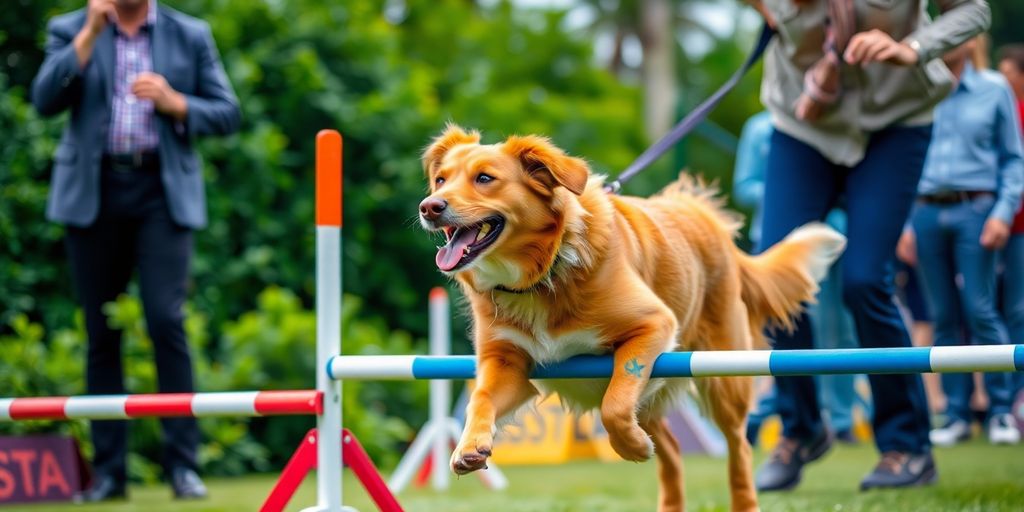
Taking your dog to new places is like giving them a passport to confidence. The more they see, the less they’ll be fazed by surprises. Try visiting different parks, neighborhoods, or even pet-friendly stores. Consistency is key here. Short, daily excursions can help your dog get used to unfamiliar sights, sounds, and smells. This helps them stay calm and collected, especially in the hustle and bustle of a competition.
Building Focus and Obedience in Public
Public spaces are full of distractions. Practicing commands like "sit," "stay," and "come" in these environments can really test your dog’s focus. Start simple and gradually up the ante. Use treats or toys as rewards. Your dog will learn that listening to you, even when there’s a lot going on, is worthwhile. This kind of training builds a strong bond between you and your dog, making them more obedient and attentive.
Practicing the "Watch Me" Command
This command is a game-changer. It teaches your dog to maintain eye contact with you, which is crucial in a show ring. Begin in a quiet setting and reward them for brief eye contact. Gradually increase the duration and introduce distractions. With time, your dog will learn to focus on you, ignoring everything else around them. This skill is not just useful for shows but also helps in everyday life, keeping your dog’s attention on you when it matters most.
"A well-socialized dog is like a seasoned traveler, unfazed by the hustle and bustle of new places and faces. Their confidence shines, making them a joy to be around, whether in the show ring or at home."
For more on managing behaviors like barking or lunging, check out our guide on effective strategies for socializing reactive dogs.
Finding Support: Mentorship and Community in Dog Competitions
Connecting with Experienced Handlers
Meeting seasoned handlers and breeders can be a game-changer for anyone new to dog competitions. These folks have been around the block and can offer insights that you just can’t get from a book. Start by attending dog shows and introducing yourself. Be respectful of their time—avoid chatting them up when they’re prepping for a show, but they’re usually more than happy to share tips during downtime. You can even find top trainers on platforms like Sniffspot. Building these connections can lead to lasting friendships and a wealth of knowledge.
The Importance of a Support Network
A solid support network is like having a safety net. It’s not just about having people to cheer you on; it’s about having folks who understand the ups and downs of dog competitions. Consider joining local clubs or online forums where you can share experiences and advice. This network becomes invaluable when you’re facing challenges or need a bit of encouragement.
Learning from Mentors and Peers
Finding a mentor can be one of the best decisions you make. A good mentor offers personalized advice and helps you avoid common pitfalls. They can guide you through the nuances of breed standards and show techniques. Sometimes, just having someone to bounce ideas off can make all the difference. Don’t underestimate the power of learning from your peers, too. Sharing experiences with others who are in the same boat can provide fresh perspectives and new strategies.
Mock Judging and Ringcraft: Practicing for Perfection
Attending Match Shows for Experience
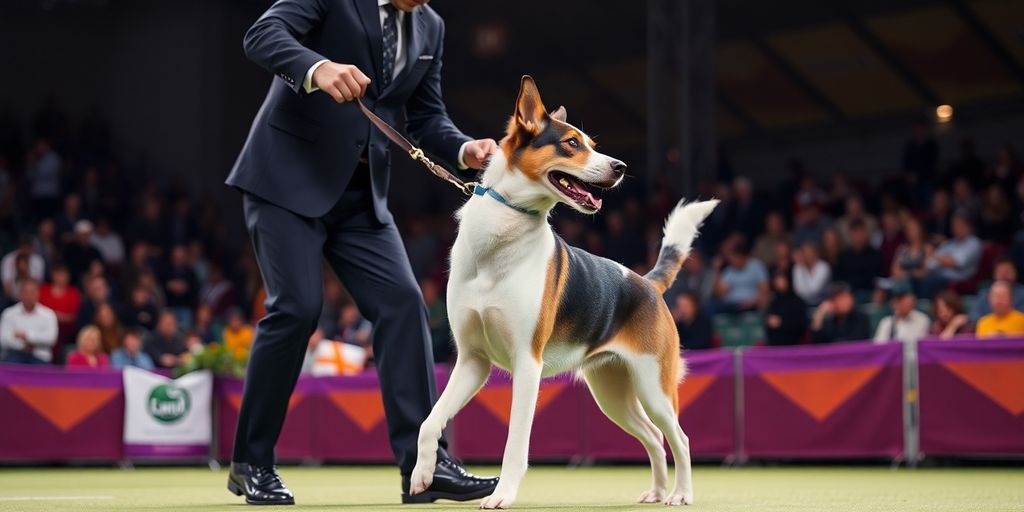
Match shows are like the dress rehearsals of the dog show world. They offer a relaxed setting where you and your dog can practice without the pressure of formal judging. These events are invaluable for getting your dog used to the hustle and bustle of a real show. Think of them as a playground for honing your skills. Here, you can test your dog’s reactions to new environments and see how they handle the excitement of a crowd. Plus, it’s a great way to meet other handlers and exchange tips.
Participating in Ringcraft Classes
Ringcraft classes focus on teaching both you and your dog the ins and outs of the show ring. These classes are all about discipline and technique. You’ll learn how to present your dog in the best possible light, from perfecting their gait to ensuring they stand correctly. The instructors, often seasoned handlers themselves, provide insights that can be game-changers in competition. Regular attendance can drastically improve your dog’s performance and your confidence as a handler.
Feedback and Improvement from Practice
Constructive feedback is key to improvement. At match shows and ringcraft classes, you’ll receive insights from judges and instructors that highlight areas for improvement. Create a list of feedback points and work on them systematically. Here are a few steps to effectively use feedback:
- Listen carefully to the feedback and ask questions if something is unclear.
- Identify the top three areas needing improvement.
- Develop a training plan focused on these areas.
- Track your progress and adjust your plan as needed.
"The journey to the show ring is not just about winning; it’s about learning and growing with your dog." This mindset will keep you motivated and focused on continuous improvement.
In the world of dog training, practicing mock judging and ringcraft is key to achieving excellence. This hands-on experience helps you and your dog become more comfortable in competitive settings. Ready to take your training to the next level? Visit our website for expert tips and resources that can help you and your furry friend shine!
Conclusion
Training your dog for competitions is a journey filled with ups and downs, but it’s all about the bond you build along the way. Remember, it’s not just about winning ribbons or trophies; it’s about the joy of working together as a team. Keep the training sessions fun and rewarding, and don’t forget to celebrate the small victories. Whether you’re in the ring or just practicing in the backyard, the most important thing is the time you spend with your furry friend. So, keep learning, stay patient, and enjoy every moment of this adventure with your dog.
Frequently Asked Questions
What are the basic commands my dog should know for competitions?
Your dog should be familiar with basic commands like sit, stay, and come. These form the foundation for more advanced training.
How can I use positive reinforcement effectively?
Reward your dog with treats, praise, or play when they do something right. This encourages them to repeat good behavior.
Why is socialization important for my dog?
Socializing helps your dog feel comfortable around different people and places, which is crucial for staying calm during competitions.
What should I do if my dog gets nervous at a competition?
Stay calm and reassure your dog. Practice in different environments beforehand to help them get used to new situations.
How can I improve my handling skills?
Practice leash control and body language. Attend classes or seek advice from experienced handlers to learn more.
What should I expect on the day of the competition?
Arrive early, check in, and help your dog settle into the new environment. Stay relaxed and focused to help your dog perform their best.