
Getting a puppy is exciting, but training them can feel like a huge task. Puppies are cute, but they need guidance to grow into well-mannered dogs. This guide will walk you through the steps to train your puppy, helping them become a great companion. From understanding their behavior to teaching basic commands, we’ll cover all the bases.
Key Takeaways
- Puppies thrive on consistency and routine. Set regular training times to help them learn better.
- Socialization is crucial. Introduce them to different people and environments early on.
- Use positive reinforcement. Reward good behavior with treats or praise.
- Patience is key. Training takes time, so stay calm and persistent.
- Avoid common mistakes by keeping rules consistent and rewarding immediately.
Understanding Puppy Behavior
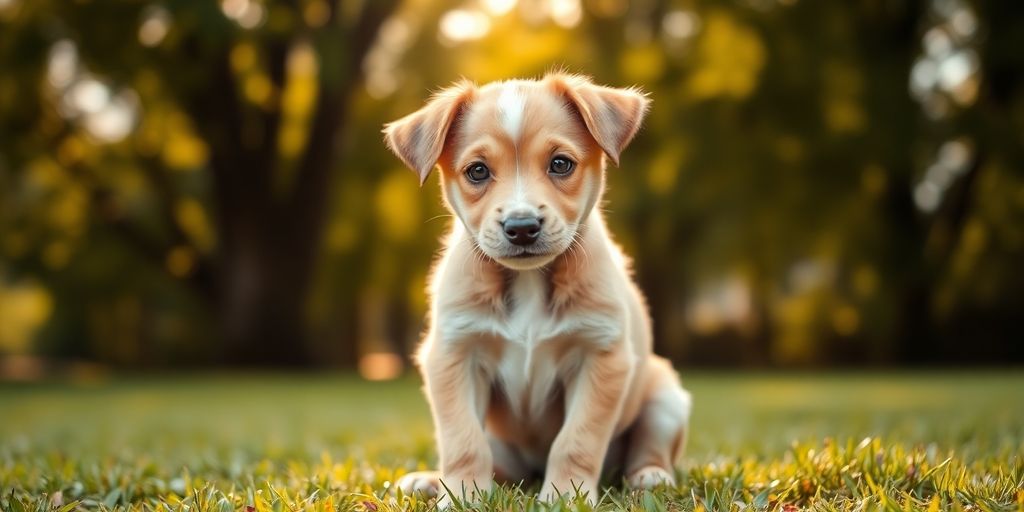
Recognizing Natural Instincts
Puppies come into this world with a bunch of instincts that help them navigate their new surroundings. Chewing, digging, and barking are just a few of these natural behaviors. Understanding these instincts can help you guide your puppy as they grow. Chewing, for instance, is a way for puppies to explore their environment and soothe teething pain. Instead of getting frustrated, offer appropriate chew toys to redirect this behavior.
Identifying Behavioral Triggers
Every puppy is unique, and what sets one off might not bother another. Identifying what triggers certain behaviors in your puppy is key. Maybe they bark excessively when they hear the doorbell or get anxious during car rides. Knowing these triggers allows you to address them calmly and effectively. Try to observe when your puppy starts acting out and note down any patterns.
Managing Energy Levels
Puppies are little bundles of energy, and managing this energy is crucial for a harmonious household. Regular playtime and walks can help burn off excess energy and prevent destructive behavior. A tired puppy is a happy puppy! Set up a routine that includes physical and mental stimulation, like puzzle toys or training exercises, to keep them engaged. Remember, it’s not just about tiring them out physically but also mentally.
Establishing a Training Routine
Setting Consistent Schedules
Creating a consistent schedule is like setting the stage for your puppy’s success. Puppies thrive on regularity, so try to keep feeding, potty breaks, and playtime at the same times each day. It helps them know what to expect and when. This regularity can reduce anxiety and make your life a lot simpler. You’ll find that with a little consistency, your pup will learn faster and feel more secure.
Choosing the Right Training Environment
The right environment can make a world of difference in training. Look for a quiet spot free from distractions where you can focus on your puppy without interruptions. This could be a room in your house or a fenced backyard. The idea is to make it a safe and positive place for learning. As your puppy gets more confident, you can gradually introduce more distractions to help them learn to focus.
Incorporating Play into Training
Training doesn’t have to be all serious business. In fact, incorporating play can make learning fun and more effective. Use toys and games to teach commands and reinforce good behavior. For example, a game of fetch can be a great way to practice the "come" command. Remember to end each session on a high note, with praise or a favorite game, to keep your puppy motivated and eager for the next session.
Training your puppy is a journey, not a sprint. With patience and consistency, you’ll build a strong foundation for a well-behaved dog.
Socializing Your Puppy
Introducing New Environments
When you first bring your puppy home, it’s like opening up a whole new world for them. The key is to make this world as welcoming as possible. Start introducing your puppy to different environments gradually. Puppies are like little sponges, soaking up everything around them, so it’s important to expose them to a variety of settings. Think parks, busy streets, and even different types of flooring in your home. This helps them get comfortable with the sights, sounds, and smells they’ll encounter daily.
Encouraging Positive Interactions
Socializing isn’t just about new places; it’s also about meeting new faces. Encourage your puppy to interact with different people and other animals. This could mean meeting your neighbors or having playdates with other dogs. Remember to keep these interactions positive. Use treats and praise to reinforce good behavior. If your puppy seems shy or nervous, let them approach at their own pace. This builds their confidence and helps them learn that new friends are a good thing.
Building Confidence Through Exposure
The more your puppy experiences, the more confident they’ll become. Regular exposure to new things helps them learn that the world isn’t such a scary place. Take them to dog-friendly stores or let them explore the backyard. If they seem hesitant, be patient and give them time. Exposure should be a gentle process, not a rushed one. Over time, these experiences will help your puppy grow into a well-adjusted dog, ready to take on the world.
Teaching Basic Commands
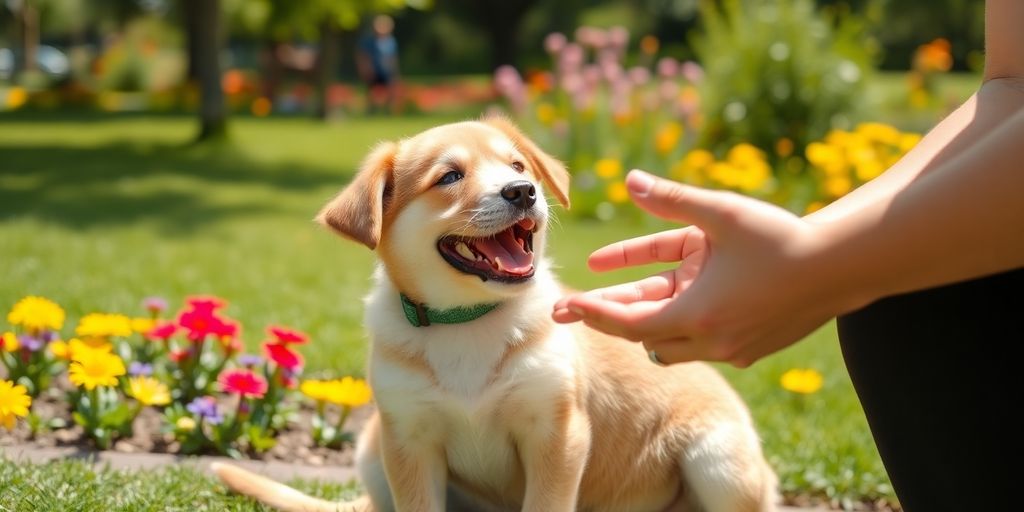
Mastering ‘Sit’ and ‘Stay’
Teaching your puppy basic commands like "sit" and "stay" is a great starting point. Begin with "sit" by holding a treat close to your puppy’s nose, then slowly moving your hand upward. This motion should naturally cause your puppy to lower their bottom to the ground. The moment they do, reward them with the treat and some praise. For "stay," once your puppy has mastered "sit," ask them to sit, then open your palm in front of you and say "stay." Take a few steps back. If they stay, reward them immediately. Consistency is key here, so practice these commands regularly.
Using Hand Signals Effectively
Incorporating hand signals can make training more effective. Dogs often respond well to visual cues. For "sit," use a hand motion where your palm faces up as you raise your hand. For "stay," use a flat palm facing the dog. These signals can be especially useful in noisy environments or when your voice might not be heard clearly. It might take some time, but with patience, your puppy will start associating these hand movements with the commands.
Reinforcing Commands with Rewards
Rewards are crucial in reinforcing commands. Use treats, toys, or even affection as rewards when your puppy successfully follows a command. The type of reward can depend on what your puppy responds to best. Timing is everything; make sure to give the reward immediately after the desired action to help your puppy make the connection. Avoid overfeeding treats by using small pieces, and always balance it with proper nutrition.
Remember, teaching commands isn’t just about obedience. It’s about building a bond with your puppy and making training a positive experience for both of you. For more insights on effective training techniques, check out TeachDog.com, a resource dedicated to helping dog owners enhance their relationships with their pets through effective training.
Implementing Positive Reinforcement
Choosing the Right Rewards
Picking the right reward for your puppy is like finding the perfect gift for a friend. Dogs, much like humans, are motivated by different things. Some pups will do anything for a tasty treat, while others might respond better to a favorite toy or even just your enthusiastic praise. It’s all about discovering what gets your puppy excited. To figure this out, observe what makes your puppy’s tail wag and use that as your go-to reward.
Timing Your Rewards Correctly
Timing is everything when it comes to positive reinforcement. If you wait too long to reward your puppy after they do something good, they might not connect the dots. The goal is to reinforce the behavior right as it happens. For instance, if your dog sits when asked, they should get their treat or praise immediately. This helps them understand that sitting is the behavior that gets them the goodies.
Avoiding Negative Reinforcement
While it’s tempting to scold your puppy when they misbehave, it’s not always effective. Negative reinforcement can often lead to confusion and fear, which are not the emotions you want to associate with training. Instead, focus on redirecting bad behavior and rewarding the good. This approach will help your puppy learn more effectively and build a stronger bond with you.
Positive reinforcement is more than just a training method; it’s a way to communicate with your dog, showing them how to behave by rewarding the actions you want to see more of. Remember, it’s not about perfection, but about progress.
Handling Common Training Challenges
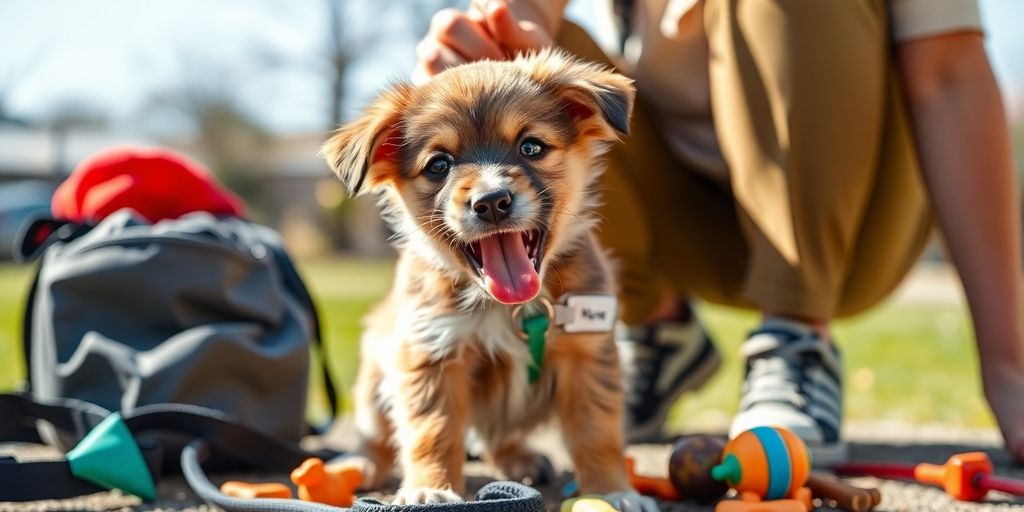
Addressing Potty Training Issues
Potty training is one of the first hurdles you’ll face with a new puppy. Consistency is key here. Start by taking your puppy out at regular intervals—after meals, naps, and playtime. Puppies have small bladders, so frequent trips outside are necessary. Create a routine and stick to it. When your puppy does their business outside, reward them immediately with a treat or praise. If accidents happen inside, clean them up without making a fuss. Remember, patience is crucial.
Managing Chewing and Biting
Puppies explore the world with their mouths, which means chewing and biting are natural behaviors. To manage this, provide plenty of chew toys. Redirect your puppy’s attention to these toys whenever they start gnawing on something they shouldn’t, like shoes or furniture. If your puppy nips at you during play, stop the interaction and ignore them for a moment. This teaches them that biting ends fun. Consistency in this approach helps curb unwanted chewing and biting.
Dealing with Separation Anxiety
Separation anxiety can be tough for both puppies and owners. Start by gradually getting your puppy used to being alone. Leave them for short periods initially, then slowly increase the time. Create a safe space for them with their favorite toys and a comfy bed. Sometimes, leaving a piece of your clothing can comfort them with your scent. If the anxiety persists, consider consulting a professional trainer or behaviorist for more tailored advice.
Raising a puppy is a journey filled with challenges and triumphs. Each step, from potty training to managing separation anxiety, is a chance to strengthen the bond with your furry friend. With patience and consistency, these challenges can become manageable milestones in your puppy’s development.
For more insights on handling these challenges, you might want to check out Teach Dog’s guidance, where professional trainer Jonathan H. Lewis offers expert advice.
Advanced Training Techniques
Exploring Agility Training
Agility training is a fantastic way to keep your dog both physically and mentally fit. This type of training involves guiding your dog through an obstacle course that includes jumps, tunnels, and weave poles. Not only does it help in enhancing your dog’s coordination and speed, but it also strengthens the bond between you and your furry friend. Agility training is not just about speed; it’s about teamwork and trust. Start with basic obstacles and gradually increase the complexity as your dog becomes more confident. Remember, patience is key, and always make it a fun experience for your dog.
Participating in Obedience Trials
Obedience trials are structured competitions where dogs perform a series of tasks to demonstrate their obedience skills. These trials can range from basic commands to more advanced tasks like retrieving items or performing tricks. Participating in these trials can be a great way to challenge your dog and yourself. It’s important to practice regularly and ensure your dog is comfortable in a competitive environment. Consistency in training and maintaining a calm demeanor during trials can greatly influence your dog’s performance.
Considering Therapy Dog Training
Therapy dog training is an advanced step that involves preparing your dog to offer comfort and affection to people in hospitals, nursing homes, and other facilities. This type of training focuses on socialization and ensuring your dog is calm and gentle around strangers. If your dog has a naturally calm temperament and enjoys human interaction, therapy dog training could be a rewarding path. The process typically involves passing a series of tests that assess your dog’s behavior and ability to handle different environments and situations.
Advanced training techniques can significantly enrich your dog’s life and yours, providing opportunities for bonding, learning, and fun. Whether it’s agility, obedience, or therapy training, the journey is as rewarding as the destination. Keep exploring and challenging your dog, and you’ll both enjoy the benefits of a well-rounded training experience.
If you’re looking to take your dog’s training to the next level, explore our advanced techniques that can make a real difference. Visit our website to discover more tips and tricks that will help you and your furry friend succeed!
Conclusion
Raising a puppy is no small feat, but it’s one of the most rewarding experiences you’ll ever have. Sure, it takes time, patience, and a whole lot of consistency, but watching your little furball grow into a well-behaved dog is worth every minute. Start early with these training tips, and you’ll set the stage for a happy, harmonious life together. Remember, it’s all about building a strong, positive bond with your pup that lasts a lifetime. With love and dedication, you’ll not only have a great pet but a loyal friend by your side.
Frequently Asked Questions
How long does it take to train a puppy?
Training a puppy can take a few months to a year, depending on the puppy’s age, breed, and your consistency with training methods. Patience and regular practice are key.
What is the best age to start training a puppy?
You can start training your puppy as early as 8 weeks old. At this age, puppies are eager to learn and can begin with simple commands like ‘sit’ and ‘stay’.
How often should I train my puppy each day?
Short, frequent training sessions are best for puppies. Aim for 5 to 10 minutes, 2 to 3 times a day, to keep their attention and make learning fun.
What should I do if my puppy doesn’t listen?
If your puppy isn’t listening, try to remove distractions and use a calm, firm voice. Consistency is important, and rewarding good behavior can encourage them to listen better.
Can older dogs learn new tricks?
Yes, older dogs can learn new tricks! While it might take a bit longer than with a puppy, patience and positive reinforcement can help even an older dog learn new commands.
How do I stop my puppy from biting?
To stop biting, let out a loud ‘Ouch!’ when they bite and stop playing for a moment. This helps them learn that biting ends fun activities. Consistency is crucial to teach them proper behavior.