
Leash training a dog can seem like a daunting task, but with the right approach, it can be a rewarding experience for both you and your furry friend. It’s not just about teaching your dog to walk beside you; it’s about building a bond and understanding each other’s pace and space. Whether you’re starting with a puppy or retraining an older dog, patience and consistency are key. Let’s explore some practical tips and tricks to make leash training a breeze.
Key Takeaways
- Leash training isn’t just about control; it’s about communication between you and your dog.
- Choosing the right equipment, like a sturdy leash and comfortable harness, sets the stage for success.
- Basic commands and positive reinforcement can make a world of difference in training.
- Consistency in training sessions helps your dog understand what’s expected during walks.
- Addressing issues like pulling early on can prevent bad habits from forming.
Understanding the Basics of Leash Training
Importance of Leash Training
Leash training is a big deal for any dog owner. It keeps your dog safe and helps you manage them better in different situations. Without proper leash training, dogs might pull, lunge, or get distracted easily, which can be dangerous in busy environments. A well-trained dog is not just safer; it also strengthens the bond between you and your furry friend.
Choosing the Right Equipment
Selecting the right gear is crucial. A flat collar or a slip lead? Each has its perks. A flat collar is great for dogs that have some leash experience, while a slip lead offers more control, especially for those that pull a lot. You might want to try both to see which one your dog responds to better. Remember, the goal is comfort and control.
Establishing a Training Routine
Setting up a consistent routine is key. Dogs thrive on repetition and predictability. Start with short, regular sessions in a quiet spot. Gradually increase the time and complexity as your dog gets used to it. Here’s a simple routine to follow:
- Begin with a few minutes of calm interaction with the leash.
- Use a cue word like "walk" to signal the start.
- Reward with treats and praise for good behavior.
Consistency is your best friend when it comes to leash training. The more regular you are, the faster your dog will learn. Keep things light and fun, and remember, patience pays off.
Building a Strong Foundation for Leash Training
Teaching Basic Commands
Starting with basic commands is like laying bricks for a sturdy house. Commands like "sit," "stay," and "come" aren’t just for showing off; they’re the building blocks of effective leash training. These commands help your dog understand what you want, reducing confusion during walks. Start indoors or in your backyard, where distractions are low. Use treats and praise to reward your dog each time they follow a command. Consistency is key, so practice regularly.
Creating Positive Associations
Leash training should be a positive experience for both you and your dog. To create positive associations, introduce the leash and collar gradually. Let your pup sniff and explore these new items. Reward them with treats and affection when they interact calmly. This way, they start to link the leash with good things. Over time, your dog will see the leash as a signal for fun outings rather than a restraint.
Starting in Low-Distraction Environments
When you’re just starting out, choose a quiet place for leash training. This could be your living room or a calm part of your yard. Fewer distractions mean your dog can focus better on you and the task at hand. As they get more comfortable, you can slowly introduce more challenging environments. Remember, patience is your best friend here. Keep sessions short and sweet to avoid overwhelming your dog.
Building a strong foundation in leash training is all about patience and positivity. Start simple, reward often, and gradually increase the complexity of the environment. Over time, these small steps lead to big successes in leash training.
For more on how to leash train your dog effectively with positive reinforcement and patience, remember that it’s a journey, not a quick fix.
Techniques for Effective Leash Training
Using Positive Reinforcement
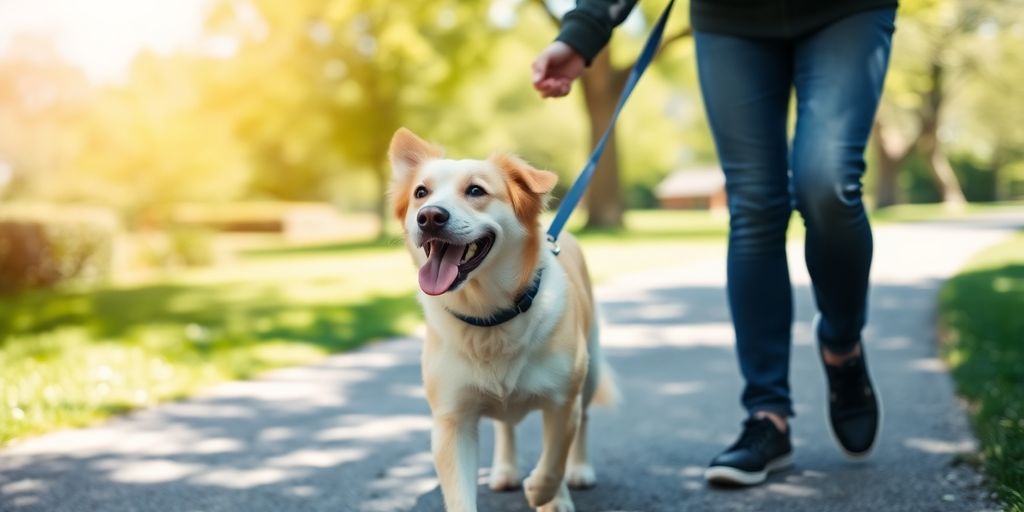
Positive reinforcement is key in leash training. Reward your dog with treats, praise, or playtime whenever they exhibit calm and attentive behavior. This encourages them to follow your guidance and look forward to walks. Keep the sessions engaging by varying your pace and direction, which helps your dog stay focused and responsive.
Implementing the ‘Be a Tree’ Technique
The ‘Be a Tree’ technique is a simple yet effective method to curb pulling. When your dog starts to pull, stop walking and stand still like a tree. Wait until the leash slackens, indicating your dog has stopped pulling, before continuing. This teaches your dog that pulling doesn’t get them where they want to go.
Practicing the ‘Turn and Walk’ Method
The ‘Turn and Walk’ method involves changing direction whenever your dog pulls on the leash. This technique helps your dog learn to pay attention to your movements and stay close by. Consistency is crucial; eventually, your dog will start walking beside you without pulling.
Leash training can be a rewarding experience, building trust and communication between you and your dog. Remember, patience and consistency are your best friends in this journey.
For more practical tips, check out these effective leash training techniques to make your walks enjoyable and stress-free.
Addressing Common Leash Training Challenges
Dealing with Pulling and Lunging
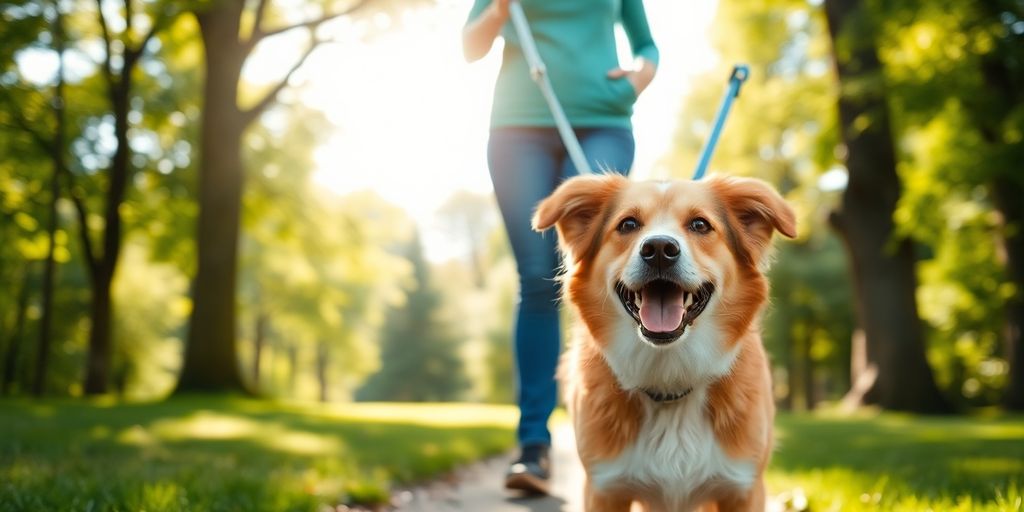
Pulling and lunging are typical issues many dog owners encounter. A good start is using a front-clip harness or head halter, which can redirect your dog’s attention back to you gently. Try the "stop-and-go" technique: every time your dog pulls, stop walking. Only move forward once the leash is loose. This teaches that pulling gets them nowhere.
- Consider a harness designed to prevent pulling.
- Practice in low-distraction areas initially.
- Reinforce good behavior with treats and praise.
Overcoming Leash Reactivity
Leash reactivity can be tricky, often triggered by other dogs or distractions. Start by identifying what sets your dog off. Gradually expose them to these triggers at a distance, rewarding calm behavior. Over time, decrease the distance as your dog becomes more comfortable.
- Use high-value treats to maintain focus.
- Keep sessions short to prevent overwhelm.
- Be patient and consistent in your approach.
Managing Lack of Focus and Overexcitement
Dogs, especially young ones, can easily get distracted or overly excited. To manage this, keep training sessions engaging. Change directions frequently, vary your speed, and use toys or treats to keep their attention on you.
"Training a dog requires patience and creativity. It’s not just about discipline but making the process fun for both you and your pet."
- Use a variety of rewards to maintain interest.
- Keep your commands clear and consistent.
- Gradually increase the difficulty as your dog improves.
For more insights on preventing your dog from pulling on the leash, learn effective techniques that emphasize patience and practice for achieving loose leash walking.
Enhancing the Walking Experience
Using High-Value Treats and Rewards
When you’re out for a walk, using treats your dog absolutely loves can make a world of difference. These high-value treats are like gold to them and can really help in keeping their attention on you rather than everything else going on. Make sure you reward them right when they do something good, like walking calmly or looking at you when you call them. This kind of immediate reward is key to prevent your dog from pulling on the leash.
Encouraging Exploration and Sniffing
Letting your dog sniff around and explore is super important. It’s how they understand the world, and it keeps them mentally stimulated. If you give them time to sniff, they’re likely to be more satisfied and come back from the walk feeling like they had a good time. Just make sure to balance it with the walking part so they don’t spend the whole time with their nose in the dirt.
Establishing a Routine and Consistency
Having a set routine can make walks more predictable and enjoyable for both you and your dog. Try to walk at the same times each day and follow a similar route. Dogs thrive on routine, and knowing what’s coming next can make them more relaxed and focused. Plus, being consistent with your commands and rewards during these walks helps reinforce good behavior over time.
Dogs love predictability, and a consistent routine not only strengthens their training but also deepens the bond you share during your walks.
Advanced Leash Training Strategies
Mastering Loose Leash Walking
Achieving a loose leash walk is like hitting the jackpot in dog training. When your pup strolls by your side without yanking your arm off, it’s a win. Start with the "heel" command in different places, each with its own set of distractions. This helps your dog stay focused, no matter what’s going on around them. Mix in some hand signals with your verbal commands—it’s like speaking two languages at once, and your dog will love it. Consistency is key here, so practice regularly.
Transitioning to Off-Leash Skills
Once your dog has nailed the leash walk, you might want to try off-leash training. Begin in a safe, fenced area where your dog can’t wander off. Gradually give them more freedom as they show they’re reliable and obedient. A solid recall command is your best friend here. Make sure your dog comes back to you even when they’re tempted by something more exciting.
Navigating Through Crowds and Obstacles
Walking through a crowd or past obstacles can be a real challenge. It’s like an obstacle course for your dog. Start by practicing in less crowded areas, then slowly introduce busier environments. Keep your dog close and use commands they know well. If they get distracted, a quick "sit" or "stay" can work wonders. Remember, patience is your ally, and every small victory counts.
Training is a journey, not a race. Each step forward, no matter how small, is progress. Celebrate these moments with your dog—they’re learning and growing alongside you.
For more tips on reinforcing calm behavior and gradually increasing challenges, check out this guide.
Maintaining Consistency and Patience in Training
Setting Realistic Expectations
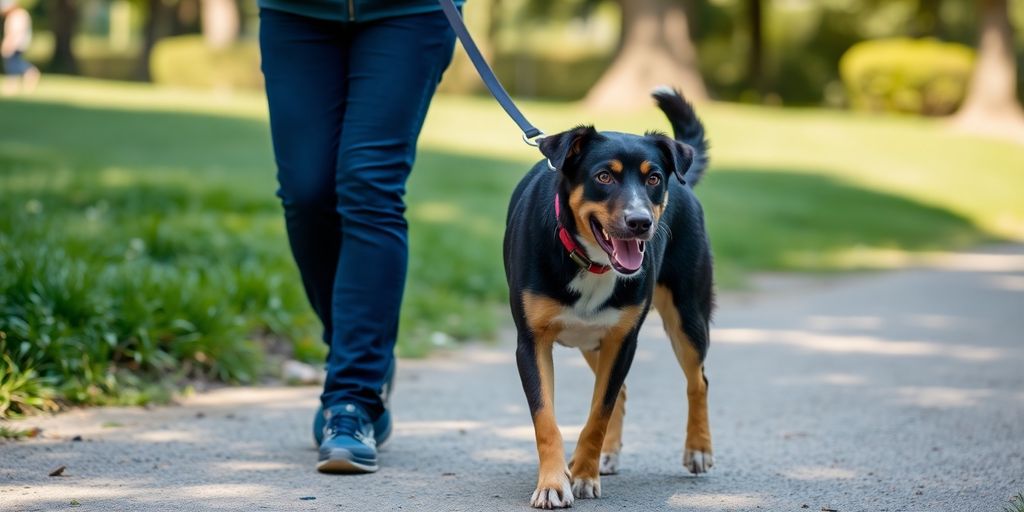
When it comes to leash training, it’s important to set achievable goals. Progress might be slow, and that’s perfectly okay. Understanding that each dog learns at their own pace helps in avoiding frustration. Start with small milestones and gradually work up. Celebrate each success, no matter how minor it seems. This keeps both you and your dog motivated.
Tracking Progress and Adjusting Techniques
Keeping a log of your training sessions can be really helpful. Note down what works and what doesn’t. This way, you can tweak your strategies to better suit your dog’s learning style. If a particular technique isn’t working, don’t hesitate to try something new. Flexibility is key in finding what clicks with your dog.
Celebrating Small Wins
Every little achievement is a step towards your ultimate goal. Whether it’s your dog responding to a command or simply staying calm in a new environment, these are all wins. Take time to enjoy these moments. They reinforce positive behavior and boost your dog’s confidence. Plus, it makes the journey more enjoyable for both of you.
Consistency isn’t just about sticking to a routine; it’s about building a strong bond with your dog through patience and understanding. With time and persistence, you’ll both enjoy the benefits of a well-trained pup.
For more tips on training techniques, consider exploring effective loose leash walking methods that incorporate games and communication with your dog.
Training your dog takes time and effort, but staying consistent and patient is key to success. Remember, every dog learns at their own pace, so don’t rush the process. If you want to learn more about effective training methods and find the right course for you and your furry friend, visit our website today!
Wrapping It Up
So, there you have it! Leash training might seem like a big task at first, but with the right approach, it can be a rewarding experience for both you and your dog. Remember to keep things positive and be patient. Every dog learns at their own pace, and that’s okay. With consistency and a bit of practice, you’ll soon find yourself enjoying peaceful walks with your furry friend by your side. Happy walking!
Frequently Asked Questions
How can I teach my dog to walk calmly on a leash?
Start with positive reinforcement. Reward your dog with treats and praise when they walk calmly by your side. Begin in a quiet area to help them focus.
What should I do if my puppy pulls on the leash?
Stop walking when your puppy pulls. Wait until they calm down and the leash is slack before moving again. Use treats to encourage them to stay by your side.
How do I handle a dog that lies down during walks?
Make sure the leash is comfortable. Use toys or treats to motivate them to move. Praise them for any effort to stand and walk.
What if my dog is scared of the leash?
Let your dog sniff the leash first. Clip it on without pulling, and gradually increase how long they wear it. Pair this with treats and praise.
How long does it take to train a puppy to walk on a leash?
It varies, but most puppies learn basic leash skills in a few weeks to a few months. Consistent practice every day helps them learn faster.
How can I stop my dog from pulling on the leash?
If your dog pulls, stand still and wait for them to stop. Change directions if needed. Reward them when they walk without pulling.