
Teaching your dog to be off-leash is like opening a door to a whole new world for both of you. Imagine your pup running free in a park, happy and safe, while you feel confident they’ll come back when called. Off-leash training is more than just letting go of the leash; it’s about building trust and understanding between you and your furry friend. Sure, it takes time and patience, but the pay-off is huge. Your dog gets to explore more, and you get peace of mind knowing they’re well-behaved even without a leash.
Key Takeaways
- Off-leash training strengthens the bond between you and your dog.
- Regular practice in different settings helps reinforce training.
- Safety should always be a priority, considering local laws and environments.
- Positive reinforcement is key to successful off-leash training.
- Understanding your dog’s breed and temperament can influence training success.
Understanding the Basics of Off-Leash Training
The Importance of Reliable Recall
Reliable recall is the backbone of off-leash training. Imagine calling your dog at the park and watching them sprint back to you, no hesitation. This is what every dog owner desires. A solid recall command ensures your dog returns to you in any situation. Start training in a distraction-free zone. Gradually introduce more stimuli as your dog gets better at responding to your call. Consistency and patience are key—don’t rush it.
Building Trust and Communication
Off-leash training is as much about trust as it is about commands. You and your dog need to understand each other. Spend time together, observe their behavior, and learn their signals. Communication isn’t just verbal; it’s about reading body language and responding appropriately. Trust is built over time, through shared experiences and positive interactions.
Safety Considerations for Off-Leash Training
Safety should always be a priority. Before letting your dog off-leash, ensure the area is secure and free from potential hazards. Check local leash laws—some places have strict regulations. Always be aware of your surroundings, including other dogs and people. Equip your dog with a collar and an ID tag, and consider microchipping for added security. Remember, off-leash doesn’t mean out of control.
Preparing Your Dog for Off-Leash Training
Mastering Basic Commands
Before you even think about letting your dog roam free, make sure they have a solid grasp of basic commands. Sit, stay, come, and heel are non-negotiables. These commands form the foundation of off-leash reliability. Start practicing in a quiet, controlled environment and gradually introduce distractions. Consistency is key here. Keep sessions short and sweet to maintain your dog’s interest.
The Role of On-Leash Training
On-leash training is your best friend when gearing up for off-leash adventures. It’s not just about keeping your dog close; it’s about reinforcing good behavior. Use a variety of leash lengths to simulate off-leash conditions while maintaining control. This helps your dog learn boundaries and understand that commands apply regardless of leash status.
Socialization and Environmental Adaptation
A well-socialized dog is less likely to be startled or distracted when off-leash. Introduce your dog to different environments, people, and other animals. This exposure helps them adapt to new situations calmly. Take walks in various settings, from busy streets to quiet parks, to build their confidence. Remember, the goal is to make your dog comfortable in any scenario they might encounter, ensuring they respond well to commands even when off-leash.
Preparing your dog for off-leash training is like setting the stage for a successful performance. The more effort you put into the groundwork, the smoother the main event will be. It’s about building a relationship based on trust and understanding, ensuring both you and your dog enjoy the freedom of off-leash adventures.
For more tips on how to successfully train your dog for off-leash activities, consider starting in a secure area like your backyard. Gradually unclip the leash while maintaining confidence and assertiveness. Frequent commands and positive reinforcement are essential for building trust and ensuring safety during training.
Implementing Effective Off-Leash Training Techniques
Positive Reinforcement Strategies
Positive reinforcement is the backbone of successful off-leash training. Rewarding your dog for good behavior makes them more eager to repeat it. Use a mix of high-value treats, toys, and verbal praise to keep your dog motivated. This variety keeps things exciting, ensuring your dog stays engaged during training sessions. Try playing the "recall game" where you call your dog back and forth between family members, rewarding them each time they respond promptly.
Using Long-Line Leashes as Transitional Tools
Before letting your dog off-leash completely, a long-line leash can be a great transitional tool. It gives your dog a sense of freedom while still allowing you to maintain control. Start in a secure, fenced area to minimize risks. Gradually increase the length of the line as your dog becomes more reliable in responding to commands. This approach helps in building trust and confidence between you and your dog.
Gradual Exposure to Distractions
Dogs can easily get distracted by their surroundings, which is why it’s crucial to introduce distractions gradually. Begin in a quiet area and slowly work your way up to more stimulating environments like parks or trails. Use treats and praise to reinforce focus and obedience even when there are other dogs or people around. This step-by-step exposure helps your dog learn to concentrate on you, even amidst chaos.
Overcoming Challenges in Off-Leash Training
Dealing with Distractions
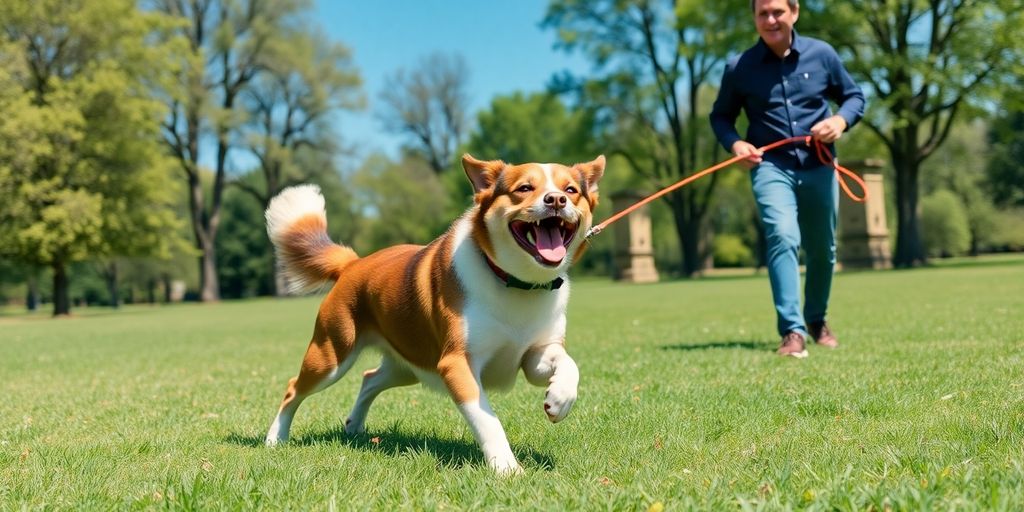
Distractions are a big hurdle in off-leash training. Imagine you’re making progress, and suddenly a squirrel appears, and your dog’s recall command goes out the window. Start with small distractions and slowly increase their intensity. Reward your dog generously for focusing back on you. This builds a strong recall habit even in distracting environments.
- Begin training in a quiet area.
- Gradually introduce more distractions.
- Use high-value treats as rewards.
Building Confidence in Hesitant Dogs
Some dogs might feel a bit unsure when first going off-leash. If your pup seems hesitant, it’s time to take a step back. Use a long-line leash to give them some freedom while still having control. Encourage them with happy tones and delicious treats.
Patience is your best friend here. Slowly, your dog will gain confidence and start enjoying their newfound freedom.
Managing Overexcitement and Selective Hearing
For some dogs, the thrill of being off-leash can lead to overexcitement and selective hearing. You need to become the most exciting thing in the environment. Use animated voices and fun movements. Practice "check-ins" where your dog voluntarily looks at you, and make sure to reward them well for this attention.
- Use engaging voice tones.
- Reward check-ins generously.
- Practice in different environments.
Remember, consistency is key. With time and effort, your dog will learn to enjoy off-leash time responsibly. For more tips, check out Jonathan H. Lewis’s dog training techniques for insights on improving your dog’s behavior.
The Long-Term Benefits of Off-Leash Training
Strengthening the Human-Dog Bond
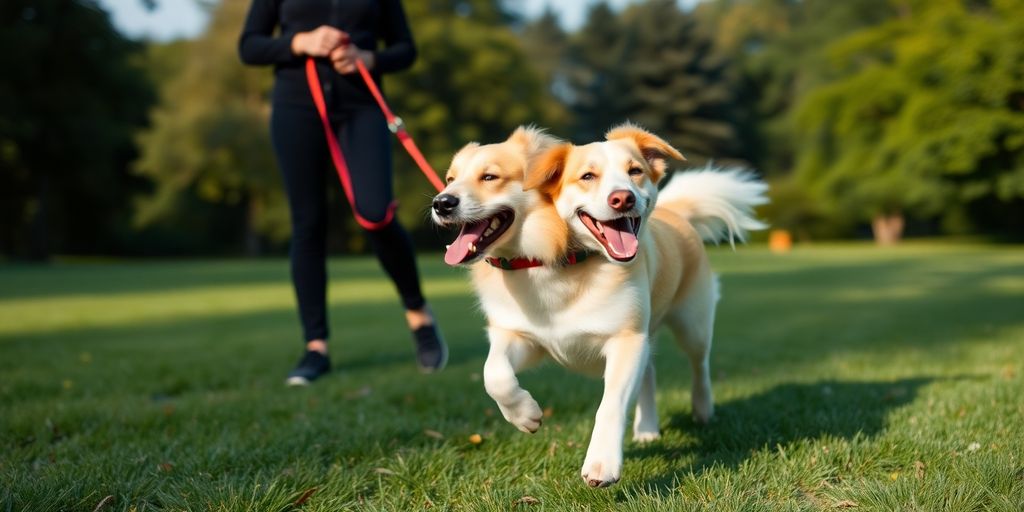
Off-leash training isn’t just about letting your dog roam free; it’s about building a deeper connection between you and your furry friend. When you trust your dog to stay close and they trust you to keep them safe, it creates a bond that’s hard to break. This kind of training teaches both you and your dog to rely on each other, making your relationship stronger and more rewarding.
Enhancing Physical and Mental Health
Letting your dog off the leash means they get to run, sniff, and explore more than they would on a typical walk. This freedom leads to better physical health because your dog gets more exercise. Plus, the mental stimulation from exploring new environments can keep their mind sharp and engaged. It’s like a workout for their body and brain!
Fostering Independence and Confidence
When dogs learn to behave off-leash, they gain confidence in their ability to navigate the world. They become more independent, knowing they can explore while still being safe and listening to your commands. This newfound confidence can transform a timid dog into one that’s curious and eager to explore.
Off-leash training is a journey. It takes patience and practice, but the payoff is a happier, healthier dog and a more harmonious relationship. Remember, every small victory in training is a step toward a lifetime of adventures together.
For more on leash training essentials, check out leash training a dog and discover how the right techniques can make a world of difference in your dog’s behavior.
Advanced Off-Leash Training Strategies
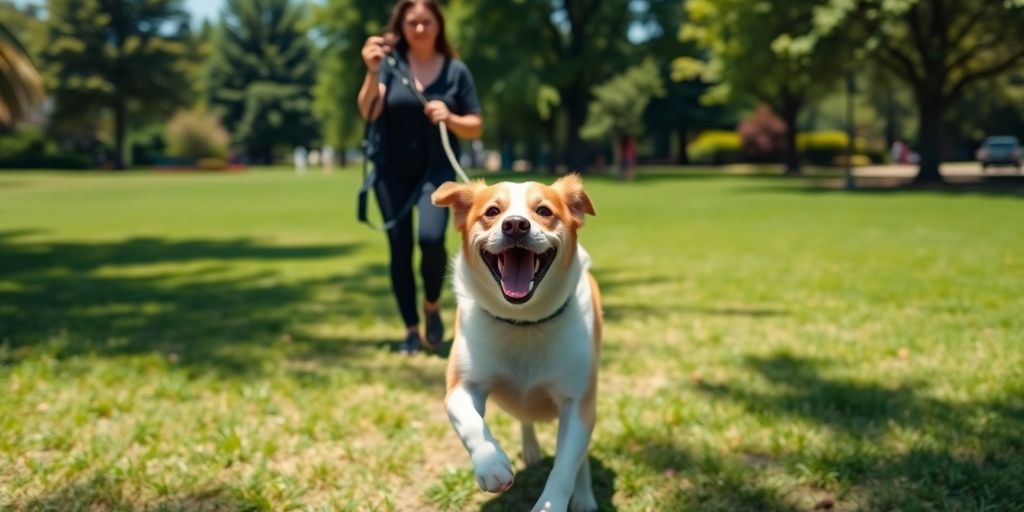
When you’re working on off-leash training, it’s super important to keep an eye on how your dog is doing. Watch their behavior and see how they react to different situations. If they start slipping up, you might need to go back to some basics in a more controlled setting. Always remember to adjust the intensity and complexity of the training based on how your dog is responding.
Incorporating Adventure Walks
Adventure walks are a fun way to mix things up and challenge your dog’s off-leash skills. Think of it as a field trip for your pup! Take them to different places like parks, trails, or beaches where they can explore and learn to handle new environments. Here’s a simple way to start:
- Pick a safe location where dogs are allowed off-leash.
- Let your dog explore while you keep a close watch.
- Practice recall and other commands in this new setting.
Specialized Private Training Options
Sometimes, getting a professional involved can make a huge difference. Specialized private training is great if your dog needs a little extra help or if you’re dealing with specific issues. Trainers can offer tailored advice and techniques that suit your dog’s unique needs. Plus, they can help you tackle any challenges that pop up along the way.
Off-leash training isn’t just about teaching your dog to follow commands without a leash. It’s about building trust and a solid connection. When your dog listens and responds to you, even with all the freedom, it makes your bond stronger and more meaningful.
Safety and Ethical Considerations in Off-Leash Training
Respecting Local Laws and Wildlife
When you let your dog off-leash, you’re giving them a bit of freedom, but it comes with responsibility. Always check local laws about where dogs can be off-leash. Some places have rules to protect wildlife and other people, so knowing these is key. And hey, if you’re in a park or nature reserve, remember that wildlife has the right of way. Dogs can disturb birds or small animals, so it’s best to keep them in check.
Ensuring the Safety of Others
Off-leash dogs can be a delight, but not everyone loves them. Some folks might be scared or allergic, and other dogs might not be friendly. So, keep an eye on your pup. If they start to get too excited or run towards someone, it’s time to call them back. It’s a good idea to have your dog wear a collar with ID tags, just in case they wander off.
Understanding Breed and Temperament Challenges
Not every dog is cut out for off-leash adventures. Some breeds have strong instincts that can make them chase or wander. It’s important to know your dog’s temperament. If they’re easily distracted or have a history of running off, take it slow. TeachDog.com has resources that can help you understand your dog’s behavior better. With patience and the right training, most dogs can enjoy off-leash time safely.
Letting your dog off-leash is like giving them a taste of freedom, but it’s up to us to make sure they’re safe and respectful of others. Always be ready to leash up if needed, and remember, safety first!
When training your dog off-leash, it’s crucial to think about safety and ethics. Make sure your dog is well-trained and can respond to commands before letting them roam freely. Always be aware of your surroundings and respect other people and pets. For more tips on safe and effective dog training, visit our website!
Conclusion
Wrapping up, off-leash training is more than just teaching your dog to follow commands without a leash. It’s about building a strong connection based on trust and understanding. Sure, it takes time and effort, but the payoff is huge. Imagine the joy of watching your dog run free, knowing they’ll come back when you call. It’s a journey worth taking, not just for the freedom it brings, but for the bond it strengthens between you and your furry friend. So, grab that leash, start the training, and unlock a whole new world of adventures together.
Frequently Asked Questions
What is off-leash training for dogs?
Off-leash training teaches your dog to follow commands without a leash. This helps them explore safely and gives them more freedom.
Why is reliable recall important in off-leash training?
Reliable recall means your dog comes back when called, even when distracted. It’s key for their safety and your peace of mind.
How can I start off-leash training my dog?
Begin with basic commands like ‘sit’ and ‘stay’ on a leash. Gradually practice these in different places with more distractions.
What tools can help with off-leash training?
Long-line leashes are great for practice. They give your dog some freedom while you still have control.
How do I handle distractions during off-leash training?
Introduce distractions slowly and reward your dog for paying attention to you. This helps them learn to focus despite distractions.
Are all dogs suitable for off-leash training?
Most dogs can learn with patience and practice, but some breeds or temperaments may need extra time or special techniques.