
Training a dog for search and rescue is no walk in the park, but it’s incredibly rewarding. Imagine your dog, a true hero, sniffing out lost hikers or finding survivors in a disaster. It’s a big task that requires patience, dedication, and a lot of know-how. Whether you have a playful pup or a seasoned canine, this guide will help you understand the ins and outs of preparing your dog for SAR work. From picking the right breed to mastering advanced techniques, let’s explore how you can turn your furry friend into a life-saving superstar.
Key Takeaways
- Start training early to build a strong foundation for your dog’s SAR skills.
- Choose a breed with the right traits for search and rescue work.
- Focus on obedience, endurance, and scent detection in training.
- Simulate real-life scenarios to prepare your dog for actual SAR missions.
- Continuous learning and development are crucial to keep your dog SAR-ready.
Understanding the Basics of Search and Rescue Training
The Role of SAR Dogs in Rescue Operations
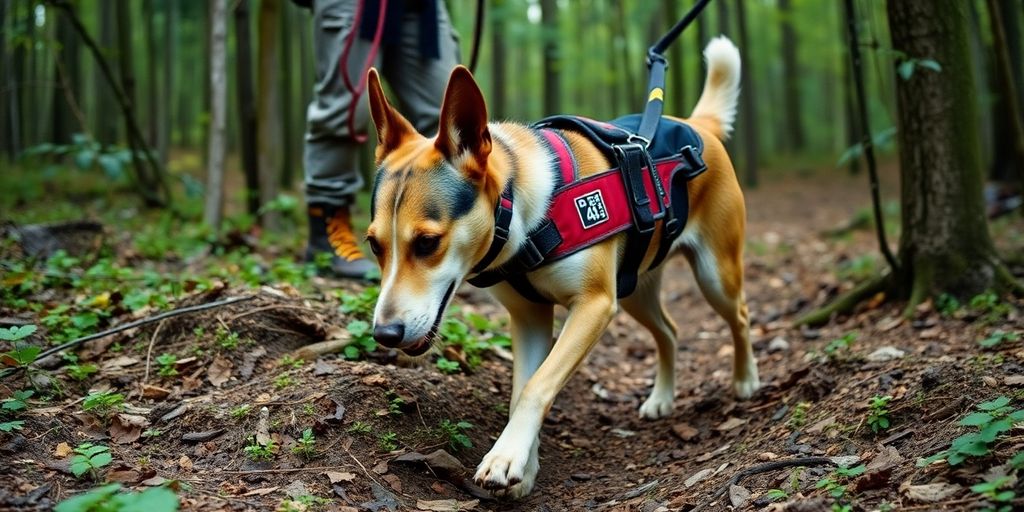
Search and rescue (SAR) dogs are real heroes in emergency situations. They assist in finding missing persons in all sorts of environments, from dense forests to urban disaster sites. These dogs are trained to pick up human scents, which they can track over long distances and through challenging terrains. Their ability to detect scents that humans can’t is what makes them invaluable in rescue missions. These dogs often work alongside rescue teams, helping to locate people trapped under debris or lost in the wilderness.
Key Skills Required for SAR Dogs
For a dog to excel in SAR operations, it needs a specific set of skills. These include:
- Scent detection: The ability to follow and identify human scents is crucial.
- Agility: Navigating through rubble or dense forests requires a nimble and agile dog.
- Obedience: SAR dogs must follow commands without hesitation, even in high-stress situations.
- Endurance: Searches can last for hours, so stamina is a must.
The Importance of Early Training
Starting training when the dog is young is key. Puppies are like sponges; they soak up new information quickly. Introducing basic commands and socialization early helps set the foundation for more advanced SAR training. Early exposure to different environments and situations can help the dog become adaptable and resilient. Training should be consistent and should challenge the dog both physically and mentally. This foundational skills training ensures that by the time they are ready for SAR work, they are well-prepared and reliable partners in rescue operations.
Training a SAR dog is not just about teaching commands; it’s about building a partnership where the dog trusts and responds to its handler instinctively. This bond is what makes SAR teams effective in saving lives.
Choosing the Right Breed for Search and Rescue
Characteristics of Ideal SAR Breeds
When picking a dog for search and rescue (SAR) work, certain traits are crucial. Intelligence and trainability top the list. You want a dog that can learn commands quickly and execute them without hesitation. High energy levels are also essential, as SAR dogs often work in challenging environments for long periods. Additionally, a strong sense of smell is a must-have. This is why breeds like the German Shepherd and Bloodhound excel in SAR roles.
Popular Breeds for SAR Work
Some breeds naturally stand out for SAR tasks due to their physical and mental attributes:
- German Shepherds: Known for their intelligence and versatility.
- Belgian Malinois: Agile and hardworking, often used in police work.
- Labrador Retrievers: Friendly and eager to please, with great sniffing skills.
- Bloodhounds: Their noses are legendary, perfect for tracking scents over long distances.
- Border Collies: Highly intelligent and energetic, though they require lots of mental stimulation.
Assessing Your Dog’s Potential for SAR
Not every dog is cut out for SAR work, even if they belong to a popular breed. Evaluate your dog’s temperament and physical health. Are they sociable and comfortable around strangers? Do they have the stamina for extended searches? Early training can help identify if your dog has the potential for SAR duties.
"Choosing the right breed for search and rescue is like picking the perfect tool for a job—each breed has its strengths and weaknesses, and understanding these can make all the difference in successful SAR operations."
Consider these factors carefully when selecting a potential SAR dog, as the right fit can lead to a rewarding partnership.
Essential Training Techniques for SAR Dogs
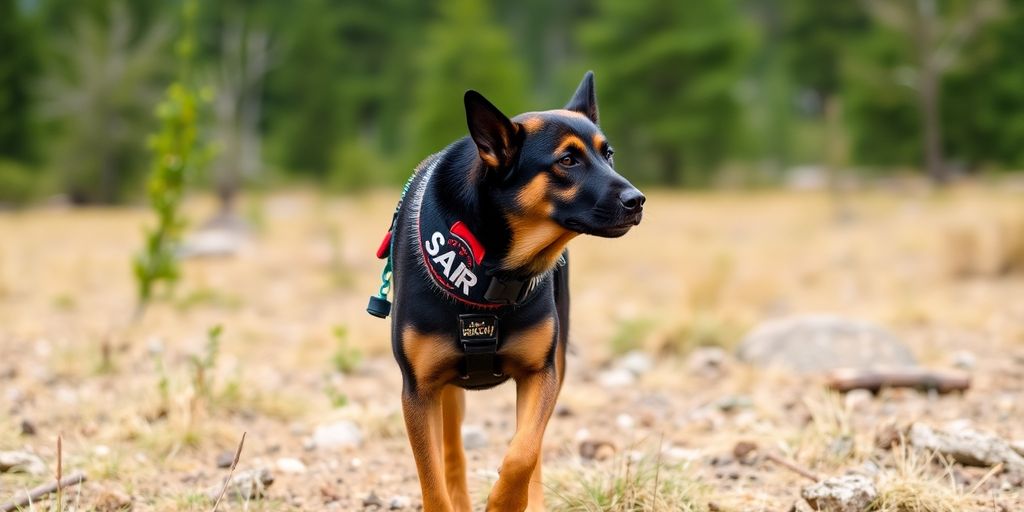
Training a Search and Rescue (SAR) dog is no walk in the park. It’s a mix of structured exercises and real-world practice. Let’s break down the essential techniques to get your furry friend ready for the job.
Obedience Training for SAR Success
Obedience is the backbone of any SAR dog’s skill set. Without consistent obedience, a SAR dog can’t perform effectively in the field. Start with the basics: sit, stay, come. But don’t stop there. Off-leash obedience is crucial, so practice in various environments. Keep sessions short but frequent to maintain focus. Reinforce commands with treats or playtime. Remember, patience is key.
Building Endurance and Agility
SAR dogs need to be fit and agile. Think of them as canine athletes. Incorporate activities like running, swimming, and obstacle courses into their routine. Swimming, for instance, is great for building endurance without straining joints. Agility courses improve coordination and speed. Here’s a simple weekly plan:
- Monday: Light jog and basic agility drills
- Wednesday: Swimming or water play
- Friday: Obstacle course and advanced agility
Mix it up to keep your dog engaged and challenged.
Scent Detection and Tracking Skills
The art of scent detection is what makes SAR dogs exceptional. Introduce scent games early on. Start with simple hide-and-seek using a favorite toy or treat. Gradually increase the complexity by hiding items further away or in more challenging spots. Use a variety of scents to broaden their detection abilities.
"A SAR dog’s nose is its superpower. Harness it with practice and persistence."
For more detailed strategies on training SAR dogs, check out our effective methods for training Search and Rescue dogs. This guide covers foundational techniques, advanced training strategies, and specialized scent training.
Advanced Training Methods for SAR Dogs
Simulating Real-Life Scenarios
Training a search and rescue (SAR) dog goes beyond basic skills. It’s about getting them ready for real-life situations. Start by setting up mock scenarios that mimic actual search environments. This might involve using different terrains, like forests or urban settings. You could also create distractions, like other animals or loud noises, to see how your dog reacts. Realistic training prepares your dog for the unexpected.
Incorporating Environmental Challenges
SAR dogs need to be versatile and adaptable. Introduce your dog to various environmental challenges. For instance, practice in different weather conditions, such as rain or snow. You can also take your dog to new locations, like beaches or mountains, to expose them to diverse terrains. This helps improve their problem-solving skills and adaptability.
Enhancing Focus and Concentration
Focus is key in SAR operations. To boost your dog’s concentration, engage them in exercises that require sustained attention. Games like hide-and-seek are great for this. You can also use scent puzzles, where your dog has to find a hidden object using only their sense of smell. Over time, gradually increase the difficulty to keep your dog engaged and challenged.
Training a SAR dog is a commitment. It requires patience, consistency, and a willingness to adapt methods to fit the dog’s unique needs. The goal is to make them ready for any situation, ensuring they can perform their duties effectively.
For those interested in specialized training, consider enrolling in a 3-day course that covers high-traffic searches and safety protocols. It’s a great way to deepen your understanding and improve your dog’s capabilities.
Certification and Ongoing Development for SAR Dogs
Understanding SAR Certification Requirements
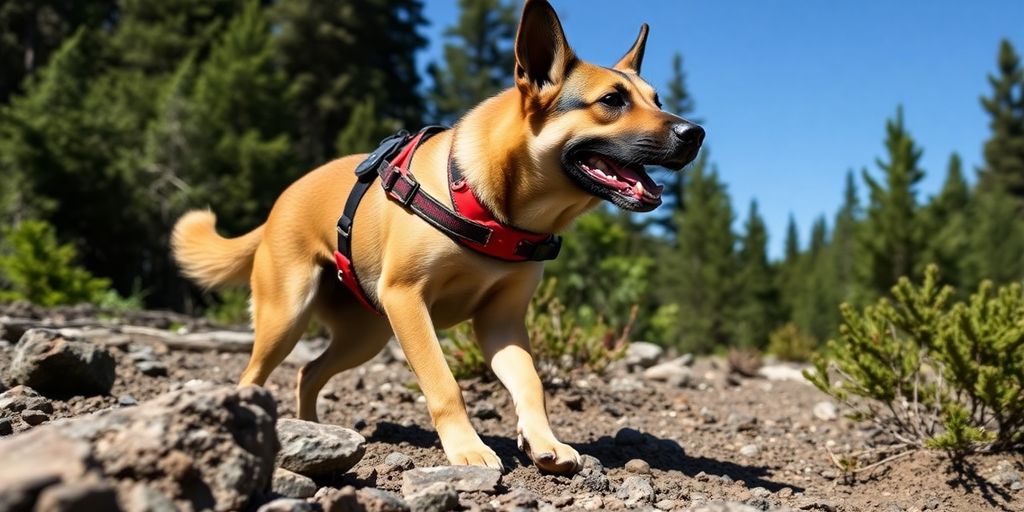
Getting a dog certified for search and rescue (SAR) work is no walk in the park. It involves rigorous training and testing to ensure your dog is up to the task. Certification is crucial because it verifies that your dog can perform effectively in real-life rescue situations. The process usually includes passing tests in off-leash obedience, agility, endurance, and scent trailing. Organizations like the National Association of Search and Rescue (NASAR) and the National Search Dog Alliance (NSDA) offer certification programs. These programs are designed to test a dog’s ability to work under various conditions and with different people.
Continuous Skill Development
Once certified, a SAR dog’s training doesn’t just stop. Regular practice is key to maintaining and improving their skills. You can incorporate different activities to keep your dog sharp, like playing hide-and-seek or practicing in various environments.
- Practice obedience training: Regular sessions help reinforce commands.
- Simulate real-life scenarios: Use different terrains and weather conditions.
- Engage in scent work: Keep your dog’s nose sharp by hiding objects for them to find.
Maintaining Physical and Mental Health
A SAR dog’s job is demanding, and keeping them in top shape is essential. Ensure your dog gets a balanced diet and regular exercise to maintain physical health. Mental health is just as important, so engage them in activities that stimulate their mind. Regular vet check-ups can help catch any health issues early.
Ensuring your SAR dog is both physically and mentally fit will not only extend their working life but also their overall well-being.
The Role of Handlers in SAR Training
Building a Strong Handler-Dog Relationship
The bond between a handler and their search and rescue (SAR) dog is like no other. Trust forms the backbone of this relationship, ensuring that both handler and dog can work seamlessly in high-pressure situations. Handlers need to spend ample time with their dogs, engaging in activities that reinforce trust and mutual respect. Regular playtime, consistent training sessions, and even simple daily routines help in nurturing this bond. It’s not just about commands; it’s about understanding each other’s cues and behaviors, which becomes crucial during real rescue missions.
Effective Communication Techniques
Communication is key in any relationship, and it’s no different for handlers and their SAR dogs. Handlers must learn to read their dog’s body language and signals accurately. Dogs, in turn, need to understand both verbal commands and hand signals. Training should include a variety of communication methods to ensure clarity. For example, certain hand gestures can be used to direct the dog in noisy environments where verbal commands might be lost. Consistency in these commands is vital to avoid confusion.
Safety and Preparedness in SAR Operations
Handlers should be equipped to manage their dogs in disaster zones and must recognize and react to their dogs’ alerts when searching for missing individuals. Safety is paramount in SAR operations, not just for the dogs but also for handlers. This involves being prepared with the right gear, understanding the terrain, and having a plan for various scenarios. Handlers should also be trained in first aid for both humans and dogs, ensuring they can respond to injuries swiftly. Regular drills and simulations help in maintaining a high level of preparedness and ensuring that both handler and dog can operate safely and effectively in challenging environments.
The relationship between a handler and their dog is the cornerstone of successful search and rescue missions. This bond, built on trust and clear communication, ensures that both can operate efficiently even in the most challenging conditions.
Common Challenges and Solutions in SAR Training
Overcoming Training Plateaus
Training plateaus can be frustrating, but they are a normal part of the learning process. Dogs, like humans, can hit a point where progress seems to stall. To tackle this, switch up your routine. Introduce new environments or vary the tasks to reignite your dog’s interest. Sometimes, a change of scenery or a new challenge can make all the difference. Keep sessions short and engaging, and always end on a positive note.
Addressing Behavioral Issues
Behavioral issues can crop up during training, from barking to ignoring commands. It’s important to address these promptly. Use positive reinforcement to encourage good behavior. If your dog struggles with a specific command, break it down into smaller steps. Consistency is key, so make sure everyone involved in the training is on the same page. If problems persist, consulting a professional trainer might be necessary.
Adapting to Different Search Environments
SAR dogs must be versatile, working in various environments, from urban areas to wilderness. Start by gradually exposing your dog to different settings. Use positive reinforcement to build confidence in new environments. Practice in diverse locations to ensure your dog can adapt quickly. Remember, each environment will present unique challenges, so be patient and supportive as your dog learns to navigate them.
Training a search and rescue dog is a journey filled with ups and downs. Staying patient and adaptable is crucial, as is celebrating small victories along the way.
- Rotate training locations to prevent monotony.
- Use treats and praise to reinforce positive behavior.
- Be patient and adjust expectations based on the environment.
For more tips on building a strong bond and trust with your dog, check out our essential tips.
Training dogs for search and rescue (SAR) can be tough. Many trainers face issues like keeping the dogs focused, managing their energy, and ensuring they learn effectively. To tackle these challenges, it’s important to use positive reinforcement, stay patient, and adapt training methods to each dog’s needs. If you’re looking for more tips and resources on dog training, visit our website for expert advice and support!
Conclusion
Training a dog for search and rescue is no small feat. It takes time, patience, and a lot of dedication. But when you see your dog in action, helping to save lives, it’s all worth it. Remember, every dog is different, and what works for one might not work for another. Keep trying different techniques, stay consistent, and most importantly, enjoy the journey with your furry friend. Whether you’re playing hide-and-seek or practicing in the snow, every moment spent training is a step closer to success. So, grab those treats, lace up your boots, and get ready for an adventure with your future hero.
Frequently Asked Questions
What are search and rescue dogs?
Search and rescue dogs, or SAR dogs, are specially trained to find missing people in different situations, such as in the wilderness or after natural disasters.
How long does it take to train a SAR dog?
Training a SAR dog can take anywhere from 6 months to 2 years, depending on the dog’s progress and the specific skills needed.
What breeds are best for search and rescue?
Breeds like German Shepherds, Labrador Retrievers, and Bloodhounds are popular for SAR work due to their intelligence, strength, and keen sense of smell.
Can any dog become a SAR dog?
Not every dog is suited for SAR work. Dogs need to be intelligent, trainable, and have good endurance to succeed in SAR training.
Why is obedience important for SAR dogs?
Obedience is crucial because SAR dogs must follow commands precisely to ensure successful search and rescue missions.
How do SAR dogs get certified?
SAR dogs become certified by completing specialized training programs and passing exams that test their skills and abilities.