

Training a dog not to chase can feel like a daunting task, especially when their instincts kick in and they take off after anything that moves. Whether it’s a squirrel, a car, or even a jogger, this behavior can be dangerous for both your dog and others. The good news? With the right strategies, a little patience, and some consistency, you can help your dog resist these urges and keep everyone safe. This guide covers everything you need to know to get started.
Key Takeaways
- Understanding why dogs chase is the first step in addressing the behavior.
- Building trust and using positive reinforcement makes training more effective.
- Teaching commands like ‘stay’ and ‘leave it’ can help curb chasing.
- Consistency and patience are critical throughout the training process.
- If needed, consult a professional for tailored advice and support.
Understanding the Root Causes of Chasing Behavior
The Role of Instincts and Genetics
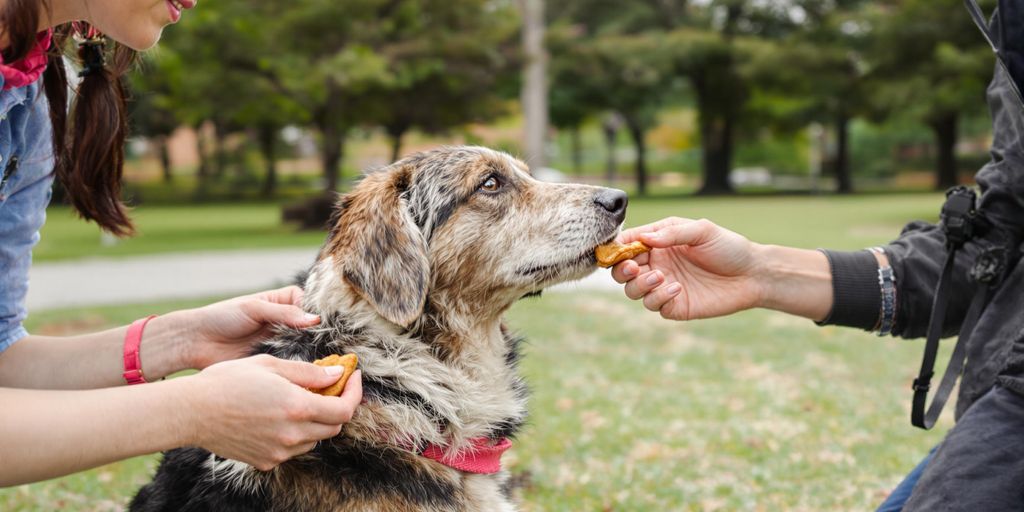
Dogs have a natural urge to chase, and this behavior is often tied to their genetic makeup. Breeds like herding dogs, terriers, and hunting breeds are particularly prone to chasing because it aligns with their historical roles. For example, herding dogs were bred to control livestock, while terriers were tasked with pursuing small prey. This instinctual drive is not inherently bad—it’s just part of who they are. However, understanding this foundation helps you work with your dog’s nature rather than against it.
Environmental Triggers and Their Impact
Sometimes, it’s the world around your dog that sparks the chase. Moving objects like squirrels, cars, or even a blowing leaf can be irresistible. Other triggers might include:
- Sounds, like the rustling of bushes or a squeaky toy.
- Open spaces that encourage running.
- Specific scents that pique their curiosity.
Carefully observing your dog can help you identify what sets them off. Keeping a journal of these triggers can be a useful way to spot patterns and manage their exposure.
How Past Experiences Shape Chasing Tendencies
A dog’s history plays a big role in their behavior. If they’ve been rewarded—intentionally or not—for chasing in the past, they’re more likely to repeat it. For instance, a dog that successfully caught a squirrel might see chasing as a fun and rewarding activity. On the flip side, negative experiences, like being scolded or injured during a chase, can create anxiety or even aggression.
Understanding why your dog chases isn’t about blaming them—it’s about recognizing the mix of instincts, environment, and experiences that drive their behavior. This insight is the first step toward effective training.
Preparing for Training: Building a Strong Foundation
Establishing Trust and Communication
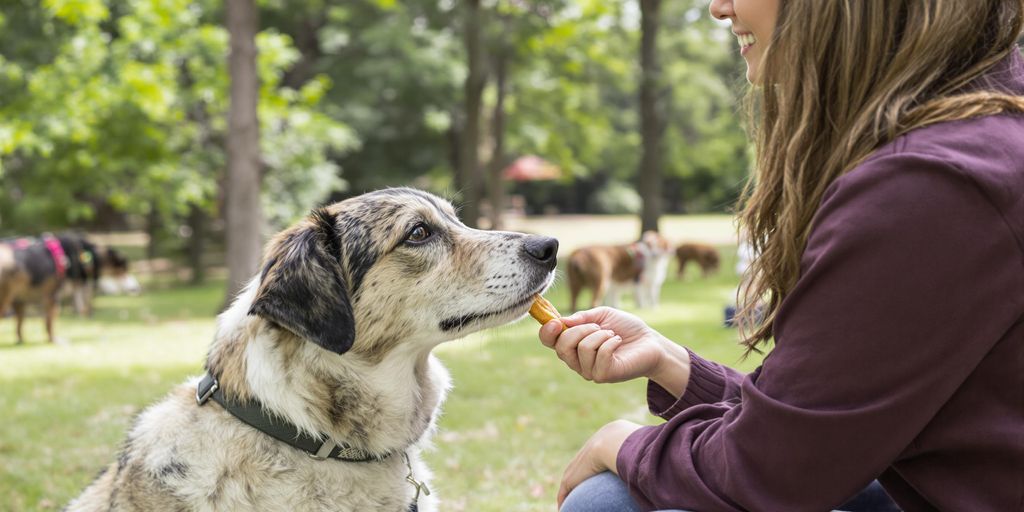
Before you even think about training, it’s key to build a solid relationship with your dog. Trust is the bedrock of all successful training efforts. Dogs are more likely to listen and respond if they feel secure and understood. Here’s how to lay that groundwork:
- Consistent Signals: Always use the same words or gestures for commands. For example, if you’re teaching “stay,” don’t mix it up with “wait.” Dogs thrive on clarity.
- Positive Reinforcement: Reward good behavior with treats, toys, or praise. This makes training a fun and rewarding experience for both of you.
- Quality Time: Spend time playing, walking, or just hanging out. These moments strengthen your bond and make your dog more receptive to your guidance.
A dog that trusts you will want to work with you—not against you.
Gathering Essential Training Tools
Having the right tools can make or break your training sessions. Think of these items as your training toolkit:
| Tool | Purpose |
|---|---|
| Long Line | Gives your dog freedom while allowing you to maintain control. |
| Harness | Provides comfort and control, especially for dogs that pull or lunge. |
| Treats | High-value rewards keep your dog motivated and focused. |
| Toys | Great for dogs who respond better to play than food. |
| Clicker | Marks the exact moment your dog does something right for precise cues. |
Creating a Distraction-Free Learning Environment
Dogs, like people, learn best when they can focus. Start training in a calm, quiet space before moving to more challenging environments. Here’s how to set the stage:
- Choose a Quiet Spot: Begin in a familiar place like your backyard or living room. Avoid busy parks or noisy streets at first.
- Limit Distractions: Remove toys, other pets, or anything that might grab your dog’s attention.
- Ensure Safety: If you’re working outside, use a fenced area or a long leash to keep your dog secure.
Once your dog masters the basics, you can slowly introduce distractions to simulate real-world scenarios. This gradual approach helps them stay focused even in chaotic situations.
By focusing on trust, using the right tools, and creating the ideal learning environment, you’re setting your dog up for success. Training becomes less about control and more about teamwork, which is what every dog-owner relationship should aim for.
Basic Training Techniques to Curb Chasing
Teaching Foundational Commands Like ‘Stay’ and ‘Leave It’
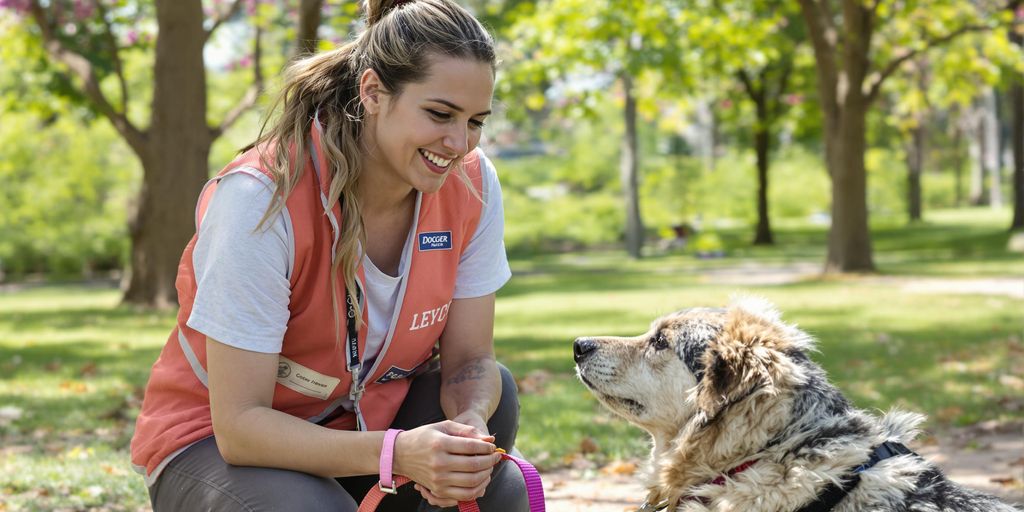
Training your dog to follow simple commands like "Stay" and "Leave It" is the first step in controlling their chasing instincts. These commands act as the building blocks for more advanced training. Start in a quiet space with minimal distractions and use treats or toys your dog loves as rewards.
Steps to teach "Stay":
- Ask your dog to sit.
- Hold your hand up, palm facing them, and say "Stay."
- Take a small step back—if they hold their position, reward them immediately.
- Gradually increase the distance and duration over time.
For "Leave It":
- Place a treat on the ground but cover it with your hand.
- When your dog stops trying to grab it, say "Leave It" and give them a different treat.
- Repeat until they understand that "Leave It" means to stop focusing on the object.
Using Positive Reinforcement Effectively
Positive reinforcement is all about rewarding the behavior you want to see more of. If your dog ignores a squirrel or resists the urge to chase, immediately reward them with a treat, toy, or verbal praise. Timing is everything here—rewards need to happen immediately after the desired behavior to make the connection clear.
Some tips for effective reinforcement:
- Use high-value treats that your dog doesn’t get every day.
- Keep training sessions short but frequent to maintain their interest.
- Mix up rewards occasionally to keep your dog motivated.
The Importance of Consistency and Patience
Consistency and patience are your best friends when training a dog not to chase. Dogs thrive on routine, so use the same commands, tone of voice, and rewards every time. If you let them chase "just this once," it can undo weeks of progress.
A few reminders:
- Practice daily, even if only for a few minutes.
- Be patient—progress might be slow, but small wins add up.
- Avoid punishment; it can confuse your dog and harm your bond.
Training a dog to curb chasing behavior takes time, but every small success strengthens the trust and understanding between you and your pet.
Advanced Strategies for Managing Chasing Behavior
Desensitization to Common Triggers
Desensitization is about helping your dog get used to the things that set them off. Start by identifying what triggers your dog’s urge to chase—maybe it’s squirrels, bicycles, or even joggers. The key here is to expose your dog to these triggers gradually and in a controlled way. For example:
- Keep your distance: Start far enough away from the trigger so your dog notices it but doesn’t react.
- Pair it with rewards: Use treats or praise every time your dog stays calm around the trigger.
- Close the gap slowly: Over time, decrease the distance as your dog gets more comfortable.
This process takes time, but it’s worth it. You’re essentially teaching your dog that the trigger doesn’t mean “chase mode.”
Redirecting Focus with Toys and Treats
Sometimes, the best way to stop a chase is to give your dog something better to do. High-value distractions, like a favorite toy or a tasty treat, can work wonders. Here’s how you can use them effectively:
- Engage their attention early: Before your dog locks onto the trigger, call their name and offer a treat or toy.
- Play games: Activities like fetch or tug-of-war can channel your dog’s energy in a safer direction.
- Reward focus: If your dog looks at you instead of the trigger, reward them immediately. This reinforces the idea that paying attention to you is more rewarding than chasing.
This isn’t just about stopping a chase—it’s about teaching your dog to look to you for guidance when they’re unsure.
Enhancing Recall in High-Distraction Scenarios
A solid recall command can be a lifesaver, literally. But teaching it in a high-distraction environment takes practice. Follow these steps:
- Start small: Begin in a quiet area with minimal distractions. Use a long leash for safety.
- Use irresistible rewards: Think of something your dog absolutely loves, like a special treat or toy.
- Practice often: Call your dog’s name and say “Come!” When they do, reward them generously.
- Add distractions gradually: Once your dog reliably responds, introduce mild distractions and slowly increase the difficulty.
Remember, consistency is key. If your dog knows that coming back to you always leads to something good, they’ll be more likely to obey, even when tempted by a chase.
Training a dog to manage their chasing instincts isn’t just about stopping bad behavior—it’s about building trust and creating a stronger bond between you and your furry friend.
For more insights on managing specific triggers like light-chasing, check out our guide on understanding triggers and fostering calm environments.
Safety Measures and Management Tips
Adhering to Leash Laws and Secure Areas
Keeping your dog safe starts with following local leash laws and ensuring they are in secure environments. Leash laws exist to protect everyone—your dog, other pets, wildlife, and people. Even if your dog is usually well-behaved, unpredictable situations can arise. A leash gives you control when it matters most.
When you allow your dog to roam off-leash, make sure it’s in a designated area like a fenced yard or a dog park. These spaces let your dog enjoy freedom without the risk of running into traffic or encountering unsafe conditions.
Using Visual and Audible Cues for Control
Visual and audible cues are a great way to communicate effectively with your dog, especially in situations where they might be tempted to chase. For example, a hand signal paired with a verbal command like "Stop" can grab your dog’s attention quickly. Over time, consistent use of these cues can help you redirect their focus before they act on their chasing instincts.
Here’s a simple table outlining common cues:
| Cue Type | Example | Purpose |
|---|---|---|
| Visual Signal | Hand raised | Stop movement |
| Audible Signal | Whistle | Recall or attention grab |
| Verbal Command | "Leave it" | Redirect focus |
When to Seek Professional Help
Sometimes, managing chasing behavior requires more than just effort at home. If your dog’s chasing tendencies are persistent or getting worse, it might be time to consult a professional. A certified dog trainer or behaviorist can assess your dog’s specific needs and create a tailored plan to address the issue. They can also help you understand if underlying factors, like anxiety or a strong prey drive, are contributing to the problem.
Remember, prioritizing safety doesn’t just protect your dog—it also fosters a better relationship between you and your pet, making every outing more enjoyable and stress-free.
Avoiding Common Mistakes in Chasing Prevention
Why Punishment-Based Methods Fail
Using punishment to stop chasing behavior might seem like a quick fix, but it often backfires. Punishment-based methods can harm the trust between you and your dog, making them fearful or even more reactive. Instead of learning what not to do, your dog may become confused and anxious. A better approach is to stick with positive reinforcement, rewarding the behavior you want to see rather than punishing the behavior you don’t.
The Risks of Inconsistent Training
Inconsistent training sends mixed signals to your dog. If one day you allow them to chase a squirrel and the next day you scold them for it, they won’t understand what’s expected. To avoid this, make sure everyone in your household is on the same page about the rules and commands. Consistency is key for clear communication and long-term success.
Recognizing and Addressing Overtraining
Training sessions that are too long or too frequent can overwhelm your dog, leading to frustration or burnout. Dogs need time to process what they’ve learned, so short, focused sessions are more effective. Watch for signs of stress, like yawning, avoiding eye contact, or excessive panting, and adjust your approach if needed. Remember, quality always trumps quantity when it comes to training.
The Role of Professional Guidance in Training
When to Consult a Dog Behaviorist
Sometimes, no matter how much effort you put into training, your dog’s chasing behavior might persist. It could even become dangerous—for them, for you, or for others. If this happens, it’s time to consider bringing in a professional. A certified behaviorist can pinpoint the root causes of the chasing and create a tailored plan to address it. If you’re feeling overwhelmed or unsure how to proceed, don’t hesitate to seek help. It’s not about admitting failure; it’s about ensuring safety and progress.
Benefits of Structured Training Programs
Enrolling in a structured training program can be a game-changer. These programs are often led by experienced trainers who specialize in dealing with challenging behaviors like chasing. Here’s what you can expect:
- Personalized Attention: Trainers can assess your dog’s unique triggers and behaviors.
- Proven Techniques: Programs often use evidence-based methods like positive reinforcement.
- Supportive Environment: Your dog can learn in a controlled setting, reducing distractions and risks.
Structured programs provide a framework that’s hard to replicate on your own. They also give you the tools and confidence to continue training at home.
Tailoring Strategies to Individual Dogs
Not all dogs are the same, and their training shouldn’t be either. A professional trainer will take into account your dog’s breed, age, temperament, and past experiences. For example, a high-energy herding breed might need a different approach than a laid-back companion dog. Tailored strategies ensure that the training is effective and respectful of your dog’s individual needs.
Working with a professional isn’t just about fixing problems; it’s about building a stronger bond with your dog. With the right guidance, you’ll both learn and grow together.
For dogs who struggle with chasing cars or bikes, keeping them on a leash during walks in high-traffic areas is vital. Leash training can prevent accidents and help you maintain control in challenging situations.
Professional guidance plays a crucial role in dog training. Having an expert by your side can make a big difference in how well your dog learns. They can help you understand your dog’s needs and teach you the best ways to train them. If you’re looking for the right training course, check out our website for helpful tips and resources. Don’t wait—start your journey to a better relationship with your dog today!
Wrapping It Up: Training Your Dog Not to Chase
Teaching your dog not to chase is no small task, but it’s absolutely doable with the right approach. It’s all about patience, consistency, and understanding your dog’s unique personality. Remember, this isn’t about suppressing their instincts—it’s about guiding them to make safer choices. Celebrate the small wins along the way, and don’t hesitate to seek help if you’re feeling stuck. At the end of the day, the effort you put in doesn’t just make your dog safer; it strengthens the bond you share. And honestly, isn’t that what being a pet parent is all about?
Frequently Asked Questions
Why do dogs chase things?
Dogs chase due to their natural instincts, such as hunting or herding. Moving objects like squirrels or cars trigger their prey drive or playful nature.
How can I stop my dog from chasing?
You can train your dog using commands like “stay” or “leave it,” reward them for calm behavior, and redirect their attention with toys or treats.
What tools can help with training?
Leashes, clickers, treat pouches, and high-value treats can make training sessions more effective and help manage your dog’s behavior.
Is punishment effective for stopping chasing?
No, punishment can harm your relationship with your dog and increase fear or aggression. Positive reinforcement works better for long-term results.
When should I seek professional help?
If your dog’s chasing behavior poses safety risks or if training at home isn’t effective, consulting a dog behaviorist or trainer is a good idea.
Can all dogs be trained to stop chasing?
Yes, most dogs can learn to manage their chasing instincts with consistent training, patience, and the right techniques tailored to their needs.