
Getting your dog to fetch in the water can be a really fun way to bond and give them some good exercise. It’s not just about throwing a toy; it’s about helping your dog feel good and safe around water. This guide will walk you through how to teach your dog to fetch in water, starting from the very basics and moving up to more interesting stuff. We’ll cover everything you need to know to make your dog a water-loving fetch champ.
Key Takeaways
- Always check how your dog feels about water before you start. Some dogs jump right in, others need a gentle push.
- Start small, like in shallow puddles or kiddie pools, then slowly go deeper as your dog gets more comfortable.
- Use toys that float well and are easy for your dog to see and grab in the water.
- Keep training sessions fun and positive. Use treats and praise a lot to keep your dog interested.
- Safety first! Always be aware of the water conditions, especially in places like oceans or lakes with currents.
Getting Started With Water Training
Before you even think about tossing a ball into the lake, it’s important to lay some groundwork. Water fetch can be an amazing activity for you and your dog, but it’s essential to approach it the right way. We’re talking about safety, comfort, and building a solid foundation. Let’s dive in!
Assessing Your Dog’s Comfort Level
Not all dogs are natural swimmers, and that’s perfectly okay! Some breeds are built for it, while others might be a bit more hesitant. The first step is to gauge your dog’s comfort around water. Start with simple things like splashing in puddles or walking along the edge of a calm stream. Watch their body language closely. Are they relaxed and curious, or are they showing signs of anxiety like panting, tail tucking, or trying to pull away? Never force your dog into the water; it can create a negative association that’s hard to overcome. If your dog seems nervous, take it slow and reward them for even small steps of progress. You might even consider starting with a kiddie pool in your backyard to get them used to the feeling of water on their paws. Remember, patience is key!
Essential Gear for Water Fetch
Having the right gear can make a huge difference in your dog’s water fetch experience. It’s not just about toys; it’s about safety and comfort too. Here’s a quick rundown of some must-have items:
- Dog Life Vest: This is non-negotiable, especially if your dog isn’t a strong swimmer or you’re planning on fetching in deeper water. A good life vest will provide buoyancy and help your dog stay afloat, reducing the risk of fatigue and accidents. Look for one with a handle on top so you can easily lift your dog out of the water if needed.
- Floating Fetch Toy: Regular tennis balls can get waterlogged and sink, making them difficult for your dog to retrieve. Invest in a floating fetch toy specifically designed for water play. These toys are usually made of durable, buoyant materials and come in bright colors for easy visibility.
- Towel: A good absorbent towel is a must for drying off your dog after a swim. This will help prevent them from getting cold and also protect your car from muddy paw prints.
- Fresh Water: Always bring fresh water for your dog to drink, especially if you’re fetching in saltwater. Saltwater can dehydrate dogs quickly, so it’s important to keep them hydrated.
- First-Aid Kit: It’s always a good idea to have a basic first-aid kit on hand in case of minor injuries. Include items like antiseptic wipes, bandages, and tweezers for removing splinters or ticks.
Building Basic Fetch Skills on Dry Land
Before you introduce water, make sure your dog has a solid understanding of the basic fetch command on dry land. This will make the transition to water much smoother. If your dog already knows how to play fetch in the water, great! If not, here’s what you need to do:
- Start with a toy your dog loves. Get their attention and show them the toy.
- Toss the toy a short distance. Encourage your dog to go get it.
- Use a verbal cue like "Fetch!" as you throw the toy.
- When your dog brings the toy back, praise them enthusiastically and give them a treat.
- Repeat the process several times, gradually increasing the distance of the throw.
It’s important to keep these training sessions short and positive. End on a high note, before your dog gets bored or tired. Consistency is key, so practice regularly, even if it’s just for a few minutes each day. Once your dog consistently retrieves the toy and brings it back to you on dry land, you’re ready to start introducing water.
Introducing Fetch in Shallow Water
Now that your dog is comfortable with basic fetch on land, it’s time to get their paws wet! This stage is all about building confidence and making sure they associate water with fun. We’re not aiming for Olympic swimming just yet; we’re just trying to make the water a happy place.
Choosing the Right Location
Location is key. You’re looking for a spot with calm, shallow water. Think gentle sloping beaches or the edge of a calm lake. Avoid areas with strong currents, sudden drop-offs, or lots of boat traffic. The goal is to minimize any potential hazards and keep your dog feeling safe and secure. A good spot will have easy access and a clean shoreline. Also, make sure it’s a dog-friendly area! You don’t want to get kicked out mid-session. A good location will help with water confidence.
Encouraging Initial Water Entry
Some dogs are natural water babies, while others need a little coaxing. Don’t force anything! Start by just walking along the edge of the water with your dog. Use a happy, encouraging voice. Toss a toy close to the shoreline so they can easily grab it without getting more than their paws wet. If they’re hesitant, try wading in yourself and calling them to you. Make it a game! Bring treats and reward them for any positive interaction with the water, even if it’s just sniffing it. The idea is to create positive associations, not to scare them. Remember, patience is key. It might take several sessions before they’re ready to venture further.
Motivating Retrieval in the Shallows
Once your dog is comfortable entering the water, you can start introducing fetch. Begin by tossing the toy just a few feet into the water, so they only have to wade in a little bit. Use a floating toy to make it easier for them to see and grab. As they retrieve the toy, offer lots of praise and a treat when they bring it back. Gradually increase the distance of your throws as their confidence grows. If they seem hesitant at any point, go back to shorter throws. Keep the sessions short and fun, ending on a positive note. This helps ensure they look forward to the next water adventure. Remember to work on dropping the ball at your feet.
Progressing to Deeper Water Fetch
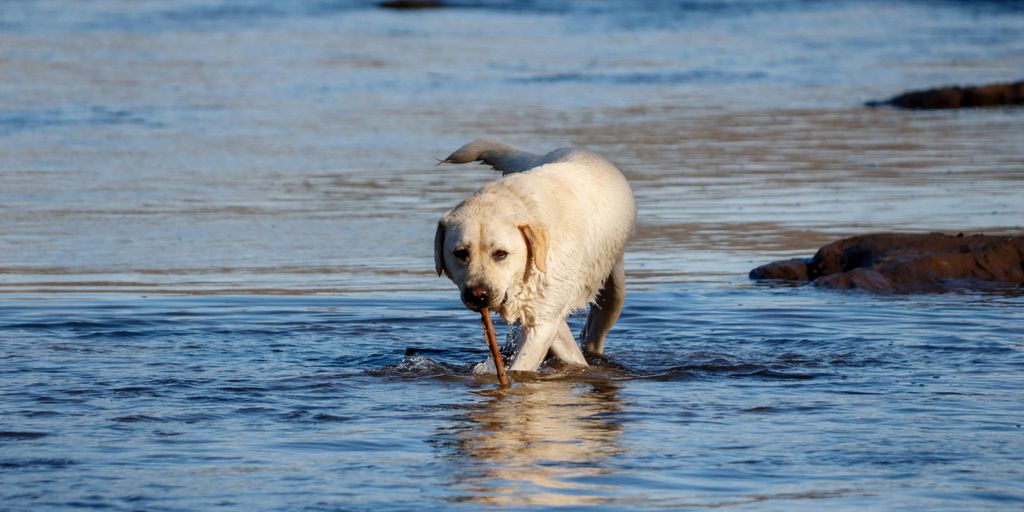
Okay, so your dog is happily splashing around in the shallows, bringing back that favorite toy. Awesome! Now it’s time to think about moving into deeper water. This is where things can get really fun, but it’s also important to proceed carefully and make sure your dog is comfortable every step of the way. We don’t want to scare them or make them lose confidence.
Gradually Increasing Depth
Don’t just suddenly chuck the toy way out into the lake! That’s a recipe for disaster. Instead, gradually increase the depth. Start by tossing the toy just a little bit further each time, so your dog has to swim a bit more to get it. Watch their body language closely. Are they still excited and eager, or are they starting to look hesitant? If they seem unsure, go back to a shallower depth for a while and build their confidence back up. The key is to make it a positive experience.
Think of it like this:
- Start in water where they can still touch the bottom.
- Increase the distance gradually, so they have to swim a few strokes.
- Watch for signs of fatigue or hesitation.
- Always end on a positive note, even if it means going back to the shallows for the last few throws.
Using Floating Toys Effectively
This might seem obvious, but floating toys are a must! A toy that sinks is just going to frustrate your dog and make them less likely to want to retrieve it. There are tons of great floating toys out there, from balls to dummies to even floating frisbees. Experiment to see what your dog likes best. Brightly colored toys are also a good idea, as they’re easier for your dog to see in the water, especially if it’s a bit murky. Also, consider the size of the toy. A smaller toy might be easier for a smaller dog to carry, while a larger dog might prefer something more substantial.
Maintaining Enthusiasm and Engagement
Keep the energy up! Use a happy, encouraging voice. Celebrate every successful retrieve with praise and maybe even a treat. If your dog starts to lose interest, take a break. Don’t try to force them to keep going if they’re not feeling it. Short, frequent sessions are usually better than one long, drawn-out session. Remember, the goal is to make water fetch a fun and rewarding activity for both of you. If you’ve already trained your dog to play fetch in the water, they might jump right in!
It’s also a good idea to vary the routine. Don’t just do the same thing over and over again. Try throwing the toy in different directions, or even hiding it near the water’s edge for them to find. This will keep them mentally stimulated and prevent them from getting bored.
Training Your Dog to Swim Underwater
Prerequisites for Underwater Swimming
Before you even think about getting your dog to swim underwater, there are a few things you absolutely need to make sure are in place. First and foremost, your dog needs to be a confident and capable swimmer. They should be comfortable in the water and able to swim for a decent amount of time without getting tired. Don’t rush this step; it’s the most important one. If your dog is hesitant or scared of the water, focus on building their confidence first with basic swimming exercises. Also, make sure your dog is in good health. A vet checkup is always a good idea before starting any new, strenuous activity.
Tools for Underwater Motivation
To get your dog excited about going underwater, you’ll need the right tools. Think about what motivates your dog the most. Is it toys or treats? For most dogs, a combination of both works best. Here’s a list of things that can help:
- Sinking Toys: These are great for encouraging your dog to go after them underwater. Choose brightly colored ones so they’re easy to see.
- High-Value Treats: Small, tasty treats can be used as rewards when your dog makes progress. Make sure they are safe for water use.
- Clicker: If you use clicker training, bring it along! It can help mark the exact moment your dog does something right.
- Dog Goggles (Optional): Some dogs are sensitive to water in their eyes. Goggles can help them see better underwater.
Techniques for Encouraging Submersion
Okay, now for the fun part! Here’s how to actually get your dog to start swimming underwater. Start in shallow water where your dog can easily stand. Toss a sinking toy a short distance and encourage them to go after it. As they get more comfortable, gradually toss the toy into slightly deeper water, so they have to put their face underwater to retrieve it.
Be patient and positive. Never force your dog to do anything they’re not comfortable with. Keep the sessions short and fun, and always end on a positive note. If your dog is hesitant, try luring them with a treat. Hold the treat just below the surface of the water and encourage them to reach for it. As they get more comfortable, gradually lower the treat further underwater. Remember to offer lots of praise and rewards when they succeed. You can also try beach outings to get them more comfortable with water in general.
Mastering Ocean Fetch
Ocean fetch is a whole different ball game compared to pool or lake fetch. The unpredictable nature of the ocean adds layers of complexity and excitement. It’s not just about throwing a toy; it’s about understanding the ocean’s power and ensuring your dog’s safety while having fun. You’ll need to be extra vigilant and prepared for anything.
Understanding Ocean Conditions
Before even thinking about tossing a ball into the surf, you need to become a mini-meteorologist. Pay close attention to the surf report. Check for things like wave height, tide times, and any warnings about rip currents. A seemingly calm beach can quickly turn dangerous, so knowledge is power. Also, be aware of marine life. Are there jellyfish warnings? Are seals known to frequent the area? Your dog’s safety is paramount, and that starts with understanding the environment.
Safety Considerations for Saltwater
Saltwater can be tough on dogs. They can easily ingest too much water while retrieving, leading to salt water poisoning. Always bring fresh water and offer it frequently. Watch for signs of dehydration or excessive salt intake, like vomiting or diarrhea. Also, be mindful of sharp objects hidden beneath the sand or lurking in the waves. Shells, rocks, and even debris can cause cuts and scrapes. Consider dog life jackets for added buoyancy and visibility, especially if your dog isn’t a strong swimmer.
Adapting Fetch for Waves and Tides
Waves and tides change the game completely. A gentle wave can sweep a toy further out than you intended, and a receding tide can create strong currents. Adjust your throwing technique to account for these factors. Shorter throws are generally safer, and it’s a good idea to practice in calmer conditions before tackling bigger waves. Keep your dog within sight at all times, and be ready to call them back if they get too far out. Remember, the goal is to have fun, not to push your dog beyond their limits. If your dog won’t fetch, consider troubleshooting guide.
Ocean fetch requires constant vigilance and adaptability. Never underestimate the power of the ocean, and always prioritize your dog’s safety above all else. With careful planning and a healthy dose of caution, you and your furry friend can enjoy countless hours of fun in the sun and surf.
Here’s a simple table to illustrate the impact of tides:
| Tide Level | Wave Height Impact | Current Strength | Recommended Throw Distance |
|---|---|---|---|
| High Tide | Increased | Weaker | Shorter |
| Low Tide | Decreased | Stronger | Very Short |
| Mid Tide | Moderate | Moderate | Moderate |
Exploring Dock Jumping
Dock jumping is an exciting canine sport that combines a dog’s love for water with their natural retrieving instincts. It’s a thrilling activity to watch and even more fun to participate in. The core of dock jumping involves a dog running down a dock and leaping into the water, aiming for distance or a specific target.
Introduction to Dock Diving
Dock diving, also known as dock jumping, is a sport where dogs compete by jumping off a dock into a body of water. Enthusiasm is key here. It’s not just about the jump; it’s about the dog’s drive and excitement. Many dogs take to it naturally, while others need a bit of encouragement. It’s a fantastic way to bond with your dog and provide them with a stimulating physical and mental workout. If your dog already loves to fetch in the water, dock diving might be the next step.
Setting Up for Dock Jumps
To get started with dock jumping, you’ll need a few things. First, find a suitable location. This could be a lake with a dock, a specialized dock diving facility, or even a pool designed for dogs. Make sure the water is clean and safe for swimming. You’ll also need your dog’s favorite toys, some tasty treats for positive reinforcement, and a long leash for safety. It’s also a good idea to have a dog life vest on hand, especially when starting out.
Progressing from Shore to Dock
Introducing your dog to dock jumping should be a gradual process. Start by getting them comfortable with the dock itself. Let them walk around, sniff, and explore. Next, encourage them to jump from the shore into the water to retrieve a toy. Once they’re confident with that, you can start moving closer to the dock. Begin with short jumps from the dock, gradually increasing the distance as your dog becomes more comfortable. Always use positive reinforcement and make it a fun experience for your furry friend.
Dock diving can be an amazing activity for dogs who love the water. It’s important to remember that safety should always be the top priority. Never force your dog to jump if they’re not comfortable, and always supervise them closely in and around the water. With patience and positive reinforcement, you can help your dog become a confident and enthusiastic dock jumper.
Advanced Water Fetch Techniques
Improving Retrieval Speed
So, your dog loves fetching in the water, but they’re taking their sweet time getting back? Let’s work on that! One of the best ways to improve retrieval speed is through positive reinforcement. Use high-value treats and enthusiastic praise when they return quickly. You can also introduce a bit of competition by having another person or dog wait nearby, creating a sense of urgency. Shorten the distance of the throws initially, focusing on speed over distance, and gradually increase the length as they improve. Remember to keep it fun and avoid pushing them too hard, which can lead to discouragement.
Teaching Multi-Object Fetch
Ready to up the ante? Multi-object fetch can be a great mental and physical workout for your dog. Start by introducing two floating toys. Throw them a short distance apart and encourage your dog to retrieve one, then the other. You might need to initially guide them towards the second object. As they get better, increase the distance between the objects and eventually, you can even introduce three or more. This requires a solid foundation in single-object fetch and a good understanding of directional commands like "left" and "right."
Incorporating Obstacles for Challenge
Want to really challenge your water-loving retriever? Try incorporating obstacles into their fetch routine. This could be anything from swimming around a buoy to going over a small floating platform. Start with simple obstacles and gradually increase the difficulty as your dog gains confidence. Make sure the obstacles are safe and don’t pose a risk of injury. This not only adds a physical challenge but also requires them to think and problem-solve, making it a great mental workout. You can even use a floating platform as a rest stop during longer fetch sessions.
Remember to always prioritize safety when introducing advanced techniques. Keep a close eye on your dog, and don’t push them beyond their limits. Water conditions can change quickly, so be aware of currents, tides, and potential hazards. A tired dog is more prone to mistakes, so end the session before they get exhausted.
Here’s a simple progression you can follow:
- Start with short distances.
- Introduce one obstacle at a time.
- Use positive reinforcement.
- Keep sessions short and fun.
Want to learn how to get your dog to fetch water like a pro? Our special guide shows you easy ways to teach your dog this cool trick. You’ll be amazed at how quickly your furry friend can learn to help out! Check out our website for the best dog training courses and start today.
Conclusion
So, there you have it. Getting your dog to fetch in the water is totally doable, and it’s a blast for both of you. Just remember to take it easy, be patient, and keep things fun. Every dog is different, so what works for one might not work for another. Don’t get discouraged if it takes a bit longer than you thought. The main thing is to build up their comfort around water and make sure they see it as a good time. With a little effort, you’ll have a happy, water-loving dog who can’t wait to splash around and bring back that toy. It’s a great way to bond and get some exercise, too!
Frequently Asked Questions
Do all dogs know how to swim naturally?
Not all dogs are natural swimmers! Some breeds, like Labradors, often love the water, while others might be more hesitant. It’s important to introduce your dog to water slowly and make it a positive experience. Never force a dog into the water.
What’s the best way to introduce my dog to water if they’re scared?
Start in shallow water where your dog can easily stand. Use their favorite floating toy or a tasty treat to encourage them to step in. Keep sessions short and fun, and always praise them for any progress.
Are there any important safety tips for water training?
Yes, safety is key! Always use a dog life vest, especially for beginners or in open water. Check the water quality for anything harmful, and be aware of currents or strong waves. Always supervise your dog closely.
Where are the best places to practice water fetch?
Look for a calm, shallow area with a gentle slope. Lakes, kiddie pools, or even a quiet part of a beach can be great starting points. Avoid areas with strong currents, sharp objects, or lots of distractions.
What kind of toys should I use for water fetch?
Floating toys are best, as your dog can easily see and grab them on the water’s surface. Durable rubber toys or special water fetch toys work well. Make sure they’re brightly colored so they’re easy to spot.
Can my dog learn to jump off a dock into the water?
Absolutely! Many dogs enjoy dock diving as a fun way to exercise and cool off. Start by getting them comfortable jumping from a low height into the water, then gradually increase the distance as they gain confidence.