
Getting your dog to heel isn’t just about showing off at the dog park. It’s a practical skill that makes walks more enjoyable and safe for both you and your furry friend. Whether you’re strolling through a busy city street or hiking a quiet trail, having your dog walk calmly by your side is a game changer. This guide will take you through each step, breaking down the process so you and your pup can master the heel command together.
Key Takeaways
- Start with basic commands like ‘sit’ and ‘stay’ before teaching ‘heel’.
- Choose a quiet, distraction-free place to begin training.
- Use treats and positive reinforcement to encourage your dog.
- Keep training sessions short to maintain your dog’s attention.
- Consistency and patience are key to successful training.
Understanding the Importance of Training a Dog to Heel
Benefits of a Well-Trained Dog
Training your dog to heel isn’t just about showing off at the park. It’s about creating a safe and enjoyable experience for both you and your dog. When your dog knows how to heel, walks become less of a tug-of-war and more of a pleasant stroll. You’ll notice your dog is more focused, less anxious, and more responsive to your commands. This can lead to a happier, healthier relationship with your pet.
Safety and Control During Walks
Imagine walking down a busy street with your dog pulling every which way. It’s stressful, right? Teaching your dog to heel gives you more control. This means fewer accidents and a safer environment for everyone. You can easily navigate through crowds, cross streets, and avoid potentially dangerous situations. Plus, when your dog is heeling, they’re less likely to dart off after a squirrel or another dog.
Strengthening the Human-Dog Bond
Heel training isn’t just about discipline. It’s also about building trust and communication between you and your dog. When your dog learns to heel, they’re not just following orders—they’re learning to work with you as a team. This shared experience can significantly strengthen your bond. You become a source of guidance and security, and your dog becomes more attuned to your needs and cues.
"Training your dog to heel is more than just a skill—it’s a journey to a deeper connection with your furry friend."
Incorporating these practices into your daily routine can make a world of difference. Not only will you enjoy your walks more, but your dog will too. Remember, a well-trained dog is a happy dog.
Preparing for Heel Training
Essential Commands to Master First
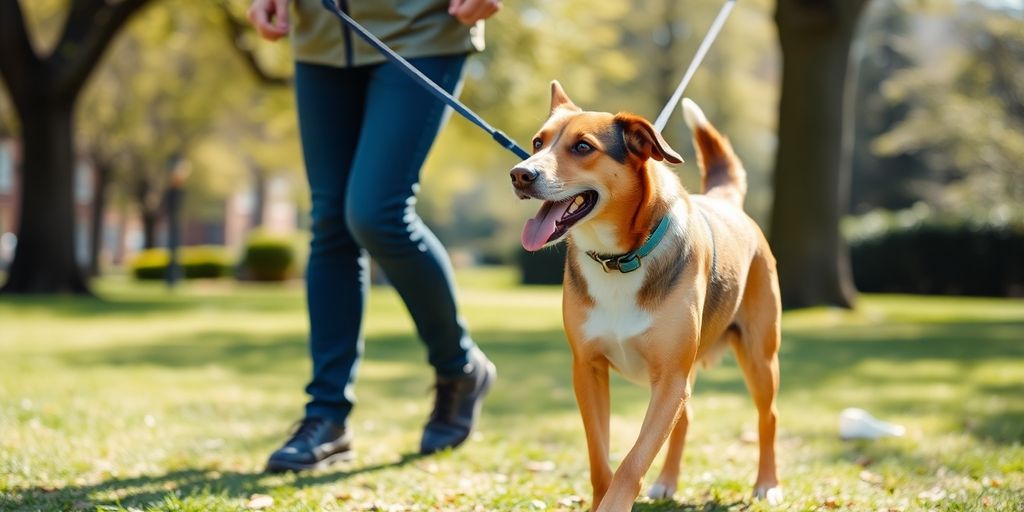
Before diving into heel training, it’s important to ensure your dog is familiar with some basic commands. Mastering these commands sets the foundation for successful heel training. Start with simple commands like "sit," "stay," and "come." These not only establish a line of communication between you and your dog but also help in maintaining their focus and obedience. Additionally, make sure your dog is comfortable with basic leash manners and responds to their name promptly. This groundwork is crucial for a smooth transition into heel training.
Choosing the Right Equipment
When it comes to heel training, the right equipment can make a big difference. A well-fitted collar or harness is essential to ensure your dog’s comfort and safety. Opt for a standard leash that provides enough control without being too restrictive. Avoid retractable leashes as they can encourage pulling and make it harder to maintain control. Some trainers also recommend using a training clicker to reinforce positive behavior. Remember, the goal is to create a positive and controlled environment for your dog.
Creating a Distraction-Free Environment
Starting heel training in a distraction-free environment is key to your dog’s success. Choose a quiet area, preferably indoors, where your dog can focus solely on you and the training session. This will help them learn the new command without external interruptions. As your dog becomes more comfortable with the heel command, you can gradually introduce mild distractions to test their focus and obedience. Eventually, practice in different settings to ensure your dog can heel reliably in various environments.
Preparing your dog for heel training is all about setting the stage for success. By mastering basic commands, choosing the right gear, and minimizing distractions, you’re laying the groundwork for effective and enjoyable training sessions. Remember, patience and consistency are your best allies in this journey.
Step-by-Step Guide to Training a Dog to Heel
Starting with Basic Obedience
Before you even think about teaching your dog to heel, make sure they’ve got the basics down. Commands like "sit," "stay," and "come" are the building blocks. These commands establish trust and communication between you and your pup. Spend time practicing these in a quiet spot where your dog can focus.
Introducing the Heel Command
Once your dog is comfortable with basic obedience, it’s time to introduce the heel command. Choose a side for your dog to walk on—most folks go with the left. Use a treat to lure them into position, saying "heel" in a clear, upbeat tone. Take a step forward and reward them if they stay by your side. Repeat this process, gradually increasing the number of steps.
Using Treats and Rewards Effectively
Treats are your best friend here. Use high-value treats that your dog loves. Reward them every time they stay in the heel position. As they get better, you can start to space out the treats, using verbal praise or a quick pat as a reward. Remember, consistency is key; always reward the behavior you want to see again.
Training your dog to heel isn’t just about obedience; it’s about building a connection. Keep sessions short and fun, and don’t get frustrated if progress is slow. Every dog learns at their own pace, and patience will pay off in the end.
For more detailed guidance, consider checking out this guide which offers a comprehensive approach to teaching the heel command.
Common Challenges and How to Overcome Them
Dealing with Distractions
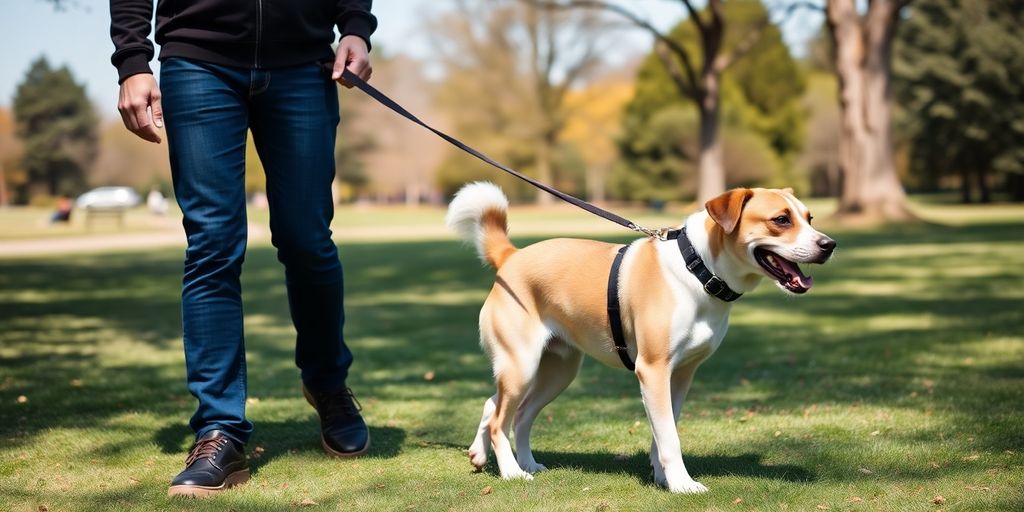
Training your dog to heel can be tricky when distractions are everywhere. Dogs are naturally curious, and a passing squirrel or another dog can easily steal their attention. Start training in a quiet area to help your dog focus. Gradually introduce distractions once your dog is comfortable with the heel command. If your dog gets distracted, calmly bring them back to the task with a treat or verbal cue. Be patient and consistent—practice makes perfect.
Correcting Pulling Behavior
Pulling on the leash is a common issue. If your dog pulls ahead, stop walking immediately. This teaches them that pulling won’t get them where they want to go. Use the "heel" command to guide them back to your side. Reward them when they return to the correct position. Consistency is key—always stop when they pull, and soon they’ll learn that staying by your side is the best option.
Maintaining Consistency
Consistency is crucial in training. Set a regular schedule for practice sessions, even if it’s just a few minutes each day. Make sure everyone in the family uses the same commands and techniques. Celebrate small victories to keep both you and your dog motivated. Remember, training your dog to heel is a journey, not a race. Every dog learns at their own pace, so stay patient and positive.
Advanced Techniques for Heel Training

Incorporating Clicker Training
Clicker training can be a fantastic tool for teaching your dog to heel. It offers precise timing for rewards, which helps your dog understand exactly what behavior is being reinforced. Start by using the clicker every time your dog assumes the correct heel position. Pair the click with a treat to make it more effective. Over time, your dog will associate the click with the desired behavior, making training more efficient.
Practicing Auto-Heel
Auto-heel is when your dog automatically moves into the heel position without a verbal command. It’s a more advanced skill but incredibly useful. Begin by rewarding your dog every time they naturally fall into the heel position during walks. Gradually, they’ll start doing it more frequently without needing a cue. This technique strengthens the bond between you and your dog, as they learn to anticipate your movements.
Using Environmental Rewards
Environmental rewards are a great way to reinforce heeling without relying solely on treats. For instance, allowing your dog to sniff around or play in a park can be a reward for maintaining the heel position. This method not only makes training more enjoyable but also integrates the behavior into everyday activities. Building value in heel position involves incorporating it into daily routines. Engaging in short heeling sessions during walks, training, or playtime can enhance enthusiasm and effectiveness in training.
Training your dog to heel using advanced techniques can seem daunting, but with patience and consistency, it becomes a rewarding experience. Remember, every dog learns at their own pace, so celebrate small victories along the way.
Maintaining Progress and Consistency
Regular Practice Routines
Keeping a steady routine is the backbone of effective dog training. Consistency in practice helps your dog understand what’s expected of them. Aim for daily sessions, even if they’re brief. This doesn’t mean hours each day—just a few minutes of focused practice can work wonders. Try mixing up the time of day and location to ensure your dog can heel in various settings.
Adapting to Different Environments
Once your dog is comfortable heeling in a calm setting, it’s time to introduce new environments. Start with slightly busier areas and gradually increase the level of distractions. This method helps your dog learn to focus on you despite what’s happening around them. Remember, patience is key; every dog adapts at their own pace.
Celebrating Small Victories
Don’t forget to acknowledge the small wins along the way. Each step forward is progress, so celebrate it! Use treats, praise, or a favorite toy to reward your dog when they successfully heel. This positive reinforcement not only boosts their confidence but also strengthens your bond.
Progress in dog training isn’t always linear. Some days will be better than others, and that’s okay. The journey is just as important as the destination.
Incorporating these steps into your routine will help maintain and build on the progress you’ve made. For more tips on enhancing your walk experiences, check out Teaching your dog the ‘Heel’ command.
Avoiding Common Mistakes in Heel Training
Progressing at the Dog’s Pace
It’s easy to get caught up in the desire to see quick results, but remember, every dog learns at their own speed. Rushing through training can lead to confusion and frustration for both you and your dog. Take your time and let your dog set the pace. If they seem overwhelmed, slow down and reinforce the basics before moving forward. This approach builds a strong foundation and keeps your dog motivated.
Ensuring Consistent Rewards
Consistency is the backbone of effective training. When rewarding your dog, make sure to do it promptly and consistently for the desired behavior. Inconsistent rewards can confuse your dog, making it harder for them to understand what you’re asking. Use the same praise or treat every time they perform correctly to reinforce the behavior clearly. Training a dog requires consistency, patience, and an understanding of individual needs.
Focusing on Positive Reinforcement
Positive reinforcement is key to successful heel training. Avoid using punishment as it can create fear and anxiety, hindering your dog’s learning process. Instead, focus on rewarding good behavior and celebrating small victories. This encourages your dog to repeat the action and strengthens your bond. Keep training sessions upbeat and engaging, turning learning into a fun experience for both of you.
Remember, training is a journey, not a race. Celebrate the small wins and stay patient. Your dog’s progress will come with time and dedication.
When training your dog to walk on heels, it’s important to avoid common mistakes that can hinder progress. Focus on using positive reinforcement, like treats and praise, to encourage good behavior. Remember, patience is key! For more tips and expert advice on dog training, visit our website today!
Wrapping It Up: Your Journey to a Perfect Heel
So, there you have it! Training your dog to heel might seem like a big task, but with some patience and a lot of treats, you’ll get there. Remember, every dog learns at their own speed, so don’t stress if it takes a bit longer than expected. Keep the sessions fun and light, and celebrate the little wins along the way. Before you know it, you’ll be walking side by side with your furry friend, enjoying every step. Happy training!
Frequently Asked Questions
Why is teaching my dog to heel important?
Teaching your dog to heel helps them walk calmly by your side, making walks safer and more enjoyable for both of you. It also strengthens your bond and improves their overall obedience.
What should my dog know before learning to heel?
Before starting heel training, your dog should be familiar with basic commands like “sit,” “stay,” and “come.” This foundation makes learning to heel easier.
How long does it usually take to train a dog to heel?
Training a dog to heel can take a few weeks to a couple of months, depending on the dog’s age, breed, and personality. Consistent practice and patience are key.
What if my dog gets distracted easily during training?
Start training in a quiet place with few distractions. Gradually introduce more distractions as your dog gets better at focusing on you.
How can I stop my dog from pulling on the leash?
If your dog starts to pull, stop walking and wait for them to come back to your side. Reward them when they do, so they learn to stay close.
What rewards work best for heel training?
High-value treats or a favorite toy can be great rewards. Mix in praise and petting to keep your dog motivated.