
Having a dog can bring so much joy, but they can also be a great addition to your home’s safety plan. It’s not about turning your sweet pet into a guard dog, but more about teaching them to be aware and alert. This guide will walk you through some simple steps for training a dog to protect your home, making sure everyone feels safe and sound.
Key Takeaways
- Start with a strong foundation: Basic obedience and positive reinforcement are super important for any kind of training.
- Make your home safe: Get rid of anything dangerous, like toxic stuff or loose wires, so your dog can move around without trouble.
- Build a good relationship: Your dog needs to trust you. Spend time together, give them a comfy spot, and keep things calm.
- Teach them to be alert: Help your dog notice new things or sounds, but also teach them when it’s okay to bark and when it’s not.
- Keep them healthy and happy: A well-fed, well-exercised dog is a better companion and a more reliable protector.
Establishing a Secure Home Environment
Before you even start thinking about protection training, it’s super important to make sure your home itself is a safe and secure place for your dog. This isn’t just about keeping intruders out; it’s about creating a space where your dog feels safe, comfortable, and can thrive. A secure home environment is the bedrock upon which all successful protection training is built.
Implementing Robust Fencing and Barriers
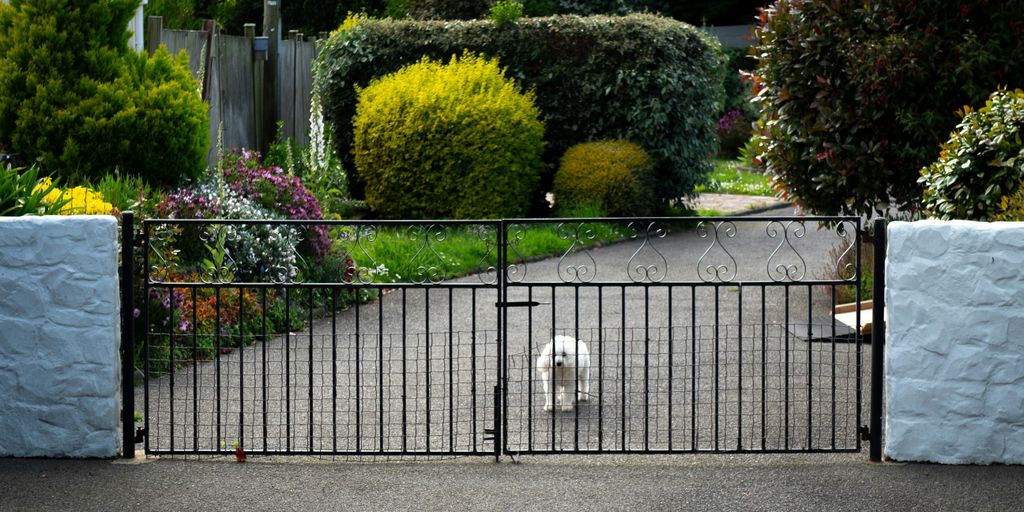
Think of your fencing as the first line of defense. It needs to be high enough and secure enough to prevent your dog from escaping and to deter other animals (or people) from entering your property. Check for any gaps or weak spots regularly. It’s also a good idea to bury the bottom of the fence a bit to prevent digging. Consider the material, too – a chain-link fence might be easy to climb, while a solid wood fence offers more privacy and security.
Here’s a quick checklist:
- Fence height: At least 6 feet for most breeds.
- Material: Solid wood or sturdy metal.
- Regular inspections: Check for damage weekly.
- Gate security: Use locking mechanisms.
Designating a Safe Retreat Area
Every dog needs a space they can call their own – a place where they can go to relax and feel safe. This could be a crate, a dog bed in a quiet corner, or even a whole room. The key is that it should be a place where they won’t be disturbed, especially by children or other pets. Make sure it’s comfortable, with washable bed and maybe a favorite toy or two. This safe space becomes even more important when you start protection training, as it gives your dog a place to decompress and avoid feeling overwhelmed.
Setting Up a Consistent Daily Routine
Dogs are creatures of habit, and a consistent routine can do wonders for their sense of security. This means feeding them at the same times each day, taking them for walks at regular intervals, and having predictable playtime. A routine helps reduce anxiety and stress, making them more receptive to training. Plus, a well-exercised and mentally stimulated dog is less likely to engage in destructive behaviors out of boredom. Think of it as setting the stage for success – a calm, secure dog is a dog that’s ready to learn.
A consistent routine isn’t just about convenience; it’s about providing your dog with a sense of predictability and control over their environment. This can significantly reduce anxiety and make them feel more secure in their home. It’s a simple but powerful way to build trust and strengthen your bond.
Foundational Training for Protection
Importance of Reward-Based Training
Okay, so you want a dog that can protect your home. That’s cool, but let’s get one thing straight: you can’t just skip to the "attack" part. It all starts with the basics, and the best way to teach those basics is with rewards. Forget old-school methods; positive reinforcement is where it’s at. Think treats, praise, and maybe a favorite toy. When your dog does something right, make a big deal out of it. They’ll learn way faster, and you’ll build a much better relationship. Trust me, a happy dog is a more effective protector. It’s like, would you rather work for a boss who yells at you or one who appreciates your effort? Exactly. Plus, it’s way more fun for both of you. Reward-based training helps stop resource guarding by creating positive associations.
Mastering Basic Obedience Commands
Sit, stay, come, down – these aren’t just cute tricks. They’re the foundation of everything else you want your dog to do. If your dog doesn’t listen to you when you tell them to sit, how are they going to listen when you tell them to back down from a stranger? You need to be able to control your dog in any situation, and that starts with rock-solid obedience. Practice these commands every day, in different environments. Start in your living room, then move to the backyard, then take them to the park. The more consistent you are, the better they’ll listen. Think of it like this: obedience training is like teaching your dog the rules of the house. Once they know the rules, they’re much more likely to follow them, even when things get stressful.
Utilizing Crate Training Effectively
Crate training isn’t about punishing your dog. It’s about giving them a safe space, a den where they can relax and feel secure. A well-crate-trained dog is less likely to be anxious or reactive, which is important for a protection dog. Introduce the crate slowly and make it a positive experience. Put treats and toys inside, and let them explore it on their own. Never force them in, and never use the crate as punishment. A crate can also be useful when you have guests over, or when you need to leave the house for a few hours. It gives your dog a place to go where they feel safe and secure, and it prevents them from getting into trouble. It’s all about creating a positive association with the crate, so your dog sees it as a good thing.
Socialization for Balanced Behavior
This is a big one. A protection dog shouldn’t be aggressive or fearful. They should be confident and well-adjusted. That means exposing them to a wide variety of people, places, and situations from a young age. Take them to the park, let them meet friendly dogs, and introduce them to different types of people. The more they’re exposed to, the less likely they are to react negatively to new things. Socialization isn’t just about making your dog friendly; it’s about teaching them how to behave appropriately in different situations. A well-socialized dog is a confident dog, and a confident dog is a better protector.
Socialization is key to a well-rounded dog. It helps them learn how to interact with the world in a positive way, and it prevents them from becoming fearful or aggressive. Make sure to expose your dog to a variety of people, places, and situations from a young age. This will help them become a confident and well-adjusted protector.
Identifying and Mitigating Household Hazards
It’s easy to overlook the everyday dangers lurking in our homes. When you’re bringing a dog into your home, especially one you’re training for protection, it’s important to make sure the environment is safe. This means taking a good look around and getting rid of anything that could hurt your furry friend. A safe home is a happy home, and a happy dog is more receptive to training.
Removing Toxic Substances and Choking Hazards
Dogs, especially puppies, explore the world with their mouths. This means anything within reach is fair game for a taste test. Common household items can be extremely dangerous if ingested. Here’s what to watch out for:
- Medications: Keep all prescription and over-the-counter drugs in secure cabinets. Even a small dose of human medication can be fatal to a dog.
- Cleaning Supplies: Bleach, detergents, and other cleaners should be stored out of reach. Consider using childproof latches on cabinets containing these items.
- Pest Control Products: Rat poison, ant traps, and other pest control products are highly toxic. Use them with extreme caution and ensure your dog cannot access them. If you suspect your dog has ingested poison, contact your vet immediately. You can also train your dog to avoid certain areas with alertness training.
- Small Objects: Coins, buttons, rubber bands, and other small items can be choking hazards. Regularly check floors and furniture for these items.
Securing Electrical Cords and Outlets
Electrical cords are like chew toys to some dogs, especially puppies. Chewing on a live electrical cord can cause severe burns or even death. Here’s how to protect your dog:
- Cord Covers: Use cord covers or protectors to make cords less accessible and less tempting to chew.
- Cord Management: Bundle cords together and secure them to walls or furniture to keep them out of reach.
- Outlet Covers: Install outlet covers to prevent your dog from sticking its nose or tongue into electrical outlets.
- Unplug Appliances: When not in use, unplug appliances to reduce the risk of electrical shock.
Puppy-Proofing Your Living Space
Puppy-proofing isn’t just for puppies; it’s a good idea for dogs of all ages, especially when introducing a new dog to your home. It involves taking a proactive approach to identifying and eliminating potential hazards. Here are some key steps:
- Secure Trash Cans: Use trash cans with secure lids or store them in cabinets to prevent your dog from scavenging for food scraps and potentially ingesting harmful items.
- Remove Houseplants: Many common houseplants are toxic to dogs. Research which plants are safe and remove any toxic ones from your home. Consider replacing them with dog-friendly alternatives.
- Store Laundry Supplies Safely: Detergent pods, bleach, and fabric softener can be harmful if ingested. Store these items in secure cabinets or on high shelves.
- Inspect for Gaps and Holes: Check for any small spaces or holes where your dog could get stuck or access dangerous areas. Seal these gaps to prevent accidents.
Creating a safe environment is an ongoing process. Regularly inspect your home for potential hazards and make adjustments as needed. By taking these precautions, you can help ensure your dog’s safety and well-being.
Building a Strong Bond and Trust
It’s easy to think about training a dog for home security as just teaching commands, but it’s way more than that. A dog that trusts you and feels secure is going to be a much better protector. It’s about creating a partnership built on mutual respect and understanding. This part is about making your house a happy home for your dog.
Understanding Your Dog’s Needs and Preferences
Every dog is different. What works for one might not work for another. Pay attention to your dog’s body language. Are they stressed? Happy? Do they love belly rubs or prefer a good game of fetch? Knowing these things helps you cater to their individual needs. It’s like learning their love language. For example, my old dog, Max, hated being hugged but loved having his ears scratched. Understanding those little things makes a big difference. This is a crucial part of integrating a puppy into your home.
Providing Adequate Comfort and Resting Areas
Think about where your dog likes to hang out. Do they have a comfy bed? A quiet corner where they can escape the chaos? Make sure they have a safe space that’s all their own. It could be a crate, a dog bed in a quiet room, or even just a favorite blanket. The goal is to give them a place where they feel secure and can relax. My dog, Bella, loves her crate. We leave the door open, and she goes in there whenever she needs a break.
Creating a Calming Home Atmosphere
Dogs are sensitive to their environment. Loud noises, constant yelling, or a generally stressful atmosphere can make them anxious. Try to create a calm and predictable environment. This doesn’t mean you have to walk on eggshells, but be mindful of the overall vibe in your home. Play some soft music, use calming scents (like lavender), and avoid unnecessary drama. A relaxed dog is a more confident dog.
Engaging in Regular Physical and Mental Stimulation
A bored dog is often a destructive dog. Make sure your dog gets enough exercise and mental stimulation. This could be walks, runs, playtime in the yard, or even puzzle toys. Training sessions are also great for mental stimulation. A tired dog is a good dog, as they say. We try to take our dog for a walk every morning and evening, and we also have a bunch of puzzle toys to keep her entertained when we’re busy. Establishing routines help with feeding and training.
Integrating Your Dog into Home Security
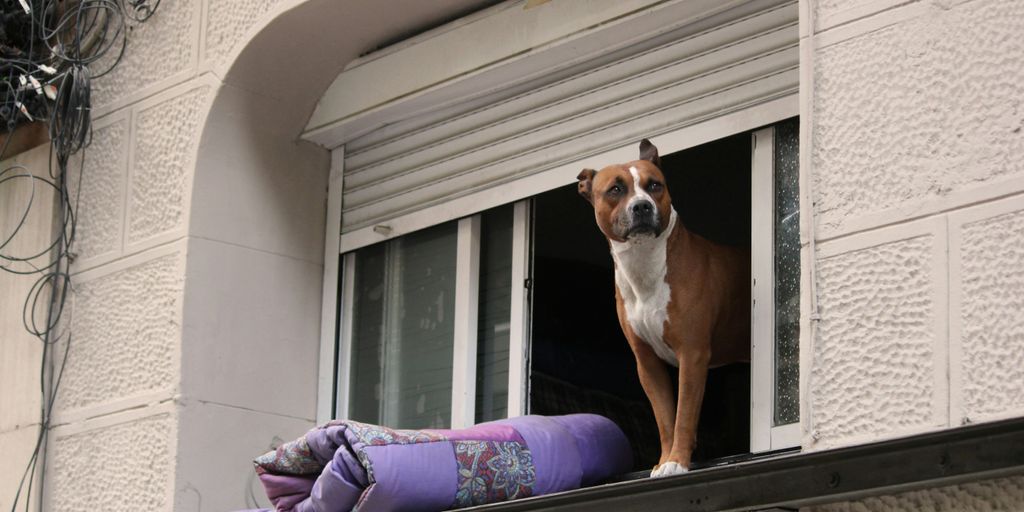
So, you’ve got the basics down – a secure fence, a comfy dog bed, and a pup who knows ‘sit’ from ‘stay’. Now it’s time to think about how your dog can actually contribute to your home’s security. It’s not about turning them into a guard dog overnight, but more about harnessing their natural instincts to keep your place safe. It’s a process, and it takes time, but it can be super rewarding for both you and your furry friend.
Training for Alertness and Awareness
This isn’t about teaching your dog to attack; it’s about teaching them to alert you to potential problems. Start with simple things, like rewarding them when they bark at a strange noise outside. You can use a specific command, like "What is it?" to encourage them to investigate and then report back to you. The goal is to make them more aware of their surroundings and to communicate any unusual activity to you. Think of it as teaching them to be your personal alarm system. This is a key part of protection dog training.
Discouraging Unwanted Barking
Okay, so you’ve got your dog alerting you to every leaf that falls. Not ideal. The trick is to teach them the difference between a normal sound and something that actually requires your attention. Once they’ve alerted you, acknowledge their bark, investigate, and then give them a command like "Okay, thank you" or "Quiet" to let them know they can stop barking. If they stop, reward them. Consistency is key here. You don’t want a dog that barks constantly, just one that knows when to sound the alarm. It’s a balancing act, but with patience, you can get there.
Recognizing Suspicious Activity
This is where your bond with your dog really comes into play. You know your neighborhood, and you know what’s normal. Your dog can pick up on subtle cues that you might miss – a strange car parked down the street, someone lingering near your property, or an unusual scent. Pay attention to your dog’s body language. Are they alert and focused, or are they just barking at the wind? If they seem genuinely concerned, it’s worth investigating. Trust your dog’s instincts; they often know more than we give them credit for.
Safe Interaction with Strangers
It’s important to teach your dog how to interact with strangers in a safe and controlled manner. This doesn’t mean they have to love everyone, but they should be able to remain calm and non-aggressive. Start by introducing them to new people in a positive way, using treats and praise. Teach them a command like "Leave it" to prevent them from jumping or getting too close. If someone comes to the door, have your dog sit or stay while you answer it. The goal is to create a dog that is confident and well-behaved, even around unfamiliar people. Remember, a well-socialized dog is a safer dog.
Training your dog to be part of your home security system is a big responsibility. It’s not about turning them into an attack dog, but about enhancing their natural protective instincts and teaching them to alert you to potential dangers. It requires patience, consistency, and a strong bond with your dog. But the peace of mind it can bring is well worth the effort.
Maintaining Your Dog’s Overall Well-being
Prioritizing Regular Veterinary Care
It’s easy to think your dog is fine, especially if they seem happy and energetic. But just like us, dogs need regular check-ups to catch any potential problems early. Think of vet visits as preventative maintenance – they can save you a lot of heartache (and money) in the long run. Regular checkups can help with early detection of diseases.
- Annual physical exams are a must.
- Keep up with vaccinations and parasite prevention.
- Don’t hesitate to call your vet if you notice anything unusual.
Ensuring Proper Nutrition and Hydration
What you feed your dog has a huge impact on their health and well-being. A balanced diet is key, and that doesn’t always mean the most expensive food. Read labels, talk to your vet, and make sure your dog is getting the nutrients they need. And don’t forget about water! Fresh, clean water should always be available.
- Choose a high-quality dog food appropriate for their age and activity level.
- Avoid giving them table scraps or toxic foods.
- Monitor their weight and adjust food portions as needed.
Balancing Work and Play
Even a guard dog needs downtime and fun! It’s important to balance their training and protection duties with plenty of playtime and relaxation. This helps prevent burnout and keeps them mentally stimulated. A tired dog is a good dog, but an over-worked dog is a stressed dog.
- Schedule regular play sessions with their favorite toys.
- Take them on walks or hikes in new and interesting places.
- Provide puzzle toys to challenge their minds.
Recognizing Signs of Stress or Anxiety
Dogs can’t tell us when they’re feeling stressed or anxious, so it’s up to us to pay attention to their body language and behavior. Changes in appetite, excessive barking, or destructive behavior can all be signs that something is wrong. If you notice any of these signs, try to identify the source of the stress and take steps to alleviate it. If you are looking for alertness and awareness training, make sure to keep an eye on your dog’s stress levels.
- Look for signs like panting, pacing, or lip licking.
- Provide a safe and comfortable space for them to retreat to.
- Consider consulting with a veterinarian or certified dog trainer for help.
A happy dog is a healthy dog! Making sure your furry friend feels good means giving them the right food, plenty of playtime, and teaching them good habits. If you want to help your dog live their best life, check out our website for amazing dog training courses and advice.
Bringing It All Together
So, there you have it. Getting your dog ready to help keep your home safe is a big job, and it’s not something that happens overnight, you know? You’ll put in a lot of time and patience, for sure. But think about the payoff. Having a loyal friend who also watches out for your place? That’s pretty great. Remember, it’s all about building trust with your dog. They’re part of the family, and this training just makes that bond even stronger. Keep things positive, be consistent, and enjoy the journey with your furry protector. You’ll end up with a well-behaved dog and a little extra peace of mind.
Frequently Asked Questions
How can I make my home a safe place for my dog?
To make your home a safe spot for your dog, first, clear out any dangerous items. This means putting away cleaning stuff, medicines, and foods that are bad for dogs, like chocolate. Also, pick up small things they might try to eat, and cover up electrical cords. Outside, make sure your fence is strong and tall enough so your dog can’t get out. Finally, give your dog a cozy bed or corner where they can go to feel safe and relax.
What’s the best way to start training my dog for protection?
Start with simple training like teaching your dog to sit, stay, or come when called. Always use treats and praise when they do something right; this helps them learn and trust you. Also, let your dog meet different people and other calm dogs in safe places. This helps them understand the world around them and learn when it’s okay to be friendly and when they might need to be more watchful.
What common dangers should I look out for in my house that might harm my dog?
Many everyday items can be risky for dogs. Always keep cleaning products, human medicines, and certain foods (like grapes, onions, or anything with artificial sweeteners) locked away. Small objects, like buttons, coins, or tiny toys, can be choked on, so keep them out of reach. Also, check for loose electrical cords that your dog might chew, as this can be very dangerous. It’s a good idea to look at your home from your dog’s level to spot hidden dangers.
How can I build a strong bond with my dog so they trust me?
Building a strong connection with your dog is all about spending good time together and understanding what they need. Play with them often, take them for walks, and give them plenty of cuddles. Learn what makes them happy, whether it’s a favorite toy or a special treat. Make sure they have a comfortable place to sleep and always have fresh water. A dog that feels loved, safe, and understood will trust you deeply.
How do I teach my dog to alert me without barking too much?
You can teach your dog to give a short bark when someone is at the door, but then to stop when you tell them. When they bark at the right time, praise them. Then, teach them a ‘quiet’ command. When they stop barking after you say ‘quiet,’ reward them again. This helps them learn to alert you without becoming a nuisance barker. The goal is for them to be aware of new things but not to bark at everything.
What are the most important things for my dog’s health and happiness?
To keep your dog healthy and happy, regular visits to the vet are very important for check-ups and shots. Make sure they eat good quality dog food and always have fresh water available. Dogs need both physical exercise, like walks and playtime, and mental exercise, like puzzle toys. Also, pay attention to how they act. If they seem stressed, hide a lot, or don’t want to eat, it might be a sign they need extra care or a trip to the vet.