
Training a dog to shake hands is one of those classic tricks that never fails to impress. It’s not just fun; it helps strengthen the bond between you and your furry friend. Whether you’re new to dog training or have some experience, teaching your pup this trick can be a rewarding journey. With patience, consistency, and a few tasty treats, you’ll have your dog offering their paw in no time. Let’s dive into the steps and tips to make this training process smooth and enjoyable for both you and your dog.
Key Takeaways
- Positive reinforcement is key. Always reward your dog with treats or praise when they get it right.
- Start training in a quiet place to help your dog focus without distractions.
- Be patient and consistent. Every dog learns at their own pace, so keep sessions short and fun.
- Use clear commands and gestures to help your dog understand what you want.
- Celebrate small victories. Every step forward is progress, so keep encouraging your dog.
Understanding the Basics of Training a Dog to Shake Hands
The Importance of Positive Reinforcement
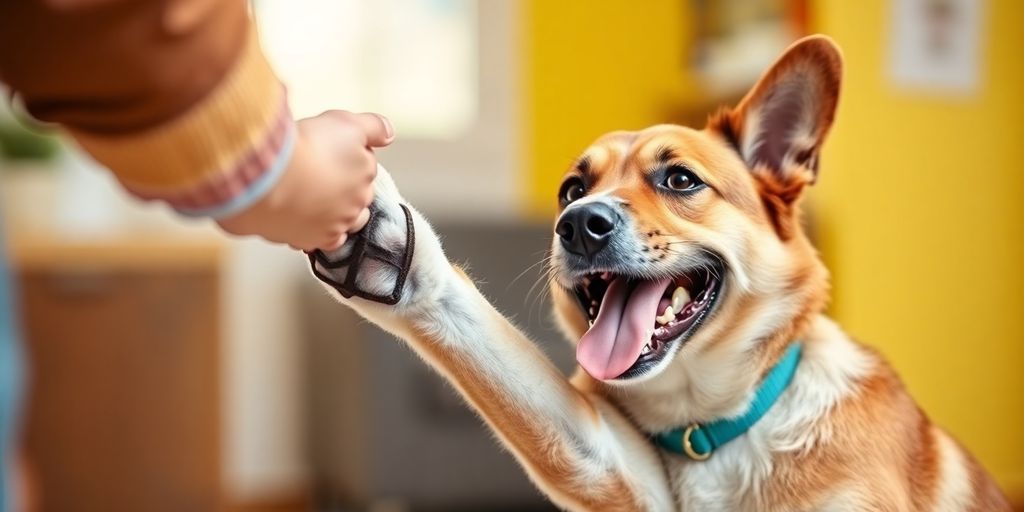
Training your dog to shake hands is a rewarding experience, and positive reinforcement is key. Dogs respond well to praise, treats, or even a fun game. Every time your pup offers their paw, reward them. Positive reinforcement encourages your dog to repeat the behavior, making the learning process enjoyable for both of you.
Choosing the Right Environment for Training
Picking the right spot for training is crucial. Start in a quiet area where distractions are minimal. This helps your dog focus on learning the new trick. Once they get the hang of it, gradually introduce more distractions to test their skills. Remember, a calm environment can make a big difference.
Setting Realistic Goals for Your Dog
It’s important to set achievable goals. Not every dog will learn at the same pace. Begin with small steps and celebrate every little victory. If your dog struggles, take a step back. Patience is your best friend here. Keep sessions short and sweet, around 5 to 10 minutes, to keep your dog’s attention sharp.
Training is about building a connection. It’s not just about teaching tricks but understanding your dog’s unique learning style. With time and effort, you’ll both enjoy the process.
Step-by-Step Guide to Teaching Your Dog to Shake Hands
Preparing Your Dog for Training
Before diving into training, it’s crucial to set the stage for success. First, ensure your dog is in a calm state and ready to learn. Choose a quiet spot without distractions, as this will help your furry friend focus better. Remember, patience is key; dogs learn at different paces, so stay calm and encouraging. Short, frequent sessions are more effective than long ones, so aim for about 5 to 10 minutes per session.
Executing the Shake Command
Now, let’s get into the nitty-gritty of teaching your dog to shake hands. Follow these steps:
- Get your dog to sit in front of you. This position helps them focus on you and the task at hand.
- Hold a treat in your hand and let your dog see it. Temptation is a great motivator.
- Slowly move your hand close to your dog’s paw while saying, "Shake."
- Gently lift their paw and give them the treat immediately, along with lots of praise.
- Repeat this several times. Gradually, your dog will start lifting their paw on their own when they hear the command.
Reinforcing the Behavior with Rewards
Consistency is essential in reinforcing this new behavior. Use positive reinforcement by rewarding your dog every time they successfully perform the trick. Treats are great, but verbal praise or a favorite toy can also work wonders. Over time, reduce the frequency of treats while maintaining verbal praise to ensure your dog continues to respond to the "Shake" command.
Training is about building trust and understanding between you and your dog. Each small step forward is a victory, so celebrate these moments together.
For additional guidance on using hand signals effectively during training, consider incorporating hand signal training techniques to reinforce commands. This can be particularly helpful as your dog becomes more familiar with the "Shake" command.
Common Challenges in Training a Dog to Shake Hands
Dealing with a Distracted Dog
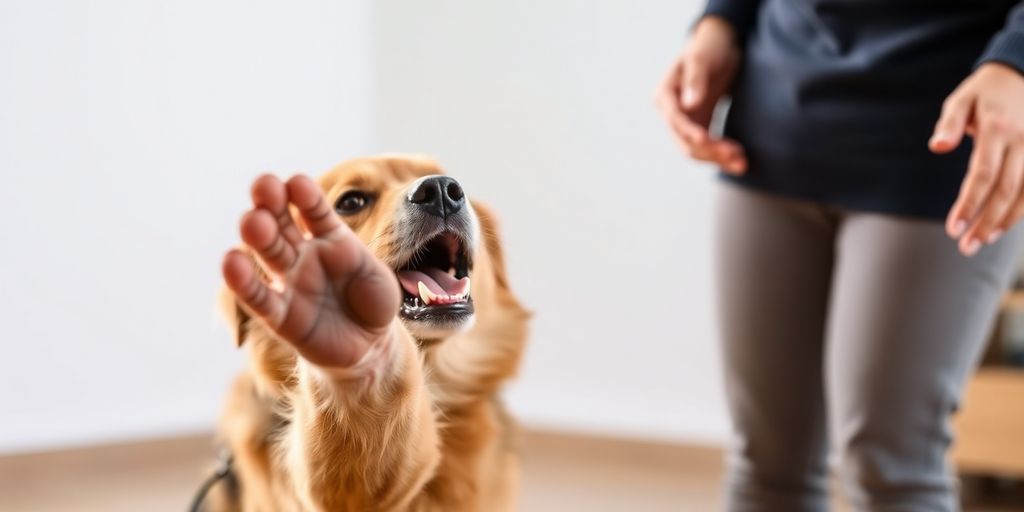
Training a dog to shake hands can be tricky if your pup gets easily distracted. Distractions can come from anywhere—a passing car, a squirrel outside the window, or even another dog barking in the distance. To combat this, it’s best to start training in a quiet room with minimal interruptions. Once your dog is comfortable with the "shake" command, gradually introduce more distractions to test their focus. You can use treats or toys as a way to keep their attention on you.
Overcoming Fear or Anxiety
Sometimes, dogs might be hesitant or anxious about lifting their paw. This fear can stem from past experiences or simply being uncomfortable with the action. To ease their anxiety, approach training with patience and gentle encouragement. Use positive reinforcement, such as treats and praise, to build their confidence. If your dog seems particularly nervous, consider consulting a professional trainer to help work through their fears.
Addressing Lack of Interest
If your dog just isn’t interested in learning to shake hands, it might be time to switch up your approach. Try using different types of rewards to see what motivates them. Some dogs respond better to praise or playtime rather than treats. Additionally, keep training sessions short and fun to maintain their interest. If you notice your dog losing focus, take a break and try again later.
Training a dog to shake hands isn’t always smooth sailing, but with persistence and the right approach, you can overcome these challenges. Remember, every dog learns at their own pace, so patience is key.
Advanced Techniques for Perfecting the Shake Hands Trick
Incorporating Verbal Cues
Once your dog has the hang of the basic shake, it’s time to add a verbal cue. Start by saying "Shake" just before you extend your hand. This helps your dog associate the word with the action. Over time, your dog will respond to the cue without needing a visual prompt. Consistency is key here, so make sure everyone who interacts with your dog uses the same word.
Using Hand Signals Effectively
Hand signals can be a great way to communicate with your dog, especially if they’re more visually oriented. Begin by pairing a unique hand gesture with the "Shake" command. For example, you could use an open palm facing up. Practice this regularly, and soon your dog will recognize the signal and respond accordingly, even from a distance.
Gradually Introducing Distractions
Once your dog is confidently shaking hands in a quiet setting, it’s time to up the ante. Gradually increase the level of distractions in the environment. Start with small changes, like a new person in the room, and build up to more challenging scenarios, like being outside or around other dogs. This will help your dog learn to focus and perform the trick reliably in any situation.
Mastering these advanced techniques not only enhances the trick itself but also strengthens the bond between you and your dog. With patience and practice, your dog will be shaking hands like a pro, no matter the distractions.
Building a Stronger Bond Through Training
Understanding Your Dog’s Learning Style
Every dog is a bit different when it comes to learning. Some dogs pick up new tricks quickly, while others might take a bit more time. It’s important to figure out what makes your dog tick. Are they motivated by treats, toys, or maybe just your praise? Once you know what drives them, you can tailor your training sessions to suit their style. Think of it as finding the right key to unlock their potential.
The Role of Consistency in Training
Consistency is like the glue that holds your training efforts together. If you keep changing the rules, your dog will get confused. Stick to the same commands and rewards, and you’ll see much better results. It’s kind of like sticking to a routine for yourself – it just makes things easier. And remember, patience is your best friend here. Dogs thrive in a predictable environment, so keep things steady and watch them flourish.
Celebrating Small Successes Together
Training isn’t just about the big wins; it’s about the little victories along the way. Did your dog finally sit on command after a week of trying? That’s worth celebrating! Break out the treats and give them some extra love. These small successes not only boost your dog’s confidence but also strengthen your bond. It’s a journey you both take together, and every step forward is a step closer to a stronger connection.
Training your dog is more than just teaching tricks. It’s about building a relationship based on trust and understanding. Embrace the journey, enjoy the process, and cherish the moments you share.
Expanding Your Dog’s Trick Repertoire Beyond Shake Hands
Teaching the High Five Trick
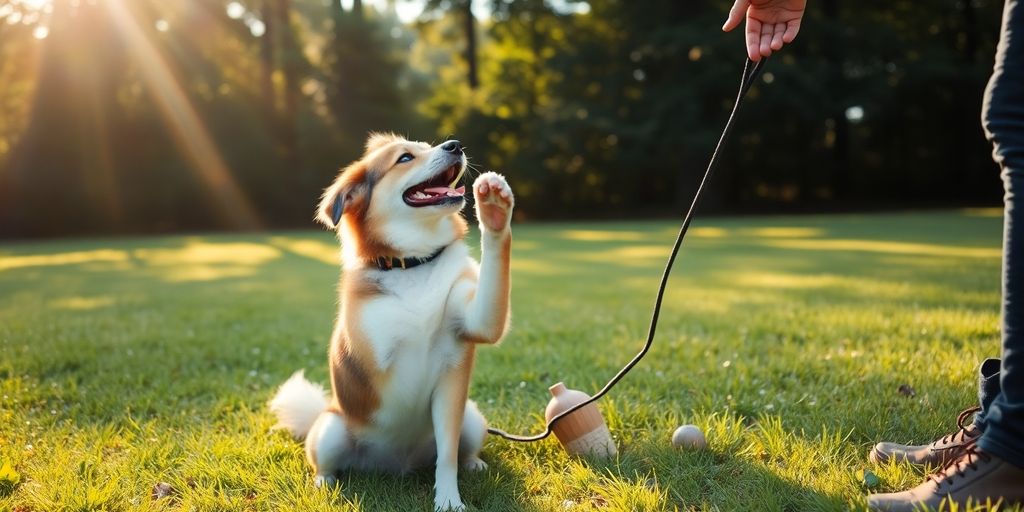
The high five is a fun extension of the "shake hands" trick that adds a little flair to your dog’s skills. Here’s how you can teach it:
- Start with your dog sitting comfortably in front of you.
- Hold a treat slightly higher than where you’d hold it for the shake command.
- Say "High Five" and wait for your dog to lift their paw.
- As they raise their paw, gently tap it with your hand, simulating a high five, then reward them with the treat.
- Practice this regularly, and soon enough, your dog will offer a high five on command.
Introducing the Roll Over Command
Rolling over is not just a cute trick; it also provides some physical exercise for your pup. Follow these steps:
- Begin with your dog lying down.
- Hold a treat near their nose and slowly move it around to their shoulder, encouraging them to follow it with their head.
- As their head turns, gently help them to roll over by guiding their body.
- Once they complete the roll, reward them with the treat and praise.
- Keep practicing in small increments, rewarding any progress until your dog can roll over completely on command.
Exploring Fun Tricks Like Spin
Adding a spin to your dog’s repertoire can bring a bit of excitement and energy to their routine. Here’s a simple way to teach it:
- Have your dog stand in front of you.
- Hold a treat in front of their nose and move your hand in a circular motion.
- As your dog follows the treat, they’ll naturally begin to spin.
- Once they complete the circle, reward them with the treat and praise.
- Practice until your dog spins in response to the "Spin" command without needing the treat to guide them.
Expanding your dog’s trick repertoire not only showcases their intelligence but also strengthens the bond between you two. Remember, patience and consistency are key. When you approach training with a positive attitude, your dog will be more eager to learn.
If you want to teach your dog more than just shaking hands, there are plenty of fun tricks to explore! From rolling over to playing dead, expanding your dog’s skills can be a great way to bond and have fun together. Check out our website for tips and tricks to help your furry friend learn new skills and impress your friends!
Conclusion
So, there you have it. Teaching your dog to shake hands isn’t just about the trick itself. It’s about building a connection with your furry buddy. Remember, patience and consistency are your best friends here. Don’t rush it. Celebrate the small wins, like when your dog finally gets it right. And hey, if things don’t go as planned, that’s okay too. Every dog learns at their own pace. Just keep it fun and light-hearted. Before you know it, your dog will be shaking hands like a pro, and you’ll have a stronger bond because of it. Happy training!
Frequently Asked Questions
What is the best way to start teaching my dog to shake hands?
Begin by having your dog sit in front of you. Hold a treat in your hand and let your dog see it. Move your hand close to your dog’s paw while saying the word “Shake.” Gently lift their paw and give them the treat right away, along with lots of praise. Repeat this until your dog starts lifting their paw on their own when they hear the command.
How long does it usually take for a dog to learn to shake hands?
The time it takes can vary depending on your dog’s age, breed, and personality. Some dogs may learn the trick in a few days, while others might take a couple of weeks. Be patient and consistent with your training.
What should I do if my dog gets distracted during training?
Try practicing in a quiet place where there are fewer distractions. As your dog gets better at the trick, you can slowly introduce more distractions to help them focus in different environments.
How can I make training sessions more fun for my dog?
Use rewards that your dog loves, like their favorite treats or toys. Keep training sessions short and upbeat, and always end on a positive note. Remember, the goal is to make learning enjoyable for both you and your dog.
What if my dog seems scared or anxious about lifting their paw?
If your dog seems scared, try breaking the training into smaller steps. Reward them for any progress, even if it’s just a slight movement of their paw. Keep the sessions positive and never force your dog to do something they are uncomfortable with.
Can older dogs learn to shake hands too?
Yes, older dogs can learn new tricks, including shaking hands. They might take a little longer to catch on than a younger dog, but with patience and consistent training, they can learn just as well.