
Training your dog to stay put when needed is a handy skill every dog owner should master. It’s not just about obedience; it’s about safety and building trust. Whether you’re new to dog training or just need a refresher, teaching your pup to stay can make life easier for both of you. In this article, we’ll break down the best methods and tips to help you and your furry friend succeed.
Key Takeaways
- Start training early to build a strong foundation.
- Use positive reinforcement to encourage good behavior.
- Avoid punishment-based methods to maintain trust.
- Consistency is key to effective training.
- Celebrate small victories and be patient.
Understanding the Importance of Training a Dog to Stay
Building a Strong Foundation
Training your dog to stay is like laying the first brick in a sturdy wall. It’s about creating a reliable base for all future training. When a dog learns to stay, it understands boundaries and self-control, which are essential for more complex commands. This foundation not only helps in managing your pet’s behavior but also makes them more adaptable to new environments and situations.
Enhancing Safety and Control
Imagine you’re out for a walk, and suddenly, something catches your dog’s attention. Teaching them to stay can prevent potential accidents or dangerous encounters. Safety becomes a priority when your dog knows how to stay put, even in tempting situations. This command gives you control and peace of mind, knowing your furry friend is less likely to dart into traffic or chase after another animal.
Strengthening the Human-Dog Bond
The process of training your dog to stay isn’t just about discipline; it’s about building a connection. When you work together on this command, you’re communicating and understanding each other better. The bond grows stronger because both you and your dog are working towards a common goal, and every successful "stay" is a shared victory.
Training a dog to stay is more than just a command; it’s a journey that enriches the relationship between you and your pet. With each session, you build trust and mutual respect, making life together more harmonious.
Effective Techniques for Training a Dog to Stay
Using Positive Reinforcement
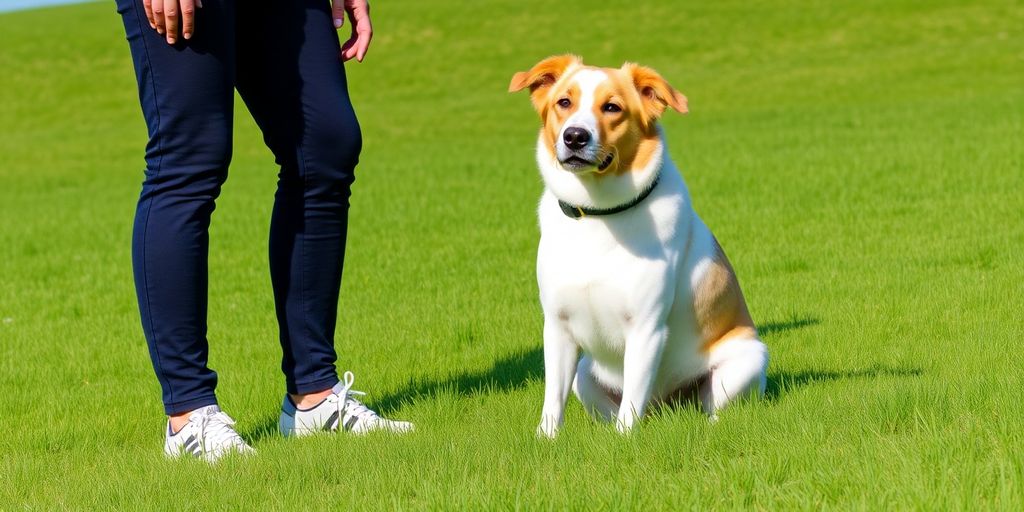
Training a dog to stay can be a rewarding experience when you use positive reinforcement. This method involves rewarding your dog for staying put, which encourages them to repeat the behavior. You can use treats, praise, or even a favorite toy as a reward. The key is to be consistent and timely with your rewards. When your dog successfully stays, immediately offer the reward to reinforce the behavior. This not only helps in teaching the command but also strengthens the bond between you and your dog. Remember, the goal is to make staying a positive experience for your furry friend.
Incorporating Consistent Commands
Consistency is crucial when teaching your dog to stay. Using the same command each time helps your dog understand what is expected of them. Choose a simple command like "stay" and stick with it. Avoid mixing it up with other commands as this can confuse your dog. It’s also important that everyone in your household uses the same command to maintain consistency. This consistency will help your dog learn faster and more effectively.
Gradual Increase in Duration and Distance
Once your dog starts getting the hang of the "stay" command, it’s time to gradually increase the duration and distance. Start by asking your dog to stay for a few seconds and slowly increase the time as they become more comfortable. Similarly, begin by standing close to your dog and gradually increase the distance between you. This helps your dog learn to stay even when you’re not right next to them. Patience is key here, as each dog learns at their own pace. Celebrate small victories and don’t rush the process. Over time, your dog will be able to stay for longer periods and from greater distances, making them a well-behaved companion.
Common Mistakes to Avoid When Training a Dog to Stay
Avoiding Punishment-Based Methods
When it comes to training your dog to stay, avoid punishment-based methods. These techniques can cause fear and anxiety, which might lead to aggressive behavior. Instead, focus on positive reinforcement methods. Reward your dog with treats, praise, or play when they successfully stay put. This encourages them to repeat the behavior without fear.
Ensuring Consistency in Training
Consistency is key in dog training. If you’re not consistent, your dog might get confused about what you expect from them. Make sure everyone in your household uses the same commands and rewards. This uniformity helps your dog learn faster and more effectively. Remember, mixed signals can slow down progress.
Not Overwhelming Your Dog
It’s easy to get excited about training, but don’t overwhelm your dog with too much at once. Keep training sessions short and engaging. Aim for about 5-10 minutes per session, focusing on one or two commands. Short sessions help maintain your dog’s attention and prevent them from becoming bored or frustrated.
Training your dog to stay is a journey, not a race. Celebrate small victories and remain patient. Every dog learns at their own pace, and your patience will pay off in the long run.
Tools and Resources for Successful Stay Training
Choosing the Right Training Treats
When training your dog to stay, picking the right treats can make a world of difference. Opt for small, tasty bites that your dog loves. These should be special treats, ones your dog doesn’t get all the time, so they remain exciting and motivating. Think of them as little rewards for a job well done.
Utilizing Clickers and Leashes
A clicker can be a game-changer. It marks the exact moment your dog does what you want. Pair that click with a treat, and soon your dog will connect the sound with good behavior. Leashes, on the other hand, help you keep control during training, especially in open areas. They ensure your dog stays safe while learning the ropes.
Seeking Professional Guidance When Needed
Sometimes, despite your best efforts, training might hit a snag. That’s when a professional trainer can step in. They bring a fresh perspective and can offer tailored advice to suit your dog’s unique needs. Don’t hesitate to reach out if things aren’t going as planned; it’s a smart move that can save time and frustration.
Training your dog is a journey, not a race. Take it one step at a time, celebrate the small wins, and remember that every dog learns at their own pace.
For new dog owners, enhancing the training experience involves choosing the right tools and incorporating training into daily routines. Mastering essential commands like sit, stay, and come is crucial. Consistency, patience, and positive reinforcement are key to effective training. Avoid common mistakes like inconsistency and overwhelming your dog with commands. Creating a dedicated training space at home and socializing your dog are also important. Training strengthens the bond between owner and dog, making it vital to celebrate small victories along the way.
The Role of Patience and Persistence in Stay Training
Training a dog to stay isn’t just about commands—it’s a journey filled with ups and downs. Mastering this skill requires both patience and persistence. Dogs, much like humans, need time to learn, and rushing the process can lead to setbacks.
Celebrating Small Victories
Every small win in training is a step toward the bigger goal. Whether it’s holding a stay for a few seconds longer or responding more quickly to a command, these moments are worth celebrating. Recognizing these achievements not only boosts your dog’s confidence but also strengthens your bond. Remember, patience is your greatest ally in this journey.
Maintaining a Positive Attitude
Your attitude can significantly impact your dog’s learning process. Dogs are incredibly perceptive and can pick up on your emotions. Keeping a positive and encouraging demeanor during training sessions makes a world of difference. It creates a supportive environment where your dog feels safe to try and, sometimes, fail.
Understanding Individual Dog Needs
Every dog is unique, with its own pace and learning style. What works for one might not work for another. It’s important to tailor your training approach to fit your dog’s specific needs. This might mean adjusting the length of sessions or the type of rewards you use. Being persistent in finding what works best for your furry friend will lead to more effective training outcomes.
Training a dog teaches us patience by requiring calmness and consistency. Dogs need time to learn, and understanding their pace is crucial in building a successful training routine.
Incorporating these elements into your training routine can transform the experience for both you and your dog. Stay patient, stay persistent, and enjoy the journey together.
Integrating Stay Training into Daily Routines
Practicing During Walks and Playtime
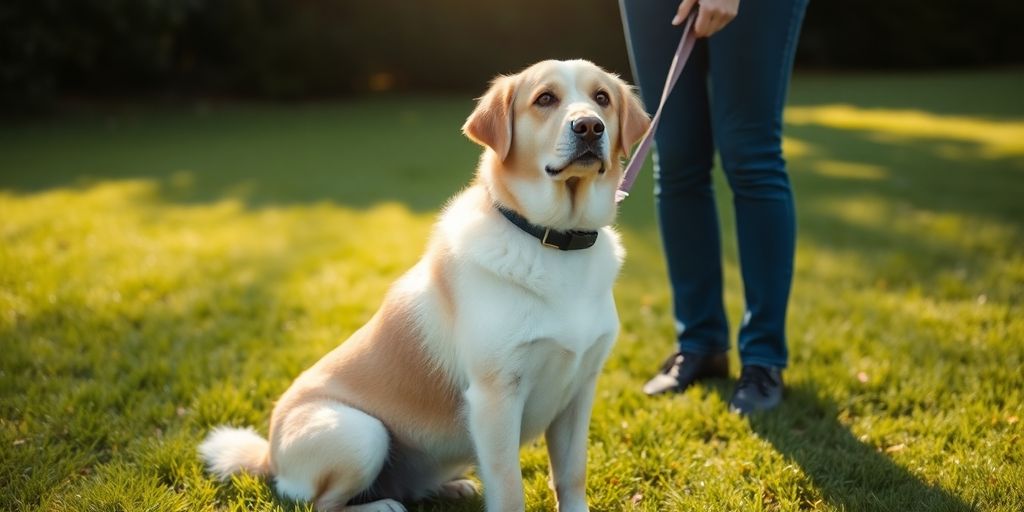
Incorporating stay training into your dog’s daily walks and playtime can be incredibly beneficial. Imagine you’re out for a walk and you come across a busy street or another dog. Teaching your dog to stay in these situations can prevent accidents and unwanted encounters. During playtime, practice asking your dog to stay before throwing a ball or toy. This not only reinforces the command but also makes the game more engaging for your pup. Consistency is the key here, as regular practice helps reinforce the behavior.
Incorporating Stay in Everyday Commands
Everyday activities provide numerous opportunities to practice stay commands. Before meals, ask your dog to stay while you prepare their food. This can help curb over-excitement and encourage patience. When answering the door, have your dog stay in a designated spot to prevent them from rushing guests. Integrating stay into these daily routines can make it second nature for your dog, making your life a little easier.
Reinforcing Stay in Various Environments
To ensure your dog understands the stay command in any situation, practice in different settings. Start indoors with minimal distractions, then gradually move to more challenging environments like the backyard or a local park. This helps your dog learn to stay even when there are distractions, like other dogs or people. Remember to use positive reinforcement to reward your dog for successfully staying put, which will encourage them to repeat the behavior in the future.
Training isn’t just about teaching commands; it’s about building a strong connection with your dog. By integrating stay training into your daily routine, you create a more harmonious living environment for both you and your furry friend.
By integrating dog training into daily life, you not only enhance your dog’s learning but also strengthen your bond, making for a happier and more obedient companion.
Advanced Stay Training Techniques for Experienced Owners
Introducing Distractions Gradually
Mastering the "stay" command requires introducing distractions slowly. Start with small distractions, like a toy or a family member walking by. Once your dog can maintain the stay position, gradually increase the complexity of distractions. This gradual approach helps your dog learn to focus amidst chaos. Remember, patience is key. If your dog breaks the stay, calmly reset and try again.
Practicing in Different Settings
Dogs are creatures of habit, and practicing "stay" in varied environments strengthens their ability to hold the command anywhere. Take your dog to different settings such as parks, busy streets, or even a friend’s house. This variety helps generalize the command, making it more reliable. Consistency across various locations ensures your dog understands that "stay" means "stay" no matter where they are.
Extending the Duration of Stay
Once your dog is comfortable with the "stay" command in different settings, it’s time to work on extending the duration. Start by increasing the time by just a few seconds, gradually building up to minutes. Use a timer to track progress. Reward your dog with a treat or praise for holding the stay longer each time. This method reinforces their understanding and patience, making the "stay" command more robust.
If you’re an experienced dog owner looking to enhance your training skills, explore our advanced stay training techniques. These methods can help you build a stronger bond with your furry friend while ensuring they master the stay command. Visit our website for more tips and resources to take your training to the next level!
Conclusion
Training your dog to stay isn’t just about teaching them a command; it’s about building a relationship based on trust and understanding. As you work with your furry friend, remember that patience and consistency are your best allies. Every dog is different, so what works for one might not work for another. Keep sessions short and fun, and always end on a positive note. Celebrate the small wins and don’t be afraid to seek help if you hit a roadblock. With time and effort, you’ll not only have a dog that listens but also a companion who feels secure and loved. So grab those treats, keep your tone upbeat, and enjoy the journey of learning together.
Frequently Asked Questions
Why is teaching a dog to stay important?
Teaching a dog to stay is important because it helps ensure their safety, gives you better control in various situations, and strengthens the bond between you and your pet.
What is positive reinforcement, and how does it help in training?
Positive reinforcement involves rewarding your dog for good behavior, like staying, with treats or praise. It encourages them to repeat the behavior because they associate it with something positive.
How can I avoid common mistakes when training my dog to stay?
Avoid using punishment, be consistent with commands, and don’t overwhelm your dog with long training sessions. Keep it fun and positive!
What tools can help in teaching my dog to stay?
Using treats, clickers, and leashes can be helpful. These tools make it easier to guide your dog and reward them for staying.
How long should training sessions be?
Training sessions should be short, around 5-10 minutes, to keep your dog’s attention and make learning enjoyable.
What should I do if my dog isn’t learning to stay?
If your dog struggles with learning to stay, consider seeking help from a professional dog trainer who can provide personalized guidance.