
Training a dog to stop resource guarding can be a bit tricky, but with the right approach, you can make a big difference. Resource guarding happens when a dog feels the need to protect something they value, like food or toys. This behavior can lead to tension and even aggression, so it’s important to address it early. In this article, we’ll go through some effective strategies to help your dog feel more comfortable and secure around their resources, making life easier for both of you.
Key Takeaways
- Start training in a safe and controlled environment to minimize risks.
- Use high-value treats to encourage positive associations with your presence.
- Teach commands like ‘drop it’ and ‘leave it’ to help manage guarding behavior.
- Create a calm feeding space where your dog can eat without feeling threatened.
- Consider professional help if your dog’s resource guarding is severe or unmanageable.
How to Begin Training for a Dog’s Resource Guarding
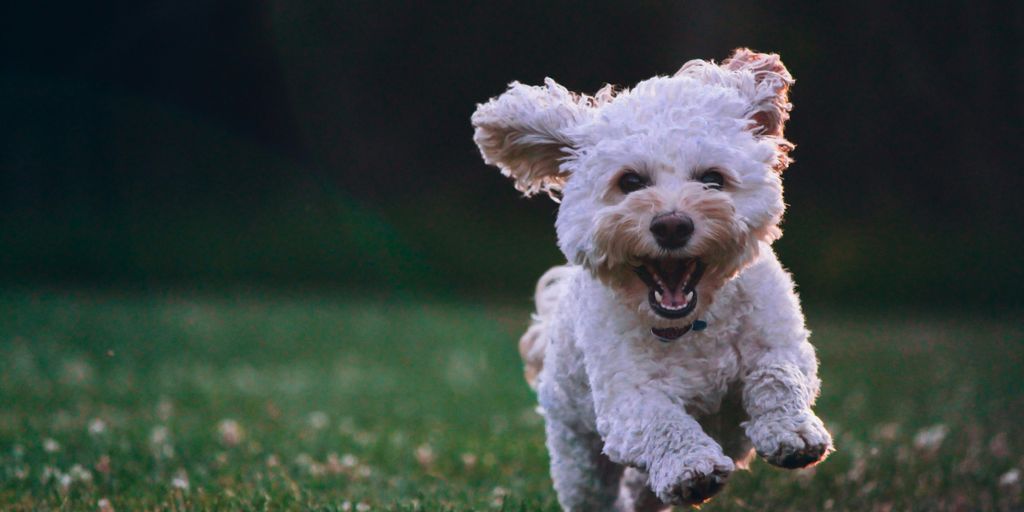
It’s tough when your dog starts guarding their food or toys. It can be scary, but it’s something you can work on. The key is to take it slow and be consistent. Before you even think about starting, it’s a good idea to talk to a professional dog trainer or a behavior consultant. They can help you figure out how serious the problem is and make sure you’re doing things safely. Remember, this kind of training takes time, so be patient!
Establish a Safe Training Environment
First things first, you need to make sure everyone is safe. This means creating a space where your dog feels secure and you can work without anyone getting hurt. Think about using a baby gate or an exercise pen to keep some distance between you and your dog during training sessions. This is especially important if your dog has a history of biting. The goal is to reduce stress and prevent any accidents. It’s all about setting up a situation where your dog can succeed without feeling threatened. Also, make sure other family members know not to approach the dog during training. This will help avoid confusion and keep the environment calm. You might want to consider these points:
- Use a designated training area.
- Inform all household members of the training schedule.
- Keep children away from the dog during training.
Identify Your Dog’s Distance Threshold
This is super important. You need to figure out how close you can get to your dog before they start to get tense or show signs of guarding. Trainers often call this the ‘distance threshold’. Some dogs might not care if you’re across the room, while others get anxious if you’re within a few feet. To find this threshold, watch your dog closely when they have something they guard. Look for signs like stiffening up, staring, or eating faster. Start your training sessions outside of this distance and gradually get closer as your dog gets more comfortable. For example, if your dog starts eating faster when you’re three feet away, begin your training at four feet. This helps you understand body language and manage the situation better.
Use High-Value Treats for Motivation
Okay, this is where the fun begins. You need to find treats that your dog absolutely loves – things that are even better than whatever they’re guarding. Think small pieces of chicken, cheese, or hot dogs. The idea is to create a positive association with your approach. When you walk by, they should think, "Oh boy, I’m getting something good!" not "Uh oh, they’re going to take my stuff!" Start by tossing the treats from a distance, then gradually get closer as your dog gets more comfortable. Remember, it’s all about making them feel good about you being near their precious items. It’s important to use these treats only during training sessions to keep them special. This method is a form of positive reinforcement, which is key to changing your dog’s behavior.
It’s important to remember that every dog is different, and what works for one might not work for another. Be patient, observant, and willing to adjust your approach as needed. If you’re feeling overwhelmed or unsure, don’t hesitate to seek professional help. Resource guarding can be a challenging behavior to address, but with the right approach, you can help your dog feel more secure and less anxious.
Helpful Training Skills for Dogs Who Resource Guard
It’s important to teach your dog specific skills that can help manage and reduce resource guarding behaviors. These skills focus on building trust and changing your dog’s association with people approaching their valued items. Let’s explore some effective training techniques.
Teach Your Dog to Drop It and Leave It
These commands are super useful for all dogs, but they’re especially important if your dog is a resource guarder. "Drop it" means your dog should release something they’re already holding. "Leave it" means they should ignore something entirely. Mastering these commands can prevent many resource guarding situations before they even start.
- Start with low-value items.
- Use high-value rewards when they comply.
- Gradually increase the value of the items.
Practice Positive Reinforcement Techniques
Positive reinforcement is key. The goal is to create positive associations with your presence near your dog’s resources. Instead of punishment, which can worsen guarding behaviors, focus on rewarding calm and relaxed behavior. For example, if your dog is eating and you approach, toss a tasty treat towards them. This helps them learn that your approach means good things. Over time, they may even start to look forward to your presence. This approach helps to change their emotional response from anxiety to anticipation of something positive. Remember to use high-value treats to motivate your dog.
Incorporate Management Strategies
Management strategies involve modifying the environment to prevent resource guarding situations from occurring in the first place. This might mean not leaving items around that your dog is likely to guard, such as toys or food wrappers. It also includes feeding your dog in a quiet, separate area where they feel safe and undisturbed. Here are some examples:
- Remove potential guarding triggers.
- Supervise your dog around valuable items.
- Use barriers to create safe spaces during mealtimes.
Management is not a cure, but it’s a critical part of the overall strategy. It reduces the opportunities for your dog to practice guarding, which in turn makes training more effective. Think of it as setting your dog up for success.
Creating a Positive Feeding Environment
It’s super important to make sure your dog feels safe and secure during mealtimes. This can really help reduce any anxiety that might be contributing to resource guarding. Let’s look at some ways to make feeding a more pleasant experience for your furry friend.
Let Your Dog Eat in Peace
The most important thing is to avoid bothering your dog while they’re eating. Think about it – if someone kept reaching for your plate while you were trying to enjoy a meal, you’d probably get a little annoyed, right? It’s the same for dogs. Let them focus on their food without feeling like they need to defend it. This helps build trust and reduces the need to guard. If you need to approach, do so calmly and predictably. You can even toss a high-value treat into their bowl as you approach to create a positive association. This is similar to positive reinforcement techniques.
Use Barriers for Safety
If you have other pets or small children, using barriers during feeding times can be a game-changer. This could be as simple as feeding your dog in a separate room with the door closed, or using a crate or pen. The goal is to create a safe zone where your dog feels secure and isn’t worried about anyone (or anything) approaching their food. This is especially helpful if your dog has shown signs of guarding their food from other animals or people in the past.
Establish a Routine for Mealtimes
Dogs thrive on routine, and mealtimes are no exception. Feeding your dog at the same time each day, in the same location, can help reduce anxiety and create a sense of predictability. This can be especially helpful for dogs who are prone to resource guarding. A consistent routine helps them understand when food is coming and that they don’t need to worry about it disappearing. Here are some things to consider:
- Set specific times for feeding.
- Use the same bowl and location each time.
- Avoid changing the food abruptly.
- Keep the environment calm and quiet.
Creating a positive feeding environment is all about building trust and reducing anxiety. By letting your dog eat in peace, using barriers for safety, and establishing a routine, you can help them feel more secure and less likely to guard their food. Remember, consistency is key, and patience is essential. It might take time, but with the right approach, you can make mealtimes a positive experience for both you and your dog.
Understanding Resource Guarding Behavior
Resource guarding can be a tricky thing to deal with, but understanding why it happens is the first step in helping your dog. It’s not about having a "bad" dog; it’s often a natural behavior rooted in instinct.
Recognizing Signs of Resource Guarding
Spotting resource guarding early can make a big difference. It’s not always obvious growling or snapping. Sometimes, it’s much more subtle. Look for things like your dog stiffening their body, giving you a hard stare, or even just eating faster when you approach. These are all signals that they’re feeling protective of whatever they have. Other signs can include:
- Freezing over the item
- Picking up the item and moving away
- Showing their teeth
Understanding Triggers for Guarding
Figuring out what sets off your dog’s resource guarding is key. Is it always food? Certain toys? Or maybe even a specific spot on the couch? Once you know the triggers, you can start to manage the situation and work on training. Some common triggers include:
- Approaching while they’re eating
- Reaching for a toy they’re playing with
- Having another dog or person come near their space
The Importance of Body Language
Your body language plays a huge role in how your dog perceives a situation. If you approach them in a way that feels threatening, even if you don’t mean to, it can trigger their guarding behavior. Try to approach calmly and confidently, avoiding direct eye contact or reaching directly for the item. Understanding dog-directed resource guarding is important for multi-pet households.
It’s important to remember that resource guarding isn’t about dominance. It’s about your dog feeling insecure about losing something they value. By understanding their perspective and using positive training methods, you can help them feel more secure and less likely to guard.
When to Seek Professional Help
Resource guarding can be tricky, and sometimes, despite your best efforts, it’s time to call in the pros. It’s not a sign of failure; it’s a sign you’re a responsible dog owner who prioritizes safety and your dog’s well-being. Knowing when to seek help can prevent the situation from escalating and ensure everyone stays safe.
Identifying Severe Resource Guarding
So, how do you know when it’s gone beyond what you can handle on your own? One key indicator is if your dog’s resource guarding involves biting, snapping, or showing aggressive behavior towards you or others. If the behavior is unpredictable or escalating, it’s time to seek professional help. Another sign is if the guarding is causing significant stress or anxiety for you or your family. It’s also important to consider the frequency and intensity of the guarding. Is it happening with every meal, every toy, every interaction? If so, it’s a serious issue that needs expert attention.
Consulting with a Certified Trainer
When you decide to seek help, it’s important to find the right professional. Look for a certified dog trainer or a veterinary behaviorist with experience in resource guarding. A good trainer will be able to assess your dog’s behavior, identify the triggers, and develop a customized training plan. They can also teach you how to manage the environment and safely work with your dog. Don’t be afraid to ask about their qualifications, experience, and approach to training. Positive reinforcement methods are key, and you want someone who understands how to use them effectively. Avoid trainers who advocate for punishment-based methods, as these can make resource guarding worse.
Understanding Behavioral Changes
Sometimes, resource guarding can be a symptom of an underlying medical issue. If your dog suddenly starts resource guarding, or if the behavior changes significantly, it’s a good idea to consult with your veterinarian. A vet can rule out any medical conditions that might be contributing to the behavior. Pain, discomfort, or cognitive decline can all affect a dog’s behavior and lead to increased resource guarding. It’s also important to monitor your dog’s overall behavior for any other changes, such as changes in appetite, sleep patterns, or activity levels. These changes can provide valuable information to your vet and trainer and help them develop the most effective treatment plan. Remember, addressing resource guarding is a process, and it may take time and patience to see results. But with the right help and a consistent approach, you can help your dog overcome this challenging behavior.
It’s important to remember that every dog is different, and what works for one dog may not work for another. A professional can help you tailor a training plan to your dog’s specific needs and personality. They can also provide ongoing support and guidance as you work through the process.
Here are some things to consider when deciding if it’s time to seek professional help:
- The severity of the guarding behavior
- The frequency of the guarding behavior
- The presence of aggression or biting
- The level of stress and anxiety it’s causing
Preventing Resource Guarding in Puppies
It’s way easier to prevent resource guarding than to fix it later! Starting early with your puppy can make a huge difference. Resource guarding in puppies can show up pretty early as they figure out the world.
Early Socialization Techniques
Socialization isn’t just about meeting other dogs; it’s about teaching your puppy that sharing is caring. Expose your pup to different people, places, and things. Make sure these experiences are positive. For example, when other dogs are around, give your puppy treats and praise. This helps them associate others with good things. Supervise playdates closely and step in if you see any signs of tension. Early and positive socialization techniques are key to preventing resource guarding.
Establishing Boundaries and Rules
Clear boundaries help your puppy feel secure. They know what to expect, which reduces anxiety. Teach your puppy basic commands like "leave it" and "drop it." Practice these commands regularly, especially around food and toys. Make sure everyone in the family is consistent with the rules. This consistency helps your puppy understand what’s expected of them. It’s also a good idea to manage access to high-value items. For example, put away toys when you can’t supervise. This prevents potential conflicts.
Using Positive Reinforcement from Day One
Positive reinforcement is your best friend. When your puppy lets you take a toy or approach their food bowl without issue, reward them with praise and treats. Avoid punishment. Punishment can make resource guarding worse. Instead, focus on building a positive association with sharing. For example, approach your puppy while they’re eating and drop a tasty treat into their bowl. This teaches them that your presence is a good thing. Positive reinforcement is way more effective than punishment in the long run.
Think of it like this: you’re teaching your puppy that sharing leads to good things. It’s not about taking things away; it’s about adding value to the situation. This approach builds trust and reduces the likelihood of resource guarding.
Long-Term Strategies for Managing Resource Guarding
Consistent Training and Reinforcement
Consistency is key when dealing with resource guarding. It’s not a problem you can fix overnight; it requires ongoing effort and dedication. Make sure everyone in the household is on board with the training plan and uses the same commands and techniques. Regular practice of commands like "drop it" cue and "leave it" will reinforce the dog’s understanding and response over time. Don’t let up just because you see improvement; keep practicing to maintain the progress.
- Continue using high-value treats to reward desired behaviors.
- Regularly practice training exercises in different environments.
- Ensure all family members are consistent with commands and rules.
Monitoring Changes in Behavior
Pay close attention to your dog’s behavior, even after they seem to have improved. Resource guarding can sometimes resurface, especially in stressful situations or with new items. Keep a detailed log of any incidents, noting the triggers, the dog’s reaction, and the context. This will help you identify patterns and adjust your management strategies accordingly. Be aware of subtle signs of discomfort or anxiety, such as lip licking, whale eye (showing the whites of their eyes), or a stiff body posture. Early detection can prevent escalation.
Adjusting Training Techniques as Needed
No two dogs are exactly alike, and what works for one may not work for another. Be prepared to adjust your training techniques as needed based on your dog’s individual progress and challenges. If a particular method isn’t yielding results, consult with a certified dog trainer or behaviorist to explore alternative approaches. Don’t be afraid to experiment with different types of rewards, training environments, or management strategies to find what works best for your dog. Remember, the goal is to create a safe and comfortable environment for both you and your furry friend.
It’s important to remember that managing resource guarding is an ongoing process, not a one-time fix. Be patient, consistent, and willing to adapt your approach as needed. With dedication and the right strategies, you can help your dog feel more secure and reduce the likelihood of guarding behaviors.
Managing resource guarding in dogs takes time and patience. Start by teaching your dog that sharing is a good thing. Use treats to reward them when they let you near their toys or food. Gradually, you can practice this with different items. Always stay calm and positive during training. If you want to learn more about effective dog training techniques, visit our website for helpful resources and tips!
Wrapping It Up
Training your dog to stop resource guarding takes time and patience, but it’s totally doable. Start by understanding your dog’s triggers and work on building trust through positive reinforcement. Remember, it’s all about creating a safe space where your dog feels secure. If you notice any signs of aggression, don’t hesitate to reach out to a professional trainer. They can help guide you through the process. With consistent practice, your dog can learn to share and feel comfortable around their resources. So, keep at it, and soon enough, you’ll see progress!
Frequently Asked Questions
What is resource guarding in dogs?
Resource guarding is when a dog protects something they value, like food or toys, from others.
How can I tell if my dog is resource guarding?
Signs include growling, stiff body posture, and keeping their head low over an item.
What should I do if my dog shows resource guarding behavior?
Start training with positive reinforcement and avoid punishment. Consider consulting a dog trainer.
Can all dogs develop resource guarding issues?
Yes, any dog can develop resource guarding, regardless of breed or background.
How can I prevent resource guarding in puppies?
Start training early with socialization, set clear rules, and use positive reinforcement.
When should I seek professional help for my dog’s resource guarding?
If your dog’s guarding behavior worsens or if you feel unsafe, it’s best to consult a certified trainer.