
Adopting a rescue dog is a big step, and it’s super rewarding. But, let’s be honest, it can also be pretty challenging. Training your new furry buddy is key to making sure they feel at home and behave well. In this guide, we’ll dive into some straightforward strategies to help you train your rescue dog. From setting up a safe space to using positive reinforcement, we’ve got you covered. Let’s get started on this journey to help your new friend settle in and thrive.
Key Takeaways
- Consistency is crucial in training; stick to a routine.
- Build trust with your dog through patience and understanding.
- Positive reinforcement works better than punishment.
- Socializing your dog helps them adjust to new environments.
- Seek professional help if you’re facing serious behavioral issues.
Understanding the Basics of Rescue Dog Training
Training a rescue dog is like learning a new dance with a partner who might have had a rough past. It’s all about patience, understanding, and a sprinkle of creativity. Let’s break it down into some key areas.
Importance of Consistency
Consistency is your best friend when training a rescue dog. Dogs thrive on routine, and a consistent schedule helps them feel secure. Whether it’s feeding times, walks, or training sessions, sticking to a regular pattern can make a huge difference. Consistency in commands and actions helps your dog learn faster and trust you more.
Building Trust with Your Dog
Trust is the foundation of any good relationship, and it’s no different with your rescue dog. Spend time just being with them, playing, and showing them love. Avoid sudden movements or loud noises that might scare them. Building trust might take time, but it’s worth every second. A trusted dog is a happy dog, and a happy dog is easier to train.
Setting Realistic Goals
When setting goals for your dog’s training, keep them realistic. Not every dog will learn at the same pace, and that’s okay. Break down the training into small, achievable steps. Celebrate the little victories along the way, like when they finally sit on command or stop pulling on the leash. Remember, it’s a marathon, not a sprint.
"Training a rescue dog is a journey filled with small steps and big heart. Celebrate each little victory and keep moving forward."
Incorporating these basics into your training routine will set a solid foundation for a happy and well-behaved companion. For more on establishing routines and training commands, check out training a new dog.
Creating a Safe and Structured Environment
Establishing a Routine
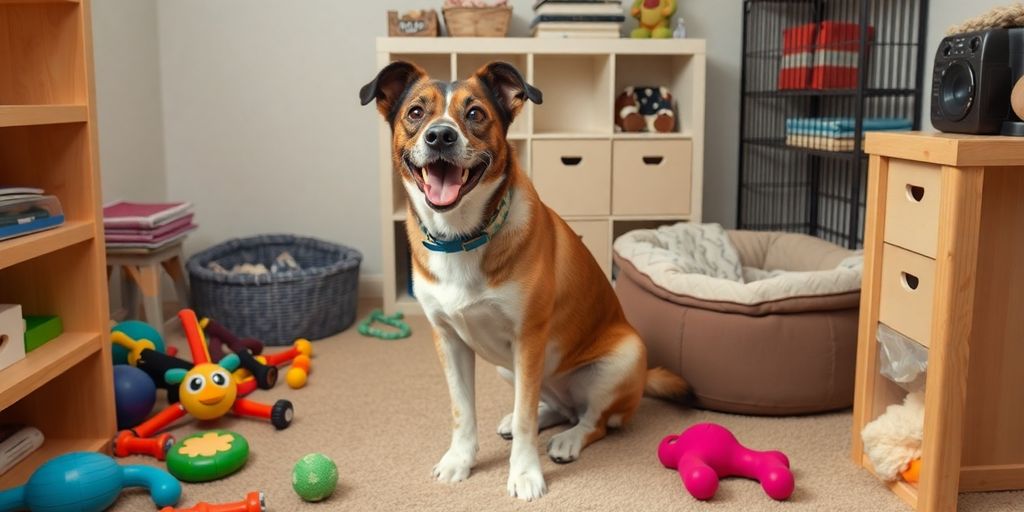
When you bring a rescue dog into your home, one of the first things to do is establish a solid routine. Dogs thrive on predictability, so setting a schedule for feeding, walks, and playtime can help your new pet feel more secure. Think of it like this: if you know when your favorite show is on TV, you look forward to it, right? It’s the same for dogs with their daily activities. Also, decide who in the family will handle tasks like feeding and walking. Consistency is key to avoid confusion and make your dog feel at ease.
Designing a Safe Space
Creating a designated safe space is crucial for your rescue dog’s comfort. This could be a cozy corner with a dog bed or a crate that serves as their personal den. Equip it with a soft pillow, blanket, and a water bowl. This space should be off-limits to everyone else, providing your dog a retreat when they need a break. Over time, this area will become their sanctuary, helping them adjust to their new surroundings.
Managing Stress and Anxiety
Rescue dogs often come with a fair share of stress and anxiety. To manage this, enrich their environment with activities that keep them engaged. Puzzle toys, for example, can provide mental stimulation. Also, be mindful of the household environment—keep it calm and avoid sudden loud noises. If your dog seems anxious, give them space and time to adjust. Remember, patience goes a long way in helping them feel at home.
Creating a structured environment isn’t just about rules and spaces; it’s about building a bond of trust and security with your dog. Give them time, and they’ll reward you with love and loyalty.
Implementing Positive Reinforcement Techniques

Reward-Based Training Methods
Positive reinforcement is all about rewarding your dog for doing something right. Imagine if every time you did something good, someone handed you a cookie or gave you a high-five. Dogs are no different. They thrive on rewards like treats, praise, or even a favorite toy. When your dog sits on command, for example, you immediately give them a treat. This makes them think, "Hey, if I sit, I get a treat!" It’s all about creating that connection between good behavior and a positive outcome.
Avoiding Punishment
Punishment might seem like a quick fix, but it can lead to bigger problems like fear or aggression. Dogs don’t always understand why they’re being punished, which can confuse them and make them anxious. Instead, focus on what they do right. If your dog jumps on guests, don’t yell. Instead, reward them when they sit quietly. This approach helps them learn what you want without fear.
Using Treats and Praise Effectively
The trick with treats and praise is timing. You want to reward your dog as soon as they do the right thing, so they know exactly what they’re being rewarded for. Keep treats small and healthy, and vary them to keep your dog interested. Praise is just as powerful. A cheerful "Good dog!" can mean the world to them. Remember, the goal is to make training a fun and rewarding experience for both you and your dog.
Positive reinforcement training enhances dog behavior by rewarding good actions, fostering a joyful learning environment. Key elements include choosing high-value rewards, ensuring timely and consistent reinforcement, and avoiding punishment. This method strengthens the bond between dogs and their owners, reduces anxiety, and encourages long-lasting behavioral changes. By focusing on positive interactions, dog owners can create a trusting relationship, making training enjoyable and effective.
Implementing these techniques can transform your dog’s behavior and strengthen your bond. It’s not just about training—it’s about building a partnership based on trust and understanding. So next time your dog does something right, don’t forget to celebrate it with a treat or a kind word!
Socializing Your Rescue Dog
Introducing New People and Pets
Getting your rescue dog comfortable around strangers and other animals is a big step. Start slow. Invite a friend over, one who understands dogs, and let them sit quietly while your dog sniffs around. Dogs need to feel safe, so don’t rush these introductions. Once your dog is at ease with a person, try a calm dog. Keep these meetings short and positive, rewarding your dog with treats or praise for good behavior.
Gradual Exposure to New Environments
Taking your dog to new places is like opening up a whole new world for them. Start with quiet areas like a friend’s backyard or a less crowded park. As your dog gets more comfortable, you can venture into busier spaces. Remember, patience is your best friend here. Watch your dog’s body language. If they seem stressed, take a step back and try again later.
Joining Obedience Classes
Obedience classes are a great way to socialize your dog while teaching them some manners. Look for classes that emphasize positive reinforcement, like treats and praise. These classes can help your dog learn commands and socialize with other dogs in a controlled setting. Plus, they offer a structured environment where your dog can learn to focus even with distractions.
Socializing a rescue dog isn’t just about making them friendly; it’s about helping them feel secure in a variety of settings. This is a journey that requires time, patience, and understanding, but the rewards are immeasurable. A well-socialized dog is not only happier but also more confident in the world around them.
For more on how to build a strong bond with your dog through training, check out our comprehensive guide on dog training.
Addressing Common Behavioral Challenges
Dealing with Separation Anxiety
Separation anxiety is a common issue among rescue dogs, and it can be quite distressing for both the dog and the owner. Dogs with separation anxiety may bark excessively, destroy household items, or even injure themselves trying to escape. To help your dog cope, start by creating a calm departure routine. Gradually increase the time you spend away from them, starting with just a few minutes and slowly extending it. Consider leaving behind a piece of clothing with your scent or using calming aids like pheromone diffusers.
Handling Aggression and Fear
Aggression and fear can often go hand-in-hand, especially in rescue dogs who have had difficult pasts. It’s important to approach these issues with patience and understanding. Never use punishment as it can exacerbate the problem. Instead, focus on positive reinforcement to encourage good behavior. If your dog is aggressive towards other animals or people, work on socialization in controlled environments. Use a muzzle if necessary to keep everyone safe while you work on these issues.
Overcoming House Training Issues
House training a rescue dog can be challenging, particularly if they have never been properly trained before. Consistency is key. Take your dog out at regular intervals, especially after meals and naps. Praise them lavishly when they do their business outside. If accidents happen indoors, clean them up thoroughly to prevent repeat offenses. Avoid scolding your dog, as this can create anxiety around bathroom habits. Instead, focus on rewarding success and maintaining a routine.
"Training a rescue dog requires patience and empathy, especially if the dog shows signs of fear or anxiety like cowering or growling. Building trust and confidence is crucial in helping the dog adjust and thrive in a new environment." Training a rescue dog requires patience and empathy
Seeking Professional Help When Needed

Finding a Qualified Dog Trainer
When you’re dealing with a rescue dog, sometimes it’s best to call in the pros. A trainer who knows their stuff can be a game-changer, especially when you’re facing specific challenges. Look for someone with experience in rescue dog training. They should understand the quirks and needs of dogs who’ve had a rough start. Ask around for recommendations or check out online reviews.
Understanding When to Seek Help
Knowing when to ask for help is key. If your dog’s behavior is stressing you out or you’re not seeing progress, it might be time to bring in a trainer. Don’t wait until you’re overwhelmed. Early intervention can prevent small issues from turning into big problems. Plus, a professional can offer new perspectives and techniques you might not have considered.
Tailoring Training to Your Dog’s Needs
Every dog is unique, and what works for one might not work for another. A good trainer will customize their approach to fit your dog’s personality and history. Whether it’s dealing with anxiety or aggression, the right plan can make all the difference. Remember, the goal is to build a trusting relationship and a happy, well-behaved dog.
Maintaining Long-Term Success in Training
Celebrating Progress and Milestones
Training a rescue dog is a journey, and it’s important to celebrate the small victories along the way. Recognizing and rewarding your dog’s achievements, no matter how minor, helps reinforce positive behavior and strengthens your bond. Consider keeping a journal to track progress, noting any breakthroughs or milestones. This not only serves as a reminder of how far you’ve come but also helps identify areas that might need more attention.
Remember, every step forward is a step in the right direction, even if it feels small. Consistency and patience are your best allies.
Continuing Education and Training
Learning never stops, even for dogs. Engage your dog in ongoing training sessions to keep their skills sharp and their mind active. This could be as simple as revisiting basic commands or introducing new tricks. Regular training sessions help prevent boredom and unwanted behaviors. Consider enrolling in advanced obedience classes or workshops to further challenge your dog and yourself.
Building a Lifelong Bond
The ultimate goal of training is to build a strong, lifelong bond with your dog. Spending quality time together, whether through training, play, or relaxation, fosters trust and mutual respect. It’s about understanding each other’s needs and communicating effectively. As you continue to train and grow together, you’ll find that your relationship becomes more rewarding and fulfilling.
- Spend time daily practicing commands and engaging in activities that both you and your dog enjoy.
- Be mindful of your dog’s body language and signals to better understand their needs.
- Use positive reinforcement to encourage good behavior and strengthen your connection.
Maintaining long-term success in training isn’t just about the commands your dog learns; it’s about the relationship you build together. Keep celebrating achievements, continue learning, and nurture the bond you share.
To keep your training on track for the long haul, remember that consistency is key. Regular practice and positive reinforcement will help your dog learn and grow. Don’t forget to check out our website for more tips and resources to support your training journey!
Conclusion
Bringing a rescue dog into your life is a journey filled with ups and downs, but it’s worth every moment. Training your new furry friend takes time, patience, and a lot of love. Remember, it’s not about perfection but progress. Celebrate the small wins and keep pushing forward. With the right approach, your rescue dog will not only adapt but thrive in their new home. So, keep those treats handy, stay consistent, and enjoy the ride with your new best friend. It’s a bond like no other, and the joy it brings is truly unmatched.
Frequently Asked Questions
How long does it take to train a rescue dog?
Training a rescue dog can take anywhere from a few weeks to several months, depending on the dog’s background and temperament. Patience and consistency are key.
What should I do if my rescue dog has separation anxiety?
Start by leaving your dog alone for short periods and gradually increase the time. Use positive reinforcement to reward calm behavior. Consider consulting a professional if needed.
Can older rescue dogs learn new tricks?
Yes, older dogs can learn new tricks! With patience and the right approach, you can teach an older dog just as effectively as a younger one.
How do I socialize my rescue dog with other pets?
Introduce your rescue dog to other pets slowly and in a controlled environment. Supervised playdates and gradual exposure to new animals can help.
What are some effective rewards for training my rescue dog?
Treats, praise, and playtime are great rewards. Choose something your dog loves and use it to reinforce positive behavior.
When should I seek professional help for training my rescue dog?
If you’re facing persistent behavioral issues or feel overwhelmed, seeking a professional dog trainer can provide guidance tailored to your dog’s needs.