
Getting your new puppy used to car rides can feel like a big task, but it doesn’t have to be a struggle. With a little patience and the right approach, you can turn those potentially stressful trips into something your furry friend actually looks forward to. This guide will walk you through simple steps for successful puppy car ride training, making every journey a positive experience for both of you.
Key Takeaways
- Make the car a pleasant spot by associating it with treats, toys, and praise, starting with just getting in and out.
- Gradually introduce motion and short trips, rewarding calm behavior to build confidence.
- If your puppy shows anxiety, use familiar items and a calm presence to help them feel secure.
- Prevent car sickness by keeping the car cool, fresh, and limiting food before trips.
- Always prioritize safety by using a secure crate or harness and keeping the car environment comfortable.
Making The Car A Positive Place
Let’s face it, the car can be a bit of a mystery for a new puppy. It’s big, it moves, and sometimes it smells weird. Our goal here is to flip that script and make the car something your puppy actually looks forward to. We want them to think, ‘Hey, good things happen when I get in there!’
Introduce The Car As A Fun Environment
Start by just making the car a place where good stuff happens, even when you’re not going anywhere. Think of it as a special treat zone. Open the car doors and let your puppy explore. Toss a few of their favorite treats inside, or maybe a beloved toy. Don’t push them to get in; just let them investigate at their own pace. If they hop in on their own, fantastic! Give them a little praise and a treat. The key is to keep it super low-pressure. We’re building a positive first impression here.
Create Positive Associations With Treats And Toys
This is where the magic really happens. Every time your puppy interacts with the car in a positive way, reward them. This means treats, praise, and maybe even a short play session right there in the driveway. You can even feed them their meals inside the car. The idea is to create a strong link in their mind: car = yummy food and fun games.
Here’s a simple way to start:
- Open the car door.
- Toss a high-value treat just inside.
- Let your puppy go in to get it.
- Praise them when they come back out.
Repeat this several times. If your puppy is hesitant, you can try sitting in the car yourself and calling them to you. Sometimes, seeing you relaxed and happy in there makes all the difference.
Gradually Increase Exposure To The Vehicle
Once your puppy seems comfortable just being around the open car doors and maybe even hopping in for a treat, you can slowly add more elements. This might mean sitting in the car with the doors closed for a minute or two. Then, try turning the engine on for a few seconds, followed by a treat. The goal is to slowly introduce sounds and sensations associated with the car, always pairing them with something positive. Don’t rush this. If your puppy shows any signs of stress, like whining or trying to escape, you’ve gone too fast. Just back up a step and try again later. Patience is your best friend here.
Building Confidence For Car Rides
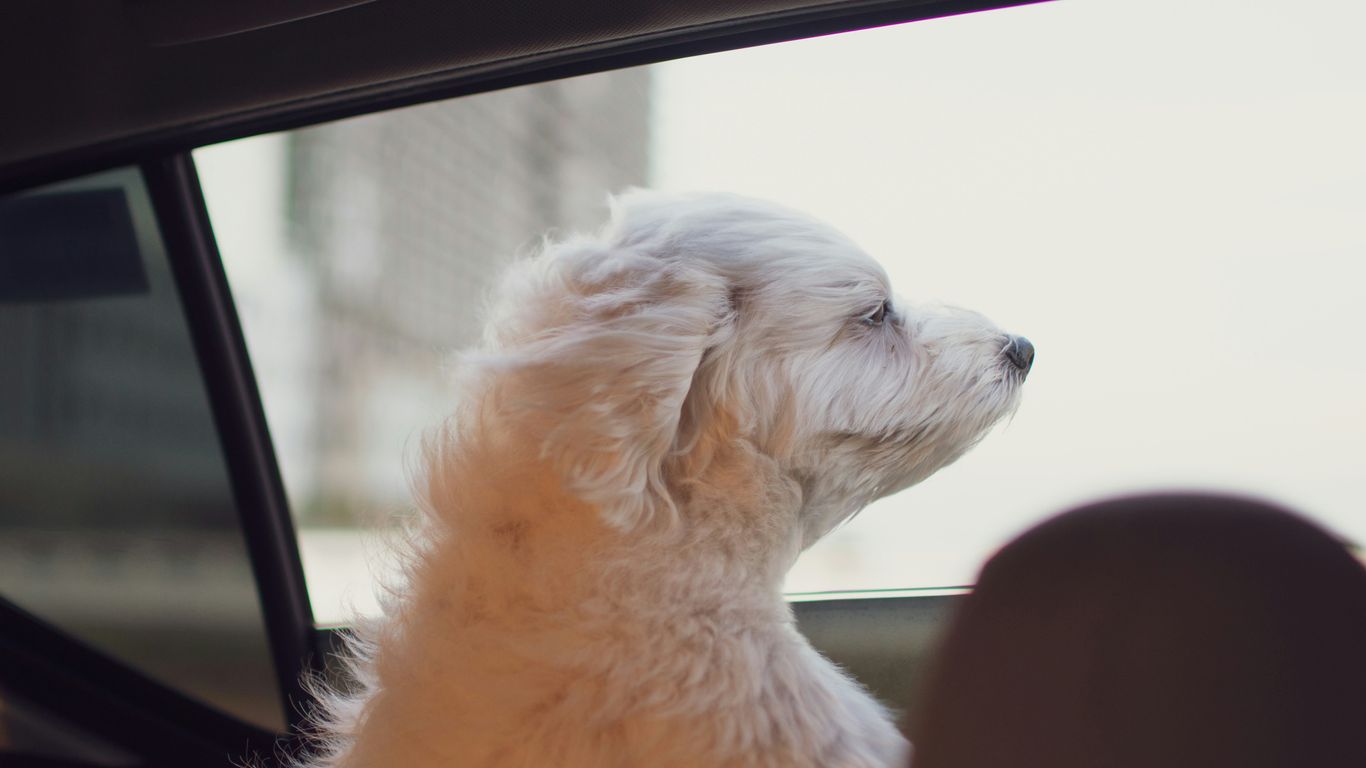
Some puppies just aren’t born loving car rides. It’s totally normal, and with a little patience, you can help your pup feel more secure. The key is to make the car a place where good things happen, and to take things slow. We’re not trying to rush this; we’re building trust.
Start With Short, Rewarding Experiences
Think of this as the "hello, car!" phase. Before you even think about turning the engine on, just get your puppy comfortable being near the car. Open the doors and let them sniff around. If they hop in willingly, great! Give them a super tasty treat or a favorite toy right there. If they’re hesitant, that’s okay too. You can coax them in with a treat or even gently lift a smaller pup. The goal is for them to associate the car with something positive, not scary. Once they’re inside, let them hang out for a minute, maybe give them a chew toy, and then let them out. Keep these initial sessions short – just a few minutes each. We want them to think, "Wow, that was fun! I got treats!"
Encourage Calm Behavior Before Entering And Exiting
This is where we teach your puppy some manners around the car. Before you even open the door to let them in, ask them to sit. This simple command helps them pause and think, rather than just bolting. Reward that sit with praise and a treat. Once they’re in the car, before you let them out, ask them to sit again. This teaches them to wait patiently and prevents them from rushing out, which can be dangerous. It’s all about teaching them to be calm and controlled around the car, both going in and coming out. This practice helps prevent over-excitement or anxiety later on.
Address Refusal With Owner Presence
What if your puppy just flat-out refuses to get in? Don’t force it. Sometimes, they just need to know you’re there with them. Try sitting in the car yourself first. Let your puppy come to you. If they see you relaxed and happy inside, they might be more willing to join. Another trick is to have a helper. You can stand on one side of the car, and your helper on the other, with the doors open. Use treats and praise to encourage your puppy to go back and forth. This makes it more of a game and less of a scary ordeal. The idea is to show them that the car isn’t a trap, but a place where they can be with you and get good things.
Introducing Motion And Distance
Begin With Very Short Trips
Once your puppy is comfortable just being in the car while it’s parked, it’s time to introduce a little movement. Don’t aim for a long drive right away. Start by just turning the engine on for a few seconds, then turn it off. If your puppy stays calm, great! Next, try rolling the car just to the end of your driveway and back. The goal here is to make these initial experiences super short and positive. Think of it as a quick ‘hello’ to motion, not a full-blown adventure. We want your puppy to associate the engine sound and slight movement with good things, like a special treat or a favorite toy. If your puppy seems anxious, just go back to the previous step where they were comfortable. Patience is key; we’re building confidence one tiny step at a time.
Incorporate A Helper For Positive Reinforcement
Having a second person can make a big difference when you’re introducing motion. While you focus on driving (even just a few feet!), your helper can sit with your puppy in the back seat. They can offer calm praise, gentle petting, or even feed small, tasty treats. This way, your puppy isn’t alone and has a direct source of positive reinforcement right there with them. This helps your puppy feel more secure and less focused on the new sensations of movement. It’s like having a personal cheerleader for your puppy’s car ride journey. This approach can really help desensitize your dog to the sensation of motion without the added excitement of a destination.
Choose Enjoyable Destinations
When you do start taking slightly longer trips, make sure the destination is somewhere your puppy will love. Forget the vet for now! Think about a fun park, a friend’s house where they get lots of attention, or a safe, open field for a quick romp. The idea is to create a strong positive association with the car ride itself by linking it to a really fun outcome. So, the car ride becomes the exciting prelude to something wonderful. This makes the entire experience, from getting in the car to arriving, a positive one for your puppy. Gradually, you can increase the distance as your puppy becomes more comfortable and confident with each trip.
Addressing Puppy Car Ride Anxiety
Sometimes, puppies just don’t take to car rides right away. It’s not uncommon for them to feel a bit uneasy, maybe even scared. This can stem from a few things – maybe they had a bad experience, or perhaps the whole idea of being in a moving box is just plain weird to them. The good news is, we can work through this. The key is to make the car a place of good things, not worry.
Desensitization and Counter-Conditioning Techniques
This is where we slowly introduce your puppy to the car and pair it with positive experiences. Think of it as building trust, one small step at a time.
- Start with the Stationary Car: Begin by just having your puppy near the car with the doors open. Give them treats and praise for being calm. Don’t even ask them to get in yet.
- Getting In and Out: Once they’re comfortable with the open door, encourage them to hop in for a second. Reward them immediately, then encourage them to hop out. Make it a fun game of "in and out" with lots of praise and treats.
- Short Engine On: If they’re doing well, start the engine for a few seconds while they’re inside (safely secured, of course). Turn it off and let them out. Gradually increase the time the engine is on.
- Brief Movement: Progress to very short drives, like just down the driveway and back. The goal is to associate the car’s movement with good things happening.
Remember, the pace is dictated by your puppy. If they show signs of stress, like panting, whining, or trying to escape, you’ve moved too fast. Back up a step and try again, going even slower.
Utilize Familiar Items for Comfort
Bringing a piece of home into the car can make a big difference for a nervous pup. It’s like a security blanket for them.
- Favorite Bedding or Blanket: A blanket that smells like their bed or your scent can be very reassuring.
- Comforting Toys: A favorite chew toy or stuffed animal can provide a distraction and a sense of familiarity.
- Your Scent: Even a t-shirt you’ve worn can be placed in their area to help them feel your presence.
Consider Calming Aids Like Pheromones
Sometimes, a little extra help can go a long way. Pheromone products are designed to mimic natural calming scents that puppies might associate with their mother.
- Pheromone Sprays: These can be sprayed in the car before your puppy gets in. They typically last for a few hours.
- Pheromone Diffusers/Collars: These offer a more continuous release of the calming scent.
Always introduce these aids gradually and observe your puppy’s reaction. They aren’t a magic fix, but they can be a helpful tool in your anxiety-reducing toolkit.
Preventing And Managing Car Sickness
It’s pretty common for puppies to feel a bit queasy when they first start riding in cars. Many pups actually grow out of this as they get older, but if your little one is still struggling, there are definitely things you can do to help. The goal here is to make the car a place where your puppy feels comfortable, not sick.
Tips For A Smoother Puppy Car Ride
- Keep the car cool. Make sure the temperature inside the vehicle is comfortable. Open windows a bit to let in fresh air, but avoid direct, strong sunlight if possible. Cars can heat up fast, so never leave your puppy alone in one, even on cooler days.
- Limit food and water before trips. Don’t feed your puppy a big meal right before you plan to travel. Wait a few hours after they’ve eaten. A light walk just before you leave can also help them relax.
- Provide familiar items. Bringing a favorite toy or a blanket that smells like home can offer a sense of security. This is especially helpful for younger puppies.
- Consider pheromones. Sprays or diffusers that release synthetic pheromones, mimicking those of a mother dog, can have a calming effect. You can find these at pet stores.
When To Consult Your Veterinarian
If your puppy’s car sickness is persistent or severe, it’s a good idea to chat with your vet. They can rule out any underlying medical issues and discuss potential solutions. This might include:
- Medication specifically for motion sickness.
- Anti-anxiety medication if fear is a major factor.
- Advice tailored to your puppy’s specific needs.
Don’t hesitate to reach out; your vet is a great resource for keeping your puppy healthy.
Adjusting Travel For Puppy’s Comfort
Sometimes, just a few small changes can make a big difference. For longer journeys, plan to stop every couple of hours. This gives both you and your puppy a chance to stretch, get some water, and take a potty break. Always make sure your puppy is wearing their collar with ID tags in case they get loose during a stop. Remember, patience is key. Gradual progress and positive experiences will help your puppy become a more confident traveler.
Ensuring Safety During Travel
Keeping your puppy safe while traveling in the car is super important. It’s not just about comfort; it’s about preventing injuries. Think about it – a sudden stop or a sharp turn can send an unrestrained puppy flying. We want to avoid that, right?
Secure Your Puppy With A Crate Or Harness
This is probably the most critical step. A secure crate is ideal. It keeps your puppy contained and protected, acting like a little safe space for them. If a crate isn’t an option, a well-fitting harness that attaches to the car’s seatbelt system is the next best thing. Make sure the harness is designed for car travel, not just for walking. Some puppies might find it easier to settle if they can’t see everything whizzing by outside, so a crate can help with that too. Remember, letting your puppy hang their head out the window, while it might seem fun, is a big no-no. It puts them at risk for eye injuries or worse if they were to get hit by something or try to jump out.
Preventing Distractions From Outside
Puppies can be easily distracted, and anything happening outside the car can be a major source of anxiety or excitement for them. Cars passing by, people on the sidewalk, or even squirrels can cause a puppy to bark, whine, or become agitated. This not only stresses your puppy but can also distract you, the driver. Using a crate can help block some of these visual distractions. If your puppy is on the seat, consider a car seat cover or even a window guard that allows fresh air without giving them a full view of the outside world. The goal is to create a calm environment inside the car, and limiting what they can see and react to is a big part of that. You can start training your puppy as soon as they join your family, focusing on positive experiences. Early socialization is key to building a confident dog.
Maintaining A Cool Environment In The Car
Overheating is a serious danger for dogs, especially in cars. Even on a moderately warm day, a car’s interior can become dangerously hot very quickly. Always check that the temperature inside the car is comfortable for your puppy. Air conditioning helps, but make sure it reaches where your puppy is sitting. On longer trips, especially in warmer weather, plan for frequent breaks. This gives your puppy a chance to drink some water and stretch their legs. Never, ever leave your puppy unattended in the car, even for a few minutes. It’s just not worth the risk.
Keeping your puppy secure and comfortable is the top priority. A happy, safe puppy makes for a much more pleasant journey for everyone involved.
Keeping your furry friend safe while traveling is super important. Make sure they have everything they need for a smooth trip. For tips on how to prepare your dog for travel and ensure their well-being on the go, visit our website today!
Happy Trails Ahead!
So there you have it! Training your puppy to enjoy car rides takes a little patience and a lot of positive reinforcement, but it’s totally doable. Remember to go at your pup’s pace, make it fun with treats and praise, and soon enough, those car trips will be something you both look forward to. Whether it’s a quick trip to the park or a longer adventure, you’ll have a happy co-pilot by your side. Now go hit the road and enjoy those rides together!
Frequently Asked Questions
How do I get my puppy used to the car for the first time?
Start by making the car a happy place. Let your puppy explore it when the engine is off. Give them treats and toys inside. Make getting in and out of the car a fun game. Keep early trips super short, like just down the driveway and back, and always end on a good note with praise and a reward.
My puppy seems scared of car rides. What can I do?
It’s common for puppies to feel anxious. Try to figure out why they’re scared. If it’s the motion, start with very slow, short rides. If it’s the confinement, make sure they have a comfy spot with familiar items like a favorite blanket or toy. Always stay calm yourself, as your puppy can sense your worry.
How can I prevent my puppy from getting sick in the car?
Puppies often get car sick because their inner ear isn’t fully developed. To help, keep the car cool with fresh air, avoid feeding them right before a trip, and try to make the ride smooth by driving gently. Some puppies feel better if they can’t see out the window, so a secure crate might help. Talk to your vet if it’s a big problem.
What’s the best way to keep my puppy safe during car rides?
Safety is key! Always use a secure crate that’s properly fastened, or a special car harness that attaches to your seatbelt. This stops them from roaming around and becoming a distraction, and protects them in case of a sudden stop or accident. Never let your puppy ride with their head out the window.
How long should I make the car rides at first?
Begin with incredibly brief trips. Think just a few minutes, or even just going to the end of your driveway and back. The goal is to create a positive experience, not to tire them out. You can slowly increase the time as your puppy gets more comfortable and less stressed.
Are there any special products that can help my puppy relax in the car?
Yes, there are! You can try calming pheromone sprays or diffusers designed for dogs, which mimic the scent of a mother dog and can help reduce stress. Bringing a familiar toy or blanket that smells like home can also provide comfort. Always check with your vet before trying any new products.