
It’s amazing what a little patience and the right approach can do for our furry friends. We’ve all seen those adorable puppy videos, but sometimes training isn’t quite so straightforward. Life throws curveballs, and dogs can develop all sorts of quirks. But the good news is, with dedication and smart training methods, even the most challenging behaviors can be turned around. These stories show just how much difference good training makes, not just for the dogs, but for the whole family. They’re proof that with the right help, every dog can learn and thrive.
Key Takeaways
- Many dogs, even those with fearful or reactive behaviors, can become confident and well-behaved companions with consistent, positive training.
- Overcoming challenges like leash reactivity often requires a structured approach, like the NePoPo® method, focusing on rewarding good behavior.
- Positive reinforcement training builds trust and excitement, strengthening the bond between dogs and their owners.
- Stubbornness or difficult behaviors in puppies can be addressed with expert guidance, leading to a transformed dog and a grateful family.
- Training is an ongoing process, not a one-time event; celebrating small wins and continuing practice helps maintain success throughout a dog’s life.
Transforming Fearful Pups Into Confident Companions
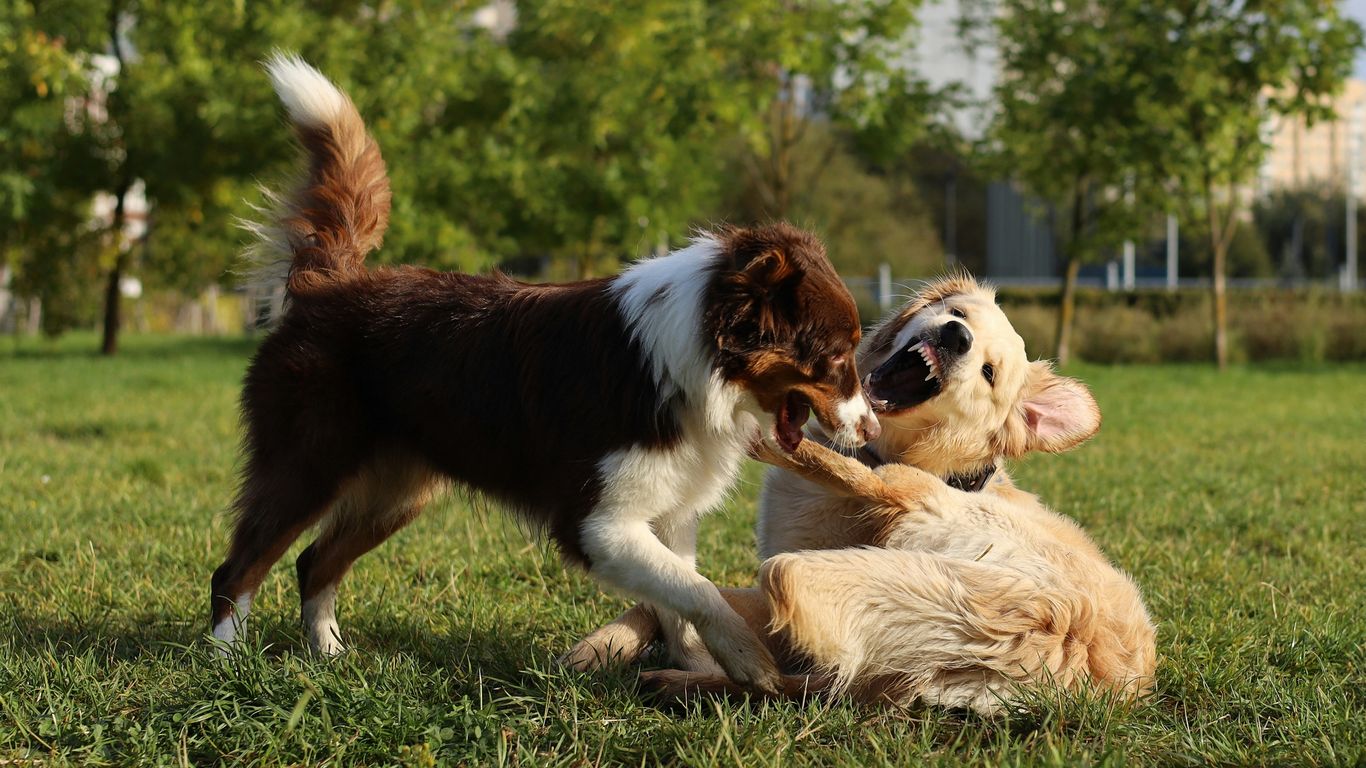
It’s tough seeing your furry friend live in a constant state of worry. Many dogs, especially those from shelters or with difficult pasts, can be quite timid. They might shy away from new people, loud noises, or even everyday objects. The good news is that with the right approach, even the most fearful pup can blossom into a confident, happy dog. It takes patience, understanding, and a training plan built around their specific needs.
Charlie’s Journey From Fearful to Confident
Charlie, a Beagle mix, came to his new family as a rescue and was absolutely terrified of everything. He’d tremble in his corner, and the idea of a leash seemed impossible. His family wanted to help but felt lost. They started with simple trust-building exercises, making sure Charlie felt safe and secure. Slowly, they introduced new sights and sounds, always pairing them with positive experiences like tasty treats or fun games. It wasn’t a quick fix, but day by day, Charlie began to peek out of his shell.
Building Confidence Step by Step
This gradual process is key. We focus on creating positive associations with things that used to scare them. This often involves:
- Controlled Introductions: Meeting new people or dogs in a calm, controlled setting where Charlie could retreat if needed.
- Play and Reward: Using his favorite toys and high-value treats to make interactions rewarding.
- Confidence Builders: Incorporating activities like simple agility equipment or puzzle toys that encourage problem-solving and success.
The goal is to show the dog, through consistent positive experiences, that the world isn’t as scary as they believe it to be. Each small victory builds upon the last, creating a foundation of trust and bravery.
Charlie Today: An Adventure Dog
Fast forward a few months, and Charlie is a different dog. He now eagerly heads out for walks on the local trails, plays happily with other dogs at the park, and has even completed basic obedience classes. He’s become the family’s go-to companion for all sorts of adventures, proving that with the right support, fear can be replaced with courage. Helping dogs like Charlie overcome their anxieties is incredibly rewarding, and it shows the power of tailored dog training methods.
Overcoming Leash Reactivity: Max’s Remarkable Turnaround
The Challenge of Max’s Reactivity
Max, a two-year-old German Shepherd, was struggling. His owners, the Johnson family from Alcoa, found themselves unable to take him for walks without a major incident. Every passing dog, person, or even a car would set him off into a frenzy of barking and lunging. It was stressful for everyone involved, and the Johnsons were at their wit’s end, even considering rehoming him. They loved Max dearly but felt they had run out of options.
The NePoPo® Approach to Reactivity
We decided to tackle Max’s reactivity using the NePoPo® method. This systematic approach focuses on understanding and modifying behavior through a clear sequence:
- Negative: Identifying and interrupting unwanted behaviors. This isn’t about punishment, but about clearly signaling when a behavior isn’t what we want.
- Positive: Immediately rewarding calm, focused behavior. This is where we build the good stuff.
- Positive: Creating lasting positive associations with things that used to trigger him. We want Max to feel good about seeing other dogs or people.
This structured training helps dogs learn what we do want them to do, rather than just what they shouldn’t. It builds confidence and a better understanding between dog and owner.
Max’s Transformation: A Reliable Companion
After a focused three-week board and train program, the change in Max was incredible. He went from being a dog his owners couldn’t walk to a reliable companion. Now, Max can walk calmly past other dogs without reacting. He stays focused on his handlers, even in busy environments like downtown Maryville. The Johnsons are thrilled they can now enjoy their daily walks together. Max has even started making friends at our daycare program, showing just how far he’s come. It’s a testament to what consistent, positive training can achieve.
Sibling Harmony: Duke and Daisy’s Training Triumph
Duke and Daisy, a pair of Labrador siblings, were once locked in a constant battle over resources. Meal times were tense, toys were a source of conflict, and even their owners’ attention could spark a disagreement. Their family, living in Friendsville, TN, was struggling, even considering rehoming one of the dogs. It was a tough situation, and they felt like they were losing their beloved pets to constant squabbles.
The Training Process for Peaceful Coexistence
Our approach focused on rebuilding their relationship and establishing clear boundaries. We started with individual sessions to make sure each dog understood basic commands without the pressure of the other present. Then, we moved to controlled group sessions, using positive reinforcement to encourage cooperation. Key commands like "wait" and "leave it" were introduced and practiced extensively. We also restructured their feeding routines and worked on pack dynamics to reduce competition. This structured approach helped them understand that working together, rather than against each other, brought better rewards. It wasn’t just about obedience; it was about teaching them to trust each other and their humans again.
Happy Ending: Sharing and Cooperation
Today, Duke and Daisy are a picture of sibling harmony. They can eat side-by-side without any issues, a sight their family never thought they’d witness again. They even share toys and engage in cooperative play, which is a huge leap from their previous rivalry. They respond reliably to commands, even when excitement levels are high, showing a newfound focus and respect for their training. Their bond as siblings has actually strengthened, built on a foundation of mutual respect rather than competition. It’s amazing how much happier they both seem now that the constant tension is gone. This transformation has brought peace back to their home, and their family is incredibly grateful for the change. If you’re facing similar challenges with your own pups, exploring resources on avoiding common mistakes can be a great starting point.
Positive Reinforcement: A Path to Stronger Bonds
The Power of Positive Reinforcement Training
Positive reinforcement training is all about rewarding your dog for doing something right. Think of it as building a partnership. Instead of focusing on what your dog does wrong, you focus on catching them being good and making it worth their while. This approach doesn’t just teach commands; it builds a foundation of trust and mutual respect. It’s about making training a fun game for both of you. When your dog learns that good things happen when they listen or perform a desired behavior, they become more eager to participate. This method is incredibly effective for all sorts of training, from basic manners to more complex tasks, and it really helps dogs feel more secure and happy.
Building Trust and Excitement Through Training
Using rewards, whether it’s a tasty treat, a favorite toy, or enthusiastic praise, makes training exciting for your dog. They start to associate learning with positive experiences. This is especially helpful when you’re working through challenges. For instance, if your dog is a bit hesitant about new things, using positive reinforcement can help them build confidence. It’s like saying, "Hey, trying this new thing is great! Look what good stuff you get!" This makes them more willing to explore and learn. It’s a gentle way to guide them, and it really shows in their overall attitude towards training and new experiences. Many owners find that this method makes their dogs more engaged and willing to try, which is a huge win.
Strengthening the Human-Canine Bond
When you consistently reward your dog for good behavior, you’re not just training a dog; you’re building a deeper connection. Every training session becomes an opportunity to communicate and understand each other better. Your dog learns to read your cues, and you learn to read theirs. This shared activity fosters a sense of teamwork. It’s amazing how much this can change your relationship. You move from being just an owner to being a trusted partner. This kind of bond is what makes having a dog so special. It’s about shared joy and understanding, and positive reinforcement is a fantastic way to get there. If you’re looking for guidance on how to build this connection, working with a professional can make a big difference Alana Stevenson offers dog training.
Here are a few ways positive reinforcement helps build that bond:
- Clear Communication: Rewards make it clear what behavior you like.
- Shared Activity: Training becomes a fun activity you do together.
- Increased Trust: Your dog learns they can rely on you for good things.
- Positive Associations: Your dog looks forward to interacting with you.
Training with positive reinforcement isn’t just about teaching your dog commands. It’s about creating a positive feedback loop where your dog feels motivated, understood, and appreciated. This consistent positive interaction naturally strengthens the emotional connection between you and your canine companion, leading to a more harmonious and joyful life together.
From Stubbornness to Success: Alyssa’s Story
The Challenge of a Stubborn Puppy
Alyssa H. found herself in a tough spot. She’d welcomed a puppy into her home, a decision that initially brought joy. However, as the puppy grew, a strong-willed streak became apparent. Training this energetic, stubborn pup was proving incredibly difficult, especially for Alyssa, a single mother juggling two jobs and raising two children. The situation escalated when her property manager contacted her more than once about the dog’s behavior. Alyssa felt she was at a crossroads: either get effective training quickly or face the heartbreaking possibility of rehoming her furry family member.
Expert Guidance for Behavioral Solutions
Feeling overwhelmed and unsure where to turn, Alyssa reached out for professional help. She connected with a trainer who immediately put her at ease. The trainer’s confident approach and clear belief in their ability to help were exactly what Alyssa needed. The training program focused on understanding the root of the stubbornness and implementing consistent, positive methods. This wasn’t just about basic commands; it was about building a better communication system between Alyssa and her dog.
Here’s a look at the core strategies employed:
- Establishing Clear Communication: Implementing consistent commands and hand signals.
- Positive Reinforcement: Rewarding desired behaviors with treats, praise, and play.
- Building Focus: Exercises designed to help the dog concentrate despite distractions.
- Consistency is Key: Ensuring all family members followed the same training rules.
A Transformed Dog and a Grateful Family
The results were remarkable. Alyssa’s dog, once a source of stress, became a well-behaved companion. She now reliably responds to commands, showing a newfound confidence that also boosted Alyssa’s own self-assurance. The transformation meant they could finally enjoy outings together, like trips to the park and sports practices, activities that were previously impossible. Alyssa expressed immense gratitude, stating the service was worth double what she paid. It wasn’t just about fixing behavior; it was about keeping her dog, a cherished member of the family, and restoring peace to their home.
The journey from frustration to harmony wasn’t instant, but with the right guidance and consistent effort, even the most challenging puppy behaviors can be overcome, leading to a stronger bond and a happier household.
Ongoing Training: Sustaining Success for All Ages
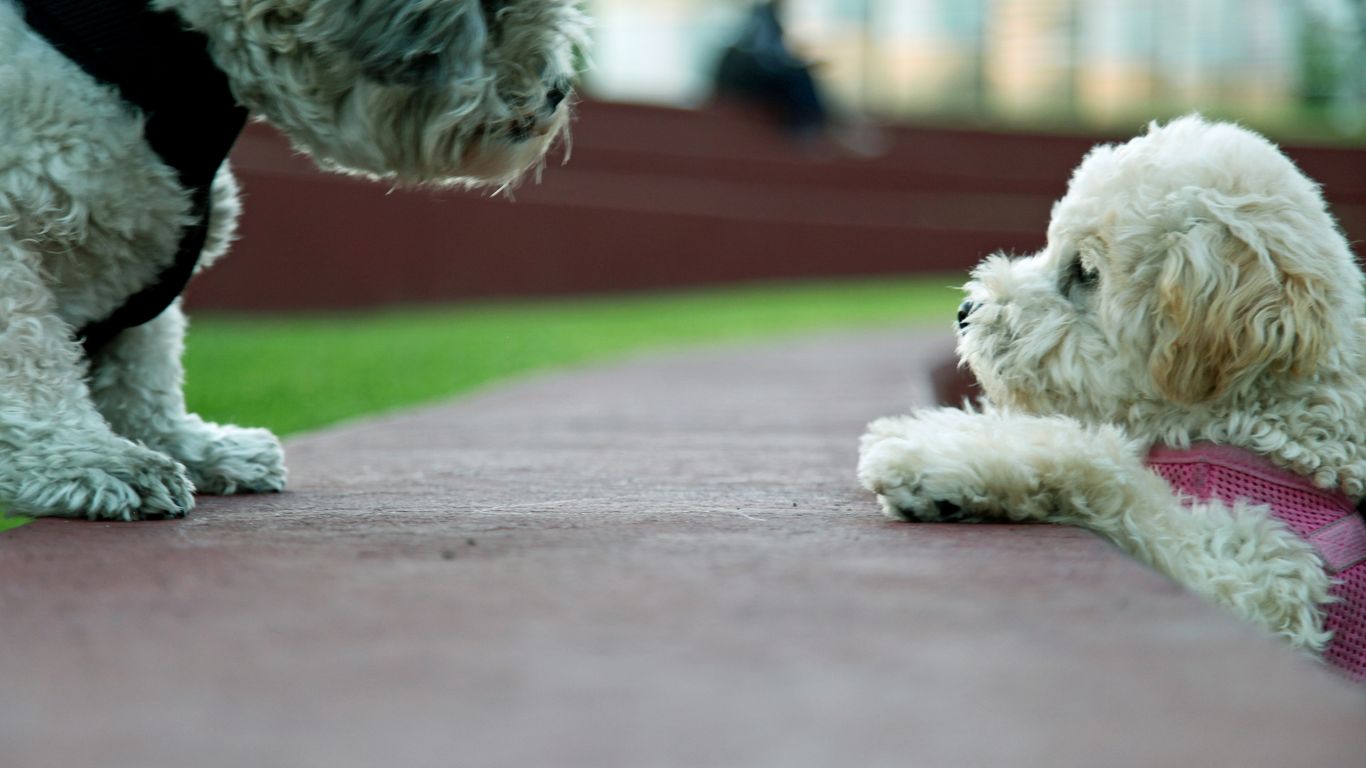
The Importance of Continuous Dog Training
So, you’ve finished puppy classes, and your dog knows "sit," "stay," and "come." Great job! But here’s the thing: training isn’t really a "finish line" event. It’s more like a continuous conversation with your dog. Think about it – life throws new things at us all the time, and dogs are no different. New people, new places, even just a change in routine can sometimes bring out old habits or create new challenges. Keeping up with training, even just a little bit each day, is key to making sure those good behaviors stick around. It helps your dog stay mentally sharp and confident, no matter their age.
Mojo’s Journey: Small Wins, Big Progress
Take Mojo, for example. She’s a sweet older girl who, for years, had a tough time with reactivity – barking and lunging at other dogs, people, and even moving objects. Her family worked with trainers and stuck with it, day in and day out. It wasn’t a quick fix. There were days that felt like setbacks. But they celebrated the small victories: the day Mojo didn’t bark at a passing jogger, or when she calmly walked past a group of kids. These little wins added up. Now, Mojo can enjoy her walks without the constant stress. It just goes to show that even with long-standing issues, consistent effort and celebrating progress makes a huge difference.
Celebrating Milestones in Every Dog’s Training
Every dog’s training path looks a bit different, and that’s perfectly okay. What matters is recognizing and appreciating the steps forward, no matter how small they seem. Did your dog finally master "leave it" around dropped food? That’s a win! Can they now walk past the neighbor’s cat without a fuss? Another win! These moments are worth acknowledging. They build momentum and reinforce the bond you share. It’s about building a positive relationship, not just ticking off commands. Remember, consistency and positive reinforcement are your best tools, always.
Training is a journey, not a destination. It’s about building a strong, trusting relationship with your dog that lasts a lifetime. Small, consistent efforts yield significant results over time, leading to a happier, more well-behaved companion.
Inspiring Puppy Training Success Stories
The Impact of Professional Training Expertise
It’s amazing what a little guidance can do for a dog and their family. We’ve seen so many pups come through our doors, each with their own set of quirks and challenges. Some are shy, some are a bit too boisterous, and some just seem to have a mind of their own. But with the right approach, these dogs transform. It’s not about magic tricks; it’s about understanding how dogs learn and building on that. Professional trainers bring a level of insight that can really make a difference, helping owners see their dogs in a new light and build a stronger connection.
Hope for Every Dog’s Behavioral Challenges
Think about Charlie, a Beagle mix who was so scared he wouldn’t even leave his corner. His new family didn’t know where to start. But by taking things slow, using treats and play, and gradually introducing him to new things, Charlie blossomed. Now he’s an adventure dog, happily exploring trails and playing with other pups. Or Max, a German Shepherd who barked and lunged at everything on walks. After some focused training, Max can now stroll calmly past other dogs. These aren’t isolated incidents; they show that every dog can improve, no matter their starting point.
Your Dog’s Success Story Starts Today
These transformations aren’t just about well-behaved dogs; they’re about happier families and deeper bonds. It shows that with patience and the right methods, even the most difficult behaviors can be overcome. The journey might have its ups and downs, but the result is a more confident, joyful dog and a more peaceful home. Don’t let challenges hold you back. Reaching out for help is the first step towards a brighter future for you and your canine companion.
Read amazing tales of pups learning new tricks and becoming wonderful companions! These stories show how much fun and rewarding training can be. Want to create your own success story? Visit our website to find the best training courses for your furry friend!
A Brighter Future for You and Your Pup
Seeing these stories really shows what’s possible when you put in the work with your dog. It’s not always easy, and sometimes you might feel like you’re not getting anywhere, but these examples prove that patience and the right approach can make a huge difference. Whether it’s a shy rescue finding their confidence or a pair of pups learning to get along, the bond you build through training is pretty special. It’s about more than just good behavior; it’s about creating a happy, harmonious life together. So, if you’re struggling with your own furry friend, remember these successes and know that a better relationship is within reach.
Frequently Asked Questions
What is positive reinforcement training?
Positive reinforcement training means rewarding your dog for doing something good. When your dog does what you want, you give them a treat, praise, or a toy. This makes them more likely to do that good thing again. It’s like saying ‘good job!’ with rewards instead of punishments.
My dog is scared of everything. Can training help?
Absolutely! Dogs that are fearful can learn to be more confident. Trainers use special methods to help scared dogs feel safe and explore the world slowly. They start with small steps and use rewards to build the dog’s courage. Many dogs go from being scared to enjoying new adventures!
My dog barks and lunges at other dogs on walks. What can be done?
This is called leash reactivity, and it’s a common problem. Special training methods can help dogs learn to stay calm around other dogs. It involves teaching them to focus on you instead of reacting. With consistent training, many dogs can learn to walk nicely without getting upset.
Is training just for puppies?
No way! Dogs of any age can learn new things and improve their behavior. Older dogs might have old habits, but they can still learn. Continuing to train your dog throughout their life, even with simple commands, keeps their mind sharp and strengthens your bond.
My dog is stubborn. Is it hopeless?
Not at all! Stubbornness can be tricky, but with the right approach, it can be overcome. Expert trainers can figure out why a dog is being stubborn and use methods that work best for that individual dog. Many ‘stubborn’ dogs become well-behaved companions with the right guidance.
How long does it take to see results from training?
Results can vary depending on the dog and the issue. Some simple commands can be learned quickly, while bigger behavior problems might take more time and patience. The key is consistency and celebrating the small wins along the way. Every little bit of progress is a success!