
Bringing a new puppy home is super exciting, right? It’s all cuddles and playtime. But in the middle of all that fun, it’s easy to accidentally make some puppy training mistakes. Even if you’re trying your best, some common slip-ups can lead to your furry friend developing habits that are tough to break later on. Let’s talk about some of these common puppy training mistakes to avoid so you can help your pup become a well-behaved member of the family.
Key Takeaways
- Start training your puppy as soon as they arrive; don’t wait for them to ‘settle in.’
- Use positive reinforcement and avoid harsh discipline, as it can create fear and anxiety.
- Keep training sessions short, fun, and consistent to match a puppy’s attention span.
- Be mindful of your reactions to your puppy’s behavior to avoid accidentally rewarding unwanted actions.
- Don’t punish potty accidents; instead, focus on positive reinforcement and consistent potty routines.
Starting Puppy Training Too Late
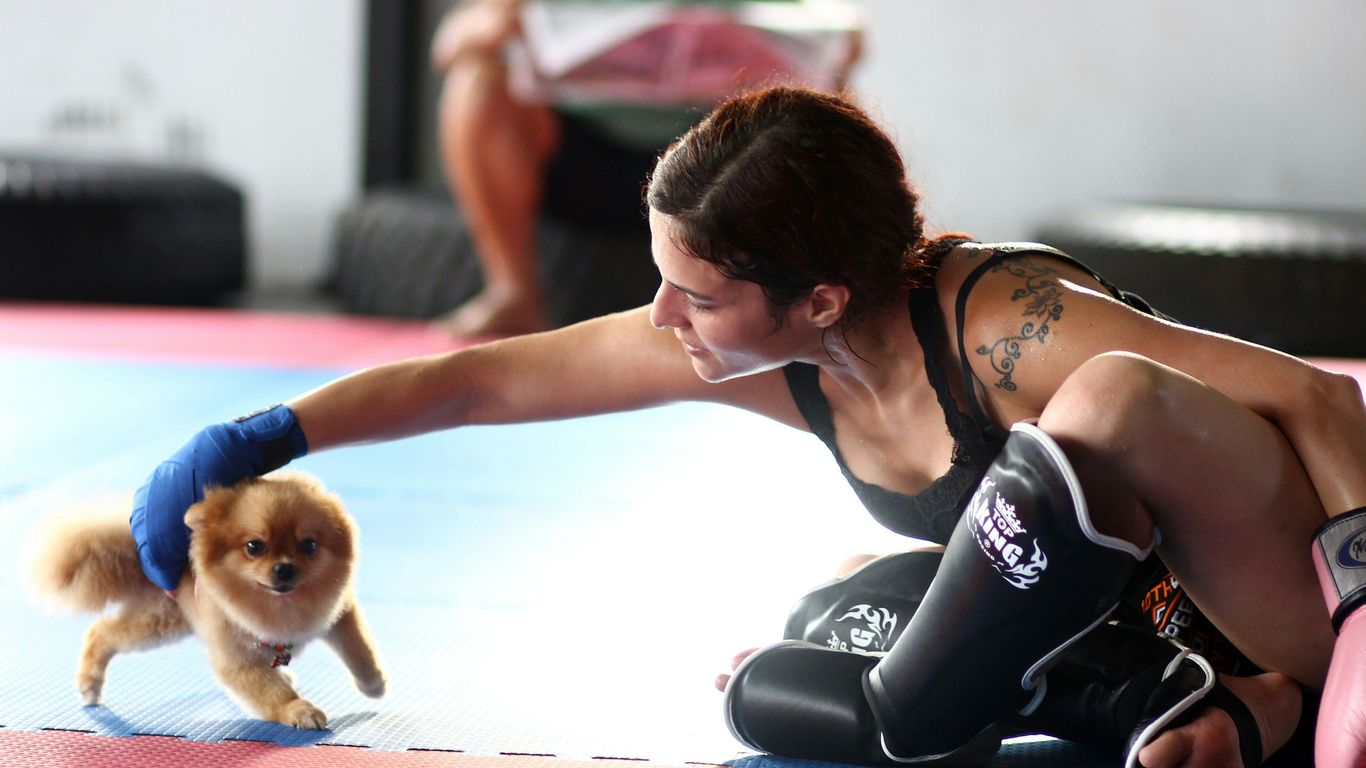
It’s easy to get caught up in the excitement of bringing a new puppy home. You’re busy puppy-proofing, buying supplies, and just generally enjoying those adorable puppy moments. But here’s the thing: training shouldn’t wait. The moment your puppy crosses your threshold is the moment their education begins. Waiting even a few weeks can mean missing out on a critical learning window and potentially allowing unwanted habits to form.
Begin Training Immediately Upon Arrival
Think of your puppy’s first days with you as their orientation period. They’re learning about their new world, their new family, and what’s expected of them. You can start right away with the basics. Potty training, for instance, needs to begin the second they arrive. Teaching them where to go and rewarding them for success is a daily, ongoing process. Simple commands like ‘sit’ or ‘come’ can also be introduced early. It’s not about advanced tricks; it’s about establishing communication and setting expectations. This early start helps build a foundation for all future learning and strengthens your bond.
The Importance of Early Socialization
This is a big one. The period between 3 weeks and 4 months of age is a crucial time for puppies to learn about the world. This is their socialization window. During this time, they are most open to new experiences, people, sounds, and other animals. It’s your job to expose them to a variety of things in a positive way. This doesn’t mean overwhelming them, but rather introducing them gradually to different sights and sounds, like the vacuum cleaner, the mail carrier, or different types of people. Proper socialization helps prevent fear-based behaviors later on, like aggression or anxiety. A well-socialized puppy is more likely to grow into a confident, well-adjusted adult dog. You can find resources on how to properly socialize your puppy here.
Puppies learn best through positive experiences. Make sure any new encounters are pleasant and not scary for your pup. This builds trust and a positive association with the outside world.
Here’s a quick look at what to focus on:
- People: Introduce them to people of different ages, appearances, and gaits.
- Environments: Take them to different safe places – parks (once vaccinated), quiet streets, pet-friendly stores.
- Sounds: Let them hear everyday noises like traffic, doorbells, and household appliances from a distance.
- Other Animals: Safely introduce them to vaccinated, friendly dogs and other calm pets.
Starting training and socialization right away isn’t just about teaching commands; it’s about shaping your puppy into a happy, confident companion for life.
Harsh Discipline and Inconsistent Rules
When you’re working with a new puppy, it’s easy to get frustrated. They’re learning, and sometimes that learning process involves mistakes. But how you react to those mistakes makes a huge difference. Harsh discipline can do more harm than good, creating fear and anxiety instead of understanding. Think about it: if you’re constantly being yelled at or punished for not getting something right, you’re probably not going to feel very motivated to try again. Puppies are the same way.
Avoid Aggressive Training Techniques
Old-school methods that involve yelling, physical corrections, or intimidation might seem like they get quick results, but they really don’t build a good relationship. Instead, they can make your puppy scared of you, scared of training, or even scared of certain situations. This fear can sometimes turn into aggression, which is the last thing anyone wants. Puppies respond much better to positive reinforcement. When they do something right, like sitting when you ask, give them praise, a tasty treat, or a favorite toy. This makes them want to repeat that good behavior. It’s all about rewarding the good stuff, not punishing the not-so-good stuff. Remember, your puppy isn’t trying to be bad; they’re just figuring things out.
Establish Clear and Consistent Household Rules
Imagine if the rules at your house changed every day. One day you can eat snacks on the couch, the next day you’re in trouble for it. You’d be confused, right? Puppies feel the same way when household rules aren’t consistent. If your puppy is allowed on the sofa one day but gets pushed off the next, they won’t know what to expect. This confusion can lead to them testing boundaries more often. It’s important that everyone in the house is on the same page. Decide on the rules for things like where the puppy sleeps, whether they’re allowed on furniture, and how commands are given. Consistency helps your puppy feel secure and understand what’s expected of them. This builds trust between you and your dog, which is a big part of successful training and a happy home. It’s one of the common dog training mistakes to avoid.
Here’s a quick look at why consistency matters:
- Predictability: Puppies learn faster when they know what to expect.
- Reduced Anxiety: Clear rules mean less confusion and worry for your puppy.
- Stronger Bond: Consistency builds trust and a better relationship.
- Fewer Behavioral Issues: When rules are clear, puppies are less likely to develop problem behaviors out of confusion.
Training should be a positive experience for both you and your puppy. If you find yourself getting frustrated, it’s better to take a break and come back to it later when you’re both feeling calm and ready to learn. A happy trainer makes for a happy puppy.
Ineffective Communication During Training
Sometimes, we think we’re communicating clearly with our puppies, but they just aren’t getting it. This usually comes down to how we’re talking to them and when we’re saying it. It’s not about the puppy being stubborn; it’s about us not being clear enough.
Stop Repeating Commands
Ever find yourself saying "Sit, sit, sit, SIT!"? Yeah, me too. It feels like the more you say it, the more they’ll eventually listen, right? Turns out, that’s not really how it works. When you repeat a command over and over, your puppy starts to tune it out. That single word, "sit," which should be a clear instruction, becomes background noise. They learn that they don’t have to respond the first time, or even the second. The goal is for your puppy to understand and obey the command the first time it’s given.
Instead of nagging, try saying the command once. If your puppy doesn’t respond, don’t just repeat it. Take a step back. Maybe they’re distracted, or maybe they don’t quite understand what you’re asking yet. You can try to get their attention in a different way, or reset the situation and try again. This helps them understand that each command is important and needs a response. It’s about building that respect for the word you’re using.
Understand the Power of Timing
Timing is seriously everything when you’re training a puppy. Think about it: if your puppy does something great, like sitting when you ask, and you praise them five minutes later, they won’t connect that praise to the action. They’ll just think you’re randomly happy. The same goes for corrections. If you wait too long to address unwanted behavior, your puppy won’t understand what they did wrong. Rewards and corrections need to happen within seconds of the behavior you’re trying to influence. This immediate feedback is how they learn what you like and what you don’t.
Puppies are like little sponges, but their attention spans are short. They learn best when the cause and effect are immediate. If you reward a good behavior right away, they’ll associate the reward with that specific action. If you correct a bad behavior instantly, they’ll understand that the action led to the consequence.
Here’s a quick look at how timing impacts training:
- Immediate Reward: Puppy sits -> You say "Yes!" and give a treat. Puppy learns: Sitting gets good stuff.
- Delayed Reward: Puppy sits. You get distracted. Five minutes later, you remember and give a treat. Puppy learns: Treats appear randomly.
- Immediate Correction: Puppy chews shoe -> You say "Ah-ah!" and redirect to a toy. Puppy learns: Chewing shoe is not okay.
- Delayed Correction: Puppy chews shoe. You find it later and scold. Puppy learns: Shoes are scary, but doesn’t know why.
Getting the timing right can make a huge difference in how quickly your puppy learns. Keep treats handy and practice your own timing during those short, frequent training sessions. It’s a skill that gets better with practice, just like any other training technique. If you’re struggling with clear communication, especially around potty training, understanding how to signal your puppy’s needs can be a game-changer. You can learn more about bell training a puppy to help with this.
Mismanaging Training Sessions
Sometimes, even with the best intentions, we can mess up how we approach training our puppies. It’s easy to get frustrated or just not realize we’re doing it wrong. But how we structure and conduct these learning moments makes a big difference for your pup.
Keep Training Sessions Short and Engaging
Puppies have the attention span of, well, a very young child. Asking them to focus for long periods is just setting them up for failure. Instead of aiming for marathon sessions, think short and sweet. A few minutes here and there, spread throughout the day, is far more effective than one long, drawn-out attempt. This keeps them from getting bored or overwhelmed.
- Aim for 5-10 minute sessions initially.
- Incorporate play and rewards to keep it fun.
- End on a positive note, even if it’s just a simple command they know.
Train When You Are Calm and Focused
Dogs are super sensitive to our moods. If you’re stressed, tired, or just having a bad day, your puppy will pick up on it. Trying to teach them something new when you’re feeling impatient is a recipe for disaster. It can make the training experience unpleasant for both of you and might even make your puppy associate training with negative feelings.
It’s better to take a break and try again later when you’re feeling more relaxed and patient. A calm owner leads to a calmer, more receptive puppy.
Think about it: would you want to learn something new from someone who’s clearly annoyed? Probably not. Your puppy feels the same way. So, make sure you’re in the right headspace before you start. This means being present, focused, and ready to offer gentle guidance and praise.
Reinforcing Undesired Behaviors
It’s easy to accidentally teach your puppy behaviors you don’t want. Puppies learn by figuring out what gets them what they want, and sometimes, what they want is your attention. If your puppy learns that jumping on you, barking, or whining gets them that attention, they’ll keep doing it. You might be rewarding the very things you’re trying to stop without even realizing it.
Be Mindful of Your Responses
Think about how you react when your puppy does something you don’t like. If your puppy jumps up for attention and you push them off while saying "no," to your puppy, that’s still attention. They got you to look at them and interact, even if it was negative. This can actually reinforce the jumping behavior. Instead, try to ignore the unwanted behavior completely until your puppy is calm and has all four paws on the floor. Then, reward that calm behavior with praise or a treat. It takes patience, but it teaches them that calm actions get them what they want.
Here’s a quick look at how this can play out:
- Puppy jumps up: You give attention (even negative).
- Puppy learns: Jumping gets attention.
- Puppy jumps up again: You repeat the cycle.
To break this, you need to change the outcome. Ignore the jump, and reward the calm.
Avoid Poisoning Cues
A "poisoned cue" is a command that your puppy starts to associate with something unpleasant. Imagine you’ve taught your puppy to come when you say "come here!" and they usually get a treat or a good scratch. But then, one day, you call them with "come here!" and immediately clip their nails, which they hate. Or maybe you call them and then give them a bath they dislike. Your puppy gets confused. The cue "come here!" used to mean good things, but now it can mean something bad is about to happen. This can make them hesitant to respond the next time you call, even when you have a treat ready. Try to only use commands for things your puppy enjoys, especially when you’re first teaching them.
Improper Potty Training Practices
Potty training a puppy can feel like a marathon, not a sprint. It’s easy to get frustrated when accidents happen, but how you handle them makes a big difference. Punishing your puppy for an accident indoors is a common mistake that can actually set you back. Puppies don’t understand that you’re upset about the mess itself; they might just learn to fear you or hide when they need to go.
Don’t Punish Accidents
When you discover a puddle or a pile, resist the urge to scold or push your puppy’s nose into it. They simply don’t connect your anger with an event that happened minutes or even seconds ago. Instead, they might associate your reaction with simply going to the bathroom in front of you. This can lead to them sneaking off to potty in hidden spots, making your job even harder. If you catch your puppy in the act, calmly interrupt them, praise them for stopping, and immediately take them outside to their designated potty spot. If they finish outside, give them lots of praise and a small treat. It’s all about positive reinforcement and guiding them toward the right behavior.
Provide Clear Boundaries for Potty Training
Setting up your puppy for success is key. This means establishing a consistent routine and managing their environment. Puppies have small bladders and need frequent potty breaks. A good rule of thumb is that a puppy can hold it for about an hour for every month of age. So, a two-month-old puppy might need to go out every two hours. Always take them out first thing in the morning, last thing at night, and after they eat, drink, or play. Using a leash to take them to the same spot each time helps them understand where they’re supposed to go. This structured approach, along with patience, is the most effective way to house-train your puppy.
Here’s a basic schedule to consider:
- First thing in the morning
- Last thing at night
- Within 5-10 minutes after waking up from a nap
- Within 15-20 minutes after eating or drinking
- During and after playtime
- Before being left alone in their crate
Remember, consistency is your best friend during potty training. Every person in the household should follow the same rules and schedule. This uniformity helps your puppy learn faster and reduces confusion.
Overlooking Key Training Components
Sometimes, we get so caught up in the day-to-day of puppy life that we forget some really important building blocks for training. It’s easy to focus on the immediate issues, like potty accidents or chewing, but neglecting a few key areas can really set you back.
Embrace Crate Training
Crate training is more than just a way to keep your puppy contained. It’s about giving them a safe den, a place where they can feel secure and relax. This can be a lifesaver for potty training because dogs naturally don’t want to soil their sleeping area. It also helps them learn to be okay on their own, which is a big deal for preventing separation anxiety later on. Think of the crate as their personal space, not a punishment zone. Setting up the crate correctly, with comfy bedding and maybe a chew toy, makes it inviting. The goal is for your puppy to choose to go in there.
Do Not Allow Free Roaming Initially
When you first bring your puppy home, letting them roam the entire house unsupervised is a recipe for disaster. They’re still learning the rules, and that means they’ll likely explore with their mouths, chew things they shouldn’t, and have accidents in places you don’t want them to. It’s much easier to manage their environment when you can keep an eye on them. Using baby gates, playpens, or even just keeping them in the same room with you helps a lot. This controlled environment allows you to guide their behavior and prevent unwanted habits from forming. It’s about setting them up for success by managing their space effectively. A good puppy training plan will often include this kind of management.
It’s not about restricting your puppy’s freedom forever, but rather about creating a structured environment during their formative weeks. This helps them learn boundaries and appropriate behaviors without the constant risk of making mistakes that are hard to correct later.
It’s easy to forget some important parts of training your dog. Sometimes people focus too much on just a few things and miss out on other key areas that can really help your furry friend learn and grow. Don’t let your training journey hit a snag because you overlooked something crucial. Want to make sure you’re covering all your bases? Visit our website for a complete guide to effective dog training.
Keep Up the Great Work!
So, we’ve gone over a few common slip-ups that can happen when you’re training a new puppy. It’s easy to get things wrong when you’re excited and maybe a little overwhelmed. But remember, most of these mistakes come from a good place – you love your dog! Just by reading this, you’re already ahead of the game. Keep practicing patience, stay consistent with your rules, and always try to make training a positive experience. Your furry friend will thank you for it, and you’ll end up with a happy, well-behaved companion.
Frequently Asked Questions
When is the best time to start training my new puppy?
The moment your puppy arrives home is the perfect time to begin training. Puppies are like sponges at a young age, usually around 8 to 10 weeks old. This is when they are most curious and ready to learn basic manners like ‘sit,’ ‘stay,’ and ‘come.’ Starting early helps them get used to your rules and routines right away, making the whole process smoother.
Why should I avoid harsh discipline with my puppy?
Harsh methods like yelling, pushing, or jerking the leash can actually make your puppy scared and anxious. A fearful dog is much harder to train and can even become aggressive. Positive training, which uses rewards like treats and praise for good behavior, builds a stronger bond and is much more effective for teaching your puppy what you want.
How can I make sure my puppy understands my commands?
It’s important to say commands clearly and only once. If you keep repeating ‘sit, sit, sit,’ your puppy might learn to ignore you until you say it multiple times. Instead, say it once, and if your puppy doesn’t respond, help them understand by guiding them or trying again. Also, make sure you reward them right away when they do listen so they know what they did right.
My puppy has a short attention span. How can I make training sessions effective?
Puppies have energy but can only focus for short periods, kind of like very young children. Keep your training sessions brief, maybe just a few minutes at a time, and do them a few times a day. Make it fun and engaging with games or quick exercises. As your puppy gets older and can focus longer, you can gradually extend the session times.
What does it mean to ‘reinforce undesired behaviors’?
This means that sometimes, without realizing it, you might be encouraging the behavior you don’t want. For example, if your puppy jumps on you for attention and you push them off but still give them some attention, they learn that jumping gets them noticed. It’s important to be aware of how you react to your puppy’s actions so you don’t accidentally teach them bad habits.
What’s the best way to handle potty training accidents?
When your puppy has an accident inside, the most important thing is to stay calm and not punish them. Puppies don’t understand why they’re being scolded after the fact, and punishment can make them fearful or secretive about pottying. Instead, just clean it up and focus on preventing future accidents by taking them outside regularly and rewarding them when they go in the right spot.