
Getting a new puppy is super exciting, right? But let’s be real, it can also feel a bit overwhelming. You want to do everything right for your new furry family member. Having the right gear makes a huge difference. It helps with training, keeps them safe, and makes sure they’re comfy. We’ve put together a list of some must-have puppy training tools to help you get started on the right paw. This stuff really helps make training smoother for both you and your pup.
Key Takeaways
- High-value treats are like gold for training; they make your puppy eager to learn and please. Keep them handy in a treat pouch for quick rewards.
- A clicker can be a game-changer for clear communication, marking the exact moment your puppy does something right.
- Durable leashes and comfortable collars or harnesses are vital for safe walks and training sessions, giving you control and your puppy freedom.
- Creating a safe den with a crate or playpen, comfy bedding, and using baby gates helps your puppy feel secure and learn boundaries.
- Having potty pads, enzyme cleaners, poop bags, and optional potty bells ready makes house training less messy and more manageable.
Essential Puppy Training Tools for Positive Reinforcement
Getting your new puppy started on the right paw means using the right tools, especially when you’re aiming for positive reinforcement training. This approach focuses on rewarding good behavior, making learning fun and building a strong bond between you and your furry friend. It’s all about making training a rewarding experience for everyone involved.
High-Value Training Treats
Think of these as your puppy’s favorite currency. High-value treats are those super tasty morsels that your puppy will work extra hard for. They’re not your everyday kibble; these are special rewards that create a strong positive association with the behaviors you’re teaching. When your puppy nails a command or does something you like, a quick treat makes them think, "Wow, listening to my human is awesome and delicious!" Breaking treats into small, bite-sized pieces is a good idea, especially for longer training sessions, so your pup stays engaged without getting too full.
- Single-ingredient meat treats (like liver or lung)
- Small pieces of cheese or cooked chicken
- Commercial training treats specifically designed for puppies
The key is finding what truly motivates your specific puppy. What one dog goes wild for, another might just sniff at. Experiment a little to discover their ultimate reward.
Clicker Training Device
A clicker is a small device that makes a distinct "click" sound. It’s used to mark the exact moment your puppy performs the desired behavior. The click acts as a bridge, telling your puppy precisely what they did right, immediately followed by a treat. This timing is super important for clear communication. It helps your puppy understand exactly what action earned them the reward, speeding up the learning process significantly. Many people find that using a clicker helps their puppy grasp new commands much faster than verbal cues alone. You can find a great two-pack that’s perfect for keeping one handy at home and another in your car or treat pouch.
Training Treat Pouch
This might seem like a small thing, but a good treat pouch is a game-changer for training on the go. It keeps your high-value treats easily accessible, so you’re not fumbling in your pockets or a bag every time your puppy does something great. Many pouches have multiple compartments, allowing you to store treats, clickers, and even your keys or phone. Having everything in one place means you’re always ready for a spontaneous training moment, whether you’re in the living room or out on a walk. It makes rewarding your puppy quick and seamless.
Leashes, Collars, and Harnesses for Safe Outings
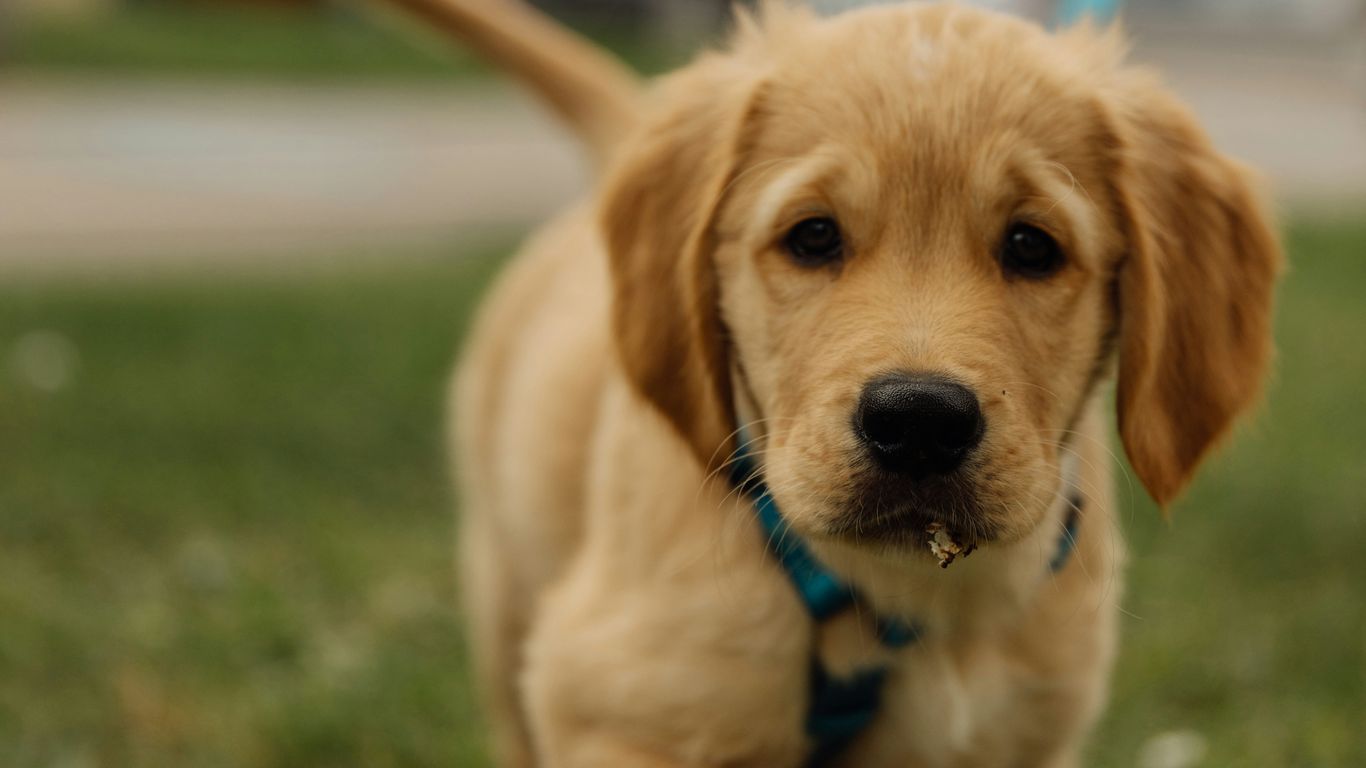
Getting out and about with your new puppy is a big step, and having the right gear makes all the difference. It’s not just about looking good; it’s about safety and comfort for your little furball. Choosing the correct leash, collar, or harness is your first line of defense against potential hazards and training mishaps.
Durable Leash Selection
When picking out a leash, think about what you’ll be doing. For everyday walks and basic training, a standard 4- to 6-foot leash made of nylon or leather is usually a good bet. These offer enough length for your puppy to sniff around a bit without getting too far ahead or behind. If you’re planning on doing some recall training in a park or open space, a longer training leash, sometimes called a long line, can be super helpful. These can be 15, 30, or even 50 feet long, giving your pup more freedom to explore while you maintain control. It’s important to get a leash that feels comfortable in your hand, too – you’ll be holding it a lot!
Comfortable Collar Fit
A collar is often the first piece of equipment a puppy wears. It’s where you’ll attach ID tags, and it’s what you’ll use for basic leash introduction. Make sure the collar is adjustable and fits snugly but not too tight. You should be able to slip two fingers comfortably between the collar and your puppy’s neck. This prevents them from slipping out of it, but also stops it from chafing or restricting their breathing. Avoid collars that are too heavy or bulky for a small puppy. A simple, flat buckle collar is a great starting point for most pups.
Supportive Harness Options
Harnesses are fantastic, especially for puppies who tend to pull or have sensitive necks. They distribute pressure across the chest and shoulders rather than the throat. There are a few main types: the standard back-clip harness, which is good for casual walks, and the front-clip harness, which can help discourage pulling by redirecting your puppy back towards you when they lurch forward. Some harnesses even have both options, giving you flexibility. Look for one that’s padded in key areas to prevent rubbing and is easy to put on and take off. A well-fitting harness makes walks much more enjoyable for both of you, and it’s a great tool for teaching your puppy to walk nicely by your side. You can find some great options for introducing your puppy to a leash.
Here’s a quick rundown of what to look for:
- Leash Length: 4-6 feet for daily walks, longer lines (15-50 feet) for training recall.
- Collar Fit: Two-finger rule – snug but not tight, allowing two fingers between collar and neck.
- Harness Type: Consider front-clip for pullers, back-clip for general use, or dual-clip for versatility.
- Material: Durable nylon or leather for leashes; comfortable, padded materials for harnesses.
When you’re first starting out, it’s a good idea to introduce your puppy to wearing a collar or harness for short periods inside the house. Give them treats and praise while they have it on. This helps them get used to the feeling without the distractions of the outside world. Once they seem comfortable, you can attach the leash and practice walking around your home before heading outdoors.
Creating a Safe and Comfortable Den
Setting up a dedicated space for your new puppy is super important. Think of it as their personal sanctuary where they can feel secure and unwind, especially when they’re adjusting to a new home. This "den" helps them settle in faster and can really cut down on anxiety. It also gives them a clear spot to retreat to when things get a bit overwhelming.
Choosing the Right Crate or Playpen
When picking out a crate or playpen, size matters. You want something big enough for your puppy to stand up, turn around, and lie down comfortably, but not so big that they can use one end as a potty area. Many crates come with dividers, which is handy because you can expand the space as your puppy grows. Playpens offer more flexibility for larger areas or when you need to contain your puppy in a specific room. Look for sturdy construction and easy-to-clean materials. A good crate can become a safe haven for your dog throughout their life, aiding in house training and providing a secure spot when you can’t supervise them directly. It’s a key part of establishing a predictable daily routine [fc73].
Comfortable Bedding Essentials
Once you have the enclosure, you need to make it cozy! Soft bedding is a must. Think about washable blankets, a comfy dog bed, or even some old towels. Some owners like to put a piece of clothing that smells like you in there, which can be really comforting for a new pup. Just make sure whatever you choose is durable and can withstand a bit of chewing or digging, especially in the early days. You don’t want to be replacing bedding every other day.
Utilizing Baby Gates for Boundaries
Baby gates are lifesavers for managing your puppy’s access to different parts of your home. They’re perfect for blocking off stairs, rooms you haven’t puppy-proofed yet, or areas where you don’t want your new furry friend to wander unsupervised. This helps prevent accidents and keeps your puppy safe while they explore. They also help in designating safe zones for your puppy, like their "den" area, while keeping them out of trouble in other parts of the house. It’s a simple way to create boundaries without making your puppy feel confined.
Potty Training and Clean-Up Supplies
Accidents are a given when you first bring a puppy home, so having the right supplies on hand can make a big difference. It’s all about minimizing the mess and stress for both you and your new furry friend. Being prepared means you can handle those inevitable oops moments with a bit more ease.
Potty Pads and Enzyme Cleaners
Potty pads are super helpful, especially in the early days or if you live in an apartment. They give your puppy a designated spot to do their business indoors, which can speed up the learning process. You can find a variety of sizes, from standard to extra-large, to fit your space and your puppy’s needs. When accidents do happen, and they will, an enzyme cleaner is your best friend. These cleaners don’t just mask the odor; they actually break down the organic matter that causes the smell, preventing your puppy from being attracted back to the same spot. It’s a game-changer for keeping your home smelling fresh.
Poop Bags and Dispensers
Once your puppy starts going outside, or even for quick clean-ups in the yard, you’ll need poop bags. It’s a simple but necessary item for responsible pet ownership. Having a dispenser attached to your leash means you’ll never be caught without one when you’re out and about. It’s a small convenience that really adds up. Keeping a stash of these handy is just part of the routine.
Potty Training Bells
Potty training bells are a neat little trick that can help your puppy communicate when they need to go outside. You hang them on the door your puppy uses to go out, and you ring them every time you take them out. Eventually, your puppy will learn to nudge the bells themselves to signal they need to go. It takes a bit of consistency, but many owners find it really effective for teaching their puppy to ask to go out. It’s a great way to build communication with your pup.
Being patient and consistent is the most important part of potty training. Every puppy learns at their own pace, and celebrating small successes will help build confidence for both of you. Don’t get discouraged by setbacks; they are a normal part of the process.
Enrichment and Mental Stimulation Tools
Keeping your puppy’s mind busy is just as important as teaching them commands. Boredom can lead to all sorts of unwanted behaviors, like chewing on furniture or excessive barking. That’s where enrichment and mental stimulation tools come in. They help channel your puppy’s energy into positive outlets and build their confidence.
Variety of Chew Toys
Chewing is a natural instinct for dogs, especially puppies who are teething. Providing appropriate chew toys can save your shoes and furniture from destruction. Look for toys made from durable, puppy-safe materials. Some toys are designed to be filled with treats, making them even more engaging. Rotating toys regularly can keep your puppy interested.
- Rubber Kongs: Great for stuffing with peanut butter or kibble and freezing for a long-lasting challenge.
- Nylon Chew Bones: Offer a satisfying chew and can help clean teeth.
- Rope Toys: Good for gentle tugging games and can help with dental hygiene.
- Puppy-Specific Teething Toys: Often made of softer materials to soothe sore gums.
Interactive Puzzle Feeders
These toys turn mealtime into a fun challenge. Instead of just gobbling their food, your puppy has to figure out how to get the kibble out. This slows down their eating and provides a great mental workout. It’s a fantastic way to keep them occupied while you might be busy with other things.
Puzzle feeders are brilliant for teaching patience and problem-solving skills. They can be adjusted in difficulty, so as your puppy gets smarter, you can make the puzzles harder.
Long Lines for Recall Practice
Once your puppy has a basic understanding of coming when called, a long line is an excellent tool for practicing recall in a safe, open environment. It gives your puppy more freedom to explore while still keeping them tethered to you. This is especially useful in parks or larger yards where you want to give them more room without risking them running off. The key is to make coming back to you a positive experience, even with distractions.
- Length: Aim for a line between 30 to 50 feet. This provides enough slack for exploration but is manageable.
- Material: Nylon is a common and durable choice.
- Attachment: Ensure it has a sturdy, reliable clip that attaches securely to your puppy’s harness or collar.
Using a long line helps build confidence in both you and your puppy, knowing that you can maintain control while allowing them to enjoy more freedom during training sessions.
Grooming and Dental Care Essentials
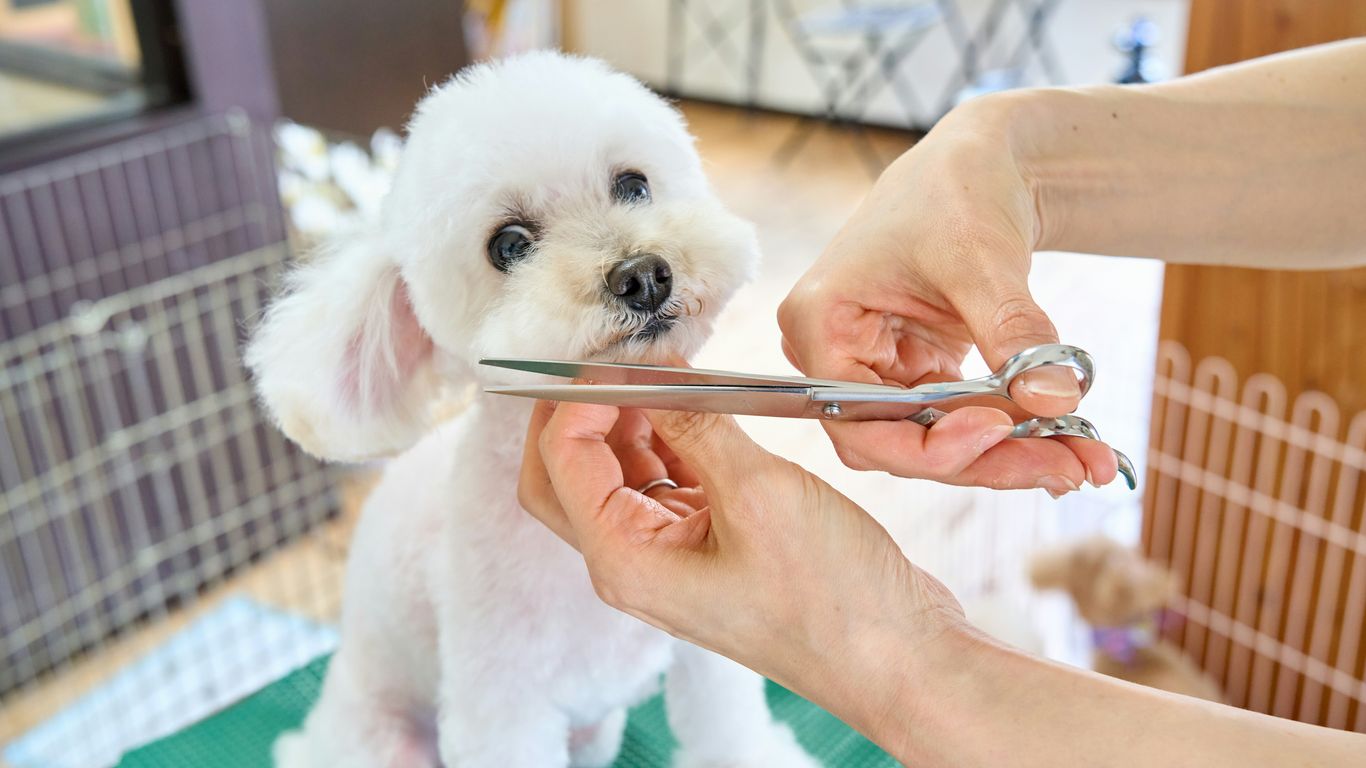
Keeping your puppy clean and healthy goes beyond just baths. Regular grooming and dental care are super important for their overall well-being and can actually help prevent bigger problems down the road. Plus, getting them used to it when they’re young makes it way easier later on.
Puppy-Safe Grooming Brushes
Choosing the right brush depends a lot on your puppy’s coat type. For short-haired pups, a bristle brush or a grooming mitt works well to remove loose fur and distribute natural oils. If your puppy has a longer or double coat, you’ll want something like a slicker brush or an undercoat rake to get through tangles and shed fur without irritating their skin. Always brush gently and reward your puppy with praise or a small treat to make grooming a positive experience. Start with short sessions and gradually increase the time as they get more comfortable.
Nail Clippers or Grinder
Long nails can be uncomfortable for your puppy and can even lead to foot problems. You have two main options here: nail clippers or a nail grinder. Clippers work like scissors and are quick, but you need to be careful not to cut the quick (the pink part inside the nail that contains blood vessels and nerves). If you’re nervous about that, a nail grinder files the nail down slowly and is generally considered safer, though it can take a bit longer and make some noise that might startle your pup at first. Whichever you choose, make sure to have styptic powder on hand just in case you accidentally nick the quick. It’s a good idea to get your puppy used to having their paws handled from a young age.
Dental Care Tools
Dental health is often overlooked, but it’s a big deal for dogs. Starting a dental routine early helps your puppy accept brushing. You’ll want a puppy-sized toothbrush – these are usually smaller and softer than adult brushes. Dog-specific toothpaste is a must; human toothpaste can be harmful. Look for enzymatic toothpastes that help break down plaque. Beyond brushing, consider dental chews or water additives that can help keep their teeth clean between brushings. Regular checks of their gums and teeth are also a good habit to get into.
Here’s a quick rundown of what to consider:
- Coat Type: Short, long, double, wirehaired?
- Brush Type: Bristle, slicker, rake, mitt?
- Nail Tool: Clippers or grinder?
- Dental: Toothbrush, toothpaste, chews, water additive?
Getting your puppy accustomed to these grooming and dental routines early on will make life much easier for both of you. It builds trust and ensures their comfort and health as they grow.
Keeping your furry friend looking and feeling their best is super important! From shiny coats to healthy smiles, the right grooming and dental care items make a big difference. Want to know the best picks for your pet’s pampering routine? Visit our website for all the must-have essentials!
Wrapping Up Your Puppy Prep
So, you’ve got your list of puppy must-haves ready to go. It might seem like a lot at first, but remember, these tools are just helpers. The real magic happens with your patience, consistency, and all the love you’ll be giving your new furry family member. Don’t stress too much if things aren’t perfect right away; every puppy learns at their own pace. Enjoy this exciting time as you and your pup start this new adventure together!
Frequently Asked Questions
What are the most important tools for basic puppy training?
For basic training, you’ll really want some tasty treats that your puppy loves, a leash and collar or harness that fit well, and a designated safe space like a crate or playpen. These help with everything from teaching commands to potty training and giving your puppy a sense of security.
Why are high-value treats so important for training?
High-value treats are extra special snacks that your puppy finds super delicious. Because they’re so motivating, they make training more exciting and help your puppy focus on learning new things. It’s like getting paid with something really good for doing a good job!
How do I choose the right leash and collar for my puppy?
Look for a leash that feels comfortable in your hand and is durable. For collars or harnesses, make sure they fit snugly but not too tight – you should be able to fit two fingers underneath. A harness can be great because it doesn’t put pressure on your puppy’s neck, which is helpful when they’re still learning to walk nicely.
What’s the best way to start potty training?
Consistency is key! You’ll need potty pads or a designated outdoor spot, poop bags for clean-ups, and an enzyme cleaner for accidents. Some people find potty bells helpful; you hang them on the door, and your puppy can learn to ring them when they need to go outside. Patience is your best friend here!
Are toys really a training tool?
Absolutely! Toys are fantastic for keeping your puppy busy and preventing them from chewing on things they shouldn’t. Different types of toys, like chew toys for teething or puzzle feeders for mental challenges, help satisfy their natural instincts and keep their minds sharp. It’s a fun way to keep them entertained and out of trouble.
How often should I groom my puppy, and what tools do I need?
Grooming should start early to get your puppy used to it. You’ll want a puppy-safe shampoo, a brush or comb suitable for their coat type, and nail clippers or a grinder. Brushing regularly helps keep their coat healthy and can prevent matting. Start slow and make it a positive experience with treats!