
Puppies chewing everything can be a real headache for new pet parents. It’s like they have a mission to test the structural integrity of your furniture and the durability of your favorite shoes. But don’t worry, this is a super common puppy phase, and with the right approach, you can guide your furry friend toward more appropriate chewing habits. We’ve rounded up some of the best puppy chewing solutions to help you get through this stage with your sanity intact.
Key Takeaways
- Puppy-proofing your home means removing tempting items and creating a safe space with appropriate chew toys.
- Offer a variety of engaging chew toys, rotating them regularly to keep your puppy interested.
- Redirect your puppy’s chewing from forbidden items to acceptable toys with positive reinforcement.
- Ensure your puppy gets enough physical exercise and mental stimulation to reduce boredom-driven chewing.
- Use deterrent sprays or bitter-tasting products on items you don’t want your puppy to chew.
1. Puppy-Proof Your Home
Okay, so your new puppy is a tiny tornado of teeth and curiosity, right? It’s totally normal, but it means your house needs a bit of a makeover before your little furball decides your favorite shoes are the ultimate chew toy. Think of it like baby-proofing, but for dogs. The goal is to make your home a safe zone for your puppy and to protect your belongings.
This means getting down on your hands and knees and looking at everything from a puppy’s perspective. What’s within reach? What looks interesting and chewable? You’ll want to put away anything that’s off-limits. This includes electrical cords – seriously, those are a big hazard – as well as books, remote controls, shoes, and anything else you don’t want to become a puppy’s personal plaything. It’s a good idea to keep valuables out of reach to ensure your puppy’s safety.
One of the best strategies is to designate a specific, safe area for your puppy. This could be a room that’s easy to clean, or a section of your home blocked off with a sturdy gate or a playpen. This area should be stocked with appropriate chew toys, a comfy bed, and a water bowl. When you can’t actively supervise your puppy, this is where they should be. It prevents them from getting into trouble and keeps them from chewing on things they shouldn’t.
Management is key here. It’s not about punishment; it’s about setting your puppy up for success by removing temptations. Think of it as creating a safe environment where they can explore without accidentally destroying something important or hurting themselves. This proactive approach saves a lot of headaches down the line and helps build a positive relationship with your new pet.
Puppy-proofing isn’t a one-time task. As your puppy grows and their curiosity changes, you’ll need to reassess and adjust your approach. What was out of reach yesterday might be accessible today!
2. Provide Appropriate Chew Toys
Puppies chew. It’s just what they do, especially when they’re teething. Their gums get sore, and chewing feels good. Plus, it’s how they explore the world. So, instead of fighting it, let’s give them something good to chew on. Having a variety of appropriate chew toys is super important.
Think about what your puppy likes. Some go crazy for tough rubber toys they can really sink their teeth into, while others prefer softer plushies. You’ll also want to consider different textures and shapes. A good mix can keep them interested and satisfied. Some popular options include:
- Durable rubber toys (like Kongs, which you can even stuff with treats!)
- Nylon bones that are built to last
- Rope toys for tugging and chewing
- Soft plush toys (supervise these, as some pups can tear them apart)
- Dental chews designed to help clean their teeth and soothe gums
When you’re picking out toys, make sure they’re the right size for your puppy. You don’t want anything too small that they could swallow, or too large that they can’t get a good chew on it. It’s also a good idea to check out puppy teething solutions that are specifically made to help with that sore gum phase.
Puppies need to chew, and it’s our job to guide them toward acceptable items. Providing a good selection of toys makes it easier for them to learn what’s theirs and what’s off-limits. It’s all about setting them up for success.
Don’t forget about edible chews too, like bully sticks or natural rawhide alternatives. These can be great for keeping them occupied for longer periods. Just always supervise your puppy when they have an edible chew, as some pups can get a bit overzealous and try to swallow big pieces.
3. Redirect Chewing Behavior
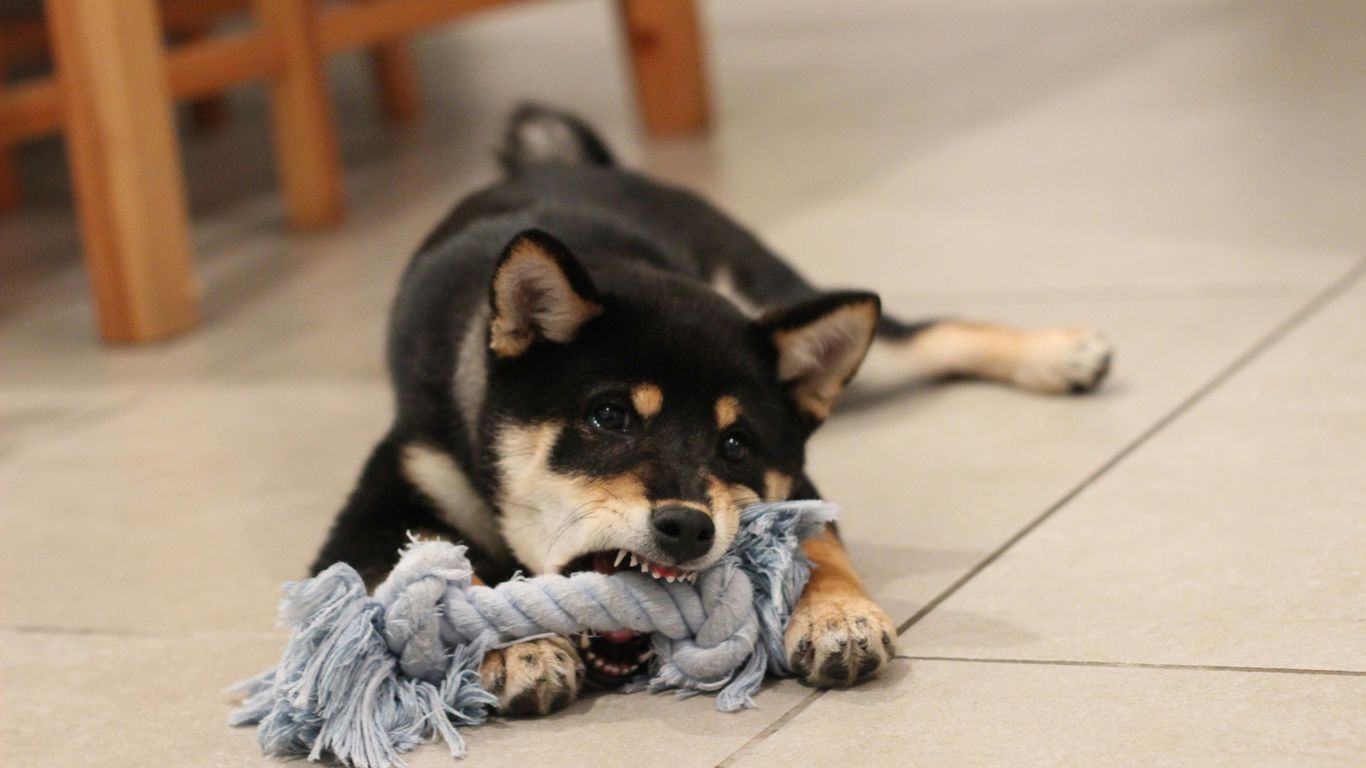
Puppies explore the world with their mouths, and chewing is a totally normal part of that. It helps them with teething pain, keeps their jaws strong, and honestly, it’s just fun for them. But we don’t want them chewing up our favorite shoes, right? That’s where redirection comes in. When you catch your pup gnawing on something they shouldn’t, don’t just scold them. Instead, calmly take the forbidden item away and immediately offer them an appropriate chew toy. The key is to make the right choice more appealing than the wrong one.
Think of it like this: you’re not punishing them for chewing, you’re teaching them what to chew. It’s about guiding their natural instincts in a positive direction. If they’re really into a particular texture or type of chew, try to find a toy that mimics that. For example, if they love shredding, a durable plush toy might be a hit. If they’re all about the gnawing, a tough rubber toy could be the answer.
Here’s a simple way to redirect:
- Notice the inappropriate chew: Catch them in the act.
- Calmly interrupt: Say a gentle "uh-oh" or "leave it" and remove the item.
- Immediately redirect: Present a suitable chew toy and praise them when they engage with it.
- Make it rewarding: If they chew the toy, give them lots of happy praise. This helps them learn what they can chew.
It’s important to be consistent. If you offer them an old shoe one day and scold them for chewing a shoe the next, it’s confusing. Stick to providing a variety of safe, appealing chew toys and redirecting every single time. This process helps them understand the boundaries without causing frustration or anxiety. Remember, puppies aren’t trying to be naughty; they’re just learning.
4. Increase Exercise and Mental Stimulation
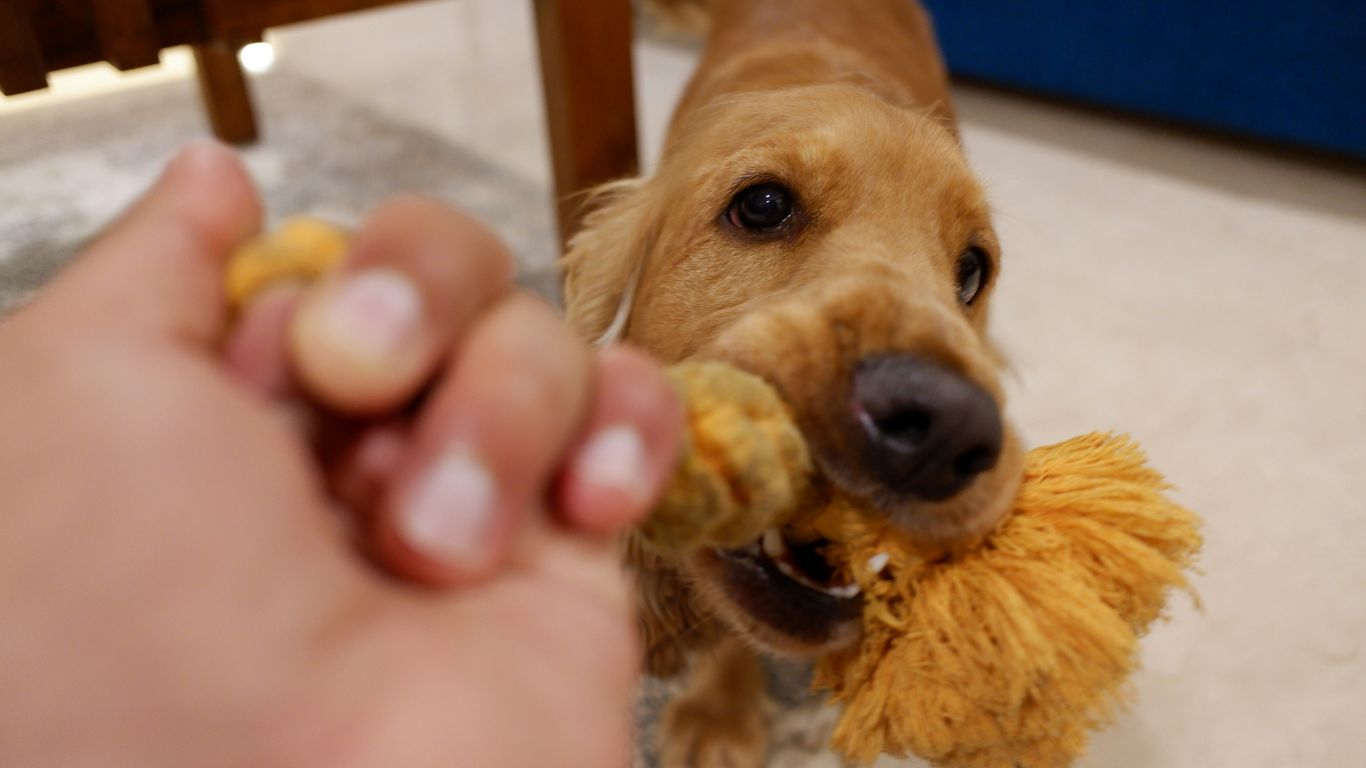
Sometimes, a puppy chews because they’ve got too much pent-up energy or are just plain bored. Think about it – if you were stuck inside all day with nothing to do, you might start fiddling with things you shouldn’t, right? Dogs are no different. Giving your pup plenty of physical activity and things to think about is a game-changer for stopping destructive chewing.
It’s not just about long walks, though those are great. You need to engage their brains too. Puzzle toys where they have to work for treats, learning new tricks, or even just a good game of fetch can make a huge difference. A tired puppy is a good puppy, and a mentally satisfied one is less likely to look for trouble.
Here are some ideas to get you started:
- Daily Walks: Aim for at least 30-60 minutes, depending on your puppy’s breed and energy level. Mix up the routes to keep things interesting.
- Interactive Play: Games like fetch, tug-of-war, or hide-and-seek with toys can burn off energy and strengthen your bond.
- Nose Work: Hide treats around the house or yard and let your puppy sniff them out. This taps into their natural instincts and is surprisingly tiring for them.
- Training Sessions: Short, fun training sessions (5-10 minutes) focusing on new commands or reinforcing old ones provide great mental exercise.
Puppies, especially those of high-energy breeds, often need more than just a quick potty break. They need a good amount of physical exertion and mental challenges throughout the day to feel content and less inclined to chew on your favorite shoes out of sheer boredom or frustration.
5. Use Bitter Sprays and Deterrents
Sometimes, you just need a little extra help to keep your puppy from gnawing on things they shouldn’t. That’s where bitter sprays and other deterrents come in handy. These products are designed to make furniture legs, electrical cords, or anything else you don’t want chewed taste really unpleasant to your pup. The goal is to create a negative association with the item, not with you.
When you first introduce a deterrent, it’s a good idea to let your puppy have a little taste directly from the source. Just a tiny bit on a tissue or cotton ball will do. They might shake their head or drool a bit – that’s a good sign they find it yucky! Ideally, they’ll start to connect that yucky taste and smell with the things you don’t want them to chew. You’ll need to reapply these sprays regularly, maybe every day for a few weeks, because the taste can fade. It’s not a magic bullet, though; it works best when you’re also teaching your puppy what is okay to chew on. You can find sprays like Vet’s Best Bitter Cherry Spray that are specifically made for this purpose.
Here’s a quick rundown on how to use them:
- Test a small area first: Always test the spray on an inconspicuous spot of the item you want to protect to make sure it doesn’t cause damage or discoloration.
- Apply consistently: Reapply the spray regularly, especially after cleaning the item or if it gets wet. Puppies have a good sense of smell and taste, so they’ll notice if the deterrent wears off.
- Combine with positive reinforcement: Don’t just rely on the spray. When you catch your puppy chewing something inappropriate, redirect them to an acceptable chew toy and praise them enthusiastically when they chew that instead.
Remember, deterrents are a tool to help manage chewing, not a complete solution on their own. They work best when paired with plenty of appropriate chew toys, exercise, and supervision. It’s all about teaching your puppy what’s off-limits and what’s fair game for their chewing needs.
6. Offer Frozen Treats
Puppies explore the world with their mouths, and sometimes, that means chewing on things they shouldn’t. When those sharp little teeth are causing trouble, frozen treats can be a lifesaver. Think of them as a cool, soothing distraction that also satisfies that primal urge to chew.
A frozen Kong stuffed with a mixture of plain yogurt and a few kibbles can be a fantastic way to keep your pup occupied. It takes them a while to lick out all the goodness, and the coldness can be really comforting, especially if they’re teething. You can also freeze plain water in a sturdy chew toy or even some diluted, unsweetened apple juice (make sure it’s safe for dogs first!).
Here are a few ideas for frozen goodies:
- Yogurt and Kibble Pops: Mix plain, unsweetened yogurt with your puppy’s regular kibble and freeze in small portions.
- Broth Cubes: Freeze low-sodium chicken or beef broth (ensure no onion or garlic) in ice cube trays.
- Pureed Veggie Bites: Blend dog-safe vegetables like carrots or sweet potatoes, freeze in small molds.
These frozen delights not only redirect chewing but also provide a bit of mental stimulation as your puppy figures out how to get the tasty bits. It’s a simple yet effective way to manage chewing behavior and keep your puppy happy. Remember to always supervise your puppy when they have any treat, especially edible ones, to prevent choking hazards. You can find more tips on managing puppy behavior in this puppy training plan.
Offering frozen treats is a great way to provide a safe and enjoyable chewing outlet. It taps into their natural instincts while offering a cool, soothing sensation that can be particularly helpful during teething phases. Plus, it keeps them busy and mentally engaged, which is a win-win for everyone involved.
7. Rotate Chew Toys
Puppies, much like human toddlers, can get bored easily. If your pup has the same three squeaky toys day in and day out, they’re going to lose their appeal pretty quickly. Keeping a variety of chew toys available and rotating them regularly is key to maintaining your puppy’s interest. Think of it like a buffet versus a single dish – which one would you be more excited about?
Rotating toys prevents them from becoming mundane. When a toy reappears after a week or two, it feels almost new again to your puppy. This keeps their chewing drive focused on appropriate items. It’s a simple strategy that makes a big difference in preventing your pup from deciding your favorite pair of shoes is more interesting than their designated chew toy.
Here’s a simple way to manage your puppy’s toy rotation:
- The Toy Box Method: Keep about half of your puppy’s toys put away in a box or bin. Every few days, swap out the toys that are currently available for ones from the "storage" bin. This ensures a constant sense of novelty.
- The "Special" Toy: Have one or two toys that are only brought out during specific times, like when you’re leaving the house or during a training session. This makes them extra exciting.
- Observe and Adapt: Pay attention to which toys your puppy gravitates towards. If a toy consistently gets ignored, even after a break, it might be time to retire it and introduce something new. You can find some great puppy chew toys that are designed for durability and interest.
Don’t just offer a pile of toys and expect your puppy to figure it out. Be intentional about how you present them. A little bit of management goes a long way in guiding your puppy’s chewing habits toward acceptable outlets.
8. Teach the “Drop It” Command
Okay, so your puppy has a death grip on your favorite slipper. What now? Instead of chasing them or yelling, which can sometimes make them think it’s a fun game, we can teach them a super useful command: "Drop It." This is all about trading.
When you see your pup with something they shouldn’t have, don’t panic. Grab a high-value treat or a really exciting toy – something way more appealing than that slipper. Get their attention with the treat or toy, and when they open their mouth to investigate (and hopefully drop the forbidden item), say "Drop It!" The second they let go, praise them like they just won the puppy Olympics and give them the treat or toy.
Here’s a quick breakdown of how to practice:
- Start Simple: Begin with a toy your puppy likes. Offer it to them, and when they have it, show them a treat. As they open their mouth to take the treat, say "Drop It" and give them the treat. Take the toy back. Repeat this a few times.
- Increase Difficulty: Once they’re getting the hang of it with toys, try it with less exciting items they might pick up. Always have a better reward ready.
- Practice in Real Life: When you catch them with something inappropriate, use the command. Remember, the goal is a calm trade, not a tug-of-war.
Consistency is key here. Everyone in the house needs to use the same command and reward system. It takes patience, but teaching your dog to willingly release items is a game-changer for preventing destruction and keeping your pup safe from chewing on dangerous things.
This command is more than just about stopping chewing; it’s about building communication and trust. It gives your puppy a clear signal about what you want and rewards them for listening, making them a more well-behaved companion overall.
9. Crate Training
When you can’t keep an eye on your puppy every second, a crate can be a lifesaver for both of you. Think of it as a safe den for your dog, not a punishment. It’s a way to prevent them from getting into trouble and chewing on things they shouldn’t when you’re busy or not home.
The key is to make the crate a positive place. You want your puppy to see it as their own little sanctuary. Start by tossing some tasty treats or a favorite chew toy inside. Let them explore it on their own terms. Never force them in, and definitely don’t use it for punishment. If they have an accident in there, clean it up without fuss and don’t scold them. They won’t connect the punishment to something they did earlier.
Here’s a basic rundown of how to introduce your puppy to the crate:
- Make it inviting: Put comfy bedding and a few safe chew toys inside. The door should always be open initially.
- Short, positive sessions: Start with very short periods, maybe just a few minutes while you’re still in the room. Give them a treat when they go in and when you let them out.
- Gradually increase time: Slowly extend the duration they spend in the crate, always pairing it with positive experiences like treats or a special chew.
- Feed meals in the crate: This is a great way to build positive associations.
Remember, a crate shouldn’t be used for more than a few hours at a time, especially for young puppies. They still need plenty of exercise and interaction outside of it. If your puppy is barking or whining excessively, they might need to go outside, or they might just be lonely. It’s a tool to help manage chewing, but it needs to be used correctly and with patience.
10. Supervise Your Puppy
This might sound obvious, but you really can’t overstate the importance of keeping an eye on your puppy. When you’re not actively watching them, they’re basically little chewing machines, and anything within reach is fair game. Constant supervision is your first line of defense against destructive chewing. It allows you to catch them in the act and redirect their attention before they decide your favorite pair of shoes looks like a tasty snack.
Think of it like having a toddler around – you wouldn’t leave them unsupervised with a box of crayons and a white wall, right? Puppies are similar. They don’t inherently know what’s theirs to chew and what isn’t. You have to teach them.
Here’s how to make supervision work for you:
- Be Present: When your puppy is out and about, make sure you’re in the same room. Even if you’re busy, try to keep them within your line of sight.
- Puppy-Proof Zones: If you can’t watch them every second, confine them to a safe, puppy-proofed area. This could be a playpen or a small room with nothing valuable left out. This is where you can really help them learn basic commands.
- Interrupt and Redirect: If you see them heading for something they shouldn’t chew, don’t just yell. Make a gentle noise to get their attention, then immediately offer them an appropriate chew toy. Praise them enthusiastically when they take the toy.
It’s easy to get frustrated when your puppy chews something they shouldn’t, but remember, they’re just exploring the world with their mouths. Your job is to guide them gently. Yelling or punishing them can make them fearful and damage your bond, which is the last thing you want.
When you absolutely cannot supervise, like when you’re at work, a crate or a confined, safe space is your best bet. Just make sure this area is stocked with plenty of safe chew toys to keep them occupied. This prevents them from practicing bad habits when you’re not around to correct them.
Keeping a close eye on your puppy’s actions is super important. It helps you catch good behavior and gently correct not-so-good habits before they become big problems. This stage is all about building a strong connection and teaching them the basics. Want to learn more about making your puppy a well-behaved pal? Visit our website for expert tips and guidance!
Wrapping It Up
So, dealing with a puppy who thinks your couch is a chew toy can be a real headache, I get it. But remember, this chewing phase is totally normal for them, whether they’re teething or just exploring. By puppy-proofing your place, giving them plenty of their own fun stuff to gnaw on, and redirecting them when they go for the wrong thing, you’re well on your way to saving your belongings. It takes a bit of patience and consistency, but you’ll get there. Soon enough, your pup will be chewing on their toys instead of your favorite shoes. You’ve got this!
Frequently Asked Questions
Why do puppies chew on everything?
Puppies chew for a few reasons! It helps them explore the world around them, kind of like how babies put things in their mouths. When they’re teething, their gums hurt, and chewing can make it feel better. It’s also a way for them to have fun and get rid of boredom.
How can I stop my puppy from chewing my stuff?
The best way is to puppy-proof your home by putting away things they shouldn’t chew, like shoes or remotes. Then, give them plenty of their own fun chew toys. If you catch them chewing something wrong, gently redirect them to a toy they can chew instead.
What kind of toys are best for chewers?
Offer a variety of safe toys with different textures and shapes. Toys that can be stuffed with treats, like KONGs, are great for keeping them busy. You can also try toys that can be frozen, which can be soothing for teething gums. Just make sure the toys aren’t too hard, as they could hurt your puppy’s teeth.
Should I use bitter sprays?
Bitter sprays can help! You can spray them on furniture legs or other items you don’t want your puppy to chew. The yucky taste makes them less appealing. Just remember to reapply it often and make sure your puppy has other good things to chew on too.
How much exercise does my puppy need?
Puppies need lots of exercise and playtime to burn off energy. A tired puppy is less likely to chew on things they shouldn’t. Daily walks, games of fetch, and even just running around in a safe area can make a big difference.
What if my puppy chews things when I’m not home?
When you can’t watch your puppy, it’s best to keep them in a safe, puppy-proofed area, like a crate or a room with a baby gate. Make sure this area has comfy bedding, water, and plenty of appropriate chew toys to keep them busy and out of trouble.