
Bringing a new puppy home to an apartment can feel like a big undertaking, but it’s totally doable! Living in a smaller space just means we need to be a little more thoughtful about how we train our furry friends. From picking the right pup for apartment life to making sure they have a safe spot to do their business, this guide covers the basics of puppy training for apartments. We’ll help you set up your home, establish routines, and manage those tricky apartment building rules so you and your new companion can thrive.
Key Takeaways
- Choosing a dog breed that fits well with apartment living is a great first step. Consider their size, energy level, and how much they tend to bark.
- Puppy-proofing your space and setting up safe boundaries with gates or doors can prevent accidents and keep your belongings safe.
- Potty training in an apartment might mean using potty pads, grass patches, or making frequent trips outside. Consistency and quick clean-ups are super important.
- Crate training can provide a safe den for your puppy and help with potty training, especially overnight.
- Establishing a daily routine with consistent potty breaks, exercise, and supervision is key to successful puppy training for apartments.
Choosing the Right Breed for Apartment Living
So, you’re thinking about getting a puppy but live in an apartment? That’s totally doable! The first big step is picking a dog that’s actually going to be happy and well-adjusted in a smaller space. Not all breeds are created equal when it comes to apartment life, and making the right choice from the start can save you a lot of headaches down the road.
Considerations for Small Spaces
When you’re living in an apartment, space is obviously a big factor. You’ll want to think about a dog’s energy level and how much room they need to just be. Some dogs are perfectly content with a couple of walks a day and some indoor playtime, while others need a huge yard to run around in. It’s also worth considering how easily a dog can navigate things like stairs or elevators, especially if your building has them. A smaller dog might be easier to manage in tight quarters, but size isn’t the only thing that matters. A calm, lower-energy large breed might do better than a tiny, hyperactive one.
Breed Tendencies for Noise Levels
This is a big one for apartment dwellers: barking. Nobody wants to be that neighbor whose dog barks non-stop. Some breeds are naturally more vocal than others. If you’re in a building with thin walls, a dog that barks at every little sound – a passing car, a neighbor walking by, a squirrel outside the window – can cause problems. Researching breeds known for being quieter is a smart move. Of course, training plays a huge role, but starting with a breed that isn’t prone to excessive barking gives you a better starting point. For instance, breeds like Pugs are often cited as good apartment dogs because they tend to be less yappy. Pugs are an excellent choice for apartment living due to their small size and affectionate, playful nature.
Navigating Apartment Building Features
Think about the practicalities of your building. Does it have elevators? Stairs? Are they wide or narrow? How easy is it to get outside for potty breaks? Some puppies might be a bit nervous on elevators at first, and you’ll need to help them get comfortable. If you have to go down several flights of stairs multiple times a day, a very young puppy or a dog with joint issues might struggle. Also, consider the common areas. Are they well-maintained? Is there a designated dog relief area, or will you be walking a block or two? These daily logistics matter.
Here’s a quick look at some general breed types and their apartment suitability:
| Breed Type | Energy Level | Barking Tendency | Size |
|---|---|---|---|
| Companion Breeds | Low to Medium | Low to Medium | Small |
| Terriers | Medium to High | Medium to High | Small to Medium |
| Sporting Breeds | High | Medium | Medium to Large |
| Herding Breeds | High | High | Medium to Large |
Remember, these are generalizations. Individual dogs within a breed can vary greatly, and training and socialization are key to a well-behaved apartment dog, regardless of breed.
Establishing Safe Zones and Puppy-Proofing
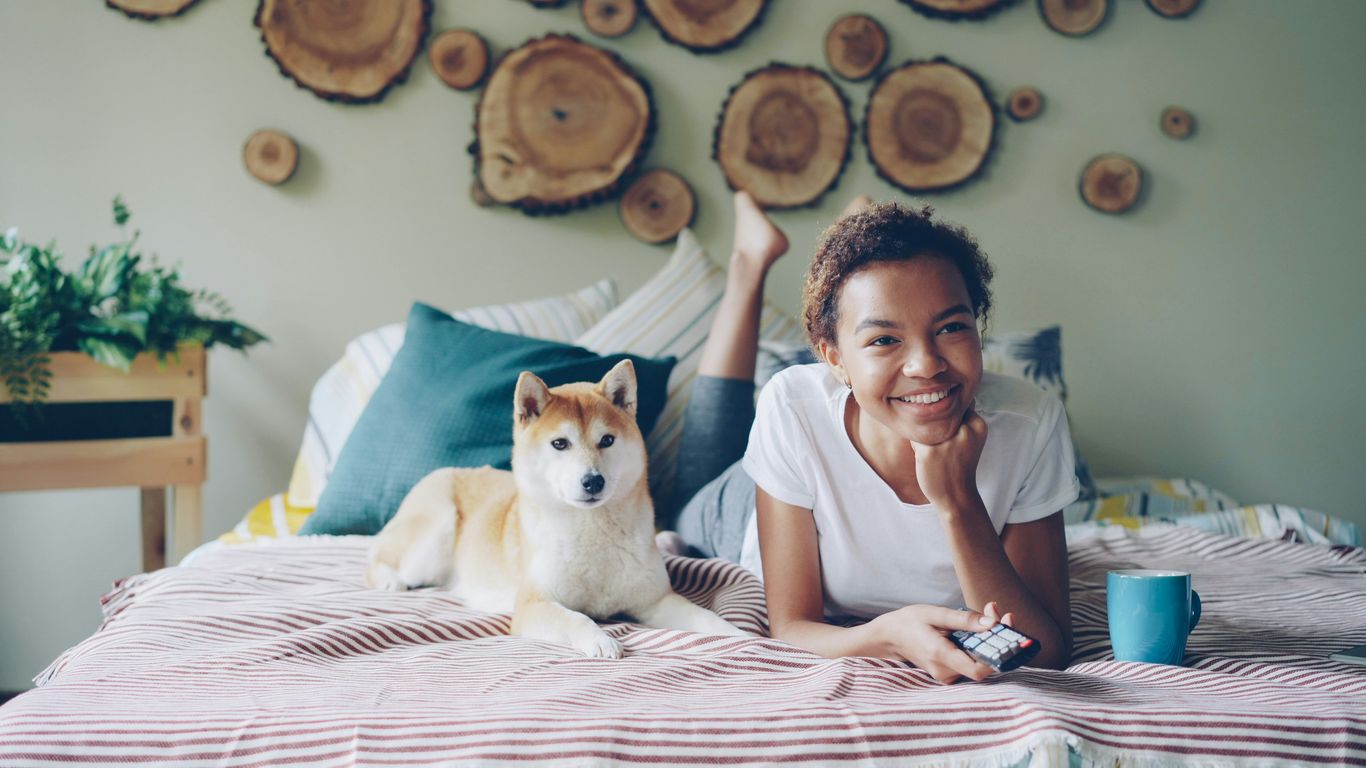
Bringing a new puppy into an apartment means you’ve got to be a bit more strategic about their space. It’s not just about having enough room; it’s about making sure that room is safe for them and that they’re safe from themselves, especially when you can’t keep a constant eye on them. Think of it like baby-proofing, but for a furry, four-legged tornado.
Setting Up Boundaries with Gates and Doors
When your puppy is still learning the ropes, giving them free rein of the whole apartment can be a recipe for disaster. Chewed shoes, mysterious puddles, and general chaos can quickly become the norm. That’s where boundaries come in. Using baby gates or simply closing doors can section off areas of your apartment, limiting your puppy’s access to only the spaces you’ve deemed safe and puppy-proofed. It’s a good idea to start by giving them access to just one room at a time. As they prove trustworthy in that space – meaning no accidents and no destructive chewing for a good few weeks – you can gradually open up more of your home.
Puppy-Proofing Against Chewing and Accidents
Anything within a puppy’s reach is basically an invitation to chew. This means getting down on their level and looking at your apartment from their perspective. Electrical cords are a big one; make sure they’re tucked away or covered. Shoes, remote controls, books, houseplants – if it’s accessible and looks interesting, it’s probably going to get gnawed on. You’ll want to secure or move anything valuable or potentially harmful. Think about things that could fall over, too, like decorative items on low shelves. It’s a bit of a scavenger hunt, but better you find the potential hazards than your puppy.
Creating a Designated Puppy Area
Even with boundaries, it’s helpful to have a specific spot that’s all your puppy’s own. This could be a corner of the living room or a section of a bedroom. This area should be comfortable and contain their bed, water, and toys. If you’re using a crate, it can be integrated into this designated zone. This gives your puppy a sense of security and a place to retreat when they feel overwhelmed or just need some downtime. It also helps them associate a specific space with their belongings and comfort.
Setting up these safe zones and diligently puppy-proofing your apartment isn’t just about protecting your belongings; it’s about creating a secure environment for your puppy to learn and grow without constant risk of injury or getting into trouble. It builds their confidence and makes your life as a pet owner much more manageable.
Mastering Potty Training in Limited Spaces
Potty training a puppy in an apartment definitely comes with its own set of hurdles. Unlike houses with yards, you’ve got stairs, elevators, and maybe even long hallways to contend with. It can feel like a lot, but with a bit of planning and patience, it’s totally doable.
Creating a Designated Indoor Potty Spot
When outdoor trips aren’t always immediate, having a backup plan inside is smart. This could be a balcony, a small patio, or even a corner of your living area. The goal is to give your puppy a consistent place to go when they really have to go, especially before they’re fully vaccinated and can safely use public outdoor spaces. Think of it as a temporary training ground.
Utilizing Potty Pads and Grass Patches
Potty pads are super handy. They’re lightweight, easy to move, and can even travel with you if you’re visiting friends or staying in a hotel. Placing a pad near the door can help transition your pup to outdoor pottying later on. If you have a balcony or patio, a real grass patch in a tray is another great option. It mimics the natural surface your dog will eventually use outdoors, making the switch smoother. Consistency is key here; always place the pad or grass in the same spot.
Essential Potty Training Supplies
Being prepared makes all the difference. You’ll want to have:
- Enzymatic Cleaner: For those inevitable accidents. It breaks down the odor so your puppy isn’t tempted to go in the same spot again.
- Paper Towels: For quick clean-ups.
- Poop Bags: Even for indoor potty spots, it’s good practice to bag and dispose of waste properly.
- Treats and Praise: Positive reinforcement is your best friend. Have high-value treats ready to reward successful potty trips.
Cleaning Up Accidents Promptly
Accidents are part of the process, especially in the beginning. When they happen, don’t scold your puppy. They won’t understand why you’re upset. Just clean it up thoroughly with your enzymatic cleaner. If you catch them in the act, gently interrupt them and immediately take them to their designated potty spot. Never punish your puppy for an accident; focus on rewarding the correct behavior.
Puppies have small bladders and short attention spans. A good rule of thumb is that a puppy can hold it for about one hour per month of age. So, a 3-month-old puppy needs to go out at least every 3 hours. Keep a close eye on their signals – sniffing, circling, or sudden dashes to a corner are usually good indicators they need to go.
Effective Crate Training for Apartment Dogs
Crate training can be a real game-changer, especially when you’re sharing your living space with a new puppy. It’s not about punishment; think of it as creating a safe den for your dog. For apartment dwellers, this is super helpful because it gives your pup a secure spot that’s all their own, and it helps manage their space when you can’t keep a constant eye on them.
Making the Crate a Cozy Retreat
First things first, the crate needs to feel like a good place, not a scary one. You want your puppy to want to go in there. Start by making it comfy. Throw in a soft blanket or a favorite chew toy. The size is important too – it should be just big enough for your pup to stand up, turn around, and lie down comfortably. Too much space, and they might think of one end as a bedroom and the other as a bathroom, which defeats the purpose of potty training.
Gradual Introduction to Crate Confinement
Don’t just shove your puppy in and close the door. That’s a recipe for disaster. Start by leaving the door open and tossing treats inside. Let them explore it on their own terms. Once they’re comfortable going in and out, start closing the door for short periods while you’re still in the room. Gradually increase the time you leave the door shut. You can feed them meals in the crate, too. This helps build positive associations.
Here’s a simple way to introduce the crate:
- Leave the crate door open with comfy bedding inside.
- Toss treats or a favorite toy into the crate.
- When your puppy goes in, praise them calmly.
- Start closing the door for just a few seconds, then a minute, while you’re nearby.
- Gradually increase the duration as your puppy gets more comfortable.
Using the Crate for Overnight Stays
When it’s bedtime, the crate can be a lifesaver. Place it in your bedroom initially so your puppy can hear and smell you, which can be reassuring. Set up a consistent bedtime routine. Take your puppy out for a final potty break right before bed. If they whine or bark during the night, resist the urge to immediately let them out unless you suspect they genuinely need to go potty. Wait for a brief pause in their vocalizations before opening the door. This teaches them that quiet behavior gets rewarded.
Crate training is a marathon, not a sprint. Patience and consistency are your best friends here. Celebrate the small wins and don’t get discouraged by setbacks. Your apartment-dwelling pup will thank you for it!
| Duration | Puppy’s Age (approx.) | Notes |
|---|---|---|
| 5-10 minutes | 8-10 weeks | Start with you in the room. |
| 15-30 minutes | 10-12 weeks | Short breaks, gradually increase time. |
| 1-2 hours | 3-6 months | Can extend as they mature and adapt. |
Daily Routines for Apartment Puppies
Establishing a solid routine is probably one of the most important things you can do for your apartment puppy. It helps them feel secure, understand expectations, and makes training a whole lot smoother, especially when space is limited. Think of it as building a predictable rhythm for your pup’s day.
Implementing a Consistent Potty Schedule
Potty training in an apartment requires extra diligence. You can’t just open the back door and let them out. A consistent schedule is key to avoiding accidents inside. Take your puppy out first thing in the morning, right after they wake up from naps, after meals, and after playtime. It’s also a good idea to take them out one last time before you go to bed.
- Morning: Immediately upon waking.
- After Meals: About 15-30 minutes after eating.
- After Play/Naps: Whenever they stir or finish a play session.
- Evening: Just before bedtime.
Be prepared for frequent trips, especially in the early stages. This is where having a designated potty spot, whether it’s a balcony grass patch or a specific corner of a nearby park, becomes super helpful. Remember, consistency is your best friend here. You’ll want to stick to a schedule, and take your puppy outside frequently to avoid accidents.
Providing Adequate Mental and Physical Exercise
Just because you live in an apartment doesn’t mean your puppy doesn’t need to burn off energy. In fact, a bored apartment puppy can become a destructive apartment puppy! You need to get creative with how you provide exercise.
- Indoor Play: Games like fetch down a hallway (if you have one), tug-of-war, or puzzle toys can keep them occupied. Rotate toys to keep things interesting.
- Outdoor Excursions: Daily walks are non-negotiable. Even short walks around the block provide sniffing opportunities and a change of scenery. If possible, find a safe, enclosed area for them to run a bit.
- Training Sessions: Short, frequent training sessions are great for mental stimulation. Practicing basic commands or teaching new tricks tires them out mentally.
Mental stimulation is just as important as physical exercise for puppies. A tired puppy is a good puppy, and this is especially true in smaller living spaces where they might not have room to run freely all day. Puzzle feeders and training games can make a big difference.
Supervising and Containing Your Puppy
When you can’t actively supervise your puppy, containment is your next best option. This prevents accidents and chewing on things they shouldn’t. A crate is ideal for this, but baby gates can also be used to block off areas of your apartment.
- Supervision: When your puppy is out and about, keep a close eye on them. Look for signs they need to go potty (circling, sniffing intently) or might be getting into trouble.
- Crate Time: Use the crate for naps and when you leave the apartment for short periods. Make it a positive space, not a punishment.
- Gated Areas: If you have a larger apartment, use gates to create a safe puppy zone where they can play without you needing to watch every second. This is especially helpful when you’re busy cooking or working from home.
This structured approach helps your puppy adjust to apartment living and builds a strong foundation for a well-behaved companion.
Navigating Apartment Building Specifics
Living in an apartment means a few extra things to consider when you bring a puppy home. It’s not just about your four walls; it’s about the whole building and your neighbors too.
Understanding Pet-Friendly Policies
First things first, make sure your building actually allows pets, and if so, what are the rules? Some places have weight or breed restrictions, which can be a real bummer if you’ve already fallen in love with a particular pup. Always check your lease or with your landlord before getting a dog. It’s better to know upfront than to have to rehome your furry friend later. Knowing your building’s policies can save a lot of heartache down the road. It’s also good to know if there are designated pet areas or any specific rules about where dogs can and can’t go within the building. This information is key to a smooth transition for both you and your puppy.
Managing Elevator and Stair Access
Getting your puppy up and down the stairs or in an elevator can be a whole new adventure. For young puppies, especially those not yet fully vaccinated, you might need to carry them. This can be tricky if you have multiple flights of stairs or a long walk to the elevator. Practice makes perfect, though. Start slow, offering lots of praise and treats. If using the elevator, keep sessions short and positive. You don’t want your puppy to associate it with fear or anxiety. For stairs, teach them one step at a time, rewarding each success. This process takes patience, but it’s important for their safety and confidence. You can find some great tips on puppy training that cover these kinds of specific challenges.
Keeping Your Apartment Tidy
Apartment living means being extra mindful of cleanliness. With limited space, messes can feel more prominent. Designate a specific spot for all your puppy’s toys and supplies. This helps keep floors clear and reduces tripping hazards. Regularly check your puppy’s toys for wear and tear; chewed-up pieces can be a choking hazard and make a mess. Also, make sure any food or trash is securely stored. A tidy apartment is not only more pleasant for you but also shows respect for your neighbors and building management. It’s about creating a harmonious living environment for everyone, including your new canine companion.
When you’re getting a new apartment, there are lots of little things to think about that are unique to apartment living. From understanding your lease agreement to figuring out the best way to handle noisy neighbors, it can feel like a lot. But don’t worry, we’ve got you covered! For more tips on making apartment life a breeze, check out our website.
Wrapping Up Your Apartment Puppy Training Journey
So, training a puppy in a smaller space might seem like a lot, but it’s totally doable. Remember to be patient, keep things positive, and celebrate those small wins. Your furry friend will get the hang of it, and you’ll both end up with a happy, well-behaved pup that fits right into your apartment life. It takes time and consistency, but the bond you build through training is absolutely worth it.
Frequently Asked Questions
What kind of dog breeds are best for apartment living?
When picking a pup for apartment life, think about their energy level and how much they bark. Smaller dogs or those with lower energy needs often do well. Breeds that are known to be quieter and can adapt to smaller spaces are usually a good bet. It’s also smart to consider how easily a breed can learn to use stairs or elevators, as that’s common in apartment buildings.
How do I puppy-proof my apartment?
Puppy-proofing means making your place safe for your curious pup. Get down on their level and look for anything they might chew or swallow. This includes things like electrical cords, shoes, and small objects. Keep these items out of reach or stored away. Also, think about blocking off areas you don’t want your puppy to explore unsupervised, especially when they’re very young.
What’s the best way to potty train a puppy in an apartment?
Potty training in an apartment often means setting up a designated spot inside, like using potty pads or a small grass patch on a balcony. Consistency is key! Take your puppy to their spot very often, especially after waking up, eating, or playing. When they go, praise them a lot! Clean up any accidents immediately with a special cleaner so they don’t go there again.
How can I make crate training work in a small space?
A crate can be a safe den for your puppy. Make it comfy with soft bedding and a toy. Start by letting your puppy explore it with the door open. Then, try closing the door for short periods while you’re home. Always make it a positive experience with treats and praise. This helps them feel secure and prevents them from having accidents when you can’t watch them.
How much exercise does an apartment puppy need?
Even though you live in an apartment, your puppy still needs plenty of exercise and mental stimulation. Daily walks are important, even if they’re short. Playing fetch in a nearby park or using puzzle toys indoors can help burn off energy and keep their minds sharp. A tired puppy is a well-behaved puppy!
What should I do about my puppy barking too much?
Barking can be a common issue in apartments. Try to figure out why your puppy is barking – are they bored, anxious, or reacting to sounds? Provide enough exercise and mental challenges to keep them occupied. You can also teach them a ‘quiet’ command. If barking is a constant problem, consider consulting a professional dog trainer for more specific advice.