
So, you thought you had your puppy’s training all figured out. You’ve had a few weeks of smooth sailing, maybe even celebrated some real progress. Then, bam! It feels like your furry friend has forgotten everything they ever learned. Potty accidents are back, the ‘sit’ command is met with a blank stare, and leash walking is suddenly a wrestling match. If this sounds familiar, welcome to the club. It’s likely your pup is experiencing puppy training regression. It’s super common, and while it’s frustrating, it’s usually a temporary phase. Let’s figure out why it happens and how to get back on track.
Key Takeaways
- Puppy training regression is a normal, temporary setback where a dog seems to forget previously learned behaviors.
- Common causes include developmental stages, stress from routine changes or environmental shifts, inconsistent handling, and health issues.
- Potty training regression often happens due to stress, missed cues, or changes in routine, but can be managed by returning to basics and consistent supervision.
- To overcome training setbacks, go back to fundamental training principles, use positive reinforcement consistently, and keep training sessions short and engaging.
- Patience, consistent routines, tracking patterns to identify triggers, and seeking help from professionals are vital for managing puppy training regression.
Understanding Puppy Training Regression
So, you’ve been working hard with your puppy. You’ve celebrated successes, like mastering ‘sit’ or having a few days without accidents. Then, seemingly out of nowhere, your pup starts acting like they’ve never heard a command before, or maybe the potty training goes right out the window. It’s easy to feel like you’ve done something wrong, or that all your hard work has gone to waste. But take a deep breath. This is called a training regression, and it’s a really common part of raising a dog.
What Constitutes a Puppy Training Regression?
A puppy training regression is basically a temporary step backward in skills your dog had already learned. It’s not a sign of failure on your part or your dog’s. Think of it like a toddler suddenly forgetting how to use the potty after being reliably trained for months. It happens! For puppies, this might look like:
- Suddenly ignoring cues like ‘stay’ or ‘come’.
- Having accidents indoors again, even after being reliably potty trained.
- Becoming more easily distracted or reactive in situations they used to handle well.
- Pulling on the leash after weeks of walking nicely.
It’s important to remember that these are usually temporary setbacks, not permanent losses of learned behavior.
Recognizing the Signs of a Setback
Spotting a regression early can help you address it before it becomes a bigger issue. Keep an eye out for:
- Increased Forgetfulness: Your puppy seems to ‘forget’ commands they knew perfectly.
- Behavioral Changes: A sudden increase in chewing, barking, or nipping.
- Potty Accidents: This is a big one. If your reliably potty-trained pup starts having accidents inside, it’s a clear sign.
- Reduced Focus: Difficulty concentrating during training sessions or in everyday situations.
- Increased Reactivity: More easily startled, fearful, or aggressive responses to things they previously ignored.
The Normalcy of Puppy Training Regression
It might feel discouraging, but puppy training regression is a normal part of development. Puppies go through different stages, and sometimes these stages bring temporary challenges. It’s a bit like human adolescence – full of changes and sometimes a bit of awkwardness. Even highly trained service dogs experience these phases. The key is understanding that it’s a phase and knowing how to respond. Instead of getting frustrated, view it as an opportunity to reinforce training and strengthen your bond. Potty training regressions, in particular, are very common and can happen even when you think you’ve got it all figured out. Potty training puppies can be a lengthy process, often taking months as they mature, and regression is a normal part of that journey.
Regression doesn’t mean your dog is broken or that you’ve failed. It’s a natural part of learning and development that requires patience and a consistent approach to get back on track.
Common Triggers for Puppy Training Regression
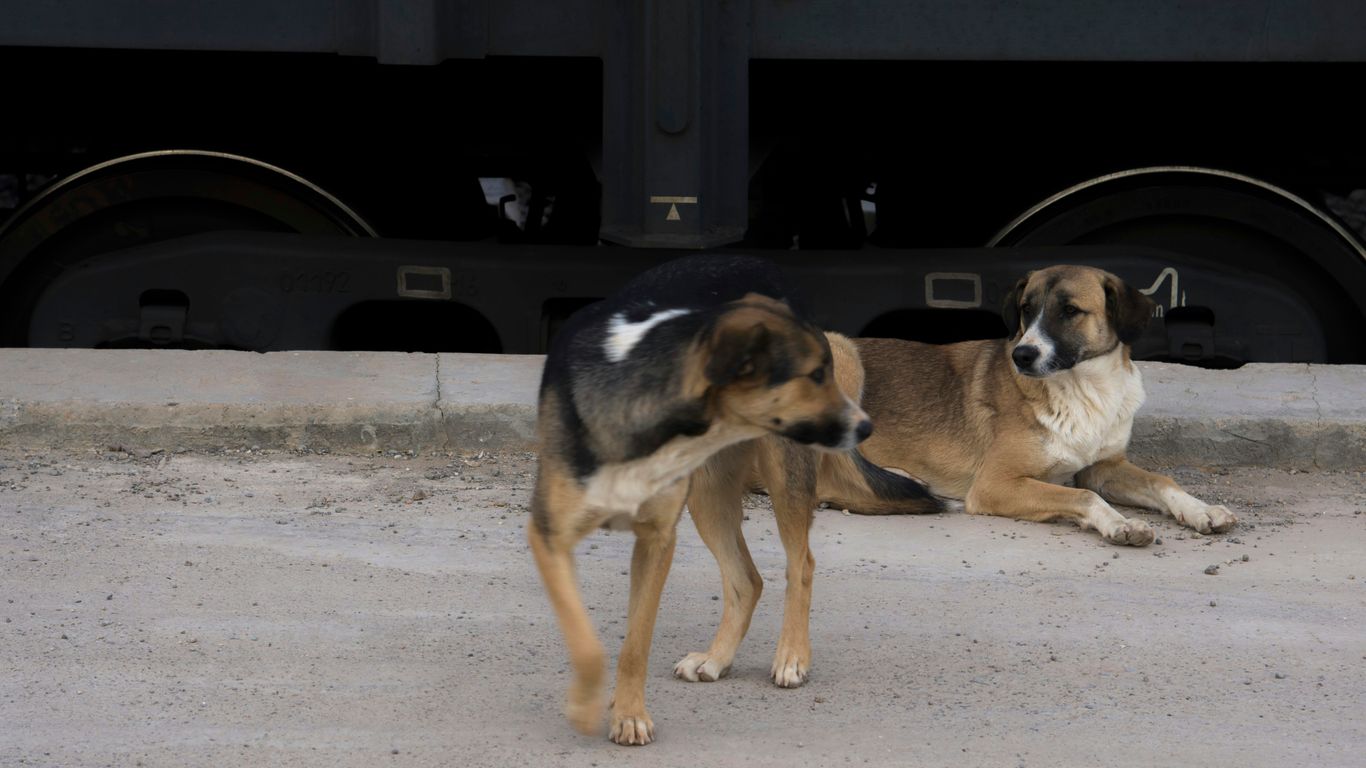
So, you thought you had it all figured out, right? Your puppy was acing commands, the potty training was going smoothly, and then BAM! It feels like you’re back at square one. Don’t beat yourself up; this is super common. Puppy training regression isn’t a sign you’re a bad owner or that your dog is a lost cause. It’s usually a signal that something in their world has changed, or they’re hitting a new developmental stage. Understanding these triggers is half the battle.
Developmental Stages and Hormonal Shifts
Puppies go through a lot of changes as they grow, especially during adolescence, which can hit anywhere from 6 to 18 months. Think of it like human teenage years – they get a bit more independent, easily distracted, and sometimes, those previously learned behaviors just seem to go out the window. Hormones are doing a number on them, making them a bit more impulsive or less focused. It’s a phase, and recognizing it as such can save you a lot of frustration.
Environmental Stressors and Routine Changes
Anything that shakes up your puppy’s world can cause a temporary setback. This could be anything from a big move to a new home, the arrival of a new baby or pet, or even just a change in your work schedule. Puppies thrive on predictability, so when their routine gets disrupted, their behavior might too. Even something as simple as a vacation or a loud thunderstorm can be enough to cause stress that leads to regression. If you’re dealing with a sudden change, remember that adjustments can be tough on your pup.
Inconsistent Handling and Expectations
If multiple people are involved in your puppy’s training – family members, friends, or even dog walkers – it’s easy for cues and expectations to get mixed up. If one person allows jumping and another scolds it, or if commands are given differently, your puppy will get confused. Consistency is key when it comes to training. Everyone needs to be on the same page with commands, rules, and rewards to avoid sending mixed signals.
Health-Related Issues Affecting Behavior
Sometimes, a regression isn’t about training at all; it’s about health. If your puppy suddenly starts having accidents indoors, seems lethargic, or is reluctant to follow commands, it’s worth a vet visit. Urinary tract infections, digestive upset, or even pain from an injury can all manifest as behavioral changes. Don’t overlook the possibility that your pup might just not be feeling well.
Here are some common signs that might indicate a health issue contributing to regression:
- Sudden increase in accidents, especially if they are painful or urgent.
- Changes in appetite or thirst.
- Lethargy or reluctance to play.
- Vocalizing discomfort or pain.
It’s easy to get discouraged when your puppy seems to forget everything they’ve learned. Remember that these regressions are usually temporary and are often linked to specific triggers. By identifying the cause, you can address it directly and get your training back on track.
Addressing Potty Training Regression
Potty training regression can feel like a giant step backward, especially when you thought you had it all figured out. One minute your puppy is reliably doing their business outside, and the next, you’re finding little surprises on the carpet. It’s frustrating, for sure, but it’s also a really common part of puppyhood. The good news is, it’s usually temporary and fixable.
Reinforcing Potty Habits
When accidents start happening again, the first thing to do is go back to basics. This means increasing the frequency of potty breaks, especially after waking up, after meals, and after playtime. Make every successful trip outside a huge celebration. Use enthusiastic praise and a high-value treat the moment they finish their business. This positive reinforcement helps them connect going potty outside with great rewards. Don’t just take them out; stay with them in their designated potty spot for a few minutes, keeping things calm so they can focus. If they don’t go after about 10 minutes, bring them back inside and keep a close eye on them. You might need to put them in a safe, confined area for a bit to prevent accidents indoors.
Managing the Environment to Prevent Accidents
Think of your home like a puppy-proofed zone again. If certain areas are accident hotspots, consider blocking them off or using baby gates. Rolling up rugs or covering them can also help, as puppies are less likely to soil surfaces they don’t typically use. Using a crate or a playpen when you can’t supervise directly can be a lifesaver. Most dogs naturally avoid soiling their sleeping area, so these confinement spaces can help prevent accidents and give you a chance to reset. Remember, consistency is key here; the fewer opportunities they have to make a mistake inside, the faster they’ll get back on track.
Understanding Age-Related Potty Training Setbacks
Puppies go through different developmental stages, and these can sometimes trigger potty training setbacks. Around 4-7 months, adolescence hits, and hormones can start to play a role, especially as they approach sexual maturity. This might manifest as increased marking behavior in some dogs. Even if your puppy seemed fully trained, these hormonal shifts can cause them to forget their manners or test boundaries. It’s important to remember that this is a normal phase. Continue with consistent routines, frequent potty breaks, and plenty of positive reinforcement. If you’re struggling, consider consulting a professional for guidance on puppy potty training.
Here’s a quick look at common age-related considerations:
- 4-6 Months: Adolescence begins. Hormonal changes can lead to increased distraction and a potential decrease in reliability.
- 7-10 Months: The "terrible teens." Independence grows, and they might test rules. Keep rewards high for good behavior.
- 10+ Months: Sexual maturity can increase marking behavior, especially in males, and hormonal fluctuations can affect females.
Don’t get discouraged by potty training regressions. They are a normal part of a puppy’s development and a sign that your puppy might need a refresher course. Stay patient, consistent, and positive, and you’ll get through it.
Strategies for Overcoming Training Setbacks

So, your puppy seems to have forgotten everything you’ve worked on. It happens. Don’t panic! This is a normal part of the process, and with the right approach, you can get back on track. The key is to remember that your puppy isn’t doing this to spite you; they’re likely responding to something in their environment or their own development. Think of it as a temporary detour, not a dead end.
Returning to Basic Training Principles
When regression hits, it’s time to go back to basics. This means revisiting the foundational skills your puppy already mastered. Don’t assume they remember; instead, actively re-teach and reinforce. Focus on making training sessions fun and rewarding, even for commands they used to know perfectly. This helps rebuild their confidence and reminds them what you expect.
- Revisit Sit, Stay, and Come: Practice these core commands in a quiet environment with minimal distractions. Gradually increase the difficulty as your puppy regains confidence.
- Break Down Complex Behaviors: If you were working on a more advanced skill, break it down into smaller, manageable steps. Master each step before moving on.
- Positive Association: Ensure that practicing these basic commands is a positive experience. Use high-value treats and praise to make it rewarding.
Implementing Consistent Positive Reinforcement
Consistency is your best friend during a regression. Everyone in the household needs to be on the same page, using the same cues and rewarding the same behaviors. Positive reinforcement is especially important now. When your puppy gets it right, even if it’s a simple command they used to know, reward them enthusiastically. This helps them associate the correct behavior with good things.
When your puppy struggles, it’s easy to get frustrated. But remember, they are learning. Your calm and consistent approach will help them feel secure and more willing to try again. Avoid punishment, as it can create fear and anxiety, making the regression worse.
Keeping Training Sessions Short and Focused
Long, drawn-out training sessions can be overwhelming for a puppy, especially when they’re already struggling. Keep your training sessions short, sweet, and to the point. Aim for 5-10 minutes, a few times a day, rather than one long session. This helps maintain your puppy’s focus and prevents them from getting bored or frustrated. End each session on a positive note, with a successful command and a good reward. This leaves them feeling good about training and eager for the next session. If you’re dealing with a regression related to separation anxiety, short, positive absences can also be beneficial.
Maintaining Momentum Through Puppy Training Regression
So, your puppy seems to have forgotten everything you’ve worked on. It happens. Training regressions are a normal part of raising a dog, even a service dog in training. Think of it like a toddler having a tantrum – it’s usually temporary and a sign they’re still learning and growing. The key here is to not get discouraged. Patience and a calm approach are your best friends right now. Instead of seeing it as a step backward, view it as an opportunity to reinforce what your puppy already knows and strengthen your bond.
The Importance of Patience and Calmness
When your puppy starts having accidents again or ignores commands they used to nail, it’s easy to feel frustrated. But getting upset will only make your puppy anxious, which can worsen the problem. Take a deep breath. Remember all the progress you’ve made. Your puppy is looking to you for guidance, and a stressed handler often leads to a stressed dog. Keep your training sessions positive and upbeat, even if you’re repeating basics. Celebrate the small wins, like a successful potty break or a correctly offered sit. This positive reinforcement helps build their confidence back up.
Tracking Patterns and Potential Triggers
Sometimes, regressions happen for a reason. It’s helpful to play detective and figure out what might be causing the setback. Did something change in your routine? Is there a new stressor in the house, like a visitor or a change in work schedule? Puppies can be sensitive to environmental shifts. Keeping a simple log can be really useful. Note down when accidents happen, what commands your puppy is struggling with, and what was going on around that time. This can help you spot patterns you might otherwise miss. For example, you might notice that accidents tend to happen more often after a long car ride or when there’s a lot of noise outside. Understanding these triggers is the first step to managing them. You can find some helpful tips on avoiding common puppy training mistakes here.
Seeking Support When Needed
Don’t feel like you have to go through this alone. Training regressions can be tough, and sometimes an outside perspective is exactly what you need. Talk to your veterinarian to rule out any underlying health issues that might be contributing to the behavior changes. If health isn’t the issue, consider reaching out to a professional dog trainer or behaviorist. They can offer tailored advice and help you develop a plan to get back on track. They’ve seen it all before and can provide reassurance and practical strategies. Remember, every dog owner faces these challenges at some point, and seeking help is a sign of a responsible and dedicated owner.
Regression isn’t failure; it’s a pause. It’s a signal that your puppy needs a little extra support or a reminder of what they’ve learned. By staying calm, observant, and consistent, you can help your puppy move past this phase and continue their journey toward becoming a well-behaved companion.
Even the best-behaved pups can sometimes take a step back in their training. It’s totally normal for puppies to hit a "regression" phase where old habits seem to reappear. Don’t get discouraged! This is a common part of growing up and learning. With a little patience and consistent effort, you can help your furry friend get back on track. For more tips on navigating these tricky moments and ensuring your dog’s continued success, visit our website today!
Don’t Sweat the Small Stuff (or the Puddles)
So, your puppy’s training has hit a little bump in the road. It happens. Honestly, it happens to almost everyone who trains a dog. Remember, these regressions aren’t a sign that you’ve failed or that your dog is a lost cause. They’re just a normal part of growing up and learning. By staying patient, keeping things consistent, and maybe even finding a little humor in the situation, you and your pup will get back on track. Think of it as a chance to reinforce those good habits and maybe even strengthen your bond a bit. You’ve got this!
Frequently Asked Questions
What exactly is a puppy training regression?
A puppy training regression is basically when your dog, who seemed to have learned something, suddenly acts like they’ve forgotten it. It’s like they’re taking a step back in their training. For instance, a puppy who used to sit perfectly might now ignore the command, or one that was doing great with potty training might start having accidents inside again.
Why do puppies suddenly start regressing in their training?
There are several reasons! Puppies go through different stages as they grow, kind of like human kids, and this can make them a bit forgetful or more easily distracted. Big changes like moving to a new home, a different schedule, or even something stressful like a loud storm can also cause them to slip up. Sometimes, if everyone training the puppy isn’t on the same page with commands or rules, it can confuse them too. And don’t forget, if your puppy isn’t feeling well, that can affect their behavior.
Is it normal for potty training to go backward?
Yes, it’s super common! Even puppies that seemed to have mastered potty training can start having accidents inside again. This often happens during those awkward teenage months for dogs, or if there’s a change in their routine or something stressful happens. It doesn’t mean you failed; it just means you might need to go back to basics for a little while.
How can I help my puppy get back on track after a regression?
The most important thing is to stay calm and be patient. Go back to the very basics of what you were teaching, using lots of praise and treats when they get it right (positive reinforcement!). Keep training sessions short and fun, maybe just 5-10 minutes at a time. Make sure everyone who handles the puppy is using the same commands and rules.
What if my puppy is regressing with potty training specifically?
For potty training, it’s helpful to go back to a strict schedule. Take your puppy out frequently – right after waking up, after eating or playing, and at least every hour. Use the same spot in the yard each time. When they go, make a huge fuss with praise and a tasty treat! If you catch them having an accident, calmly interrupt and take them outside. Clean up accidents thoroughly without scolding, as they won’t understand punishment after the fact.
How long do these training regressions usually last?
Regressions are usually temporary setbacks. How long they last really depends on the cause and how consistently you work through it. By staying patient, consistent, and using positive methods, you and your puppy can overcome these bumps in the road and get back to making progress. Sometimes, just a few days or weeks of going back to basics is all it takes.