
Getting your puppy to listen is all about timing, especially when it comes to rewards. You know, like when they finally do that ‘sit’ thing you’ve been working on? If you wait too long to give them a treat, they might not connect it to the actual action. It’s kind of like trying to tell a joke after everyone has already left the room – it just doesn’t land the same way. This whole puppy reward timing thing can feel a bit tricky at first, but once you get the hang of it, training becomes way smoother and way more fun for both of you. Let’s break down how to nail that perfect moment.
Key Takeaways
- Giving your puppy a reward within 1-3 seconds of the desired behavior is super important for them to understand what they’re being praised for. This is the core of good puppy reward timing.
- The value of the reward matters. Use higher-value treats for harder tasks or when there are lots of distractions, and lower-value ones for easier stuff.
- Think about where you place the reward. You can use its location to guide your puppy’s next move or to reinforce them for staying in a specific spot.
- The world outside your training session offers its own rewards. Make your training more exciting than those distractions by rewarding frequently.
- Using a marker signal, like a clicker or a specific whistle sound, right when your puppy does the right thing helps pinpoint the exact moment of success before you give the reward.
Mastering Puppy Reward Timing
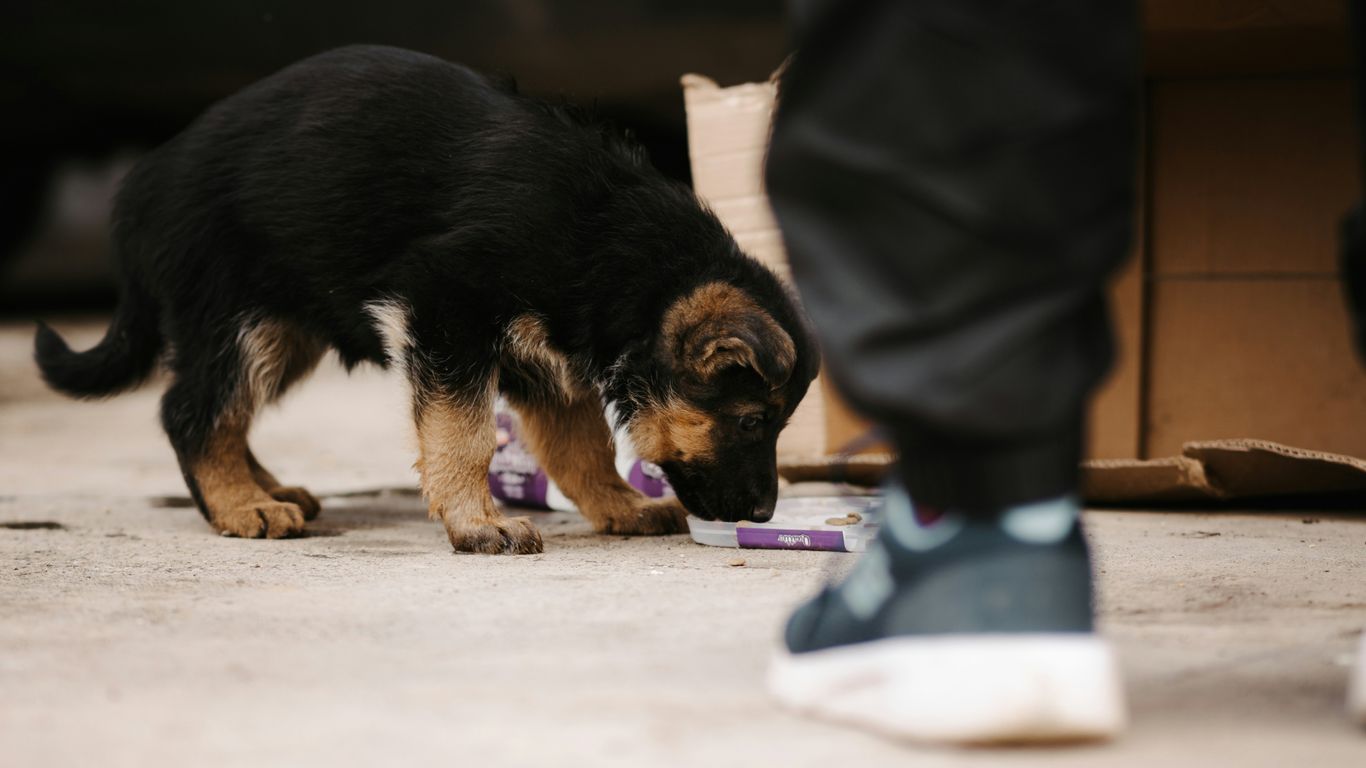
When you’re training your puppy, timing is everything. Think of it like this: your puppy is doing something you like, and you want them to do it again. The best way to make that happen is to reward them right away. If you wait too long, your puppy might get confused about what they’re actually getting praised for. It’s like giving a kid a sticker for cleaning their room, but only after they’ve already started playing video games again. They won’t connect the sticker to the cleaning.
The Crucial Window for Reinforcement
Puppies live in the moment. Their brains are wired to connect actions with immediate outcomes. This means the window for effective reinforcement is tiny – usually just a second or two. If your puppy sits, and you wait five seconds to give them a treat, they might think the treat is for looking at the ceiling, or for you finally moving. The reward needs to happen within 1-3 seconds of the desired behavior. This immediate feedback is what helps them understand exactly what earned them that tasty morsel. It’s how they learn what you want them to do.
Understanding Immediate Gratification
Puppies don’t have a long-term memory for abstract concepts like ‘good behavior from five minutes ago.’ They learn through association. When a treat or praise follows an action instantly, they quickly link the two. This is why quick rewards are so powerful. It’s not about spoiling them; it’s about clear communication. If you’re trying to teach your puppy to come when called, and they trot over to you, rewarding them the second they reach you is far more effective than waiting until they’re settled at your feet. This immediate gratification is the bedrock of positive reinforcement training.
Avoiding Delayed Consequences
Just as rewards need to be timely, so do any corrections (though positive reinforcement is generally more effective for puppies). If your puppy has an accident inside, scolding them minutes later is pointless. They won’t connect the scolding to the potty accident; they’ll just learn to fear you or the spot where it happened. Management and setting your puppy up for success are key here. For training, this means if you miss the window for a reward, it’s better to just move on and try again. Don’t try to retroactively reward or correct. It’s like trying to catch lightning in a bottle – it just doesn’t work. You want to make sure you’re rewarding the right thing at the right time, every time.
The Impact of Reward Value
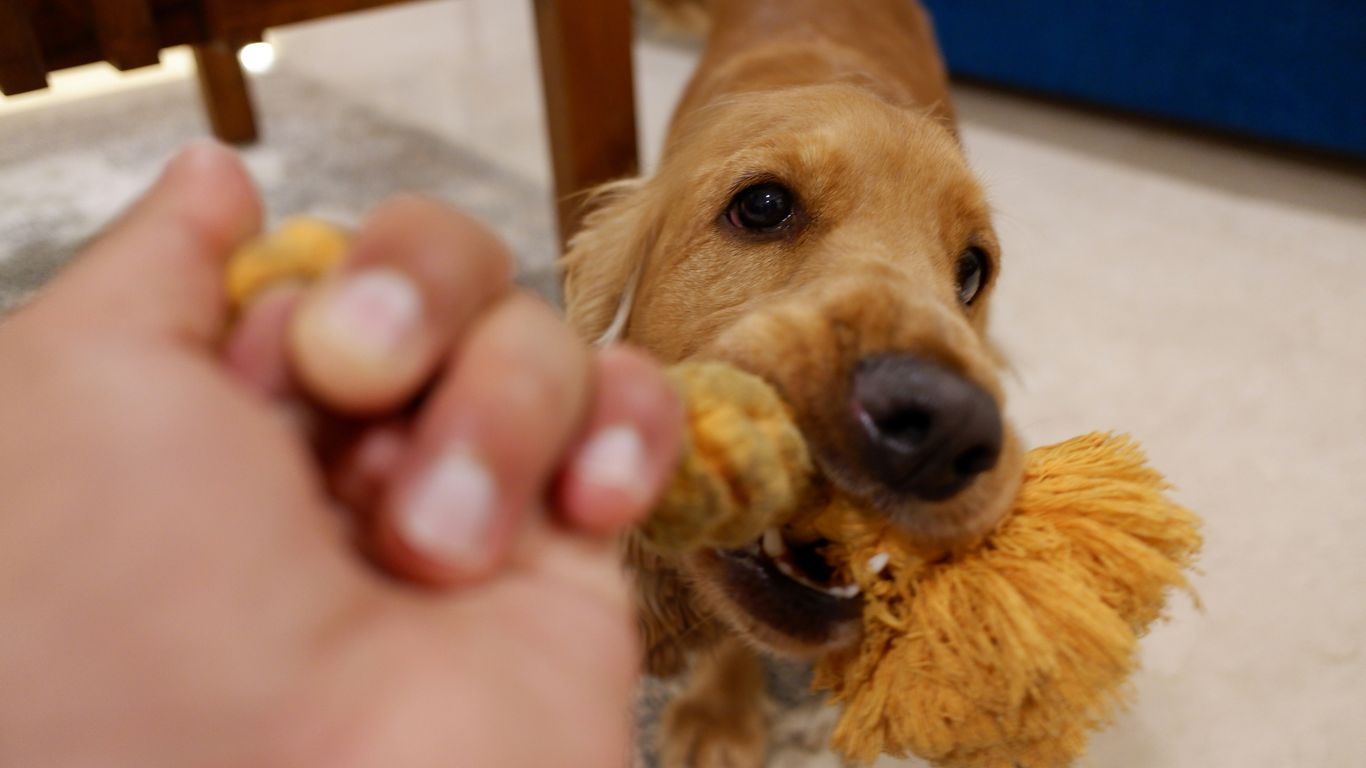
You know, it’s not just about when you reward your puppy, but also what you reward them with. Think about it – if you’re asked to do a really tough job, you’d expect a bigger bonus than for something simple, right? Puppies are the same way. The reward needs to match the effort or the difficulty of the task.
Matching Rewards to Task Difficulty
When you’re first teaching a new command, like "sit," you might use a really tasty treat, something your puppy goes crazy for. This helps them understand that doing this new thing is super rewarding. But once they’ve got "sit" down pat, you can probably switch to a less exciting reward, maybe just a regular kibble piece or a quick pat. It’s all about using your high-value rewards for the tough stuff and saving the everyday stuff for when they’re just practicing or doing something easy.
Here’s a quick way to think about it:
- Easy Tasks (e.g., practicing a known command): Regular kibble, a quick scratch behind the ears.
- Medium Tasks (e.g., learning a new variation of a command): A slightly more interesting treat, a favorite toy for a quick toss.
- Difficult Tasks (e.g., performing a command with distractions, a brand new complex behavior): The absolute best, most delicious treat your dog loves, a longer play session.
Discovering Your Puppy’s Motivators
So, what does your puppy find super rewarding? It’s not always what we think. Some dogs are all about food – the smellier, the better. Others are toy-obsessed, and a good game of tug is their ultimate prize. And then there are the pups who just live for praise and attention from their favorite human. You really need to pay attention to what makes your puppy’s tail wag the hardest.
Try this little experiment:
- Offer a few different things your puppy likes (a piece of cheese, a squeaky toy, a happy "good boy!").
- See which one gets the most enthusiastic response.
- Make a mental note (or even a real one!) of what your puppy prefers.
This helps you build a "reward menu" that you can pull from.
The Hierarchy of Canine Desires
Every dog has a list of things they love, from "meh" to "OMG, YES!" This is their personal hierarchy of desires. You can use this to your advantage. For simple training, you might use something lower on the list. But when you’re facing a really challenging training situation, like working around other dogs or in a noisy park, you’ll want to pull out the big guns – the stuff at the very top of their list. This makes your reward more powerful than the distractions around them.
Using the right reward for the right situation is like having a secret weapon in your training toolkit. It keeps your puppy engaged and makes them eager to work with you, no matter what.
It’s all about figuring out what truly motivates your specific dog. What works for one puppy might not work for another, so observation is key!
Strategic Reward Placement
Where you put that tasty treat or favorite toy can make a big difference in how well your puppy understands what you’re asking. It’s not just about when you reward, but also where.
Guiding Behavior with Reward Location
Think of the reward as a little breadcrumb trail for your puppy’s brain. If you want your puppy to move in a certain direction or focus on a particular spot, placing the reward there helps them figure it out. For example, if you’re teaching your puppy to go to their bed, you’d toss a treat onto the bed. This physically guides them to the desired location. The reward should always be delivered in a way that reinforces the exact behavior you’re looking for. If your puppy has to move away from the spot they’re supposed to be in to get the treat, they might get confused about what earned the reward.
Rewarding Stationary Positions Effectively
When you’re working on things like ‘sit’ or ‘down,’ the reward needs to be given while your puppy is in that position. If you hold the treat too high or too far away, your puppy might stand up to reach it, accidentally undoing the ‘sit’ they just did. For a ‘sit,’ keep the treat low, near their nose, so they can take it without getting up. This helps them connect the reward directly with staying in the sit.
Rewarding at a Distance
Training your puppy to stay or go to a specific spot from afar requires a bit more planning. You might use a long-reach treat dispenser or toss a treat to them. The key is that the reward lands where you want them to be. If you’re teaching them to ‘stay’ on a mat, and they get up to grab a treat you tossed too far away, you’ve just rewarded them for breaking the stay. It takes practice to get this right, but it’s super effective for building independence and focus.
Here’s a quick look at placement goals:
- For movement: Place the reward slightly ahead in the direction you want them to go.
- For staying put: Place the reward directly on the spot you want them to remain.
- For focus: Hold the reward near your face to draw their attention back to you.
Getting the reward placement right means your puppy learns faster and with less confusion. It’s like giving them a clear map instead of just a general direction. Pay attention to where the reward lands and how your puppy has to move to get it – this is all part of the learning process.
Competing with Environmental Rewards
Okay, so your puppy is doing great inside, listening to you, and getting those treats. Awesome! But then you step outside, and suddenly it’s like they’ve never heard of ‘sit’ or ‘stay’ before. What gives? Well, the world outside is a giant buffet of smells, sights, and sounds that are super interesting to your dog. Think about it: a squirrel darting up a tree, a fascinating patch of grass, or another dog walking by – these are all potential rewards happening right now. Your training treats are in direct competition with all that exciting stuff.
Making Your Training More Exciting
If the environment is offering more interesting things than your training session, your puppy is going to tune you out. You need to be more exciting than the distractions. This means your rewards need to be high-value and given frequently, especially when you’re first starting out in a new or distracting place. If you’re only giving a treat every 20 steps, that’s not going to cut it when there’s a whole world of sniffing opportunities. Try rewarding every single step, or even multiple times within a single step, to keep your puppy focused on you and what you’re offering.
Reinforcing Desired Behaviors Amidst Distractions
When you’re out and about, you’ll notice that your puppy might get distracted by things like other people, dogs, or even just interesting smells. If they pull towards something, and you don’t redirect them or reward them for staying with you, they’re essentially being rewarded for pulling. It’s a tricky balance. You want to reward the behavior you want, not the one that happens because they got sidetracked. This is where knowing your puppy’s motivators really comes into play. What makes them light up? Is it a special squeaky toy, a tiny piece of cheese, or a quick game of tug? Use those top-tier rewards when you’re facing bigger distractions.
The Role of Frequent Reinforcement
Think of it like this: if you’re trying to get your puppy’s attention in a busy park, you can’t just give them one treat and expect them to ignore everything else. You need to be a constant source of good things. This means a high rate of reinforcement. For example, if you’re working on loose-leash walking and your puppy is walking nicely beside you, you might be giving them a treat every few steps. If they start to lag or pull, you stop, maybe ask for a quick ‘sit’ and reward that, then continue. The goal is to make staying with you and listening to you more rewarding than chasing after that pigeon.
Here’s a quick look at how frequency can help:
- Low Distraction Area: Reward every 5-10 steps for good behavior.
- Moderate Distraction Area: Reward every 2-5 steps for good behavior.
- High Distraction Area: Reward every single step or even multiple times per step for good behavior.
The key is to make yourself the most interesting thing in the environment. If your puppy is constantly looking to you for their next reward, they’re less likely to be pulled away by other stimuli. It takes effort, but it’s how you build a solid foundation for reliable behavior outside the home.
Precision Through Marker Signals
Sometimes, getting the timing just right with rewards can feel like trying to catch lightning in a bottle. Your puppy does the thing you want, and you think you’re rewarding them quickly, but maybe they’re still a little fuzzy on exactly what earned them that tasty morsel. This is where marker signals come in handy. Think of them as a super-precise, instant announcement system for your dog.
Using Cues for Exact Timing
A marker signal is a short, distinct sound or word that you pair with a reward. Its job is to pinpoint the exact moment your puppy performs the desired behavior. It’s like a tiny flag you wave the second they nail it. This is way more effective than just tossing a treat a second or two later, because that delay can leave your puppy wondering if the reward was for sitting, or for looking at you, or for breathing.
The Clicker or Whistle Advantage
Many people find that a clicker or a whistle works best as a marker. Why? Because they make a sound that’s unique and unlikely to be made in everyday conversation or by accident. When you click or whistle the exact moment your puppy’s rear end hits the floor for a ‘sit,’ you’re telling them, "YES! THAT specific action right there is what gets you the good stuff!" This clarity is a game-changer for learning.
- Consistency is key: Always use the same marker sound for the same purpose.
- Pair it up: Initially, you’ll need to ‘charge’ the marker by making the sound and immediately giving a treat. Do this many times so your puppy learns that the click or whistle means a treat is coming.
- Timing is everything: The marker should happen during the behavior, not after.
Connecting Markers to Rewards
It’s super important to remember that the marker itself isn’t the reward. It’s the promise of a reward. So, every single time you use your marker – whether it’s a click, a whistle, or a specific word like "Yes!" – it must be followed by a high-value treat or a favorite toy. If you skip the reward even once after marking, you start to weaken the signal’s meaning. Your puppy needs to know that the marker reliably predicts something good is on its way. This connection builds trust and speeds up learning because your puppy starts to actively offer behaviors they think will earn them that satisfying click followed by a treat.
The goal is to create a clear, immediate bridge between the action you want and the reward your puppy receives. This precision helps your puppy understand exactly what you’re asking for, making training sessions more efficient and less frustrating for both of you.
Practical Reward Delivery
Okay, so you’ve got the timing down, you know what your pup loves, and you’re ready to reward. But how you actually give that reward makes a big difference. It’s not just about having a treat; it’s about having it ready and getting it to your dog without missing that perfect moment.
Keeping Treats Accessible
This is a big one. If your treats are buried deep in a pocket, or you have to rummage through a bag, you’re going to lose that split-second timing. Your dog might have already moved on to something else by the time you find the goodie. The faster you can get the reward from its storage to your dog, the better. Think about it: if you’re trying to reward your dog for sitting, and it takes you ten seconds to find the treat, they might have already stood up. Then, are you rewarding the sit, or the standing up?
The Importance of Small, Ready Rewards
Big treats can be a problem for a few reasons. First, they take longer to eat, which can interrupt the flow of training. Second, if you’re training a lot, you don’t want your dog getting too full too fast. Breaking treats into small, bite-sized pieces is key. This way, your dog can gobble them up quickly and you can give several rewards in a short period if needed. It also means you can reward more often without overfeeding.
Here’s a quick look at why small rewards work best:
- Speed: Dogs can eat them fast, keeping training moving.
- Frequency: You can give more rewards without filling your dog up.
- Focus: Smaller rewards mean less distraction from eating and more focus on the training.
- Variety: You can use a few different types of small treats to keep things interesting.
Efficient Treat Pouch Options
So, how do you keep those small, ready rewards handy? A treat pouch is your best friend here. There are tons of options out there, and what works for one person might not work for another. Some people like pouches that clip onto their belt, others prefer ones that can be worn around the waist. There are even magnetic ones that snap open and shut easily, which can be super convenient.
Consider these popular choices:
- Clip-on Pouches: These attach to your pants or belt and are usually quite secure.
- Waist-Worn Pouches: These wrap around your waist and often have multiple pockets for treats, toys, or even your phone.
- Magnetic Pouches: These are great for quick access, as they often open with a simple touch and close automatically.
- DIY Options: Some people repurpose small tool bags or even sturdy fabric bags they already own.
The goal is simple: make it so you can grab a reward with one hand, almost without looking, and give it to your dog. This frees up your other hand for praise, guiding your dog, or managing the leash. It’s all about making the reward process as smooth and quick as possible so your dog stays engaged and understands exactly what they’re being praised for.
Making sure your dog gets the right training is super important. When you’re ready to give your furry friend the best guidance, think about how the training is actually given. We focus on making sure the lessons are easy to follow and actually work for your dog. Ready to see how we make training simple and fun? Visit our website today to learn more!
Putting It All Together
So, we’ve talked a lot about timing, what kind of rewards work best, and how to actually give them to your dog. It might seem like a lot to remember at first, but honestly, it just takes a little practice. Pay attention to your dog – they’ll tell you what they like and what motivates them. When you get that timing right, and use rewards your dog really cares about, training becomes way more fun for both of you. Plus, your dog learns faster and builds confidence. It’s all about making those training moments count, and with a bit of effort, you’ll see some great results. Keep at it, and enjoy the journey with your furry friend!
Frequently Asked Questions
Why is the timing of rewards so important for my puppy?
Giving your puppy a reward right after they do something good helps them understand exactly what they did right. If you wait too long, they might think they’re being rewarded for something else they did later. It’s like telling them ‘good job!’ the second they finish the task, not minutes after.
What’s the best way to reward my puppy?
The best rewards are things your puppy really loves! This could be a yummy treat, a favorite toy, or even some enthusiastic praise. Think about what makes your puppy’s tail wag the most. For harder tasks, use higher-value rewards, like special treats, and save simpler rewards for easier jobs.
How often should I reward my puppy?
When you’re just starting to teach a new skill or if there are lots of distractions, reward your puppy often. This keeps them interested and helps them learn faster. As your puppy gets better and understands the task, you can start rewarding them less frequently.
What if my puppy is more interested in the environment than my training?
The world can be full of exciting things for your puppy, like smells or other animals! To keep your puppy focused on you, make your training session more exciting than the surroundings. Use high-value rewards and reward frequently to show your puppy that training with you is the best game in town.
What is a ‘marker signal’ and how does it help?
A marker signal, like a clicker or a specific whistle sound, is a tool that tells your puppy exactly when they did the right thing. You ‘mark’ the moment they perform the desired behavior, and then immediately give them a reward. This helps your puppy connect the marker sound with the reward and understand precisely what earned it.
How can I make sure I can reward my puppy quickly?
It’s super helpful to have treats ready to go! Keep them in a treat pouch or a pocket so you can grab them instantly. Small, bite-sized treats work best because you can give them quickly without your puppy having to wait too long. This way, you don’t miss the moment your puppy does something great.