
So, you’ve got a new puppy and you’re thinking about training. That’s great! Puppy clicker training basics can seem a little confusing at first, but it’s actually a really straightforward and positive way to teach your furry friend. Think of it like giving your dog a clear signal that says, ‘Yes! That’s exactly what I want!’ It’s all about making learning fun and building a strong bond with your pup. We’ll cover what you need to know to get started, from understanding the clicker itself to teaching new tricks.
Key Takeaways
- The clicker is a tool used to ‘mark’ the exact moment your puppy does something right, followed immediately by a treat.
- Before using the clicker for training, you need to ‘charge’ it by pairing the sound with treats so your puppy associates the click with good things.
- Keep training sessions short and sweet, especially at first, to match your puppy’s attention span and keep them engaged.
- Timing is super important; click the instant your puppy performs the desired behavior, not before or after.
- Start with simple behaviors and gradually build up to more complex actions, rewarding small steps along the way.
Understanding Puppy Clicker Training Basics
Clicker training for your puppy might sound a bit technical, but it’s actually a really straightforward way to communicate with your dog. Think of it as a special language you and your pup will learn together. It’s all about positive reinforcement, which basically means rewarding your puppy when they do something you like. This method helps build a strong bond and makes learning fun for everyone involved.
What Is A Clicker?
A clicker is a small gadget, usually held in your hand, that makes a distinct "click" sound when you press it. You can find them at most pet stores or even online. Some people even use smartphone apps that mimic the sound, or a retractable pen if it makes a clear, sharp noise. The main thing is that it makes a consistent sound that your puppy can easily recognize.
The Core Principle: Mark And Reward
The whole idea behind clicker training is pretty simple: you use the "click" sound to mark the exact moment your puppy does something right. This "click" acts like a tiny snapshot, telling your puppy precisely what behavior earned them a reward. Immediately after the click, you give them a treat. This clear, immediate feedback helps your puppy understand exactly what you’re asking for, making the learning process much faster and more effective. It’s like saying, "Yes, that’s exactly what I wanted!" followed by a tasty reward.
Benefits For Your Puppy
Using a clicker can be really beneficial for your puppy. Because the click is so precise, it helps your puppy learn faster and with less confusion. It gives them clear signals about what actions lead to good things, which can boost their confidence. Plus, since it’s all about rewarding good behavior, it makes training a positive experience for them. This can be especially helpful for puppies who might be a bit shy or unsure, as it builds trust and a positive association with learning.
- Clear Communication: The clicker provides a distinct sound that your puppy can easily associate with a reward.
- Faster Learning: Precise marking of desired behaviors speeds up the learning process.
- Increased Confidence: Positive reinforcement helps build your puppy’s self-esteem and trust.
- Stronger Bond: Training becomes a fun, cooperative activity that strengthens your relationship.
Getting Started With Your Clicker
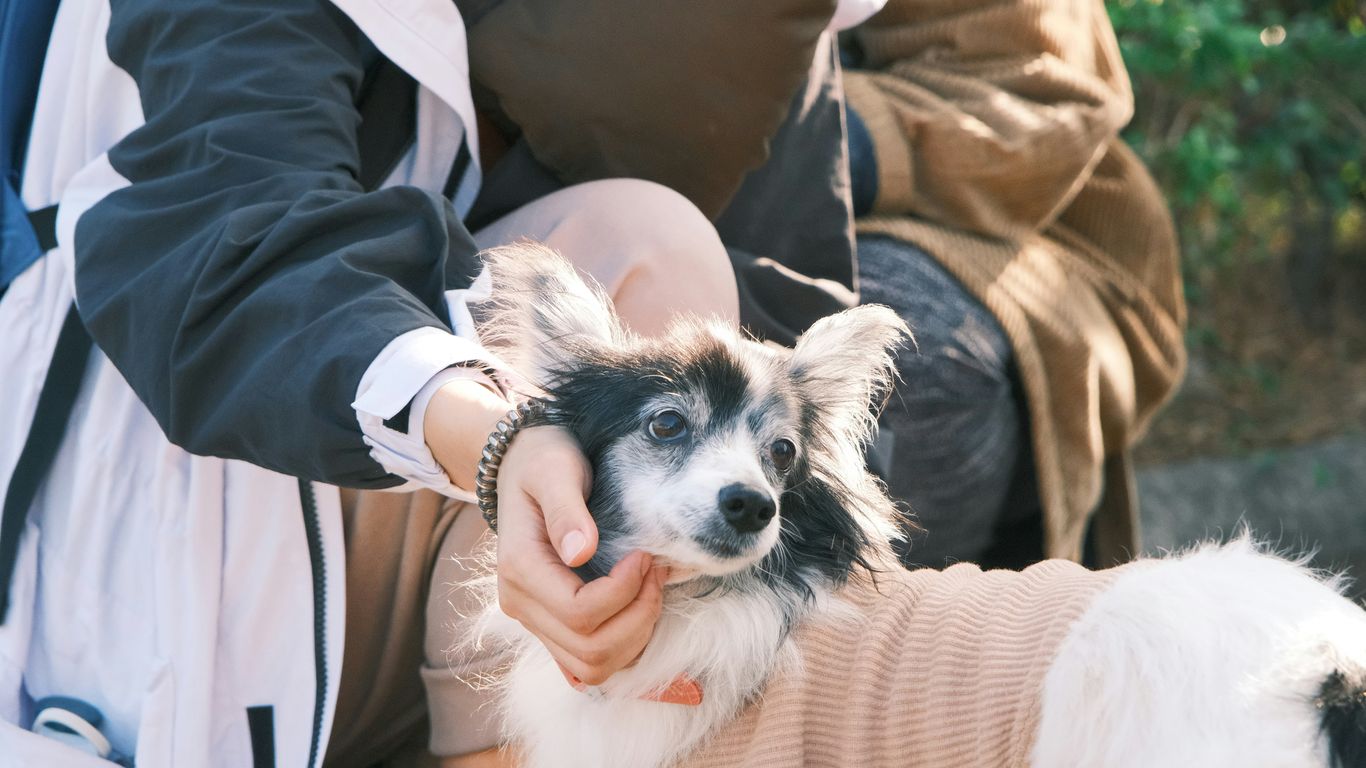
Alright, so you’ve got your puppy and you’re ready to dive into clicker training. It’s a pretty neat way to communicate with your dog, and honestly, it makes training feel more like a game than a chore. But before you start clicking away, there are a few things you need to get sorted.
Choosing The Right Clicker
First off, not all clickers are created equal. You want one that makes a sound your puppy will notice but won’t scare them. Some puppies are a bit sensitive to loud noises, and a jarring click can actually make them flinch or even shut down. Think about it – you don’t want your training tool to be a source of anxiety! There are different types out there, from the classic boxy ones to those that look more like a pen. Some even have a softer sound. If you’re unsure, maybe try a few different kinds or even use something like a ballpoint pen that makes a gentler click. The goal is a clear, consistent sound that your puppy can easily distinguish.
Charging The Clicker: Making The Sound Meaningful
This is a super important step, and it’s often called "charging" the clicker. Basically, you’re teaching your puppy that the sound of the clicker means something awesome is about to happen – usually, a tasty treat! It’s like teaching them that the doorbell means a friend is coming over. You want that click to predict good things.
Here’s how you do it:
- Grab your clicker and some small, super-tasty treats. Think tiny bits of chicken or cheese – something your puppy goes nuts for.
- Find a quiet spot with minimal distractions. Seriously, turn off the TV and ask everyone to tiptoe.
- Click the clicker, then immediately give your puppy a treat. Don’t say anything, don’t do anything else, just click and treat.
- Repeat this many, many times. You want your puppy to start looking at you with anticipation the moment they hear that click.
The key here is consistency. Every single time the clicker sounds, a treat must follow. This builds a strong association, making the clicker a powerful communication tool.
This process usually doesn’t take long, maybe a few short sessions. You’ll know it’s working when your puppy’s ears perk up at the sound, even before you offer the treat. You can find essential puppy training equipment that includes clickers, but the charging process is all about you and your pup.
Selecting The Perfect Treats
Speaking of treats, they’re your puppy’s payday! For clicker training, you need what trainers call "high-value" treats. These aren’t your everyday kibble. They need to be extra special, something your puppy finds incredibly motivating. Why? Because you want your puppy to be excited about training and eager to earn those rewards. Kibble might be okay for everyday meals, but for marking a specific behavior with a click, you need something that really gets their attention. Think small, soft, and super smelly. Little cubes of cooked chicken, cheese, or special training treats work wonders. Just make sure they’re small enough that your puppy can gobble them down quickly, so you can get back to clicking and training without long chewing breaks. You’ll want to have a good supply of these on hand, maybe in a treat pouch, so they’re always accessible when you need them.
Essential Techniques For Effective Training
Getting your puppy to understand what you want can feel like a puzzle sometimes, right? That’s where mastering a few key techniques with your clicker comes in handy. It’s all about making sure your puppy gets the message loud and clear, and that training stays fun for both of you.
Mastering The Timing Of Your Clicks
This is probably the most important part of clicker training. The click is like a tiny camera flash, capturing the exact moment your puppy does something right. If you click too early, your puppy might not understand what earned the reward. Click too late, and they might be confused, thinking a different action was the correct one. It takes a little practice, but aiming to click precisely when the behavior happens is a game-changer. Think of it like this:
| Behavior | Ideal Click Moment |
|---|---|
| Sit | The instant your puppy’s rear touches the ground |
| Down | The moment their elbows touch the floor |
| Come when called | The second they turn towards you |
It’s about being present and observant. You’re not just clicking; you’re marking a specific action. This precision helps your puppy learn much faster and builds a stronger connection between you. Getting this timing down is a big step towards successful puppy training.
Keeping Training Sessions Short And Sweet
Puppies have short attention spans, just like toddlers. Trying to force a long training session will likely lead to frustration for both of you. Aim for multiple short sessions throughout the day rather than one long one. Five to ten minutes is often plenty. This keeps your puppy engaged and eager for more. Always try to end on a positive note, with a successful click and treat, so your puppy looks forward to the next session.
The Power Of A Single Click
It might seem simple, but the clicker is a powerful communication tool. It’s a distinct sound that means something good is coming. Unlike praise, which can be used in many contexts, the click is specific to training. It bridges the gap between the behavior and the reward, especially when you can’t deliver a treat instantly. This clear signal helps your puppy understand exactly what earned them the reward, making the learning process more efficient and less confusing. It’s a clear, consistent signal that helps make training simpler and more effective.
Sometimes, you might accidentally click. Don’t worry about it! Just move on. The key is to be consistent with your intended clicks. If you click by mistake, simply don’t follow it up with a treat. Your puppy will learn that not every click means a reward, but every correct click does. The goal is clarity, and a few accidental clicks won’t derail your progress if you stay focused on the positive reinforcement.
Teaching New Behaviors With Clicks
So, you’ve got your clicker charged and your puppy is starting to get the hang of what that little sound means. Awesome! Now comes the really fun part: teaching your pup new tricks and good habits. It’s not as complicated as it might seem, and honestly, it’s where you really start to see your bond grow.
Starting With Simple, Achievable Behaviors
Don’t try to teach your dog to fetch your slippers and do your taxes all in one go. Start small. Think about things your puppy might already do or can easily figure out. For instance, calling their name is something they usually respond to. The moment they look at you after you say their name, click and treat. Easy peasy. From there, you can move to basic commands like ‘sit’ or ‘down’. The key is to pick something your puppy can do successfully without too much fuss. This builds their confidence and makes them eager for the next training session. You can find some great beginner tips on clicker training for dogs.
Capturing Spontaneous Good Behavior
Puppies are little bundles of energy, and they do all sorts of things throughout the day. Pay attention! You’ll notice behaviors you like – maybe your pup lies down quietly on their bed instead of bouncing off the walls, or perhaps they come to you instead of jumping up. These are golden opportunities. The second you see that good behavior happening, click and reward. It’s like catching them being good! Over time, your puppy will start offering these behaviors more often because they’ve learned it gets them a click and a tasty treat.
Shaping Complex Actions Through Small Steps
What about those cooler tricks, like ‘shake a paw’ or ‘spin’? That’s where shaping comes in. You break down the bigger behavior into tiny, manageable steps. Let’s say you want to teach ‘shake’. Your puppy might first just lift their paw slightly. Click and treat that! Then, you wait for them to lift it a little higher. Click and treat again. You keep raising the bar, rewarding each small improvement, until you get the full ‘shake’.
- Step 1: Reward any slight lift of the paw.
- Step 2: Wait for a higher lift before clicking.
- Step 3: Gradually ask for more movement until the paw is offered.
- Step 4: Once the paw is consistently offered, introduce a verbal cue like "shake."
Remember, the click marks the exact moment the desired action happens. If you’re teaching ‘sit’ and your puppy starts to lower their rear, click then. If they take a step towards you when you call them, click then. Don’t wait for the perfect, final pose. Reward the progress!
It’s all about patience and breaking things down. The goal is to make learning fun and rewarding for your puppy, not a chore. If you get frustrated, take a break. Your puppy will pick up on your mood, and you want them to associate training with good times.
Optimizing Your Training Environment
Setting up the right space for training is a big deal. It’s not just about where you are, but also about how your puppy feels and what’s going on around them. Think of it like creating a little learning bubble where your pup can really focus.
Creating A Distraction-Free Zone
When you’re just starting out, or even when you’re teaching something new, it’s best to keep things calm. A quiet room with no other pets or people wandering around is ideal. This helps your puppy tune into you and the clicker sound, rather than getting sidetracked by a squirrel outside or the TV blaring. The fewer distractions, the faster your puppy will learn. You want them to associate the clicker with your training, not with the mail carrier’s arrival.
Training When Your Puppy Is Hungry
Ever tried to get a toddler to learn when they’re starving? It’s tough! Puppies are similar. Training works best when your puppy has a bit of an appetite. This means avoiding training sessions right after they’ve had a big meal. When they’re a little hungry, those tasty treats you’re using as rewards become much more motivating. It’s all about making sure the reward is exciting enough to keep them engaged.
Here’s a quick look at when to train:
- Ideal: 1-2 hours after a meal.
- Good: Before a meal.
- Avoid: Immediately after a meal.
Considering Your Puppy’s Sensitivity To Sound
Some puppies are naturally more sensitive to loud or sudden noises. The clicker itself is usually not too loud, but if your puppy seems startled or anxious when you first use it, you might need to adjust. You could try covering the clicker slightly with your hand to muffle the sound, or even use a pen that clicks softly. It’s important that the clicker is a positive marker, not something that scares your pup. If your puppy is particularly sensitive, you might want to look into alternative markers like a specific word or a gentle whistle. Remember, the goal is to make the sound a predictor of good things, not a source of stress. You can find more tips on positive reinforcement techniques at puppy training basics.
The environment plays a huge role in how well your puppy learns. By controlling distractions and timing your sessions when your pup is receptive, you’re setting yourselves up for success. It’s about making training a positive and productive experience for both of you.
Troubleshooting And Advanced Tips
Sometimes, training doesn’t go exactly as planned, and that’s totally okay. Even experienced trainers run into little hiccups now and then. The key is to stay calm and figure out what’s not working.
Handling Accidental Clicks
So, you accidentally clicked the clicker? It happens! Don’t panic, and definitely don’t ignore it. The click is a promise of a treat, and if you break that promise, your puppy might get confused. The best thing to do is to immediately give your puppy a treat. Think of it as a little bonus treat for just being there. This way, the clicker’s meaning stays strong and reliable for your pup.
When To Introduce Cues
It can be tempting to add a verbal cue, like "sit" or "stay," right away. But hold on a second. Your puppy needs to understand the behavior first. If you add the cue too early, they might associate it with a half-hearted attempt. Wait until your puppy is offering the behavior reliably. Then, you can start saying the cue just before they do the action. This helps them connect the word with the behavior. It’s a bit like teaching them a secret handshake; they need to know the moves before you give it a name. For more on teaching basic commands, check out this guide on training a new puppy.
Maintaining Consistency For Lasting Results
Consistency is your best friend in clicker training. This means everyone in the household is on the same page with the cues, the clicks, and the rewards. If one person clicks for a sit and another doesn’t, it can slow down progress. Also, remember that training isn’t just about the formal sessions. Try to catch those spontaneous good behaviors throughout the day and click/treat them. This reinforces the good stuff when you least expect it.
Here are a few things to keep in mind for consistency:
- Everyone uses the same cues: Make sure all family members use the same words or hand signals.
- Same clicker sound: Stick to one clicker or a consistent marker word.
- Reward the desired behavior: Always follow through with a treat or praise when you click.
- Practice regularly: Short, frequent sessions are better than one long, infrequent one.
If you find yourself getting frustrated, it’s a sign to take a break. Training should be enjoyable for both you and your puppy. Pushing when you’re both stressed rarely leads to good outcomes. Step back, reassess, and try again later with a fresh perspective. Sometimes, a simple change of scenery or a different type of treat can make all the difference.
Got some tricky dog behavior issues or want to take your training to the next level? We’ve got you covered. For more expert advice and solutions, check out our website!
Wrapping Up Your Clicker Training Journey
So, you’ve got the basics of clicker training down. It might seem a little strange at first, clicking and treating, but stick with it. Puppies are smart cookies, and they really do pick things up fast when you make it clear what you want. Remember to keep those training sessions short and sweet, always be patient, and celebrate those little wins. Before you know it, your pup will be responding to that clicker like a pro, and you’ll have a happier, better-behaved furry friend. It’s a rewarding process for both of you, building a stronger bond one click at a time.
Frequently Asked Questions
What exactly is a clicker and how does it work?
A clicker is a small gadget that makes a distinct clicking sound when you press it. In training, you use this sound to mark the exact moment your puppy does something you like. Right after the click, you give them a treat. It’s like a super-fast way to tell your puppy, ‘Yes! That’s what I wanted!’
How do I get my puppy to understand what the click means?
Before you start teaching tricks, you need to ‘charge’ the clicker. This means teaching your puppy that the click sound always leads to a yummy treat. Just click, then immediately give a treat. Do this several times. Soon, your puppy will get excited just hearing the click because they know something good is coming.
What kind of treats should I use for clicker training?
The best treats are small, soft, and super tasty to your puppy! Think tiny pieces of chicken, cheese, or special training treats. They should be something your puppy really loves and can eat quickly. Just make sure they’re healthy and don’t give too many so your puppy doesn’t gain too much weight.
How long should my training sessions be?
Puppies have short attention spans, so keep training sessions short and fun, maybe just 3 to 5 minutes at a time. It’s better to have a few short sessions throughout the day than one long, boring one. This keeps your puppy engaged and eager to learn more.
What if I click at the wrong time or by accident?
Don’t worry if you click by accident! If it happens when your puppy isn’t doing anything special, just ignore it and move on. If you click at the wrong moment during training, your puppy might get confused. Just try to focus on your timing for the next click. The key is to click *during* the behavior you like.
When should I start using words or hand signals with the clicker?
Once your puppy is reliably doing a behavior for the clicker, you can start adding a word or a hand signal. For example, say ‘Sit’ just before your puppy sits. Click and treat when they do. Eventually, your puppy will connect the word ‘Sit’ with the action and will sit when you say it, even without the click.