
Getting a new puppy is super exciting, right? But it can also feel a bit overwhelming trying to figure out how to teach them all the things they need to know. That’s where a good puppy training plan comes in. It’s basically a roadmap to help you and your furry friend get along, learn together, and avoid a lot of common puppy problems. We’ll break down how to build one, step by step, so you can start off on the right paw.
Key Takeaways
- A puppy training plan is your guide for teaching your new dog good behaviors and manners from the start.
- Gathering the right supplies, like treats, a leash, and a comfy crate, makes training easier.
- Consistency in routine, especially for feeding and potty breaks, helps your puppy feel secure and learn faster.
- Socialization and basic commands should be introduced early, using positive methods to build a strong bond.
- Adjust your puppy training plan as needed, keeping sessions short, fun, and tailored to your dog’s progress.
Establishing Your Puppy Training Plan Foundation
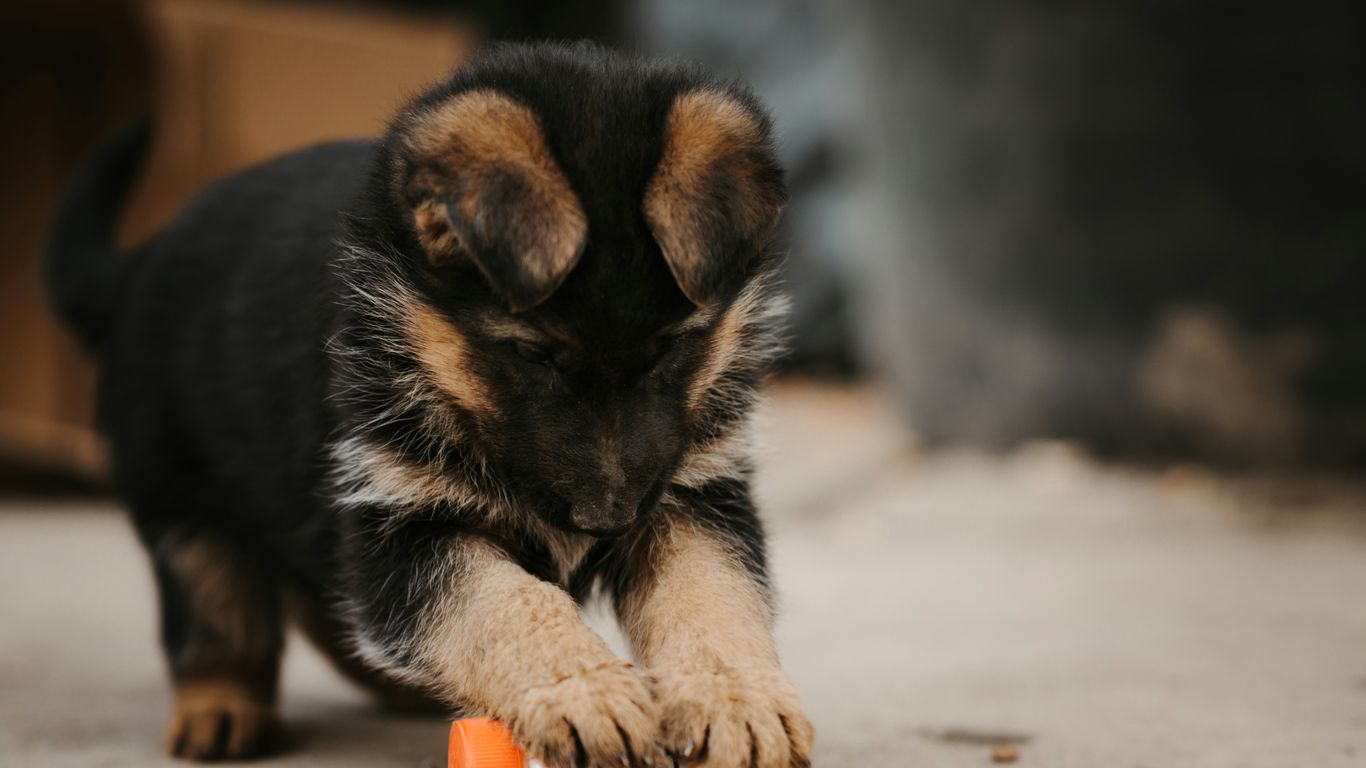
Getting a new puppy is a whirlwind of excitement, and setting up a solid training plan from the start is key to a happy life together. Think of this plan as your roadmap, guiding you and your pup through those early, formative months. It’s not just about teaching tricks; it’s about building a strong bond and helping your dog understand the world and your expectations.
Understanding the Purpose of a Puppy Training Plan
A training plan is your structured approach to teaching your new furry family member good manners and behaviors. Without one, it’s easy for bad habits to creep in, which are much harder to fix later. A good plan helps prevent these issues and sets your puppy up to be a well-adjusted, confident dog. It’s about clear communication and building trust.
Essential Supplies for Your Puppy Training Plan
Before you even bring your puppy home, having a few key items ready can make a big difference. These aren’t fancy gadgets, just practical things that support your training efforts.
- High-Value Treats: Small, tasty treats that your puppy absolutely loves. These are great for rewarding good behavior.
- Leash and Collar/Harness: A comfortable, properly fitting collar or harness and a sturdy leash for walks and training.
- Crate: A safe den for your puppy, useful for housetraining and providing a secure space.
- Poop Bags: You’ll need plenty of these for walks and potty breaks.
- Chew Toys: Puppies need to chew! Provide a variety of safe toys to satisfy this natural urge.
Key Attributes for Successful Puppy Training
Beyond the supplies, there are a few personal qualities that will make your training journey smoother. Patience is your most important tool. Puppies are learning, and they will make mistakes. Staying calm and consistent is vital.
- Consistency: Everyone in the household should be on the same page with commands and rules. This avoids confusing your puppy.
- Patience: Remember that your puppy is a baby. Learning takes time and repetition.
- Positive Attitude: Focus on rewarding good behavior rather than punishing mistakes. This makes training a fun experience for both of you.
Building a strong foundation means setting clear expectations from day one. This structured approach helps your puppy feel secure and understand their role in the family, making the entire process more enjoyable and effective for everyone involved.
The First Weeks of Your Puppy Training Plan
Bringing a new puppy home is a whirlwind of excitement, and those initial weeks are super important for setting the stage for a well-behaved dog. It’s all about establishing a predictable rhythm and helping your new furry friend feel secure in their new surroundings. Think of it as building the foundation for everything that comes later.
Creating a Routine for Weeks 1-2
Consistency is your best friend right now. Puppies thrive on knowing what to expect, and a solid routine helps them settle in faster. This means feeding them around the same time every day, taking them out for potty breaks at regular intervals, and making sure they get plenty of downtime. Puppies need a lot of sleep, so don’t be surprised if they’re snoozing a good chunk of the day. When they are awake, engage them with gentle play and attention so they start to bond with you and feel comfortable.
- Morning: Wake up, potty break, breakfast.
- Mid-morning: Playtime, short training session, potty break.
- Afternoon: Naptime, followed by potty break and maybe a light meal.
- Evening: Dinner, playtime, potty break before bed.
- Night: Potty break as needed (expect a few wake-ups!).
The first few weeks can feel a bit like living on a different planet, especially with the interrupted sleep. But remember, this phase is temporary. Your patience now will pay off big time later.
Introducing the Crate and Feeding Schedule
The crate should be a positive space for your puppy, not a punishment. Start by leaving the door open and tossing treats or favorite toys inside. Let your puppy explore it on their own terms. Gradually increase the time they spend inside, always rewarding calm behavior. This helps them associate the crate with safety and rest. A consistent feeding schedule goes hand-in-hand with this. Puppies have small tummies and need to eat multiple times a day. Feeding them at set times and taking them out for a potty break immediately after each meal is a great way to reinforce good habits and prevent accidents. You can find some great resources on puppy training books to help guide you through these early stages.
Setting Up a Designated Potty Area
Choosing a specific spot for your puppy to do their business is key. Whether it’s a patch of grass in the yard or a potty pad indoors, take your puppy to this spot frequently. The best times are right after they wake up, after playing, and after eating. When they successfully go potty in the right place, praise them enthusiastically and offer a small treat. This positive reinforcement makes it clear to them where you want them to go. Be prepared for accidents, though – they’re part of the process. Just clean them up without fuss and redirect your puppy to the correct spot next time.
Developing Core Behaviors with Your Puppy Training Plan
Now that you’ve got the basics down, it’s time to really build on that foundation and teach your puppy some important manners and skills. This is where the fun really starts, and you’ll see your pup begin to understand what you’re asking.
Socialization Exercises for Early Weeks
Socialization is super important, especially in those first few months. It’s all about exposing your puppy to different sights, sounds, people, and other animals in a positive way. Think of it as helping them become a well-adjusted, confident dog who isn’t scared of everything.
- Introduce new people: Have friends and family members meet your puppy, offering treats and gentle pets. Make sure these interactions are calm and positive.
- Expose them to different environments: Take short trips to quiet parks, different neighborhoods, or even just the car. Let them see and hear things from a safe distance at first.
- Meet other friendly dogs: If possible, arrange playdates with vaccinated, well-behaved adult dogs. This helps them learn doggy manners.
Remember, the goal isn’t to overwhelm your puppy, but to create positive associations. If your puppy seems stressed or scared, back off and try again later with less intensity.
It’s easy to forget that puppies are still learning about the world. What seems normal to us might be brand new and a little scary for them. Patience and gentle introductions go a long way in building their confidence.
Basic Commands and Manners
This is where you start teaching your puppy the "rules of the house" and some handy commands. Consistency is key here. Use short, clear words and reward good behavior immediately.
- Sit: Hold a treat above your puppy’s nose and move it back over their head. As their head goes up, their rear should go down. Say "Sit" as they do it and reward them.
- Stay: Once they can sit, ask them to sit, then hold up your hand and say "Stay." Take one step back. If they stay, return and reward. Gradually increase the distance and time.
- Come: Use a happy, encouraging tone and say "Come!" When they move towards you, reward them enthusiastically. Practice this in a safe, enclosed area first.
- Leave It: Show your puppy a treat in your closed fist. Let them sniff and lick, but don’t let them have it. When they pull away, say "Leave it" and reward them with a different treat from your other hand.
Leash Training Fundamentals
Getting your puppy used to a leash and collar is a big step. Start slow and make it a positive experience.
- Introduce the collar/harness: Let your puppy wear it for short periods inside, offering treats and praise. Make sure it fits comfortably.
- Attach the leash: Once they’re okay with the collar, attach the leash and let them drag it around under supervision for a few minutes.
- Start walking: Hold the leash loosely and encourage your puppy to walk with you. Reward them for walking by your side without pulling. If they pull, stop walking until the leash slackens, then continue.
It might take some time, but with practice, your puppy will learn to walk nicely on a leash, making your walks much more enjoyable for both of you.
Advancing Your Puppy Training Plan
So, your puppy has a handle on the basics? That’s fantastic! Now it’s time to build on that foundation and really start shaping your pup into a well-behaved companion. This stage is all about refining skills and tackling those trickier behaviors that can pop up. We’re moving beyond just sitting and staying to more complex commands and addressing common puppy quirks.
Mastering Advanced Obedience Commands
This is where the real fun begins. You’ve got the basics down, so let’s introduce some commands that will make your life easier and your dog more adaptable. Think about commands like ‘heel’ for pleasant walks, ‘place’ to send your dog to a designated spot, or ‘stay’ for longer durations. These aren’t just for show; they build impulse control and strengthen your communication.
Here’s a look at some advanced commands and what they teach:
- Heel: Your dog walks calmly by your side, not pulling ahead. This makes walks so much more enjoyable.
- Place: Teaches your dog to go to a specific spot (like a mat or bed) and stay there until released. Great for managing greetings or meal times.
- Stay: Extending the duration and distance of a ‘stay’ command. This builds patience and focus.
- Come (off-leash): A reliable recall is vital for safety. Practicing this in safe, enclosed areas is key.
- Retrieve: Teaching your dog to fetch and bring back items. This is great mental stimulation and can be a fun game.
Consistency is key here; short, frequent sessions work best. Remember to keep it positive and rewarding. If your puppy is struggling, break the command down into smaller steps. You can find more helpful tips in this essential dog training guide.
Problem-Solving Common Puppy Behaviors
Every puppy has its moments, right? This section tackles those common issues that can be frustrating but are totally manageable with the right approach. We’re talking about things like excessive barking, chewing inappropriate items, or maybe a bit too much jumping.
- Chewing: Ensure your puppy has plenty of appropriate chew toys. Redirect chewing from furniture to toys, offering praise when they choose the right item.
- Jumping: When your puppy jumps, turn away and ignore them. Only give attention when all four paws are on the floor. Reward calm greetings.
- Barking: Understand why your dog is barking. Is it boredom, attention-seeking, or alerting? Address the root cause. For alert barking, you can teach a ‘quiet’ command.
Problem-solving isn’t about punishment; it’s about understanding your dog’s needs and redirecting their energy and instincts in a positive way. It requires patience and a good dose of creativity.
The Role of Breed in Your Puppy Training Plan
It’s pretty interesting how much your puppy’s breed can influence their training needs. Some breeds were developed for specific jobs, and those instincts can show up in their behavior. For example, a herding breed might try to ‘herd’ your kids or other pets, while a scent hound might be easily distracted by every smell on a walk.
- High-energy breeds: May need more physical and mental exercise to prevent boredom-related behaviors.
- Guard breeds: Might require extra socialization to ensure they are comfortable and not overly suspicious of strangers.
- Terriers: Often have a strong prey drive and may need specific training around smaller animals or wildlife.
Understanding your breed’s typical traits helps you tailor your training. It’s not about making excuses for bad behavior, but about being proactive and providing the right outlets for their natural tendencies. This makes training more effective and your relationship with your dog even stronger.
Implementing Your Puppy Training Plan Consistently
So, you’ve got a plan, you’ve got the supplies, and you’re ready to go. That’s awesome! But here’s the thing: a plan is only as good as how you actually use it. Consistency is the secret sauce, the magic ingredient that turns a good training idea into a well-behaved dog. It sounds simple, but it’s where a lot of people stumble. Puppies thrive on routine, and frankly, so do we, even if we don’t always admit it. When your puppy knows what to expect – when it’s time to potty, when it’s time to eat, and when it’s time for a quick training session – they feel more secure. This predictability helps them learn faster and reduces those "what am I supposed to be doing right now?" moments that lead to mischief.
Structuring Daily Training Sessions
Think of training sessions like short, focused conversations with your puppy. You don’t need to block out hours. In fact, shorter, more frequent sessions are way better. Aim for 5-10 minutes, maybe 3-4 times a day. It’s much easier to keep a puppy’s attention for that long, and it prevents them from getting bored or overwhelmed. During these sessions, pick one or two things to work on. Maybe it’s practicing ‘sit’ or reinforcing potty training. Keep it light and fun. The goal is to build positive associations with learning.
Here’s a quick look at how you might break down your training time:
- Morning: Quick potty break, followed by a 5-minute session on a basic command like ‘come’.
- Midday: Another potty break, maybe a short session working on leash manners.
- Afternoon: Playtime, followed by a 5-10 minute session reinforcing a command or practicing a new trick.
- Evening: Final potty break, and perhaps a calm session practicing ‘settle’ before bedtime.
Utilizing Positive Reinforcement Techniques
This is where the magic really happens. Positive reinforcement means rewarding your puppy for doing something you like. It’s like saying "Yes! Good job!" with treats, praise, or a favorite toy. When your puppy offers a behavior you want – like sitting when asked, or going potty outside – you immediately reward them. This makes them more likely to repeat that behavior. It’s all about making good things happen when they do what you want. Avoid punishment; it can create fear and anxiety, and honestly, it just doesn’t work as well long-term. Instead, focus on what you do want your puppy to do and reward that. Using your puppy’s regular kibble for training is a fantastic way to make every meal a learning opportunity and build a strong bond.
Remember, your puppy is still learning the rules of the world. They aren’t trying to be naughty; they’re just figuring things out. Patience and understanding go a long way. When they make a mistake, it’s an opportunity to redirect and teach, not to get angry.
Adapting Your Puppy Training Plan Over Time
Your puppy isn’t going to stay a tiny fluffball forever, and your training plan shouldn’t stay static either. As your puppy grows and learns, you’ll need to adjust. What worked when they were 8 weeks old might not be as effective when they’re 6 months old. You’ll want to gradually increase the difficulty of commands, introduce more distractions, and perhaps work on more complex behaviors. Don’t be afraid to revisit basics if needed. If your puppy starts struggling with something they used to know, it’s okay to go back a step. Training is an ongoing process, a marathon, not a sprint. Keep it fun, keep it consistent, and celebrate the small wins along the way.
Sticking to your puppy’s training plan every day is super important for success. It helps your furry friend learn faster and become a well-behaved dog. Remember, consistency is key! For more tips and guidance on making your training plan work, visit our website today!
Ready to Get Started?
So, you’ve got the plan, the tools, and hopefully a good stash of treats. Remember, training your puppy is a journey, not a race. There will be good days and maybe some… less good days. But with patience and consistency, you’ll build a fantastic bond with your furry friend. Don’t forget to celebrate the small wins – every ‘sit’ and ‘stay’ is progress! If you get stuck, there are always resources like puppy classes or even apps to help guide you. Now go on, have fun with your pup!
Frequently Asked Questions
What exactly is a puppy training plan and why do I need one?
A puppy training plan is like a roadmap for teaching your new dog good manners and behaviors. It helps you stay organized and make sure you cover all the important stuff, like potty training, leash walking, and basic commands. Having a plan from the start helps prevent bad habits and makes sure your puppy grows into a happy, well-behaved adult dog.
What are the most important things to have before I start training?
You’ll need a few key items to make training smoother. Think about getting a comfortable harness, a sturdy leash (about 6 feet long is good), some super tasty treats that your puppy loves, and maybe a soft brush for grooming. Patience and consistency are also super important tools – remember, puppies are like little kids and need time to learn!
How do I create a good routine for my new puppy in the first couple of weeks?
In the first two weeks, focus on establishing a predictable schedule. Feed your puppy at the same times each day and take them outside for potty breaks very often, especially after they wake up, eat, or play. Make sure they have plenty of time to rest. This routine helps your puppy feel safe and understand what’s expected of them.
What’s the best way to introduce my puppy to a crate?
The crate should be a safe and cozy den for your puppy. Start by leaving the door open and putting yummy treats or favorite toys inside. Let your puppy explore it on their own. Gradually encourage them to go inside for short periods, always rewarding them with praise and treats when they are calm. The goal is for them to love their crate!
How often should I train my puppy, and how long should sessions be?
Short, frequent training sessions are best for puppies. Aim for a few 5-10 minute sessions each day. It’s a great idea to train around meal times, asking your puppy to work for their food. Keep it fun and positive so your puppy looks forward to training time!
How does my puppy’s breed affect their training?
Different breeds have different instincts and needs. For example, a dog bred for guarding might need extra socialization around strangers, while a herding dog might need more outlets for chasing behaviors. Also, consider grooming needs – some breeds require more practice to get comfortable with brushing. Tailor your training and socialization to your specific puppy’s breed characteristics.