
Bringing a new puppy home is exciting, but it also means it’s time to start teaching them the ropes. Puppy training at home doesn’t have to be complicated. With the right approach and a bit of patience, you can help your furry friend become a well-behaved member of the family. This guide will walk you through the basics, from potty training to basic commands, making the process smoother for both you and your pup.
Key Takeaways
- Start puppy training at home as early as possible, focusing on positive reinforcement and making it fun.
- Establish a consistent routine for feeding and potty breaks to make housetraining easier.
- Introduce basic commands like ‘sit,’ ‘stay,’ and ‘come’ using simple, clear instructions.
- Socialize your puppy by safely exposing them to different sights, sounds, and gentle interactions.
- Address common puppy behaviors like chewing and jumping with patience and consistent training methods.
Getting Started With Puppy Training At Home
So, you’ve got a new puppy! That’s super exciting. But now comes the part where you actually have to, you know, train them. It might seem like a lot, especially if this is your first dog, but honestly, it’s totally doable. Think of it like this: your puppy is basically a little sponge right now, soaking up everything. The sooner you start, the better. Waiting until they’re older and have already picked up some not-so-great habits? That’s way harder to fix later on. It’s all about building a good foundation from day one.
Understanding The Importance Of Early Training
Starting training early is a big deal. It’s not just about teaching them to sit or stay; it’s about shaping their whole personality and how they’ll interact with the world. When you begin training early, you’re setting up good habits before the bad ones can even creep in. This makes everything smoother down the road. Plus, it’s a fantastic way to bond with your new furry family member. You’re learning to communicate with each other, and that’s pretty special.
- Builds a strong bond: Training sessions are quality time.
- Prevents bad habits: Easier to teach right from wrong early on.
- Boosts confidence: A well-trained dog is usually a more confident dog.
The key is to make training fun and positive. Puppies learn best when they’re engaged and happy, not stressed or confused. Keep sessions short and sweet, and always end on a good note.
Creating A Safe And Structured Environment
Your puppy needs to feel secure. That means creating a space where they feel safe and know what to expect. A predictable routine is your best friend here. Think about feeding times, potty breaks, and playtime. When things are structured, your puppy can relax and focus on learning. This also helps with things like housetraining and crate training, which are super important early on. A consistent schedule helps your puppy adjust and learn effectively, integrating training into daily activities.
- Designated potty area: Make it clear where they should go.
- Safe sleeping spot: A crate or comfy bed where they can rest undisturbed.
- Consistent daily schedule: Predictable times for meals, potty breaks, and training.
Building A Strong Bond With Your Puppy
This is probably the most important part. Training isn’t just about commands; it’s about building a relationship based on trust and respect. When your puppy trusts you, they’re more likely to listen and want to please you. Spend time playing, grooming, and just hanging out together. Positive reinforcement, like treats and praise, goes a long way in showing your puppy that you’re their biggest fan. This relationship building is what makes all the other training efforts so much easier and more enjoyable for both of you. You can start building this connection right away with consistent puppy training.
- Playtime: Engage in games that your puppy enjoys.
- Affection: Plenty of petting and gentle praise.
- Patience: Understand that learning takes time and repetition.
Essential Housetraining Techniques For Your Puppy
Housetraining, or potty training, is often one of the first big hurdles for new puppy parents. It takes patience and consistency, but getting it right early on sets a great foundation for your dog’s behavior. Remember, puppies don’t just magically stop having accidents; they need to be taught where and when it’s appropriate to go.
Establishing A Consistent Feeding Schedule
Your puppy’s potty breaks will be much more predictable if their meals are on a regular schedule. Aim to feed your puppy 3-4 times a day with their specially formulated puppy food. Sticking to the same times each day helps regulate their digestive system. It’s also a good idea to take away their food and water bowl a couple of hours before bedtime to help prevent nighttime accidents. This isn’t about withholding necessary resources, but rather managing intake to align with their sleep schedule.
Taking Your Puppy Outside Frequently
Frequent trips outside are key, especially in the beginning. Think about taking your puppy out every hour or two. Definitely take them out first thing in the morning, right after they wake up from naps, and immediately after they eat or drink. Playtime is another big trigger, so a quick potty break after a romp in the yard is a good idea too. Consistency is your best friend here.
Choosing The Right Potty Spot
Designate a specific spot in your yard for your puppy to do their business. Take them to this same spot on a leash every time. The scent of previous potty breaks can encourage them to go. As they are in the act, use a consistent verbal cue, like "go potty." Over time, they’ll associate the phrase with the action. Using a leash helps keep them focused and prevents them from getting distracted by squirrels or interesting smells.
Nighttime Potty Training Strategies
Nighttime can be tough. To help your puppy sleep through the night without needing to go, remove their water bowl about two hours before their final bedtime. Make sure they have a potty break right before they go into their crate or designated sleeping area. Most young puppies can hold it for about seven hours. If your puppy does wake up needing to go, keep the experience low-key. Take them out, let them do their business, and then put them right back in their sleeping space without a lot of fuss or playtime. This reinforces that nighttime is for sleeping, not playing.
Housetraining accidents are normal, especially with young puppies. It’s important to clean them up thoroughly with an enzymatic cleaner to remove all scent, so they aren’t tempted to go in the same spot again. Avoid punishing your puppy for accidents; instead, focus on rewarding them when they go in the correct spot.
Mastering Basic Commands For Your Puppy
Alright, let’s get down to business with teaching your puppy some of the most important commands. This isn’t just about showing off at the park; it’s about building clear communication and a solid relationship with your furry friend. Think of these commands as the building blocks for everything else.
Teaching Impulse Control With Positive Reinforcement
This is a big one, and honestly, it’s where a lot of training starts. Impulse control is basically teaching your puppy to think before they act. It’s like teaching a kid to say "please" instead of just grabbing. A great way to start is with the "sit" command. Get your puppy to sit before they get their food, before you toss a toy, or even before you open the door to go outside. This helps them learn that good things happen when they listen.
- Start early: You can begin working on this as soon as your puppy comes home, usually around 8 weeks old.
- Keep it fun: Use treats, praise, and toys to make training a positive experience. Short, frequent sessions are way better than long, frustrating ones.
- Be consistent: Everyone in the household should use the same cues and reward the same behaviors.
Teaching your puppy to pause and think before reacting is a skill that will benefit them throughout their lives, preventing many common behavioral issues down the line.
The ‘Sit’ Command: A Foundation For Training
Seriously, "sit" is like the gateway command. It’s relatively easy for most puppies to learn and it’s super useful. When you want your puppy to sit, hold a treat near their nose and move it up and slightly back over their head. As their head follows the treat, their rear end should naturally lower into a sit. The moment they sit, say "yes!" or "good!" and give them the treat. Once they’re getting the hang of it, start saying the word "sit" just as they begin to lower themselves. Practice this in different places and with different distractions as they improve. This is a great command to practice basic obedience commands.
Introducing The ‘Stay’ And ‘Come’ Commands
Once your puppy has a decent "sit" down, you can move on to "stay" and "come." "Stay" teaches your puppy to remain in a position until released. Start with a very short duration, maybe just a second or two, while they’re in a sit or down position. Take a step back, say "stay," and if they hold it, reward them. Gradually increase the distance and time. If they move, just calmly guide them back to their spot and try again without punishment. "Come" is arguably the most important command for safety. When your puppy is a little distance away, call their name followed by "come!" with an excited, happy tone. When they run to you, give them lots of praise and a high-value treat. Never call your puppy to you for something unpleasant, like a bath or nail trim, as this can make them hesitant to come when called in the future.
Socialization And Polite Play For Puppies
Raising a puppy isn’t just about teaching them not to chew up your socks or where to go potty—how they interact with their world really matters, too. The right kind of socialization means your puppy grows into a friendly, confident companion who handles new places, faces, and situations without fear or fuss.
Exposing Your Puppy To The World Safely
Introducing your puppy to the world can set them up for a lifetime of confidence. The key is to take it easy: you want early experiences to be safe and positive.
Here are a few ways to do this:
- Visit quiet parks or store parking lots instead of busy dog parks.
- Let your puppy hear different sounds: traffic, vacuum, doorbells, and more.
- Invite calm friends or neighbors of different ages to interact slowly with your puppy.
- Take short car rides, and do small visits to the vet or groomer for casual meet-and-greets.
The quality of your puppy’s early introductions is far more important than the quantity. One really good, cheerful experience will help your puppy more than several stressful ones.
Teaching Polite Play And Bite Inhibition
Puppies play rough—nips, jumps, and the occasional wild zoomies across the living room. Teaching polite play is about helping your puppy learn where the line is.
Steps to encourage better manners when playing:
- If your puppy bites hard, end play immediately for a short time-out.
- Offer soft toys as the target for chewing and tugging, not fingers or clothes.
- Reward gentle play and use short, cheerful commands like “easy” or “gentle.”
It’s normal for puppies to use their mouths, but with patience and consistency, those needle-sharp bites go away.
Navigating New Environments And Activities
It’s not just people or other dogs your puppy will need to get used to—it’s everything from slippery floors to busy sidewalks. Think about the life your dog will live and build up their comfort with new situations.
Some good ideas for future-proofing your puppy:
- Walk them on different surfaces (grass, wood, tile).
- Introduce them to umbrellas, jackets, hats, and noisy household gadgets.
- Practice visits to places you’ll need to go later, like the vet or groomer.
- Let them rest when they seem tired or overwhelmed.
| Situation | Puppy Reaction | How to Respond |
|---|---|---|
| Loud noise | Puppy startles | Stay calm, reward quiet |
| Meeting a stranger | Puppy hesitates | Use treats, go slow |
| New environment | Puppy is curious | Encourage gentle exploring |
Every new thing you expose your puppy to calmly helps them build resilience. The aim isn’t to overwhelm your puppy but to help them learn that unknown things aren’t scary—they’re just new. After all, a well-socialized puppy leads to a much happier adult dog (and owner!).
Addressing Common Puppy Behaviors
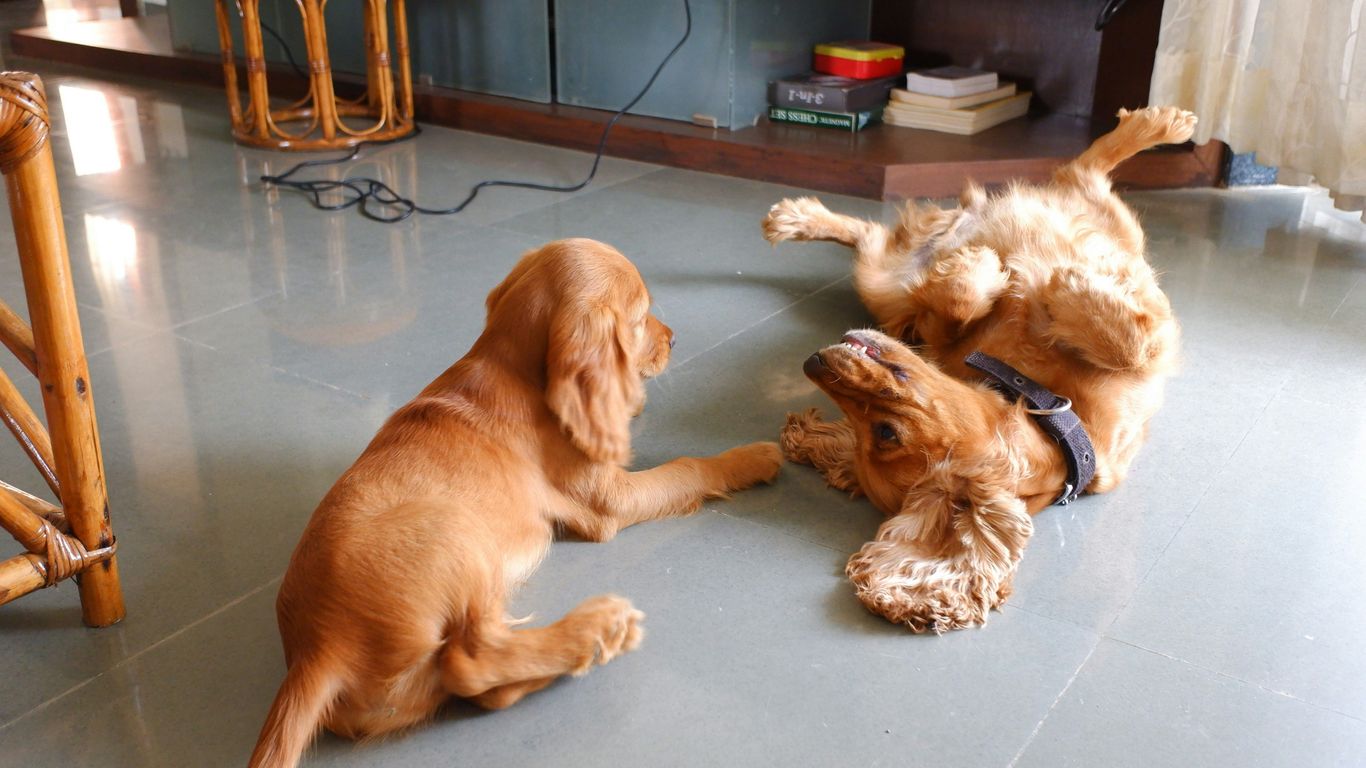
Getting a new puppy means a lot of excitement, but also a handful of challenges—trust me, I’ve had many shoes meet their end thanks to sharp puppy teeth. Learning how to manage typical puppy behaviors early will make your life easier and set up your dog for good habits as they grow.
Managing Chewing And Biting
Chewing and biting are completely normal for puppies, especially since they’re teething and exploring the world with their mouths. Redirecting your puppy to appropriate chew toys is really the best way to protect your belongings and fingers. Here are some pointers:
- Keep a variety of safe chew toys within reach.
- If your puppy nips or chews on you, stop play immediately—this teaches them that biting means playtime ends.
- Rotate toys so interest stays high and the novelty doesn’t wear off.
Puppies aren’t trying to be bad by chewing; they just need help learning what’s acceptable to sink their teeth into.
Preventing Jumping On Guests
A jumping puppy might be cute at first, but when they get bigger, it can quickly cause problems—or even scare people. Training starts by helping them understand that sitting politely leads to attention:
- Ask guests to ignore your puppy if they jump.
- Wait for your puppy to sit before giving praise or treats.
- Practice greetings with the same routine every time, building a predictable habit.
Jumping is basically your dog shouting “Yay, you’re here!”—with four paws instead of one voice. Setting up rules right away makes a huge difference. For more tips about creating predictable routines, take a look at raising a puppy requires patience.
Dealing With Barking At Passersby
Puppies bark at people or animals outside for lots of reasons: excitement, wanting to play, or sometimes feeling unsure. The goal here is to show them a better response:
- Reward calm behavior whenever your puppy watches someone pass by without barking.
- Teach a quiet cue—say “quiet,” then reward them when they stop barking.
- Block the view if barking becomes too much for your puppy to handle just yet.
Consistency is key. Puppies learn best when the rules make sense to them and don’t change from one day to the next. With time, your puppy will settle down, and both of you will enjoy walks and guests a lot more.
Choosing The Right Puppy Training Approach
So, you’ve got a new furry friend and you’re ready to get down to business with training. That’s awesome! But with so many different ways to train, how do you pick the one that’s best for you and your pup? It can feel a bit overwhelming, but let’s break it down.
The Benefits Of Online Puppy Training
Online training has really taken off, and for good reason. It’s super convenient, letting you train on your own schedule, right in your own home. No need to rush to a class after work or wrangle a wiggly puppy into the car. You can rewatch lessons as many times as you need, which is great because puppies learn at their own pace. Plus, you can often find specialized courses that focus on exactly what you need, whether it’s potty training or tackling those pesky puppy nipping habits. It’s a flexible way to get solid guidance without a lot of extra hassle.
Understanding Progressive Training Methods
Progressive training is all about taking things step-by-step. Think of it like building blocks. You start with simple stuff in a quiet place, and as your puppy gets the hang of it, you slowly add more challenges. This means gradually introducing distractions or making commands a little harder. It’s important because if you ask too much too soon, your puppy can get overwhelmed and just shut down. They aren’t being stubborn; they’re just overloaded! Knowing when to move to the next level is key to making sure your puppy actually learns and doesn’t just get stressed out.
Here’s a simple way to think about it:
- Start Simple: Teach a command like ‘sit’ when there are no distractions.
- Add a Little: Once ‘sit’ is solid, ask for it when there’s a little background noise.
- Increase Difficulty: Gradually add more distractions, like other people or dogs nearby, or ask for a ‘sit’ for a longer period.
- Maintain Positivity: Always use rewards and keep it fun!
The goal with progressive training is to build your puppy’s confidence and understanding by ensuring they are successful at each stage before moving on. This prevents frustration for both of you and makes the learning process much more enjoyable.
When To Seek Professional Guidance
While online resources and progressive methods are fantastic, sometimes you just need a human expert. If you’re struggling with a specific behavior that just won’t budge, or if your puppy is showing signs of fear or aggression, it’s definitely time to call in a pro. A good trainer can assess your unique situation, offer personalized advice, and help you get back on track. Group classes can be great for socialization, but if your puppy is easily overwhelmed or has specific issues, a private session might be a better fit. Don’t hesitate to reach out for help – it’s a sign of a responsible owner who wants the best for their dog.
Picking the right way to train your puppy is super important for a happy dog and a happy you! There are many ways to teach your furry friend, from using treats and praise to other methods. It’s all about finding what works best for your dog and your family. Want to learn more about the different training styles and how to choose the perfect one? Visit our website for expert tips and guidance!
You’ve Got This!
Bringing a new puppy home is exciting, and teaching them good habits from the start makes all the difference. Remember, consistency is key, and every little step you take builds a stronger bond with your furry friend. Don’t get discouraged by the occasional accident or setback; it’s all part of the process. With patience and the right approach, you’ll have a well-behaved companion you can be proud of. Enjoy the journey!
Frequently Asked Questions
When is the best time to start training my puppy?
It’s best to start training your puppy as soon as possible, even as early as 8 weeks old. Puppies are like little sponges when they’re young and can learn a lot quickly. Waiting until they’re older or have bad habits can make training much harder.
What’s the most important first command to teach my puppy?
A great first command is ‘sit.’ It helps with impulse control, which is like teaching your puppy to ask nicely instead of demanding things. You can start using ‘sit’ before meals or playtime.
How often should I take my puppy outside to potty?
At first, take your puppy out every hour or two. Always take them out after they wake up, after eating or drinking, and after playing. This helps prevent accidents inside.
What’s the difference between online and in-person puppy training?
Online training lets you control the learning environment, pick your own training times, and rewatch lessons. In-person classes can be distracting with other dogs and people, and private trainers can be expensive and only there for a short time.
My puppy keeps biting and chewing. What should I do?
It’s normal for puppies to bite and chew, especially when they’re teething. Teach them what’s okay to chew (like toys) and what’s not (like your hands or furniture) using positive training methods. Make sure they have plenty of appropriate chew toys.
What is ‘progressive training’?
Progressive training means starting with simple tasks in a quiet place and slowly adding more difficult skills and distractions as your puppy gets better. This prevents your puppy from getting overwhelmed and helps them learn more effectively.