
Having a puppy who’s a bit shy can be tough. You want them to feel comfortable and confident, but it’s not always straightforward. If you’re looking for ways to help your little one blossom, you’ve come to the right place. We’re going to explore how a fun activity called tracking can be a game-changer for puppy training for shy dogs. It taps into their natural instincts and helps them build self-assurance, one scent at a time. Let’s get started on this journey to a more confident pup!
Key Takeaways
- Shy puppies often need gentle guidance and positive experiences to build confidence. Early socialization is important, but even older puppies can learn to feel more secure.
- Tracking is a great activity for shy dogs because it uses their natural scenting abilities, giving them a focus that isn’t scary.
- Start tracking training in a safe, familiar place with simple trails. Always use positive rewards like treats or praise to encourage your puppy.
- Gradually make tracking harder by adding turns, longer distances, or simple obstacles. Practicing in new, calm environments helps too.
- Beyond tracking, simple scent games, basic obedience, and controlled positive interactions with others can also help your shy puppy feel more secure and trusting.
Understanding Canine Shyness and Building Confidence
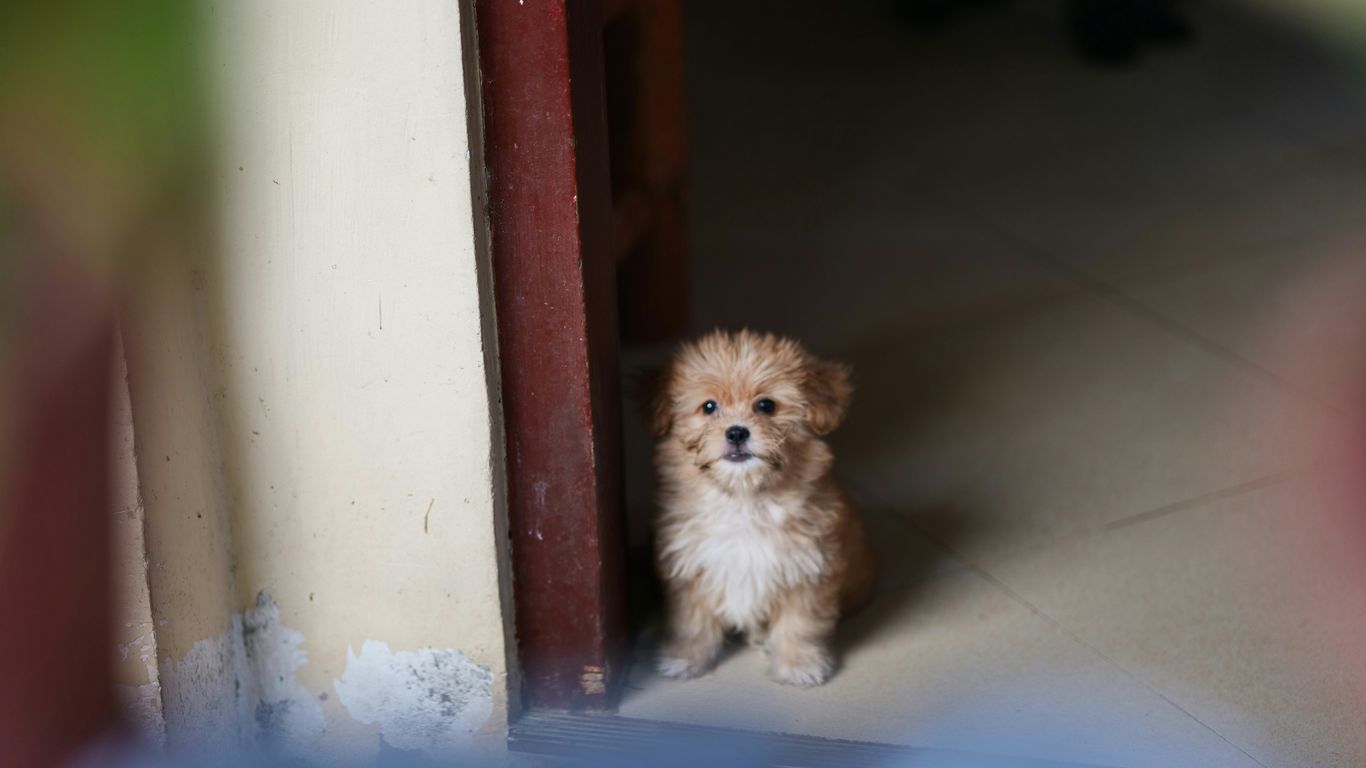
Recognizing Signs of Shyness in Puppies
It can be tough to see your puppy scared of things. Shyness in dogs isn’t always obvious. Some puppies might hide or tremble when they encounter something new, like a strange noise or a person they don’t know. Others might show it by avoiding eye contact, tucking their tail, or even licking their lips a lot. Sometimes, a puppy might seem a bit withdrawn, not wanting to explore or play as much as other pups their age. Paying close attention to your puppy’s body language is key to understanding their comfort level.
Here are some common signs:
- Body Posture: Lowered head, tucked tail, crouching low to the ground.
- Facial Expressions: Wide eyes, furrowed brow, lip licking, yawning.
- Vocalizations: Whining, whimpering, or silence when usually vocal.
- Behavior: Hiding, trembling, trying to escape, freezing in place, or avoiding interaction.
The Critical Role of Early Socialization
Think of a puppy’s early weeks as a sponge for information. Between about 3 and 14 weeks old, they are in a prime window for learning what the world is all about. This is when they figure out what’s safe and what’s not. If a puppy doesn’t get enough positive experiences with different sights, sounds, people, and other animals during this time, they might grow up feeling unsure about new things. It’s not that they’re bad dogs; they just missed out on learning that the world can be a friendly place. Getting your puppy exposed to a variety of things in a good way is super important for their future well-being.
Why Confidence Building is Essential
Building confidence in a shy puppy isn’t just about making them less fearful; it’s about helping them feel capable and secure. When a puppy learns to trust their own abilities and their handler, they can face challenges with more bravery. This leads to a happier, more well-adjusted dog who can enjoy life more fully. It means they can handle everyday situations, like vet visits or meeting new people, without becoming overwhelmed. A confident dog is a dog that can truly relax and be themselves.
Tracking: An Ideal Puppy Training Method for Shy Dogs
How Tracking Engages a Shy Dog’s Natural Instincts
Shy puppies often feel overwhelmed by the world around them. Loud noises, new people, or even unfamiliar environments can make them want to retreat. Tracking taps into something deep within your puppy: their incredible sense of smell. It’s a natural behavior for dogs to use their noses to explore and understand their surroundings. When you introduce tracking, you’re essentially giving your shy puppy a job that plays to their strengths. They get to focus on a scent, a task that is inherently rewarding and requires their full attention. This focused engagement helps redirect their energy away from anxiety and towards a positive, achievable goal. It’s like giving them a superpower to concentrate on, making the world a little less scary.
Mental and Physical Benefits of Tracking
Tracking isn’t just about sniffing. It’s a full-body, full-mind workout for your puppy. Physically, they’re moving, often at a brisk pace, covering ground and using their muscles. This is great for burning off nervous energy that can contribute to shyness. Mentally, it’s even more impactful. Your puppy has to think, problem-solve, and stay focused. They learn to ignore distractions because the scent is their primary guide. This mental stimulation is incredibly satisfying for a dog and can significantly reduce stress. Think of it as a puzzle they can solve with their nose!
Here are some key benefits:
- Reduced Anxiety: Focusing on a scent trail distracts from worries.
- Increased Focus: Puppies learn to concentrate on a single task.
- Physical Outlet: Provides healthy exercise and energy release.
- Boosted Self-Esteem: Successfully completing a track builds confidence.
Achieving a Sense of Accomplishment Through Scent Work
Every time your shy puppy successfully follows a scent trail and finds the reward at the end, they experience a win. This feeling of accomplishment is huge for building confidence. They learn that they can do things, that they can succeed, even in a world that might seem a bit daunting. It’s a tangible reward for their effort. This positive reinforcement loop – effort leading to success, success leading to praise and treats – is incredibly powerful for a timid dog. They start to associate these activities with positive outcomes, which can spill over into other areas of their life, making them more willing to try new things and less fearful of the unknown.
Getting Started with Tracking for Shy Puppies
Starting tracking with a shy puppy might seem a bit daunting, but it’s actually a fantastic way to build their confidence. The key is to make it a positive and safe experience from the get-go. We want our pups to associate this new activity with good things, not stress.
Creating a Safe and Familiar Training Environment
First things first, pick a spot where your puppy feels totally at ease. This could be your own backyard, a quiet corner of a park you visit often, or even inside your house if it’s spacious enough. The goal is to minimize any outside distractions or potential scares. A comfortable environment is the foundation for a confident puppy. Think of it as their safe zone where they can explore and learn without feeling overwhelmed. We’re not trying to win any competitions here; we’re just trying to help our shy friends discover their own capabilities.
The Power of Positive Reinforcement
This is where the magic happens. Every single time your puppy shows interest in the scent, follows the trail even a little bit, or successfully finds the reward, shower them with praise and a high-value treat. These treats should be something extra special, not their everyday kibble. Think tiny pieces of cheese, cooked chicken, or whatever your pup goes wild for. This positive feedback loop is what teaches them that tracking is fun and rewarding. It builds their self-esteem with every successful step. You can explore some fun dog confidence games that also use positive reinforcement.
Gradually Increasing Track Complexity
Don’t rush this process. Start super simple. We’re talking about a short, straight line with the scent item placed right at the end. As your puppy gets the hang of it, you can slowly make things a little more challenging. This might mean:
- Adding a gentle turn or two.
- Making the trail a bit longer.
- Using a slightly less obvious scent item (like a favorite toy instead of a treat).
It’s all about building on small successes. If your puppy seems hesitant or confused, it’s a sign to dial it back a notch. Patience is your best friend here. Remember, the aim is to build confidence, not to create frustration.
Building trust and confidence with a shy dog is a marathon, not a sprint. Celebrate every small victory and always end your training sessions on a positive note, leaving your puppy eager for the next session.
A Step-by-Step Guide to Tracking Training
Getting your shy puppy involved in tracking can be a really rewarding experience. It taps into their natural instincts and gives them something positive to focus on, which is great for building their confidence. We’ll start simple and build up from there, making sure your puppy feels safe and successful every step of the way.
Introducing Your Puppy to Scent
Before we even think about trails, let’s get your puppy familiar with the idea of following a scent. You can start with something simple, like a favorite toy or a small piece of cloth that has your scent on it. Let your puppy sniff it thoroughly. When they show interest, give them a high-value treat or some enthusiastic praise. The goal here is to make interacting with this specific scent a really positive experience. This initial scent introduction is key to building their willingness to follow.
Setting Up Simple Scent Trails
Once your puppy is comfortable with the scent item, it’s time to lay down a very basic trail. Start in a quiet, familiar area, like your backyard. Walk a few steps, maybe 10 to 15, and then place the scent item at the end. Encourage your puppy to find it. When they do, celebrate with treats and praise! Keep these first trails short and straight. We want them to succeed easily and feel good about it. You can even make a little "Y" shape with the trail if you want to introduce a very slight decision point, but keep it super simple at first.
Gradually Increasing Track Complexity
As your puppy gets the hang of simple trails, we can start making things a little more challenging. This is where we slowly increase the distance of the trail, maybe to 20 or 30 steps. We can also introduce a single, gentle turn. Remember to keep rewarding them for every correct step they take. If they get a little lost, don’t worry. You can gently guide them back towards the scent or even re-lay a small portion of the track. The idea is to build their confidence, not to frustrate them. We want them to feel like they’re figuring it out.
Practicing in New Environments
Once your puppy is confidently tracking in a familiar spot, it’s time to branch out. Find a new location, but keep it relatively low-distraction at first. A different, quiet park or a friend’s yard can work well. The new sights and smells can be a bit overwhelming, so start with very short, simple trails again in this new place. This helps them learn that they can use their nose to find their way even when things look and smell different. It’s all about generalizing their skills and showing them they can be successful in various settings.
Building trust is paramount. Always ensure your puppy feels safe and supported. If they show signs of stress or hesitation, it’s a signal to simplify the task or take a break. Patience and positive reinforcement are your best tools here.
Complementary Activities for Shy Dog Training
While tracking is a fantastic way to build confidence, it’s not the only tool in your toolbox. There are other activities that can help your shy puppy blossom.
Exploring Scent Work Games
Think of scent work games as a more casual, low-pressure version of tracking. You can hide treats or favorite toys around the house or yard and encourage your puppy to find them. This taps into their natural sniffing instincts and rewards them for using their nose. It’s a great way for them to explore their environment and build confidence in their own abilities without feeling overwhelmed.
- Hide treats in different locations: Start easy, like under a blanket, then progress to more challenging spots.
- Use a variety of scents: Different toys or even a bit of your own scent can make it interesting.
- Keep sessions short and fun: End on a positive note before your puppy gets tired or frustrated.
The Value of Basic Obedience Commands
Don’t underestimate the power of basic obedience. Commands like ‘sit,’ ‘stay,’ and ‘come’ do more than just teach manners. When your shy puppy reliably responds to these cues, it reinforces their understanding of your expectations and builds their self-assurance. They learn that they can do what you ask, which is a huge confidence booster. Practicing these in a quiet, familiar setting first is key.
Controlled Socialization Experiences
Socialization doesn’t always mean a big dog park. For a shy puppy, controlled and positive interactions are much more effective. This could mean meeting one calm, well-behaved dog in a neutral space, or having a quiet visitor over who understands how to approach a timid dog. The goal is to create positive associations with new people and animals, rather than overwhelming them. Gradual exposure in a safe way is the name of the game.
It’s important to remember that forcing a shy puppy into situations they find scary will likely backfire. Instead, focus on creating positive experiences and letting them set the pace. Their comfort and trust are paramount.
Building Trust and Respect with Your Shy Puppy
Working with a shy puppy means you’re building a relationship from the ground up, and that takes time and patience. It’s all about making sure your puppy feels safe and understood. This is the foundation for everything else you’ll do together.
Establishing a Safe Haven for Your Puppy
Every puppy needs a place where they can go to feel completely secure. Think of it as their personal retreat. This could be a cozy crate, a corner of a room with a soft bed, or even a designated spot under a table. The key is that this space is theirs, and no one, not even you or other family members, should bother them when they’re there. It should be a place where good things happen, like getting a special treat or a quiet moment of rest. This helps them associate the space with positive feelings and gives them a sense of control.
Avoiding Punishment and Understanding Fear
When a puppy is shy, they’re often acting out of fear. Punishing them for being scared, like yelling or scolding when they hide or tremble, will only make things worse. It can damage the trust you’re trying to build and increase their anxiety. Instead, try to figure out what’s making them nervous. If you can, gently guide them away from the scary thing. Rewarding them for showing any sign of bravery, even just looking at something that scares them from a distance, is much more effective. Remember, their fearful reactions are their way of communicating discomfort.
It’s easy to forget that our dogs experience the world differently than we do. What seems normal or non-threatening to us might be overwhelming for a shy puppy. Patience and observation are your best tools here. Pay attention to their body language – the tucked tail, the wide eyes, the lip licking – these are all clues that they’re feeling uneasy.
Respecting Your Puppy’s Personal Space
Just like people, dogs have personal space boundaries. For a shy puppy, these boundaries are even more important. Avoid forcing interactions, like hugging or picking them up, especially when they seem hesitant. Let your puppy come to you. You can encourage them by tossing a treat a short distance away or by speaking in a soft, inviting tone. If they choose to approach, that’s a great sign! If they don’t, respect their decision and try again later. Building trust means accepting their cues and not pushing them too hard.
Positive Interactions Over Force
Focus on making every interaction a positive one. Instead of direct eye contact, which can be intimidating for some dogs, try tossing treats behind them so they have to turn and get them. This allows them to approach you on their own terms. Games like fetch or gentle tug-of-war can also be great for building a bond. The goal is to create a partnership where your puppy feels secure and happy to engage with you. Remember, consistent positive reinforcement, like giving praise or treats within seconds of a desired behavior [9b44], is key to helping your shy puppy gain confidence.
Building a strong connection with a timid puppy takes patience and understanding. Gentle methods and positive encouragement are key to helping them feel safe and confident. Learn how to create a nurturing environment where your shy pup can truly blossom. Visit our website to discover effective strategies for building trust and respect with your sensitive companion.
Wrapping Up: A More Confident Pup
So, you’ve learned a bit about why some pups get shy and how activities like tracking can really help them come out of their shell. It’s not always a quick fix, you know? Building confidence takes time and a lot of patience. But seeing your dog go from timid to a little more sure of themselves is pretty awesome. Just keep at it, celebrate those small wins, and remember that a happy, confident dog is a joy to have around. You’ve got this!
Frequently Asked Questions
What are the main signs that my puppy is shy?
A shy puppy might hide, tremble, or try to avoid looking at new people or things. They might also tuck their tail, yawn a lot, or lick their lips when they feel uneasy. Sometimes, they just freeze up or seem scared to explore new places or meet new friends.
Why is early socialization so important for puppies?
During their first few months, puppies learn what’s safe and what’s not. If they don’t see and experience many different things – like various people, sounds, and places – in a positive way, they might become fearful or shy later on. It helps them grow into well-adjusted adult dogs.
How does tracking help a shy puppy gain confidence?
Tracking uses a puppy’s natural sense of smell. When they focus on following a scent, they forget about what might be making them nervous. Successfully finding the scent trail gives them a great sense of achievement, which builds their self-esteem and makes them feel braver.
What’s the best way to start tracking training with a shy puppy?
Begin in a place your puppy already feels safe, like your backyard. Keep the first few scent trails very short and simple. Always use treats or praise they love to reward them for following the scent. The key is to go slowly and make every step a positive experience.
Besides tracking, what other activities can help my shy puppy?
Simple scent games, where you hide treats for them to find, are fantastic. Practicing basic commands like ‘sit’ and ‘stay’ also helps them feel more in control. Controlled playdates with calm, friendly dogs can also be beneficial, but make sure they are positive and not overwhelming.
How can I build trust and respect with my shy puppy?
Always give your puppy a safe space where they can go to feel secure. Never punish them for being scared; instead, try to understand what’s making them nervous and help them move away from it. Respect their personal space and don’t force interactions. Focus on positive experiences and let them come to you.