
Bringing a new puppy home is exciting, but it also means getting ready for a lot of training. Puppies grow fast, and there are certain puppy training milestones you’ll want to hit along the way. You can’t teach a tiny pup advanced tricks, but you can start with the basics pretty early. Knowing these stages will help you guide your furry friend as they learn and grow into a well-behaved companion. Let’s look at what you can expect and when.
Key Takeaways
- Building trust and a predictable routine with your puppy is the first step, creating a safe space for them to learn.
- The period between 8 and 16 weeks is vital for socialization, exposing your puppy positively to new things.
- Basic commands like ‘sit,’ ‘stay,’ and ‘come’ are building blocks for good manners and safety.
- Consistent potty training and teaching impulse control, like polite play, are important for a well-adjusted dog.
- As your puppy grows, gradually introduce more challenges like leash walking, distractions, and independence through crate training.
Early Foundations: Building Trust and Structure
Bringing a new puppy home is exciting, but it’s also the start of a journey that requires patience and a clear plan. The first few weeks are all about setting the stage for a happy, well-adjusted dog. This means focusing on two main things: building a strong relationship with your pup and creating a predictable routine.
Establishing a Safe and Secure Environment
Your puppy needs to feel safe and comfortable in their new surroundings. This isn’t just about having a cozy bed; it’s about how you interact with them. Avoid overwhelming your puppy with too many new people or experiences right away. Instead, let them explore their immediate space at their own pace. Make sure they have a designated spot, like a crate or a comfy bed, where they can retreat and feel secure. This private space is theirs alone and should be respected.
Creating an environment where your puppy feels secure is the absolute first step. It’s the bedrock upon which all future training and bonding will be built. If they don’t feel safe with you, learning becomes a struggle.
The Importance of Relationship Building
Think of this as the foundation for everything else. Your puppy is looking to you for guidance and reassurance. The stronger your bond, the more receptive they’ll be to training. Use positive reinforcement, like praise and treats, to reward good behavior. Playtime is also a fantastic way to connect. Make sure your interactions are positive and build trust. This early connection is key to preventing future behavioral issues and fostering a lifelong partnership.
Creating a Predictable Daily Structure
Puppies thrive on routine. A consistent schedule helps them understand what to expect throughout the day, which reduces anxiety and makes training easier. This structure should include:
- Feeding times: Regular meal times help regulate their digestion and potty habits.
- Potty breaks: Frequent trips outside, especially after waking up, eating, and playing.
- Training sessions: Short, frequent sessions are more effective than long, infrequent ones.
- Playtime: Dedicated time for fun and exercise.
- Rest periods: Puppies need a lot of sleep to grow and process information.
Having a set schedule helps your puppy feel secure and understand the household rhythm. It’s a simple yet powerful tool for managing their behavior and promoting good habits from the start.
The Critical Socialization Window: 8 to 16 Weeks
This period, roughly from 8 to 16 weeks old, is like a sponge for your puppy. They’re incredibly curious and absorbing everything about the world around them. It’s the prime time to introduce them to new experiences in a positive way. Think of it as building their confidence for life.
Exploring the World with Curiosity
Your puppy is naturally eager to check things out. This is the perfect time to let them explore their surroundings. Take them on short, supervised outings to different places. Let them sniff new smells, see different textures under their paws, and just observe. The goal here is to show them that the world is an interesting, not a frightening, place. You can start by just sitting on your porch and letting them watch the world go by.
Introducing New Sights and Sounds
Puppies need to get used to the everyday noises and sights they’ll encounter. This includes things like traffic, vacuum cleaners, doorbells, and even the clatter of dishes. You can start by playing recordings of these sounds at a low volume while your puppy is relaxed or eating. Gradually increase the volume and duration as they get more comfortable. Seeing different objects, like umbrellas or bicycles, from a distance can also help them get used to them without feeling overwhelmed. It’s all about making these new things seem normal and not scary.
Positive Encounters with People and Other Dogs
This is where careful planning comes in. Once your puppy has had their necessary vaccinations, start introducing them to new people and well-behaved, vaccinated dogs. Keep these interactions short and sweet. For meeting new people, have them offer a treat or a gentle pet. When meeting other dogs, a controlled environment is best. Maybe a friend with a calm, adult dog can come over. The key is positive association; you want your puppy to think that meeting new friends is a good thing. A controlled introduction can help prevent fear or aggression later on. You can find more tips on socializing your puppy at Puppyhood Made Easy.
During this critical window, every new experience shapes your puppy’s future outlook. Aim for quality over quantity, ensuring each encounter is positive and not overwhelming. This builds a foundation of confidence and adaptability that will serve them well throughout their lives.
Mastering Basic Commands: Sit, Stay, and Come
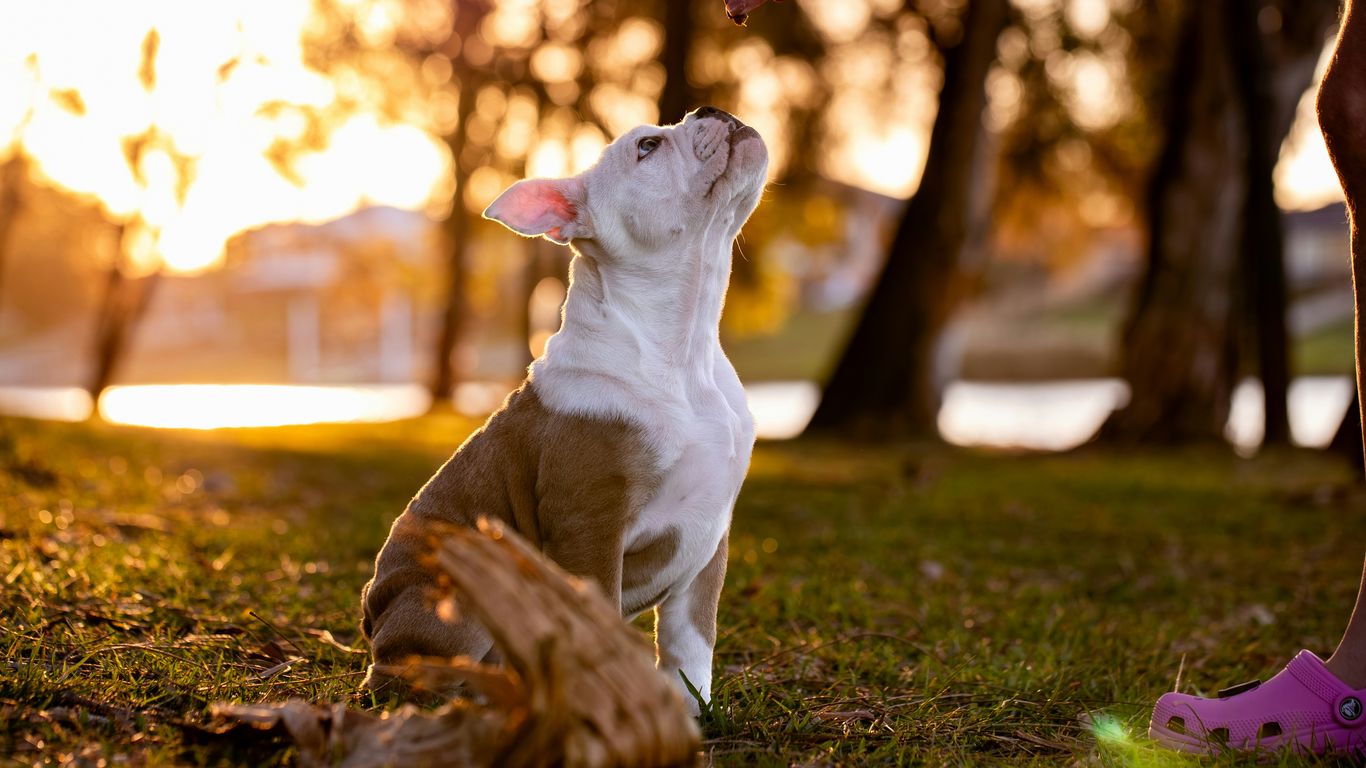
Alright, let’s talk about the core commands that will make life with your puppy so much smoother: Sit, Stay, and Come. These aren’t just tricks; they’re the building blocks for good behavior and a strong connection between you and your furry friend. Getting these down early really sets you up for success.
Teaching Sit for Everyday Interactions
Teaching your puppy to sit is often the first command people tackle, and for good reason. It’s a simple way to get your puppy to pause and focus on you, which is super useful in tons of situations. Think about it: before you put their food bowl down, before you open the door to go outside, or even just when you want them to calm down for a moment. A well-timed ‘sit’ can prevent a lot of unwanted behaviors.
To teach ‘sit’, you can use a treat. Hold it near your puppy’s nose and slowly move it up and back over their head. As their nose follows the treat, their rear end will naturally lower. The moment their bum hits the floor, say "Sit!" in a happy tone and give them the treat and some praise. Keep sessions short and fun, especially at first. You want them to associate ‘sit’ with good things.
Introducing the Concept of ‘Stay’
Once your puppy has a handle on ‘sit’, introducing ‘stay’ is the next logical step. This command teaches your puppy patience and self-control. It’s about them learning to remain in a specific position until you release them. This is incredibly helpful for safety, like when you need to open a door without them bolting out, or when you’re having guests over and want them to settle.
Start with ‘sit’ and ask your puppy to stay. Take just one step back, and if they remain seated, step back towards them, praise them, and give a treat. Gradually increase the distance you step back and the amount of time they need to stay. If they get up, don’t scold them; just gently guide them back to their spot and try again with a shorter duration or distance. It’s all about building up their ability slowly.
Encouraging a Reliable Recall
Ah, the ‘come’ command. This is arguably the most important command for your puppy’s safety. A reliable recall means your puppy will come running to you when called, no matter what distractions are around. This can literally be a lifesaver if they ever slip their leash or wander too far.
Start practicing ‘come’ in a quiet, enclosed space. Use an enthusiastic tone and maybe even get down on their level. When they start moving towards you, praise them. The moment they reach you, reward them with a high-value treat and lots of affection. You can also practice this by calling them when they are already heading towards you, like when they are following you around the house. Make coming to you the best thing ever! As they get better, you can gradually introduce more distractions and practice in different environments. Remember, always make coming to you a positive experience; never call your puppy to punish them.
Building a strong recall takes time and consistent practice. Always end training sessions on a positive note, and celebrate every success, no matter how small. This positive reinforcement helps build their confidence and eagerness to respond to your cues.
Developing Good Manners: Potty Training and Impulse Control
This stage is all about teaching your puppy the basics of living politely in your home. It covers two big areas: getting them to do their business outside and helping them learn to wait for things instead of just grabbing.
Consistent Potty Training Routines
Potty training can feel like a marathon, not a sprint, but consistency is your best friend here. The goal is to help your puppy understand where and when it’s okay to go. This means taking them out frequently, especially after waking up, after playing, and after eating. When they successfully go potty outside, lots of praise and a small treat go a long way. If accidents happen inside (and they will!), avoid punishment. Just clean it up thoroughly and try to be more vigilant next time. Setting a timer to take your pup out every couple of hours is a solid strategy. Take them to a specific spot in the yard each time to help them associate that area with potty breaks.
Teaching Polite Play and Bite Inhibition
Puppies explore the world with their mouths, and that includes your hands and feet! Teaching bite inhibition is about showing them that mouthing is okay, but hard bites aren’t. When your puppy bites too hard during play, let out a yelp and briefly stop playing. This teaches them that their actions have consequences. Gradually, you’ll want to redirect their chewing onto appropriate toys. This is also where commands like ‘drop it’ start to become really useful, teaching them to release something they have in their mouth.
Practicing Self-Control Exercises
Impulse control is basically teaching your puppy to think before they act. A simple way to start is by asking for a ‘sit’ before giving them their food bowl or before engaging in playtime. This teaches them patience and that good things come to those who wait. You can also practice waiting for a toy to be thrown or waiting at the door before going outside. These small moments of self-control build a foundation for better behavior as they grow.
Here’s a quick look at what to aim for:
- Potty Training: Aim for fewer accidents indoors and more success outside.
- Bite Inhibition: Puppy learns that hard bites stop play.
- Impulse Control: Puppy can wait for a moment before getting something they want.
Remember, every puppy learns at their own pace. Celebrate the small wins and don’t get discouraged by setbacks. Building good manners takes time and a lot of positive reinforcement.
Expanding Skills: 3 to 6 Months
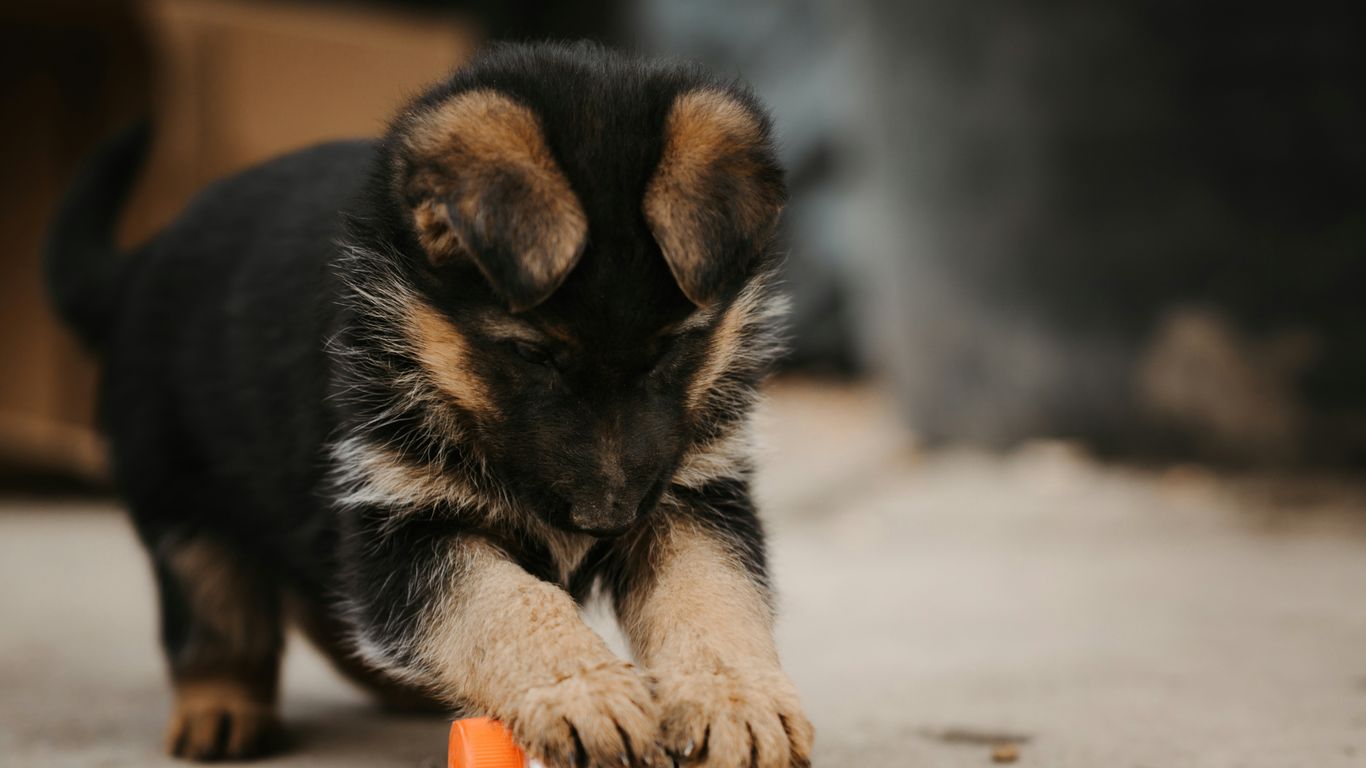
Alright, so your puppy is hitting that 3 to 6-month mark. This is a really exciting time because they’re starting to get the hang of things, and you can really begin to build on that foundation you’ve worked so hard on. Think of it as leveling up their training. They’re not tiny babies anymore, and they’ve got more stamina and focus, which means you can introduce some new challenges and really solidify what they already know.
Introducing Leash and Harness Familiarity
If you haven’t already, now’s the time to get your pup comfortable with a leash and harness. It might seem simple, but this is a big deal for them. Start by letting them wear the harness around the house for short periods while you’re right there. Make it a positive experience with treats and praise. Once they’re okay with that, clip on the leash and let them drag it around under supervision. The goal here is for them to associate the gear with good things, not something restrictive or scary. We want them to see it as the ticket to going on adventures with you.
Reinforcing Commands with Distractions
This is where the real fun begins. Your puppy knows ‘sit,’ ‘stay,’ and ‘come’ in a quiet living room, but can they do it at the park with squirrels running around? Probably not yet, and that’s okay! We need to introduce the ‘3 Ds’ – distance, duration, and distractions. Start small. Ask for a ‘sit’ from a few feet away. Then, ask them to hold that ‘sit’ for a few seconds longer than usual. Finally, add a distraction, like someone walking by. It’s a gradual process. Don’t expect perfection overnight; consistency is key.
Here’s a little breakdown of how to introduce distractions:
- Low Distraction: Practice in your backyard or a quiet street.
- Medium Distraction: Try a less crowded park or a friend’s yard.
- High Distraction: Head to busier areas, but always keep your puppy safe and under control.
Building Independence Through Crate Training
By now, your puppy should be getting pretty good at spending time in their crate. If they aren’t, it’s time to really focus on making that crate a positive den for them. This isn’t just about potty training; it’s about teaching your puppy that they can be comfortable and safe even when you’re not right beside them. Start with short periods, maybe while you’re just in another room, and gradually increase the time. Leave them with a special chew toy or a puzzle feeder to keep them occupied and happy. This builds their confidence and helps prevent separation anxiety down the line.
This stage is all about building on what your puppy already knows and gently pushing their boundaries. It’s about showing them that the world is a big, exciting place, and they have the skills to explore it safely and confidently with you by their side. Remember to keep training sessions short, fun, and rewarding. If your puppy is struggling, it’s okay to take a step back and make it easier for them. We’re building a partnership here, not a military operation.
Adolescent Refinements: 6 Months to 1 Year
This stage, from six months to a year, is like your puppy’s teenage years. They’ve got the basics down, but now it’s time to really polish those skills and prepare them for the wider world. It’s a period where consistency is your best friend, and you might even see a bit of backsliding, which is totally normal.
Advanced Command Work with the 3 Ds
Now that your dog knows ‘sit,’ ‘stay,’ and ‘come,’ we’re going to make those commands bomb-proof. The ‘3 Ds’ stand for Distance, Duration, and Distractions. We’re talking about asking your dog to stay for longer periods, come to you from further away, and do it all even when there’s a squirrel running by or a noisy garbage truck rumbling down the street. Using a long line outdoors is a great way to practice these skills safely. Remember to keep rewarding them, though you can start phasing out food treats for praise and affection more often.
Navigating Socialization in Public Spaces
Your dog is likely fully vaccinated now, so it’s time to explore more public areas. Think busy parks, outdoor cafes, or even just walking down a more populated street. The goal here isn’t just to be around other dogs and people, but to learn to remain calm and focused amidst the hustle and bustle. Positive experiences are key; if your dog seems overwhelmed, take a step back. It’s about quality interactions, not quantity. Matching your dog with calm, well-behaved companions is important for successful socialization. You can start training immediately upon arrival, keeping sessions short and fun puppy training.
Maintaining Training Through Potential Regression
Adolescence can bring out some unexpected behaviors. Your dog might suddenly seem to forget commands they knew perfectly, have accidents in the house, or become more mouthy. This is often a phase, and the best approach is to stick to your established routines and training schedule. Don’t get discouraged! It’s a sign that they’re growing and testing boundaries.
This period is about reinforcing the bond you’ve built. By staying patient and consistent, you’ll help your dog move through this phase with confidence.
Here’s a quick look at what to expect:
- Increased Independence: Your dog might start wanting to do things on their own.
- Testing Boundaries: They may push the limits of rules you’ve set.
- Physical Growth: They’re still growing, and their energy levels can be high.
It’s important to keep training sessions engaging. Try combining commands or introducing new, fun tricks to keep their minds sharp. For example, a fun sequence could be: Sit > Down > Stay > Come > Place. This keeps them thinking and prevents boredom, which can sometimes lead to unwanted behaviors.
Lifelong Learning: Beyond the First Year
So, your dog is officially a year old! It feels like just yesterday you brought that tiny ball of fluff home, and now you’ve got a grown-up (well, almost!). This is where the real fun begins, or at least, where you solidify all that hard work you’ve put in. Think of it as moving from basic math to algebra – you’re building on a solid foundation.
Solidifying Advanced Behaviors
By now, your dog should have a good handle on the basics like ‘sit,’ ‘stay,’ and ‘come.’ The next step is making those commands super reliable, even when life gets a little chaotic. We’re talking about adding in the ‘3 Ds’: distance, duration, and distractions. Can your dog hold a ‘stay’ while you’re across the yard? Can they ‘come’ when there’s a squirrel doing its best to get their attention? This is where a long leash can be your best friend for practicing recall in more open spaces. It’s also a great time to work on combining commands, like a ‘sit’ followed by a ‘down,’ or practicing ‘heel’ in busier areas. Remember, consistency is key here. Keep those training sessions short, positive, and frequent.
Continuing to Build a Strong Bond
Training isn’t just about commands; it’s about communication and connection. Even with a well-behaved dog, continuing to engage in training activities strengthens your relationship. Think about teaching new tricks – maybe ‘shake,’ ‘roll over,’ or even something more complex. These activities keep your dog’s mind sharp and reinforce that you’re a team. Puzzle toys and scent games are also fantastic ways to keep your dog mentally stimulated and engaged with you. It’s all about spending quality time together and showing your dog that learning with you is rewarding and fun.
Adapting Training to New Challenges
Life throws curveballs, and your dog’s training should be adaptable. Maybe you’re moving to a new home, introducing a new pet, or your dog is starting to show signs of aging. These are all situations where you might need to revisit some training basics or introduce new protocols. For instance, if you’re moving, you might need to re-establish potty routines in a new environment or work on leash manners in unfamiliar surroundings. If a new pet is joining the family, you’ll want to focus on calm introductions and ensuring your existing dog feels secure. It’s also important to recognize that dogs can experience ‘regression’ – periods where they seem to forget things they once knew. This is normal, especially during adolescence or times of change. Don’t get discouraged; just go back to basics, keep it positive, and celebrate the small wins.
Training is a journey, not a destination. What works for your dog today might need a tweak tomorrow. Stay patient, stay positive, and enjoy the process of growing with your canine companion. Every interaction is a chance to learn and strengthen your bond.
Learning about your dog doesn’t stop after the first year. Just like people, dogs benefit from ongoing training and new experiences throughout their lives. Keeping their minds active and bodies healthy helps them stay happy and well-behaved. Ready to explore more ways to connect with your furry friend? Visit our website for tips and resources!
Wrapping Up Your Puppy’s Training Journey
So, you’ve made it through the puppy training milestones! It’s been a journey, right? From those first wobbly steps with potty training and basic commands to more advanced stuff like recall and polite play, you’ve tackled a lot. Remember, every puppy learns at their own pace, so don’t get discouraged if some things took a little longer. The most important thing is that you’ve built a strong bond with your furry friend through patience and consistency. Keep up the good work, continue practicing, and enjoy the amazing companion you’ve helped shape!
Frequently Asked Questions
When should I start training my puppy?
You can begin training your puppy as soon as you bring them home, often around 8 weeks old. The key is to start with simple, positive methods. Early training helps build a strong bond and teaches good habits right from the start.
How long should training sessions be?
Keep training sessions short and sweet, especially for young puppies. Aim for about 5-10 minutes for very young pups and 10-15 minutes for slightly older ones. It’s better to have several short, fun sessions throughout the day than one long, overwhelming one.
What’s the most important thing to teach first?
Building trust and a good relationship with your puppy is the most important first step. After that, focusing on basic manners like potty training and impulse control, which often starts with a simple ‘sit’ command, is very helpful.
Why is socialization so important for puppies?
The period between 8 and 16 weeks is a crucial time for puppies to learn about the world. Positive experiences with different sights, sounds, people, and other dogs during this time help them grow into well-adjusted, confident adult dogs and prevent fear or aggression later on.
My puppy seems to forget things sometimes. What’s going on?
It’s common for puppies, especially around 6 months to a year old, to go through a phase called adolescence. During this time, they might seem to regress in their training. Just stay consistent with your routines and commands, and they’ll get back on track!
Is it too late to train an older dog?
While puppies learn best during their first few months, it’s never truly too late to teach an older dog new tricks or reinforce behaviors. However, building a foundation of trust and clear communication is much easier with younger pups. For older dogs, patience and consistency are even more important.