
When you bring a new puppy home, it’s exciting! But then come the training questions, and let me tell you, there’s a lot of confusing advice out there. Many common puppy training myths just don’t hold up when you look closer. They can actually make training harder or even lead to problems. Let’s clear up some of these common puppy training myths so you can focus on building a great relationship with your furry friend.
Key Takeaways
- Puppies aren’t trying to be ‘alpha’ or dominant; their behaviors stem from excitement, seeking attention, or lack of learned skills.
- Misinterpreting puppy actions as spite or malice is inaccurate; puppies live in the moment and don’t plan acts of revenge.
- Puppies don’t ‘know better’ when they misbehave; there’s always an underlying reason like distraction, lack of understanding, or stress.
- Aggressive dogs can be trained with patience and professional guidance, challenging the idea that some dogs are untrainable.
- Punishment, especially physical or verbal abuse, is harmful and ineffective for training; positive reinforcement is a much better approach.
Puppies Aren’t Trying To Be Alpha
Understanding Puppy Behavior Beyond Dominance
It’s easy to fall into the trap of thinking your puppy is trying to be the boss, or the “alpha,” of the household. You see them jump up, pull on the leash, or maybe even take a toy from you, and your mind immediately goes to dominance. But honestly, this idea comes from some really old studies on wolves that just don’t apply to our pet dogs and their relationships with us. Dogs aren’t really wired to establish a pecking order with their humans. Instead of thinking about dominance, let’s look at what’s actually going on. Puppies are just trying to figure things out, get your attention, or maybe they’re just excited. It’s more about them learning and communicating than trying to take over.
Why Puppies Jump, Pull, and Chew
So, why do puppies do all those things that look like they’re trying to be in charge? Well, it’s usually much simpler than that. When a puppy jumps on you, they’re probably just excited to see you or want you to interact with them. Leash pulling? They might just be eager to explore the world ahead or haven’t learned how to walk nicely beside you yet. And chewing? That’s a big one for puppies. They’re teething, exploring their environment with their mouths, or maybe they’re bored and need something to do. These behaviors aren’t about asserting control; they’re about a puppy’s natural instincts, their need for stimulation, and their lack of learned manners. It’s important to have the right tools for training, like a good leash and treats, to help guide them. Essential puppy training equipment can make a big difference.
The Dangers of Dominance-Based Training
Thinking your puppy is trying to be dominant can lead you down a path of training that’s actually harmful. If you believe your puppy is challenging you, you might try to “show them who’s boss.” This can involve harsh corrections or trying to physically intimidate them. But this approach doesn’t address the real reason for their behavior. Instead, it can make your puppy anxious and fearful. An anxious dog is more likely to develop other problems, including aggression. It damages the trust between you and your puppy and makes training much harder in the long run. It’s far better to focus on positive methods that build a strong, trusting relationship.
When we misinterpret puppy behavior through the lens of dominance, we risk creating fear and anxiety instead of fostering a confident, well-adjusted companion. The focus should always be on teaching and guiding, not on asserting control.
Here’s a quick look at common behaviors and what they really mean:
- Jumping: Excitement, seeking attention, or lack of training.
- Leash Pulling: Eagerness to explore, lack of leash manners.
- Chewing: Teething, exploration, boredom, or teething relief.
- Nipping: Playfulness, exploration, or teething.
Understanding these underlying reasons helps us respond with appropriate training and management, rather than reacting with dominance-based tactics.
Spite Isn’t Behind Puppy Misbehavior
Sometimes it feels like puppies are out to get us—chewing up your favorite shoes or having an accident right after you put on clean socks. But here’s the honest truth: puppies aren’t acting out of spite—it’s just not how their brains work. We might read human motivations into their behavior, but that’s rarely ever accurate. Dogs just don’t operate that way.
Puppies Live in the Moment, Not Malice
The biggest thing to keep in mind is that puppies react to what’s happening right now. They’re not plotting revenge because you left them home alone or didn’t give them that last piece of chicken. Their actions are about needs, instincts, and sometimes just plain boredom or curiosity. If a pup chews your remote, it’s usually because it smells interesting, feels good on their gums, or they needed to burn off energy—not because they’re making a statement about your Netflix choices.
When we stop expecting puppies to act with human motives, we can approach training with less frustration and more patience.
If you need a refresher, think about how dog psychology is different from human logic. It helps to avoid accidental misunderstandings with your pup.
Common Scenarios Misinterpreted as Spite
Plenty of everyday puppy misdeeds get labeled as spiteful, but they all have simpler explanations:
- Chewing shoes or furniture: Usually tied to teething, curiosity, or separation anxiety. Not revenge!
- Ignoring commands: Often caused by distraction, lack of practice, or unclear instruction—not rebellion.
- House accidents: Puppies have small bladders. If they go inside, more often than not, it’s urgency—not payback.
| Behavior | Real Reason | Not Spite! |
|---|---|---|
| Destroyed slippers | Teething/Anxiety | |
| Bathroom accident | Poor timing/Limited control | |
| Ignored command | Unclear training/Distraction |
Focusing on Understanding, Not Accusation
Getting to the bottom of why your puppy does something unwanted makes life better for everyone in the house. Instead of blaming them, try this approach:
- Pause and ask: What need does my puppy have right now?
- Check if your environment is helping or making things harder. Are there accessible chew toys? Easy-to-reach potty spots?
- When in doubt, remember puppies are learning with every experience. Our job is to guide them, not accuse them.
Next time your pup does something frustrating, remember: You’re dealing with a baby animal—not a tiny mastermind. Training gets a whole lot easier when you drop the grudge and work with their needs instead.
Puppies Always Know Better Is False
It’s a common thought, isn’t it? You tell your puppy to "Sit," and they just stare at you, maybe even wander off. You might think, "He knows what ‘Sit’ means, he’s just choosing not to listen!" This idea that puppies deliberately ignore rules because they "know better" is a big myth. Puppies aren’t little humans with a rebellious streak; they’re learning about the world and what you expect from them.
The Reality of Puppy Learning and Rules
Puppies don’t have the same understanding of rules and consequences that adult humans do. When a puppy doesn’t follow a command or breaks a house rule, it’s rarely out of defiance. Instead, there’s usually an underlying reason. They might be distracted, confused, tired, or simply haven’t fully grasped what you’re asking. Dogs do not inherently understand human rules or expectations. It’s our job to teach them clearly and patiently.
Identifying the True Reasons for Rule-Breaking
So, why does your puppy seem to ignore you? Let’s break it down:
- Lack of Understanding: They might not have fully learned the command or the rule. Training takes time and repetition, and sometimes we overestimate how much they’ve actually learned.
- Distraction: The world is full of exciting smells, sounds, and sights! A squirrel outside the window or another dog walking by can easily pull their attention away from your command.
- Environmental Factors: Is the floor too slippery for them to sit? Are they feeling unwell? Sometimes the environment itself makes it difficult for them to comply.
- Unmet Needs: A puppy who needs to go potty, is hungry, or is overly tired is less likely to focus on training.
Why ‘Acting Out’ Has Underlying Causes
When a puppy seems to be "acting out," it’s important to look beyond the surface behavior. Instead of assuming they’re being naughty on purpose, try to figure out what’s really going on. Are they seeking attention? Are they bored? Are they anxious about something? Understanding the root cause is key to addressing the behavior effectively. This is where clear communication and positive reinforcement come into play, helping your puppy learn what you want them to do rather than punishing them for not knowing. It’s about building a partnership, not enforcing dominance. Learning about puppy behavior can help you understand these motivations better.
Aggressive Dogs Can Be Trained
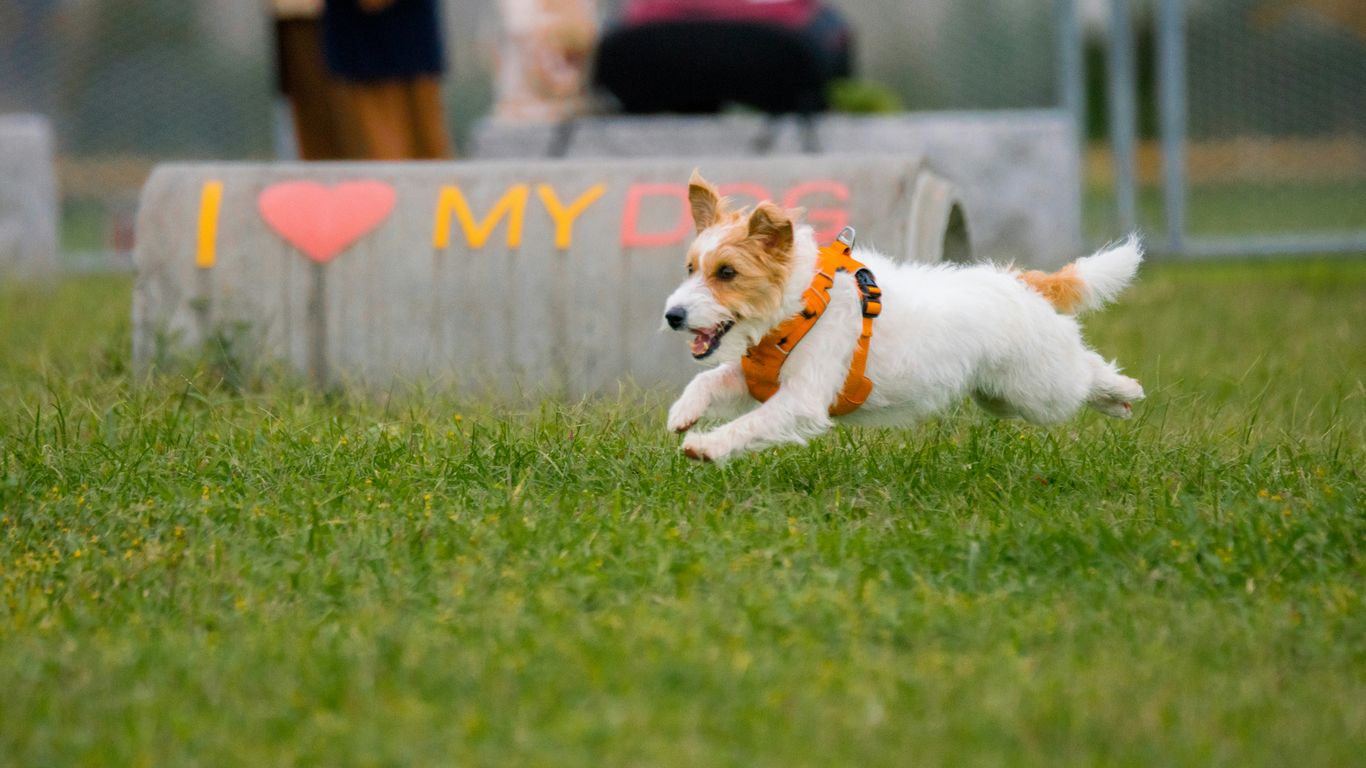
It’s a tough thing to hear, but sometimes dogs can act aggressively. Maybe they bark a lot, lunge at things, or even snap. It’s easy to feel like there’s no hope, like the dog is just wired that way and nothing can be done. People might tell you that aggressive dogs are a lost cause. But honestly, that’s just not true.
Challenging the Notion of Untrainable Dogs
Think about it this way: dogs are always learning, whether we mean for them to or not. Aggression is often a response to fear, anxiety, or frustration, not some inherent evil. It’s a behavior, and behaviors can be changed. You don’t have to accept aggression as a permanent state. It might take more effort and a different approach than training a puppy to sit, but it’s absolutely possible to help a dog manage their reactions and become more comfortable.
The Role of Professional Guidance
When a dog is showing signs of aggression, it’s really best to get some help. Trying to fix it on your own can sometimes make things worse, especially if you’re not sure what you’re doing. A good dog trainer or a veterinary behaviorist can look at your dog, figure out why they’re acting out, and create a plan just for them. They know how to read dog body language and can guide you through the process safely.
- Assessment: A professional will observe your dog’s behavior in different situations.
- Behavior Modification Plan: They’ll create a step-by-step plan tailored to your dog’s specific issues.
- Management Strategies: You’ll learn how to prevent situations that trigger aggression while you work on training.
- Training Techniques: They’ll teach you how to use methods that build confidence and reduce fear.
Patience and Positive Methods for Aggression
Working with an aggressive dog requires a lot of patience. You can’t expect overnight results. The key is to use positive reinforcement. This means rewarding the behaviors you do want, like calmness or a relaxed response, instead of punishing the unwanted behavior. Punishment can actually make aggression worse because it can increase fear and anxiety. Building trust and a positive relationship is the most effective way to help your dog feel safe and change their reactions.
Aggression in dogs is a complex issue, but it’s rarely a sign of a dog that can’t be helped. It’s usually a sign that the dog is struggling to cope with something in their environment or their own feelings. With the right support and training, many dogs can learn to live more peacefully.
Punishment Isn’t Necessary for Training
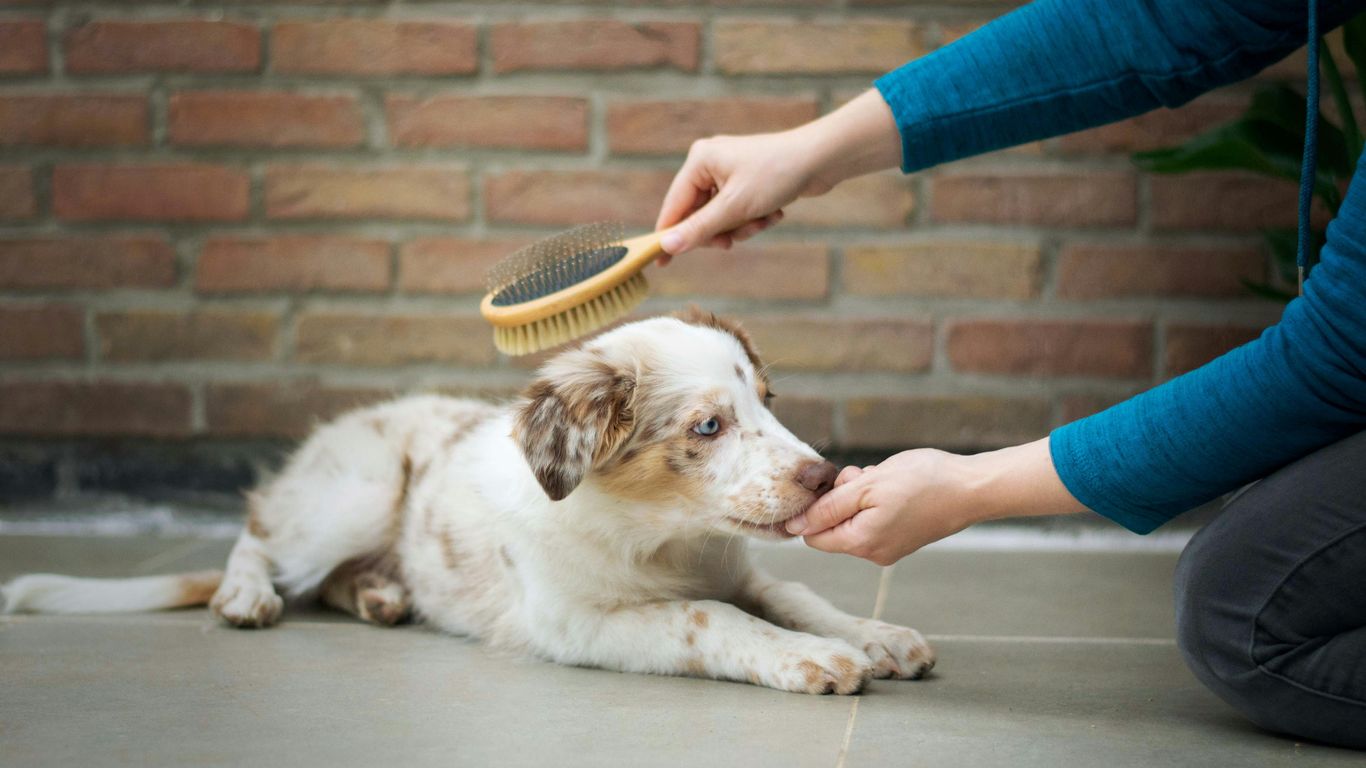
It’s a common thought: if my puppy does something wrong, I need to correct them, maybe even punish them, so they learn not to do it again. We’ve all seen it in movies or heard stories about dogs being disciplined harshly. But here’s the thing, punishment, especially physical or verbal abuse, is not only ineffective but can actually make your puppy’s behavior worse. Dogs don’t understand punishment the way humans do. When you yell at your puppy or hit them, they don’t connect it to the specific action they just did. Instead, they learn to fear you, which can lead to anxiety and even aggression. It’s a cycle that’s hard to break and damaging to your relationship.
The Harmful Effects of Physical and Verbal Abuse
Let’s be real, nobody likes seeing a puppy scared or hurt. When we resort to yelling, hitting, or using harsh physical corrections, we’re not teaching our puppies anything positive. What we’re doing is teaching them to be afraid of us. Imagine a child who is constantly being yelled at for making a mistake; they don’t learn how to do better, they just learn to dread the person yelling. Puppies are no different. This fear can manifest in many ways, like hiding when you approach, trembling, or even snapping out of fear. It erodes trust, and a trusting relationship is the bedrock of good training. Instead of building a partnership, you’re creating a dynamic of fear and avoidance. It’s a path that leads to more problems down the line, not fewer.
Why Punishment Worsens Behavior
It might seem counterintuitive, but punishing a puppy often backfires. When a puppy is punished, they don’t usually understand why they are being punished. They just know that something unpleasant happened, and they might associate it with your presence or the situation they were in. This can lead to a variety of negative outcomes. For instance, a puppy might start to hide their accidents instead of eliminating them in the open, making house-training much harder. Or, if they’re punished for barking, they might become more anxious and bark even more out of stress. Some dogs, when feeling cornered or threatened by punishment, may even resort to aggression as a defense mechanism. It’s a messy situation that can create more behavioral issues than it solves. Positive reinforcement, on the other hand, focuses on rewarding good behavior, making it much more likely to be repeated. It’s about building good habits, not just trying to suppress bad ones through fear.
Effective Alternatives to Punishment
So, if punishment isn’t the answer, what is? The good news is there are plenty of effective and humane ways to train your puppy. The most widely recommended approach is positive reinforcement. This means rewarding your puppy for doing things right. When they sit, give them a treat and praise. When they go potty outside, celebrate! It makes them want to repeat those good behaviors. Another technique is called ‘management.’ This is about setting your puppy up for success. For example, if your puppy chews on furniture, you can redirect them to a chew toy and make sure the furniture is less accessible when you can’t supervise. You can also use ‘time-outs’ – not as a punishment, but as a way to interrupt unwanted behavior and reset. If your puppy is getting too rowdy, calmly lead them to a separate, quiet space for a minute or two until they calm down. It’s about guiding them, not scaring them. Remember, consistency is key, and patience will get you much further than any harsh correction. Building a strong bond with your puppy through positive methods is the most rewarding path for both of you. If you’re struggling, seeking advice from a professional trainer who uses positive methods can be incredibly helpful. They can help you understand your puppy’s needs, like ensuring they have the right crate size for their well-being, and tailor a training plan that works.
You Can’t Teach An Old Dog New Tricks Is Wrong
This old saying is one of those phrases that just sticks around, isn’t it? You hear it all the time, usually when someone’s talking about getting a new puppy. But honestly, it’s a total myth, and it’s a shame because it stops people from considering older dogs.
Age Is Not a Barrier to Learning
Dogs, no matter their age, are capable of learning. Think about it – puppies are sponges, sure, but that doesn’t mean older dogs suddenly lose their ability to pick up new things. It might take a bit more patience, and maybe a different approach, but it’s absolutely possible. Older dogs can learn new behaviors, commands, and even tricks. It’s not about their age; it’s about how we teach them.
Older Dogs’ Capacity for New Behaviors
Sometimes, older dogs come with a history. Maybe they weren’t trained well, or perhaps they never had much training at all. This doesn’t mean they’re set in their ways forever. They might have ingrained habits, but those can be reshaped. Instead of thinking they can’t learn, think about how they learn best. Many older dogs are actually calmer and more focused than puppies, which can make training sessions go more smoothly. They often have a stronger desire to please their people, too.
Adapting Training for Senior Pups
When you’re working with an older dog, you just need to be smart about it. Forget the harsh methods; they don’t work well for any dog, and they can be particularly discouraging for an older animal. Instead, focus on positive reinforcement. Treats, praise, and gentle encouragement go a long way. Keep training sessions short and sweet, especially at first. You don’t want to overwhelm them. Break down new skills into tiny steps. For example, if you’re teaching a new trick, focus on just one small part of it at a time. It’s all about building on small successes. Remember, consistency is key, and patience will get you much further than frustration ever will. If you’re looking for a great way to train, reward-based training is highly effective for strengthening your bond.
It’s easy to fall into the trap of believing old sayings, but when it comes to our canine companions, we need to look at the facts. Older dogs have so much love and so many skills to offer, and age really shouldn’t be a reason to overlook them. They deserve a chance to learn and grow, just like any puppy.
Puppies Are Never Too Young To Learn
So, you brought home a new puppy and you’re wondering when’s the right time to start teaching them the basics? The truth is, puppies can begin learning as soon as they arrive home—usually around eight weeks old. Early training gives your dog a leg up, setting the foundation for a lifetime of good habits and smooth interactions. It’s not about trying to turn your puppy into a canine genius overnight, though.
Here’s what early training helps with:
- Builds a strong bond between you and your puppy.
- Gives puppies confidence in new situations.
- Helps prevent annoying habits before they ever start.
- Teaches basic good manners from the get go.
The earlier you begin, the more your dog will see you as both a guide and a companion, and not just the person who fills the food bowl.
Puppies are natural learners—they soak up everything, for better or worse. Don’t expect perfection, but do expect progress if you stay consistent from the start.
Starting Training at Eight Weeks Old
Your pup might be tiny, but their brain is working overtime, even at eight weeks old. At this age, focus your training on simple, short interactions. Think “sit,” “come,” or getting comfortable with a crate. There’s no need for hour-long sessions—actually, that’s the worst idea. A young puppy’s attention span is short and you’ll get more out of five minutes than fifty.
A structured routine helps your puppy feel secure and speeds up learning. Practicing at the same times each day, especially before meals, can make the routine stick. Feeding schedules, potty times, and short bursts of learning are especially helpful (consistent training routine).
Short Sessions Yield Big Results
It turns out, you only need a little bit of time each day to see solid progress. Here’s a quick rundown of how to keep your puppy engaged:
- Do sessions that are 3-5 minutes long.
- Use food, toys, or just excitement as rewards.
- Mix in some practice during playtime or walks.
- Keep things fun and upbeat—quit before your puppy gets bored.
| Puppy Age | Ideal Session Length | Times Per Day |
|---|---|---|
| 8-12 weeks | 2-3 minutes | 2-3 |
| 12-16 weeks | 3-5 minutes | 2-4 |
If you keep things short, sweet, and regular, you’ll be surprised how fast your puppy picks things up. Don’t wait—start teaching good habits today, no matter how young your puppy is.
Tug-Of-War Doesn’t Cause Aggression
Controlled Play and Command Training
Lots of people worry that playing tug-of-war with their puppy will turn them into an aggressive monster. Honestly, it’s a pretty common fear, but it’s mostly just a myth. When you play tug-of-war the right way, it’s actually a fantastic way to bond with your pup and teach them some important stuff. The key is to be in control of the game. You’re the one who decides when it starts and when it stops. This teaches your puppy that you’re in charge, not them. It’s not about dominance, it’s about setting clear boundaries during play.
Building Confidence Through Games
Playing tug-of-war can really help build your puppy’s confidence. When they successfully pull the toy away or hold their own for a bit, it’s a win for them! You can use this game to teach commands like ‘drop it’ or ‘out’. When you say ‘drop it’ and they let go of the toy, they get praise and maybe a treat. This positive reinforcement makes them feel good about following directions. It’s a fun way for them to learn that listening to you is rewarding. Plus, it gives them a healthy way to use their natural chewing and pulling instincts without them turning their attention to your furniture or shoes.
A Healthy Outlet for Puppy Energy
Puppies have a ton of energy, and they need ways to burn it off. Tug-of-war is a great physical activity that can tire them out in a good way. It’s much better than letting them get bored and find their own, less desirable, ways to entertain themselves. Think about it: a tired puppy is usually a well-behaved puppy. This game provides a structured outlet for that pent-up energy. It’s a win-win: they get to play and expend energy, and you get a calmer companion afterwards. Just remember to keep it fun and controlled, and you’ll find it’s a great addition to your training toolkit.
Choosing the right dog training class can feel like a puzzle, but it doesn’t have to be! Focus on classes that use kind methods, like rewarding good behavior. Make sure the trainer knows their stuff and has helped lots of dogs before. A good class will teach you and your dog important skills step-by-step. Want to learn more about finding the perfect training program for your furry friend? Visit our website today!
Putting the Myths to Bed
So, we’ve gone through a bunch of common ideas about training puppies that just aren’t true. It’s easy to get caught up in what everyone says, but a lot of that old advice just doesn’t hold up. Instead of focusing on outdated or even harmful methods, remember that positive training works best. It builds trust and helps your puppy learn without fear. Keep training sessions short, fun, and consistent, and you’ll see great results. Your puppy is counting on you to learn the right way to help them grow into a happy, well-behaved dog.
Frequently Asked Questions
Are puppies really trying to be the ‘boss’ when they jump or chew things?
No, puppies aren’t trying to be the ‘alpha’ or the boss of you. When they jump up or chew on your stuff, it’s usually because they’re excited, curious, or haven’t learned the right way to behave yet. They don’t understand the idea of being in charge like humans do. Training them with harsh methods based on dominance can actually make them anxious or scared, which isn’t helpful.
Does my puppy chew things or have accidents because they’re being spiteful?
Puppies don’t act out of spite. They live in the moment and don’t plan to be naughty. If your puppy has an accident inside, it’s likely because they couldn’t hold it or didn’t know where to go. If they chew your shoes, it’s probably because they’re bored, teething, or it smells like you. It’s not about getting back at you; it’s about their needs or lack of understanding.
Is it true that puppies know better but just ignore the rules?
It’s a myth that puppies ‘know better’ but choose to ignore rules. If your puppy isn’t listening or breaks a rule, there’s usually a reason. Maybe they didn’t fully learn the command, are distracted, or are feeling stressed. Instead of thinking they’re being stubborn, try to figure out why they’re not following the rules. Understanding the cause helps you train them better.
Can dogs that show aggression be trained?
Yes, even dogs that seem aggressive can be trained! It might take more time and patience, and it’s best to get help from a professional trainer. They can create a special plan for your dog. Giving up on aggressive dogs isn’t the answer; with the right approach and support, they can learn to manage their behavior.
Do I need to punish my puppy to train them effectively?
Absolutely not! Punishing your puppy, especially with physical or harsh verbal corrections, is not necessary and can actually make behavior problems worse. It can lead to fear and anxiety. Positive training methods, which reward good behavior, are much more effective and build a stronger, more trusting relationship between you and your puppy.
Is it too late to train an older dog, or is my puppy too young to start learning?
It’s never too late to teach an old dog new tricks, and puppies are never too young to start learning! Dogs of any age can learn new things. Starting training early, even as young as eight weeks, is very beneficial. Short, positive training sessions work wonders for puppies, helping them build good habits from the start.