
Bringing a new puppy home is exciting, but it can also feel a bit overwhelming, right? You’ve got this little bundle of energy and a whole lot to teach them. Don’t worry, though! We’ve gathered some straightforward puppy training tips for beginners that will help you and your furry friend get started on the right paw. It’s all about making training a positive experience for both of you.
Key Takeaways
- Start training your puppy as soon as they join your family, usually around 8 weeks old.
- Use positive reinforcement, like treats and praise, to encourage good behavior; avoid punishment.
- Keep training sessions short, fun, and consistent to help your puppy learn effectively.
- Socialization is vital for a well-adjusted dog, so expose your puppy to various people, places, and other animals safely.
- Patience is a must; every puppy learns at their own pace, so celebrate small wins and stay consistent.
Getting Started With Puppy Training
So, you’ve got a new furry friend! That’s awesome. Bringing a puppy home is super exciting, but it also means it’s time to start thinking about training. Don’t worry, it’s not as scary as it sounds, and honestly, the sooner you start, the better. Puppies are like little sponges, especially when they’re young, so think of this as laying down a good foundation for all the fun you’ll have together.
When To Start Training Your Puppy
People often wonder when the right time is to begin training. The short answer? As soon as they come home with you! Even an 8-week-old pup can start learning. They might not be ready for complex tricks, but basic manners and house training can begin right away. The period between 6 to 16 weeks is a prime time for learning, so you’re not wasting any time by starting early. It’s all about building good habits from day one. You can start teaching them their name, simple cues like ‘sit’, and getting them used to things like a leash. It’s never too early to begin early handling and socialization.
Setting Up A Daily Schedule
Dogs, especially puppies, really thrive on routine. Having a predictable daily schedule helps them feel secure and understand what’s coming next. This means mapping out times for meals, potty breaks (super important!), playtime, training sessions, naps, and even quiet time. It might sound like a lot, but it makes a huge difference in managing your puppy’s behavior and reducing accidents. Think of it as creating a predictable rhythm for your household.
Here’s a sample structure you can adapt:
- Morning: Wake up, potty break, breakfast, short training session.
- Mid-day: Playtime, nap time (often in a crate), potty break.
- Afternoon: Potty break, another short training session or playtime.
- Evening: Dinner, potty break, wind-down time, final potty break before bed.
Creating A Distraction-Free Training Environment
When you’re first teaching your puppy something new, like ‘sit’ or ‘stay’, it’s best to do it in a quiet place with minimal distractions. This means turning off the TV, putting away noisy toys, and maybe even asking family members to keep it down for a few minutes. A calm environment helps your puppy focus on you and what you’re asking them to do. Once they’ve got the hang of it in a quiet spot, you can gradually introduce more distractions to help them generalize the behavior. It’s like learning math in a quiet classroom before trying to do homework at a busy arcade.
Starting training in a low-distraction setting helps your puppy build confidence and understand the cues you’re giving. It sets them up for success before you start practicing in more challenging situations.
Essential Puppy Training Techniques
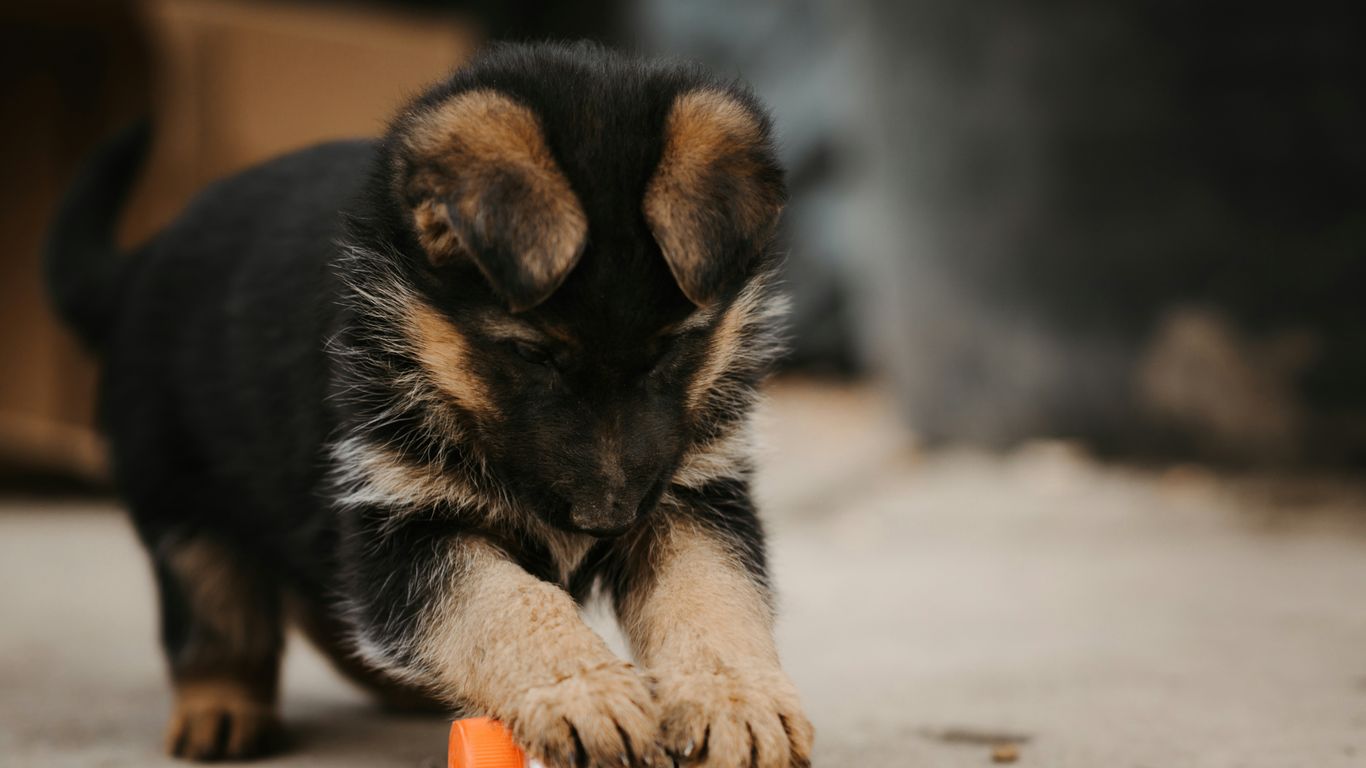
When you first bring your puppy home, it can feel like a whirlwind of new experiences for both of you. But don’t worry, getting started with training doesn’t have to be complicated. The key is to focus on a few core techniques that build a strong foundation for your puppy’s behavior.
The Power Of Positive Reinforcement
This is probably the most important thing to get right. Positive reinforcement means rewarding your puppy for doing something you like. Think of it as a little ‘thank you’ for a job well done. It could be a tiny piece of their kibble, a special treat, or even just a happy word and a scratch behind the ears. The goal is to make good behavior super rewarding so your puppy wants to do it again. It’s all about building a positive association with learning and with you. Avoid punishment, like yelling or harsh corrections, because that can just confuse your puppy and make them anxious. They don’t know what they don’t know, right? We’re teaching them, not scolding them for mistakes.
- Reward good behavior immediately. The moment your puppy does what you want, give them the reward.
- Use high-value treats. Find something your puppy absolutely loves – small, tasty treats work best.
- Keep it consistent. Everyone in the house should use the same cues and rewards.
Keeping Training Sessions Short And Fun
Puppies have short attention spans, just like toddlers. Trying to do a long training session will likely end with a bored, distracted puppy (and a frustrated you!). Aim for multiple short sessions throughout the day, maybe 5 to 10 minutes each. This keeps things fresh and exciting. Always try to end on a positive note, even if it’s just a simple command your puppy knows well. This way, they’ll look forward to the next training time. Think of it as a fun game, not a chore. A quick play break with a favorite toy can also help burn off some energy before you start.
Rewarding Good Behavior Effectively
What works as a reward can change as your puppy learns. When they’re just starting out, almost anything can be a reward. But as they get better at a command, you might need to up the ante. Maybe a regular treat isn’t exciting enough for a more difficult task. You might need to use a super special treat, like a tiny bit of cheese or a piece of cooked chicken. It’s also about timing. The reward needs to come right after the desired behavior. If you wait too long, your puppy won’t connect the reward with what they did. Sometimes, praise and petting are enough, especially if your puppy is already motivated by your attention. The key is to figure out what really motivates your specific puppy and use that to your advantage. You can find some great puppy treat options to keep them engaged during training [a84b].
Making training a positive and rewarding experience helps build a strong bond between you and your puppy. It’s not just about teaching commands; it’s about building trust and communication. Keep sessions brief, fun, and always end with success.
Core Puppy Obedience Commands
Alright, let’s talk about the building blocks of a well-behaved pup: those core obedience commands. Getting these down early makes everything else so much easier, both for you and your furry friend. It’s not about making them a show dog, but about clear communication and building a solid relationship.
Teaching Your Puppy To Sit
This is usually the first command most people tackle, and for good reason. A solid ‘sit’ is super useful. You can use it to calm your puppy down before they get their food, before you open the door, or just to get their attention. Start in a quiet spot with minimal distractions.
Here’s a simple way to get started:
- Hold a tasty treat near your puppy’s nose.
- Slowly move the treat up and back over their head. As their nose follows the treat, their rear end should naturally lower into a sit.
- The moment their bum hits the floor, say "Yes!" or "Good!" and give them the treat.
- Repeat this a few times. Once they’re getting the hang of it, start saying "Sit" just as they begin to lower themselves.
- Gradually, you’ll phase out the lure and just use the word "Sit." Keep sessions short, maybe just a few minutes, a couple of times a day.
Teaching Your Puppy To Come When Called
This is arguably the most important command for safety. You want your puppy to want to come to you when you call, no matter what’s going on. This is where positive reinforcement really shines. Make coming to you the best thing ever!
- Start in a small, enclosed area, like your living room or a fenced yard.
- Get down on their level, sound excited, and say your puppy’s name followed by "Come!" Clap your hands or pat your legs.
- When they run to you, throw a party! Lots of praise, petting, and a high-value treat (something extra special they don’t get all the time).
- Never call your puppy to you for something unpleasant, like a bath or nail trim. If you need to do something they dislike, go get them instead.
- Practice this often, gradually increasing the distance and adding mild distractions as they get better. You can find more tips on making ‘come’ a rewarding experience here.
Introducing Basic Leash Manners
Getting your puppy used to a leash and collar is a big step towards enjoyable walks. The goal isn’t just to have them walk beside you, but to do so without pulling or lunging. This takes time and patience.
First, let your puppy get used to wearing a lightweight collar or harness for short periods inside the house. Make it a positive experience with treats and praise. Then, attach a light leash and let them drag it around under supervision. This helps them get accustomed to the feeling.
When you start walking, remember:
- Keep the leash loose. A tight leash often encourages pulling.
- If your puppy pulls ahead, stop walking. Only move forward again when the leash slackens.
- Reward your puppy with treats and praise when they walk nicely beside you, especially when the leash is loose.
Leash walking is a skill that develops over time. Don’t get discouraged if your puppy isn’t a perfect walker right away. Consistency is key, and celebrating small successes will help build their confidence and yours.
Remember, these commands are the foundation. Keep training sessions short, fun, and always end on a positive note. Your puppy is learning a whole new language, and with patience and consistency, they’ll be speaking it fluently in no time.
Socialization And Behavior Development
The Importance Of Early Socialization
Puppies are like little sponges, soaking up everything around them. This early period is super important for shaping them into well-adjusted adult dogs. Proper socialization means introducing your puppy to a variety of sights, sounds, people, and other animals in a positive way. This helps them learn how to handle new situations without getting overly stressed or fearful. Think of it as building their confidence for the big world out there. Without enough exposure, they might become shy or even aggressive later on.
- New People: Introduce them to folks of different ages, appearances, and gaits. Make sure these interactions are calm and positive.
- New Environments: Take them to different places – the park (once fully vaccinated), quiet streets, pet-friendly stores. Let them sniff and explore at their own pace.
- New Sounds: Gradually expose them to everyday noises like vacuum cleaners, doorbells, traffic, and even thunderstorms (from a distance initially).
- Other Animals: Once your vet gives the okay, arrange safe playdates with vaccinated, friendly dogs. This helps them learn doggy manners.
Helping Your Puppy Adjust To New Environments
When you bring your new puppy home, it’s a whole new world for them. Give them a safe space, like a crate or a comfy bed, where they can retreat if they feel overwhelmed. Don’t force them into interactions or new places if they seem hesitant. Instead, let them explore on their own terms. Short, positive experiences are key. For instance, a quick walk around the block is better than a long, stressful trip to a crowded area. You want them to associate new places with good things, like treats or praise. This gradual approach helps them build trust in you and their surroundings. You can find more tips on building confidence in your pup at dog socialization and training.
Building Confidence Through Exposure
Exposure is the name of the game here. The more positive experiences your puppy has, the more confident they’ll become. This doesn’t mean overwhelming them; it means carefully planned introductions. For example, if your puppy is nervous about loud noises, start by playing recordings of those sounds at a very low volume while they eat or play. Gradually increase the volume over time. The same goes for meeting new people or dogs. Keep initial meetings brief and positive, with plenty of rewards. If your puppy shows signs of fear, back off and try again later with less intensity. It’s all about letting them learn at their own speed and showing them that the world isn’t such a scary place after all. Remember, patience is your best friend during this stage.
Consistency And Patience In Training
Training a puppy isn’t a one-and-done deal. It’s a marathon, not a sprint, and that’s where consistency and patience really come into play. Think of it like teaching a kid anything new – if you change the rules every day or get frustrated easily, they’re going to get confused and probably won’t learn much.
Reducing Confusion With Consistent Cues
Dogs thrive on predictability. When you’re training, using the same words and hand signals for commands every single time is super important. If you sometimes say "sit" and other times say "sit down," or use a different hand motion, your puppy won’t know what you’re asking. This can lead to a lot of frustration for both of you. Sticking to a clear set of cues helps your puppy understand what’s expected and builds good habits faster. It’s all about making sure your puppy knows what to expect from you, day in and day out.
The Role Of Patience In Puppy Training
Puppies are babies, and babies take time to learn. They’re going to have accidents, they’re going to forget things, and they’re going to test boundaries. Getting upset or angry won’t help anyone. Instead, take a deep breath. Remember that every puppy learns at its own pace. Celebrate the small wins – like a successful potty break or a command followed correctly. Your calm demeanor and willingness to repeat things as many times as needed will make a huge difference in your puppy’s learning and your relationship.
Avoiding Punishment For Better Results
It’s tempting to get frustrated when your puppy doesn’t get something right, but resorting to punishment, especially harsh methods, is usually counterproductive. It can damage the trust between you and your puppy, making them fearful or anxious around you and during training sessions. Instead of punishing mistakes, focus on redirecting your puppy to the correct behavior and then rewarding them when they get it right. This positive approach builds confidence and strengthens your bond, making training a much more enjoyable and effective experience for everyone involved.
Dogs learn best when they understand what you want them to do, not just what they shouldn’t do. Focusing on rewarding good behavior and gently guiding them when they make a mistake is a far more effective way to build a well-behaved companion than relying on fear or correction.
Physical And Mental Well-Being
Meeting Your Puppy’s Exercise Needs
Just like us, puppies need to move their bodies to stay healthy and happy. Regular exercise isn’t just about burning off energy; it’s key for their physical development and can prevent health issues down the line. Think about walks, games of fetch in the yard, or even just a good romp around a safe, enclosed space. The amount of exercise can vary, but a good starting point for most puppies is around 30 minutes to an hour a day, split into a couple of sessions. It helps them build stamina and keeps their joints healthy.
How Exercise Improves Training Focus
Ever tried to concentrate when you’re restless? Your puppy feels the same way. A puppy that’s had a chance to stretch its legs and explore a bit is much more likely to settle down and focus during training sessions. When they’re not bursting with pent-up energy, they can actually pay attention to what you’re asking them to do. It’s like they’ve gotten the wiggles out, making them more receptive to learning. This connection between physical activity and mental readiness is a game-changer for training.
Mental Stimulation For A Happy Puppy
Physical exercise is only half the battle. Puppies also need their brains to be worked. Boredom can lead to unwanted behaviors, so it’s important to provide mental challenges. This can be anything from puzzle toys that dispense treats to learning new tricks or practicing obedience commands. Even simple things like letting them sniff around on a walk can be mentally stimulating. A tired puppy is a good puppy, but a mentally satisfied puppy is a truly happy and well-adjusted one.
Here are some ways to keep your puppy’s mind engaged:
- Puzzle Feeders: Toys that require your puppy to figure out how to get treats out.
- New Tricks: Teach them something beyond the basic commands, like ‘shake a paw’ or ‘roll over’.
- Nose Work Games: Hide treats around the house or yard and let them use their nose to find them.
- Chew Toys: Provide safe and appropriate chew toys to satisfy their natural urge to chew and keep them occupied.
Taking care of your dog’s mind and body is super important for them to be happy and healthy. Just like us, dogs need exercise and mental challenges to stay in good shape. A well-trained dog is a joy to be around, and it makes your life easier too! Want to learn how to give your furry friend the best training? Visit our website for top tips and courses that will help you and your dog connect like never before.
Keep Up the Great Work!
So, you’ve learned a bunch of tips for training your new puppy. Remember, it’s not always going to be easy, and there will be days you feel like you’re not making any progress. That’s totally normal! Just stick with it, be patient, and celebrate the small wins. Your puppy is learning, and with your consistent effort and positive attitude, you’ll end up with a well-behaved dog you can be proud of. Happy training!
Frequently Asked Questions
When can I start training my new puppy?
You can start training your puppy as soon as you bring them home, usually around 8 weeks old. Puppies this young can already learn basic manners like responding to their name and simple commands such as ‘sit’ or ‘come’.
What’s the best way to train a puppy?
The most effective and recommended way to train a puppy is by using positive reinforcement. This means rewarding your puppy with treats, praise, or toys when they do something right. It’s all about making learning a fun and positive experience for them.
How long should training sessions be?
Puppies have short attention spans, so keep training sessions brief and engaging. Aim for short bursts of 5-10 minutes several times a day. Always try to end on a positive note so your puppy looks forward to the next session.
Why is socialization important for puppies?
Socializing your puppy helps them become a well-adjusted and confident dog. It involves exposing them to different people, places, sounds, and other friendly dogs in a positive way. This helps prevent fear and anxiety later in life.
Should I punish my puppy if they make a mistake?
It’s best to avoid punishment. Instead of getting angry, focus on guiding your puppy and rewarding good behavior. Punishment can make puppies confused or scared, making training harder. Patience and consistency are much more effective.
How much exercise does my puppy need?
Puppies need regular exercise to stay healthy and focused. Aim for about 30 minutes to 2 hours of outdoor activity daily, like walks or playing fetch. Exercise helps burn off energy, making them more receptive to training and strengthening your bond.