
When you bring a new puppy home, you’re excited to start training. But how do you go about it? There’s a lot of talk about puppy training rewards vs punishment, and it can get confusing. Should you be showering your pup with treats, or is a stern ‘no’ sometimes necessary? Let’s break down these two main approaches to training and see how they stack up.
Key Takeaways
- Reward-based training focuses on teaching dogs what to do using positive reinforcement like treats, praise, and play, setting them up for success.
- Punishment-based training uses negative methods like fear, pain, or intimidation to discourage unwanted behaviors, which can lead to negative side effects.
- Studies show that reward-based training is more effective and reduces the likelihood of aggressive behaviors compared to punishment-based methods.
- Punishment can damage the bond between you and your dog, creating fear and mistrust, while rewards strengthen your relationship.
- Understanding the root cause of a behavior is key; positive training addresses these underlying issues for lasting change, whereas punishment often only suppresses behavior temporarily.
Understanding The Core Differences In Puppy Training
Reward-Based Training: Motivating Through Positives
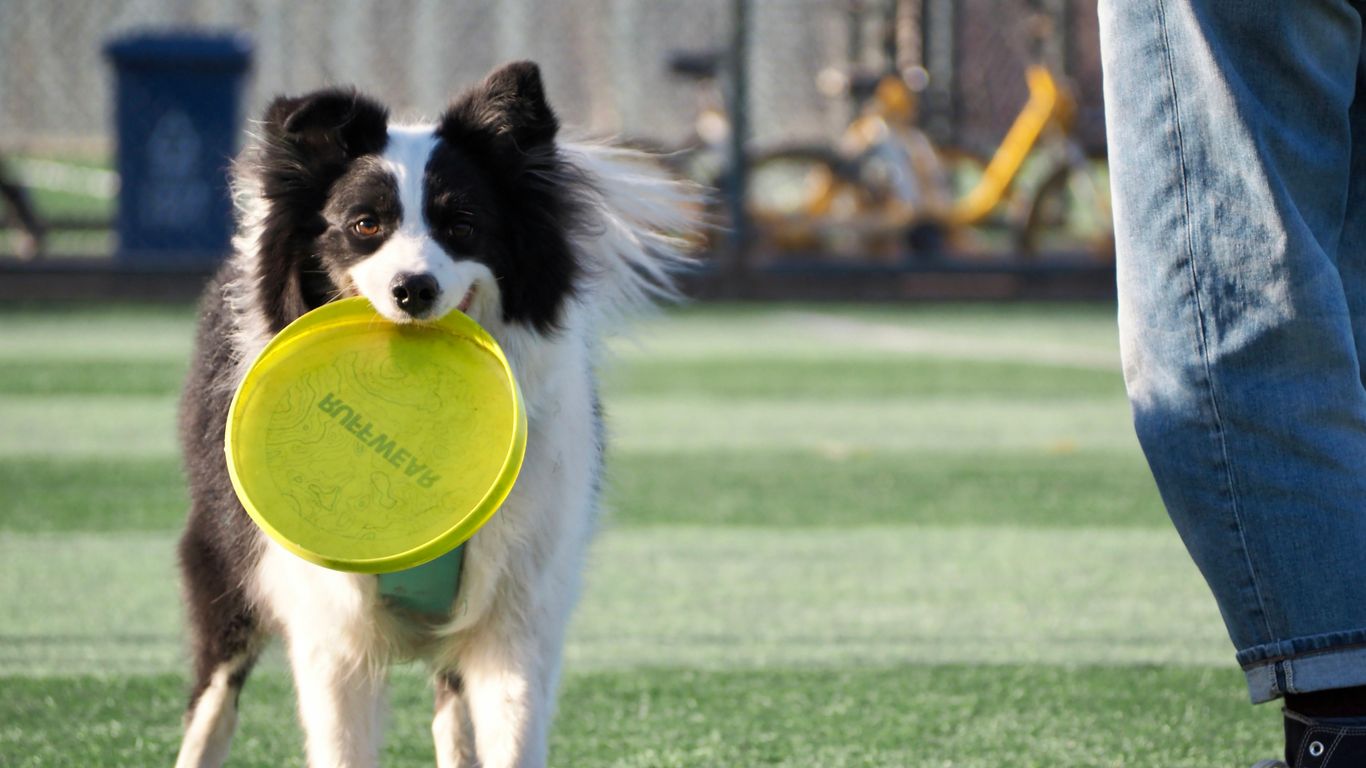
So, you’ve got a new furry friend, and you’re wondering how to teach them the ropes. One popular way is through reward-based training. The main idea here is pretty simple: when your puppy does something you like, you give them something they like. This could be a tasty treat, a favorite squeaky toy, or even just some enthusiastic praise and a good scratch behind the ears. The goal is to make good behavior super appealing, so your puppy wants to repeat it. It’s all about building positive associations. Think of it like this: your puppy learns that doing the ‘right thing’ leads to good stuff, making them more likely to offer that behavior again. This approach focuses on teaching your puppy what you do want them to do, rather than just punishing them for mistakes.
Punishment-Based Training: Discouraging Through Negatives
On the flip side, we have punishment-based training. This method aims to stop unwanted behaviors by applying something unpleasant or removing something the puppy likes when they do something wrong. This might involve a sharp verbal correction, a leash jerk, or other methods designed to make the puppy uncomfortable. The thinking is that if a behavior leads to an unpleasant consequence, the puppy will be less likely to do it again. It’s about discouraging actions by making them undesirable. However, this approach can be tricky. It often doesn’t clearly teach the puppy what they should be doing instead, and it can sometimes lead to unintended side effects like fear or anxiety.
The Philosophy Behind Each Approach
At their heart, these two training styles come from different places. Reward-based training operates on the idea that dogs are motivated by seeking pleasure and avoiding discomfort, and that building a strong, trusting relationship is key. It emphasizes clear communication and making learning a positive experience. The philosophy is that a happy, motivated dog learns best and is more likely to be a well-adjusted companion. Punishment-based training, on the other hand, often stems from a belief that dogs need to be corrected or disciplined to understand boundaries, sometimes rooted in outdated ideas about dominance. The focus is on suppressing unwanted actions, often with the assumption that the dog is being disobedient or challenging authority. This can create a dynamic where the dog learns to avoid punishment rather than actively wanting to please.
Here’s a quick look at the core differences:
| Feature | Reward-Based Training | Punishment-Based Training |
|---|---|---|
| Primary Goal | Encourage desired behaviors | Discourage undesired behaviors |
| Motivation | Positive reinforcement (treats, praise) | Aversive stimuli (corrections, discomfort) |
| Focus | Teaching what TO do | Stopping what NOT to do |
| Relationship | Builds trust and positive association | Can create fear, anxiety, and mistrust |
| Learning Style | Dog actively seeks to please | Dog learns to avoid negative consequences |
How Rewards Shape Puppy Behavior
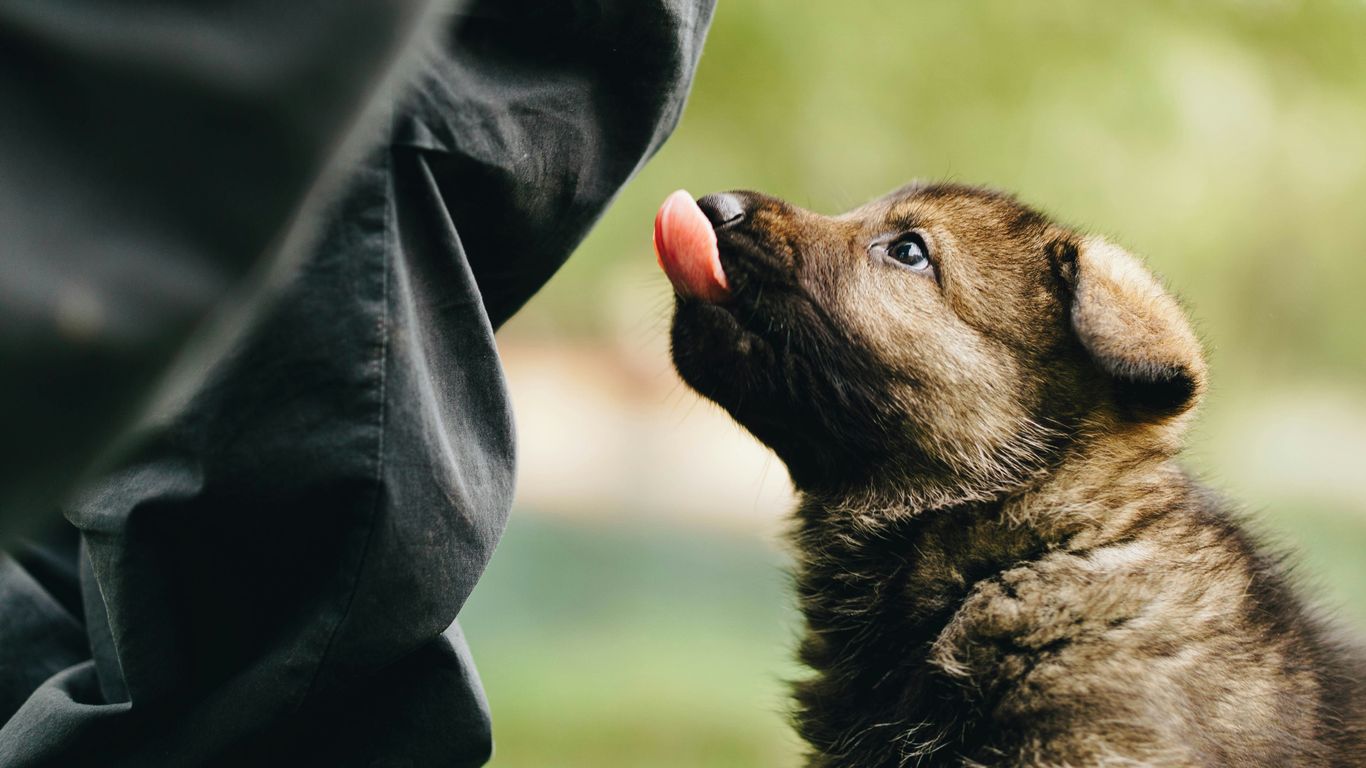
When we talk about training puppies, using rewards is like giving them a clear, positive signal that says, "Yes! That’s exactly what I want you to do!" It’s all about making good choices feel really good for your pup. This method focuses on building a strong connection by showing your dog what behaviors earn them something they like, whether it’s a tasty treat, a favorite toy, or some enthusiastic praise. The goal is to make learning enjoyable and to encourage your puppy to offer behaviors willingly.
The Power of Positive Reinforcement
Positive reinforcement is the cornerstone of reward-based training. It’s not just about giving treats; it’s about understanding what motivates your individual puppy. When a puppy performs a desired action, like sitting when asked or coming when called, and is immediately rewarded, they are much more likely to repeat that behavior. This creates a positive association with training and with you. It’s a way of communicating what you want without causing stress or confusion. This approach is widely supported by experts for its effectiveness and humane nature, helping to build a solid foundation for future learning and a happy relationship. You can learn more about positive reinforcement training.
Types of Rewards That Motivate Puppies
What one puppy finds incredibly rewarding, another might be less interested in. It’s a bit of a treasure hunt to figure out what truly gets your pup excited. Generally, puppies respond well to a variety of rewards:
- High-Value Food Treats: Small, soft, and extra-tasty morsels like bits of chicken, cheese, or commercial training treats. These are often best for learning new or difficult behaviors.
- Favorite Toys: A quick game of tug with a rope toy or a squeaky ball can be a huge motivator, especially for puppies who love to play.
- Praise and Affection: A happy, cheerful voice saying "Good boy!" or a good scratch behind the ears can be very effective, particularly for puppies who are very people-oriented.
- Life Rewards: Sometimes, the reward is simply getting to do something the puppy wants, like being allowed to go outside, sniff an interesting spot, or greet another friendly dog.
Setting Puppies Up for Success
To make rewards effective, you need to set your puppy up to win. This means managing their environment and their expectations so they can easily make the right choices. For instance, if you’re working on not jumping on guests, you might keep your puppy on a leash when visitors arrive, so they can’t practice the unwanted behavior and can instead be rewarded for keeping all four paws on the floor. It’s about guiding them toward the behaviors you want, rather than waiting for them to make a mistake and then correcting them. This proactive approach helps build confidence and makes training a much smoother process for both of you.
When we focus on rewarding good behavior, we’re not just teaching our puppies commands. We’re teaching them that interacting with us is a positive experience, that listening leads to good things, and that they can trust us to guide them. This builds a strong, cooperative partnership that goes far beyond simple obedience.
It’s important to remember that consistency is key. By consistently rewarding the behaviors you like, you’re sending a clear message about what’s expected. This helps your puppy learn faster and builds a stronger bond between you. It’s a win-win situation, really. Your puppy learns good manners, and you get a well-behaved companion you can be proud of. This approach helps avoid the pitfalls of punishment, which can sometimes lead to fear or anxiety in dogs. Instead, it fosters a relationship built on trust and mutual understanding.
The Impact of Punishment on Puppy Training
When we talk about training our puppies, it’s easy to get caught up in what not to do. Punishment-based training often focuses on discouraging unwanted behaviors by applying unpleasant consequences. This might look like a sharp leash correction, a stern "no," or even a physical nudge. The idea is that the puppy will associate the bad behavior with the unpleasant experience and stop doing it. Sounds simple, right? Well, it’s a bit more complicated than that, and often, the fallout can be more significant than the problem behavior itself.
When Punishment Goes Wrong
It’s not uncommon for punishment to backfire, especially with puppies who are still learning the ropes. Puppies are sensitive creatures, and what might seem like a mild correction to us can feel pretty scary to them. If the punishment isn’t strong enough, a puppy might just get used to it, leading owners to escalate the intensity, which can then cause actual physical harm. Think about it: a choke chain can hurt a dog’s neck, and even electronic collars, meant to be a deterrent, can cause burns. It’s a slippery slope, and one that can quickly lead to physical injury.
The Risks of Fear and Intimidation
One of the biggest issues with punishment is that it often relies on creating fear. When a puppy is consistently punished, they start to associate not just the specific action with something bad, but also the person doing the punishing, the leash, the collar, or even the location where the punishment happened. This can lead to a general sense of anxiety and avoidance. Instead of learning what you want them to do, they learn to be scared of you or the training tools. This fear can then spread to other situations that seem similar, making your puppy wary and less confident overall. This learned fear can make it harder for your puppy to learn anything new because their focus is on avoiding the next unpleasant experience.
Does Punishment Teach What Not To Do?
Technically, yes, punishment can teach a dog what not to do in a specific moment. If a puppy gets a sharp tug on the leash when they pull, they might stop pulling in that instant to avoid the discomfort. However, it doesn’t teach them what they should be doing instead. They might stop pulling, but they haven’t learned to walk nicely beside you. This is where reward-based training really shines, as it actively teaches the desired behavior. Punishment often just suppresses a behavior temporarily, and it doesn’t address the underlying reason why the puppy was doing it in the first place. It’s like putting a band-aid on a deeper wound; it might cover it up for a bit, but it’s not really fixing the problem.
Here’s a quick look at how punishment can affect a puppy:
- Suppression, Not Solution: It stops the behavior in the moment but doesn’t teach an alternative.
- Association with Fear: The puppy learns to fear the punisher or training tools.
- Increased Anxiety: It can make a puppy more insecure and less willing to try new things.
- Potential for Aggression: A scared or anxious dog might react with aggression when feeling cornered or threatened.
Punishment-based methods often fail to consider the puppy’s emotional state. When a puppy is scared or confused, their ability to learn is significantly impaired. Instead of understanding the rules, they’re just trying to survive the training session without getting into trouble. This can create a cycle of fear and mistrust, which is the opposite of what we want in a training relationship.
Effectiveness and Long-Term Outcomes
So, we’ve talked about how rewards and punishments work, but what about the results? Does one method really stick better in the long run? It’s a question many dog owners grapple with, especially when facing tricky behaviors.
Studies on Training Method Efficacy
When you look at studies comparing different training approaches, a few things become pretty clear. Methods that rely heavily on positive reinforcement, like using treats, praise, or toys, tend to show good results. Dogs learn what you want them to do, and they often seem eager to please. On the other hand, studies looking at punishment-based methods, like leash corrections or scolding, often find that while a behavior might stop temporarily, it can come back, or worse, lead to other problems.
- Positive Reinforcement: Generally leads to faster learning of desired behaviors.
- Punishment-Based Methods: May suppress behavior but often don’t teach the dog what to do instead.
- Mixed Methods: Can be effective, but the balance and context are key.
Building Trust vs. Creating Fear
This is where things get really interesting. Think about how you learn. If someone is always yelling at you or making you feel bad when you mess up, you might start to avoid them or feel anxious. Dogs are no different. Training with rewards builds a sense of trust and partnership. Your dog learns that interacting with you is a positive experience, and they’re more likely to look to you for guidance. Punishment, however, can easily breed fear and anxiety. A dog might stop doing something because they’re afraid of what will happen, not because they understand it’s wrong or know a better way.
The relationship you build with your dog is the foundation for all training. If that foundation is shaky due to fear or mistrust, even the best techniques can fall apart. It’s not just about the treat or the correction; it’s about what that interaction means within the context of your bond.
Lasting Behavioral Changes
What kind of changes do we really want? We want dogs who are well-behaved, yes, but we also want them to be happy, confident companions. Training methods that focus on positive reinforcement are more likely to create lasting behavioral changes because the dog is motivated by the positive outcome and the relationship. When a dog learns through fear, the behavior might be suppressed, but the underlying emotional state hasn’t changed. This can lead to a dog who is always on edge, or who might react unpredictably when they feel cornered or scared. Building a strong, trusting relationship through positive methods is the best way to ensure your dog’s good behavior is consistent and genuine over the long haul.
Addressing Problem Behaviors: Rewards vs. Punishment
A lot of times, problem behaviors in puppies—like barking too much, chewing furniture, or even snapping at people—are just ways for them to express needs or handle anxiety. If you rush to fix these with penalties or scoldings, you might miss what’s really fueling the problem. Observing patterns (Does your puppy only chew the couch when you leave the room? Do they bark at strangers, or just at the vacuum?) goes a long way.
- Watch what happens before and after the problem behavior—sometimes this tells you what your puppy is after.
- Think about when and where the behavior takes place. Time of day? Certain people around?
- Is your puppy scared, overstimulated, or just bored?
Figuring out the real root of a behavior makes your correction not just more effective, but much more fair to your puppy.
Positive Solutions for Common Issues
Many behavior problems can be tackled with reward-based methods. Teaching what you want is easier than correcting what you don’t. Here’s how trainers often set it up:
- Ignore or redirect the unwanted behavior—don’t give it attention, which can act like a reward.
- Immediately reward an alternative behavior. For example, when a puppy jumps to greet, stand still; as soon as they sit, offer a treat or petting.
- Keep your puppy from practicing undesirable behavior (close doors, put away shoes, etc.).
| Unwanted Behavior | Usual Motivation | Positive Solution |
|---|---|---|
| Jumping up | Attention | Reward sitting with petting |
| Chewing shoes | Boredom, teething | Offer chew toys, praise chewing those |
| Barking at door | Alerting, excitement | Teach quiet on cue, reward calm |
The Dangers of Punitive Aggression Training
Punishing a puppy for aggression (growling, snapping, nipping) seems like a quick fix, but often backfires. Here’s why:
- Your puppy might get more nervous or start hiding warning signs, making future bites more unpredictable.
- Fear-based tactics, like yelling or leash jerks, risk breaking trust.
- Punishment doesn’t teach what to do—instead, it just suppresses normal warning signals.
There are situations where quick interruption keeps things safe, but in most cases, positive training (rewarding calm behaviors, teaching alternative ways to cope) not only addresses the behavior but builds a better relationship. If things ever feel serious or unsafe, work with a professional who understands positive methods.
The Human-Puppy Bond: A Crucial Factor
Training a puppy isn’t just about teaching commands; it’s about building a relationship. Think about it: how you interact with your puppy shapes their entire view of you and the world. It’s like any relationship, really. If you’re always fair, kind, and predictable, the other person (or puppy!) is going to trust you a lot more. But if you’re inconsistent, harsh, or scary, well, that’s a whole different story.
How Rewards Strengthen Relationships
When you use rewards, you’re essentially telling your puppy, "Hey, good job! I like that!" This creates positive associations with you and with training itself. Every time your puppy gets a tasty treat or a happy "good boy!" for doing something right, they learn that interacting with you is a good thing. This builds a foundation of trust and makes your puppy eager to please. They start to see you as the source of all good things, which is a pretty powerful motivator. It’s not just about the treat itself, but what the treat represents – your approval and affection. This consistent positive feedback helps create a strong, healthy bond, making your puppy feel secure and loved. It’s why establishing a consistent puppy training routine is so important for their well-being.
How Punishment Damages Trust
On the flip side, punishment can really mess things up. When a puppy is punished, especially for something they don’t understand, they don’t necessarily learn what they should do. Instead, they learn to fear the person doing the punishing. Imagine if someone yelled at you every time you made a small mistake at work. You’d probably start dreading going to work, right? Your puppy can feel the same way about you. This fear can lead to anxiety, aggression, or a general reluctance to engage with you. The relationship becomes strained, and training becomes a battle of wills rather than a cooperative effort. It can create a situation where the puppy only behaves when you’re around, out of fear of being corrected, rather than out of a genuine understanding or desire to please.
The Role of the Relationship in Training Success
Ultimately, the success of any training method hinges on the relationship you have with your puppy. If your puppy trusts you, feels safe with you, and sees you as a reliable source of guidance and positive experiences, training will be much smoother. Even if you’re not a perfect trainer, a strong bond can overcome a lot of minor mistakes. However, if the relationship is damaged by fear or mistrust, even the most technically sound training methods can fall flat. It’s not just about the techniques; it’s about the connection. A dog that looks to you for guidance and reassurance is far more likely to learn and thrive than one that avoids you out of fear. This is why focusing on building that positive connection should always be the first step.
The feedback you give your puppy is always filtered through the lens of your relationship. A reward from a trusted human feels like a gift, while a correction from someone they fear can feel like a betrayal. The meaning of the action is tied to the bond you share.
The special connection between people and their dogs is truly amazing. It’s built on trust and understanding, making life better for both. Want to make your dog’s behavior even better and deepen that bond? We have great resources to help you find the perfect training course. Visit our website today to learn more and start your journey to a happier, more well-behaved furry friend!
So, What’s the Takeaway?
When it comes down to it, training your dog is all about building a good relationship. Using rewards helps your dog learn what you want and makes them feel good about working with you. It builds trust and makes training fun for both of you. On the other hand, punishment can make dogs scared or confused, and it doesn’t really teach them the right way to behave. It can even make problems worse and hurt the bond you share. So, if you want a happy, well-behaved dog and a strong connection, focusing on positive methods is really the way to go. It’s not just about getting your dog to listen; it’s about creating a partnership built on understanding and good feelings.
Frequently Asked Questions
What’s the main difference between rewarding good behavior and punishing bad behavior in dogs?
Rewarding good behavior means giving your dog a treat, praise, or a toy when they do something right. This makes them want to repeat that good action. Punishing bad behavior means giving your dog a consequence they don’t like when they do something wrong, like a scolding or a leash yank. The idea is to make them stop doing it. Reward-based training focuses on teaching your dog what you *want* them to do, while punishment-based training focuses on stopping what you *don’t* want them to do.
Is reward-based training really better for my dog?
Yes, most experts agree that reward-based training is better. It helps your dog learn faster and makes them feel happier and more confident. When dogs are trained with rewards, they tend to trust their owners more and are less likely to become scared or aggressive. Punishment can sometimes make dogs anxious or fearful, which can lead to other behavior problems.
Can punishment actually hurt my dog’s behavior?
Absolutely. Punishment can make dogs feel scared, confused, and stressed. If a dog is constantly being punished, they might start to associate you or training with bad feelings. This can damage your relationship and make them less likely to listen to you. Sometimes, punishment can even make aggressive behaviors worse because the dog might react out of fear.
What are some examples of rewards I can use?
Great rewards go beyond just food! While tasty treats are fantastic, you can also use things your dog loves, like a favorite squeaky toy, a good belly rub, enthusiastic praise (‘Good boy!’), or a fun game of fetch. The key is to figure out what truly motivates *your* specific dog. What makes their tail wag the most?
Does punishment ever teach a dog what *not* to do?
While punishment might stop a behavior in the moment, it doesn’t always teach the dog what they *should* be doing instead. For example, if you punish your dog for barking at the mail carrier, they might stop barking, but they won’t know that you want them to sit quietly or ignore the mail carrier. Reward-based training helps them learn the correct action, which is much more effective in the long run.
How does the relationship with my dog affect training?
Your relationship with your dog is super important! If your dog trusts you and feels safe, they’ll be more eager to learn and respond to your training. Rewards build a strong, positive bond because your dog learns that good things happen when they interact with you. On the other hand, punishment can create fear and mistrust, making it harder for your dog to feel connected to you and learn effectively.