
Walking your puppy shouldn’t feel like a tug-of-war. If your furry friend is constantly pulling on the leash, it can turn a nice stroll into a frustrating experience for both of you. But don’t worry, there are ways to fix this common puppy problem. This guide will walk you through understanding why it happens and give you practical tips for a puppy leash pulling fix that actually works. We’ll cover the tools, techniques, and consistency needed to make your walks enjoyable again.
Key Takeaways
- Understand that leash pulling is normal canine behavior, often reinforced when it gets the puppy where they want to go.
- Consider using a front-clip harness as a tool to help manage pulling by redirecting the dog’s forward momentum.
- Employ training methods like stopping when the puppy pulls (‘Be a Tree’) or switching directions to teach loose-leash walking.
- Make walks more engaging by using ‘life rewards’ (like sniffing opportunities) and keeping training sessions short and fun.
- Consistency is vital: never reward pulling, always wait for a loose leash before moving, and apply these rules in all situations for a successful puppy leash pulling fix.
Understanding Why Puppies Pull On Leash
Normal Canine Behavior Explained
So, your puppy is a little rocket on the leash, right? It feels like they’re trying to drag you to the ends of the earth. First off, take a deep breath. What you’re seeing is actually pretty normal canine behavior. Dogs, by nature, want to move forward. They’re explorers, and their noses are always leading them to the next interesting smell or sight. When they pull, they’re not being naughty or trying to be the boss; they’re simply trying to get where they want to go, at their own pace. Think of it like this: if your puppy sees a squirrel and lunges, and you happen to be going in that direction anyway, guess what? The pulling worked! They got closer to the squirrel. This is how the behavior gets reinforced, even unintentionally.
How Pulling Becomes Rewarding
This is where things get tricky. Every time your puppy pulls and you keep walking, or they pull and they get to sniff that super interesting patch of grass, that pulling action is being rewarded. It’s a simple cause and effect for them: pull = get to the interesting thing. It’s not about dominance or defiance; it’s about cause and effect. If pulling gets them closer to a friend, a smell, or just further down the path, they learn that pulling is an effective way to achieve their goals. It’s a learned behavior, and unfortunately, we often teach it without even realizing it. We might be in a hurry, or just not paying close enough attention, and let them pull us along. This inadvertently teaches them that pulling is the way to get things done on walks. It’s a cycle that, once understood, can be broken with consistent training and a bit of patience.
Essential Tools For A Puppy Leash Pulling Fix
Alright, let’s talk about the gear you’ll need to get your puppy walking nicely beside you. It’s not just about the training, though that’s a huge part of it. Having the right equipment makes a world of difference, trust me. It’s like trying to build a shelf without a level – you might get there, but it’s going to be a lot harder and probably won’t look great.
The Power Of A Front Clip Harness
So, a front clip harness. This is a game-changer for many puppy parents. Instead of attaching the leash to a clip on your puppy’s back, which can actually encourage them to pull more (think sled dogs!), you attach it to a ring on their chest. When your puppy pulls, this setup gently turns them back towards you. It’s not about punishment; it’s about redirecting their energy. This simple shift in attachment point can significantly reduce pulling almost immediately. It helps them learn that pulling doesn’t get them where they want to go, but staying by your side does.
Choosing The Right Leash And Collar
When it comes to leashes, a standard four-to-six-foot nylon or leather leash is usually best for training. Avoid those retractable leashes; they teach dogs that they can pull to get more leash, and they don’t offer much control. For collars, a flat buckle collar is fine for identification, but for training, it’s often better to use a harness. If you do use a collar, make sure it’s a martingale style, which tightens slightly when pulled but won’t choke your dog. It’s all about finding a balance between comfort for your pup and control for you.
Remember, the goal isn’t to force your puppy into submission, but to teach them that walking politely is more rewarding and comfortable for everyone involved. The right tools help make that lesson clearer and easier for both of you.
Here’s a quick rundown of what to look for:
- Harness: Front-clip style is highly recommended.
- Leash: Standard 4-6 foot nylon or leather.
- Collar: Flat buckle for ID, or a martingale for training if not using a harness. Avoid retractable leashes.
It might take a little trial and error to find the perfect combination for your specific puppy, but investing a bit of time and money upfront will pay off in calmer, more enjoyable walks down the road.
Effective Training Techniques For Loose Leash Walking
Alright, let’s talk about actually teaching your puppy to walk nicely. It’s not magic, it’s training, and there are some solid methods that really work. Forget those frustrating walks where you feel like you’re being dragged by a furry bulldozer. We’re going to get your pup walking beside you, happily and calmly.
The ‘Be A Tree’ Method Reassessed
So, you’ve probably heard of the ‘be a tree’ method. The idea is simple: if your dog pulls, you stop dead in your tracks. You don’t move an inch until the leash goes slack. Then, you start walking again. It’s supposed to teach them that pulling stops the fun. For some dogs, this works. But honestly, for many puppies, especially the energetic ones, it just leads to more frustration. They might start whining, pulling harder, or just get confused. It can feel like you’re standing still more than walking!
Switching Directions To Redirect Pulling
This is where things get interesting, and I find it’s often more effective. Instead of just stopping, when your puppy starts to pull, you immediately turn and walk in the opposite direction. Call their name, get their attention, and when they catch up and are walking nicely beside you, that’s when you mark it (with a clicker or a "yes!") and give them a treat. If they pull again? Turn around. Repeat. It keeps you moving, and more importantly, it teaches them that staying close to you is what earns rewards. It’s a constant, gentle correction that keeps them engaged.
Rewarding Polite Walking With Treats
This is the backbone of it all. You need to make walking nicely super rewarding. Whenever your puppy is walking with a loose leash, even for a few steps, praise them and give them a treat. Don’t wait for them to pull to react; reward the good behavior as it happens. Start in a quiet area with minimal distractions. You can even use a treat held near your leg to guide them into the right position. The goal is to build up those moments of polite walking. Think of it like this:
- Start small: Reward every few steps initially.
- Increase duration: Gradually ask for longer periods of loose leash walking before rewarding.
- Vary rewards: Sometimes a treat, sometimes praise, sometimes a quick game.
The key here is to be proactive. Don’t wait for your puppy to fail. Watch their body language, anticipate when they might pull, and redirect before it happens. This keeps training positive and builds their confidence.
Here’s a quick look at how to structure your rewards:
| Behavior | Reward |
|---|---|
| Loose leash (3 steps) | High-value treat + praise |
| Loose leash (5 steps) | High-value treat + praise |
| Loose leash (10 steps) | High-value treat + praise, maybe a toy |
| Puppy looks at you | Small treat, "good job!" |
| Puppy stops pulling | Turn around, then reward when beside you |
It sounds simple, and it is, but it takes practice. Lots of it. Be patient, be consistent, and celebrate those small wins!
Making Walks More Engaging For Your Puppy
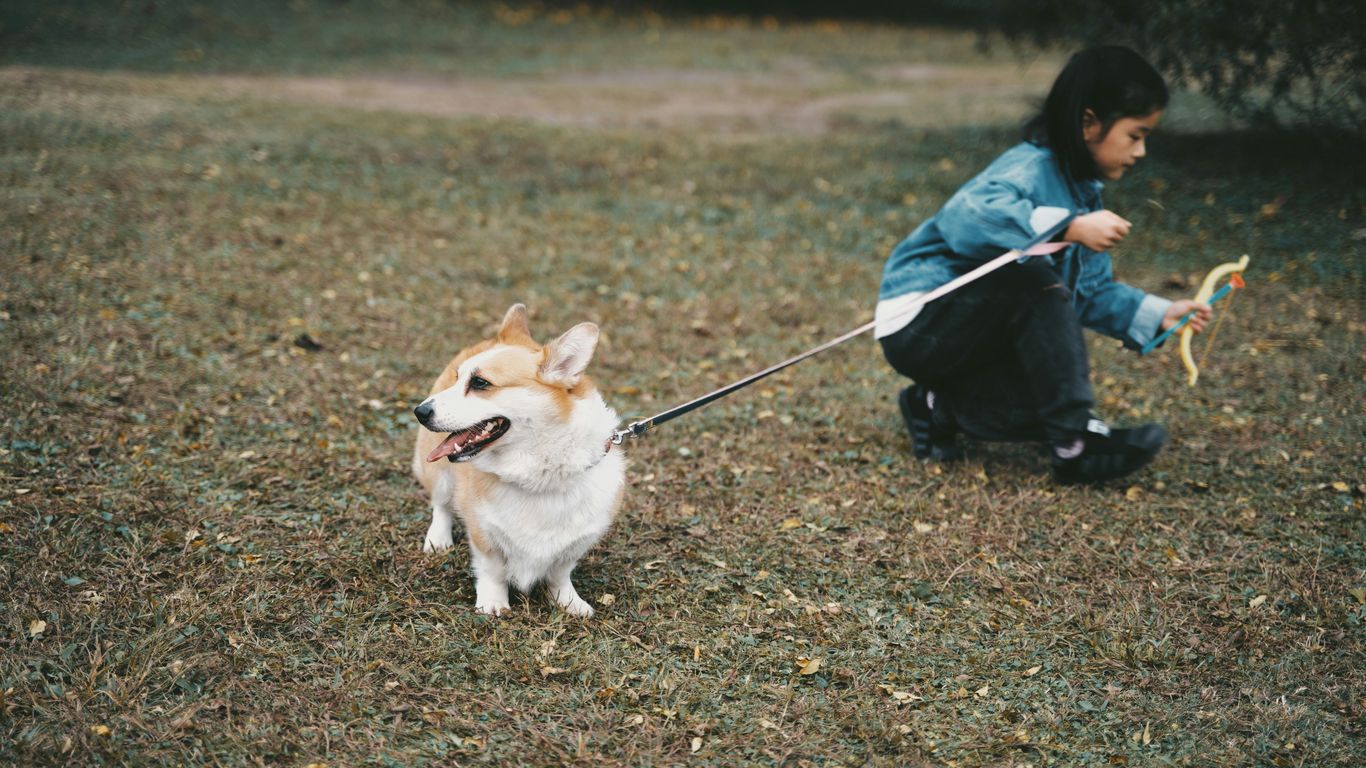
Walks are more than just potty breaks; they’re a chance for your puppy to explore, get exercise, and use their brain. If walks feel like a constant tug-of-war, it’s easy to forget that they should be fun for both of you. Making walks more interesting can actually help with leash pulling because your puppy will be more focused on you and the experience, rather than just rushing ahead.
Incorporating Life Rewards
Think of ‘life rewards’ as everyday perks your puppy gets for doing a good job. This means using things your puppy already loves as a reward for walking nicely. For instance, if your puppy walks a short distance without pulling, you can give them a few minutes to sniff a particularly interesting bush or greet a friendly passerby. These little bonuses really show your puppy that polite walking has its own great payoffs.
- Reward sniffing: Allow your puppy to stop and sniff interesting spots for a minute or two after walking politely.
- Social rewards: If your puppy is friendly, let them greet a calm, known person or dog after a period of good walking.
- Play breaks: Incorporate a quick game of fetch or tug with a favorite toy if you have one handy.
Finding A Comfortable Walking Pace
Puppies often have a lot of energy and want to move faster than we do. This natural desire to go, go, go is a big reason they pull. While you’ll eventually teach your puppy to match your speed, starting with a pace that feels a bit quicker for you can make it easier for them to learn not to pull. It’s about finding that sweet spot where your puppy feels engaged and can practice walking without feeling held back. You want to set your puppy up for success, and sometimes that means adjusting your speed to theirs, at least initially. This is a great way to start puppy training.
Keeping Training Sessions Short and Fun
Puppies have short attention spans, so trying to do long training sessions on walks will likely just lead to frustration for both of you. Keep your training bursts short and sweet. A few minutes here and there is much more effective than one long, drawn-out session. The goal isn’t to cover a lot of ground, but to practice loose-leash walking in short, positive increments. If you’re only able to walk to the end of your driveway without pulling, that’s progress! Celebrate those small wins.
Remember, the world is full of exciting things for your puppy – smells, sights, and sounds. If you’re not paying attention to them, why should they pay attention to you? Make yourself interesting! Talk to your puppy, praise them, and occasionally stop for a quick training moment or a brief game. This keeps them engaged and looking to you for cues.
Here’s a quick look at how to structure your walk time:
- Warm-up (1-2 minutes): Start with a few steps of loose-leash walking right outside your door. Reward any polite steps.
- Training Bursts (3-5 minutes): Focus on a specific skill, like stopping when the leash tightens, or rewarding walking by your side.
- Exploration/Life Reward (2-3 minutes): Allow your puppy to sniff or explore a designated spot as a reward for good walking.
- Cool-down (1-2 minutes): End with a final short stretch of loose-leash walking and praise.
By making walks more engaging and breaking down training into manageable, fun segments, you’ll find your puppy is more likely to stay focused on you and less likely to pull.
Consistency Is Key For A Puppy Leash Pulling Fix
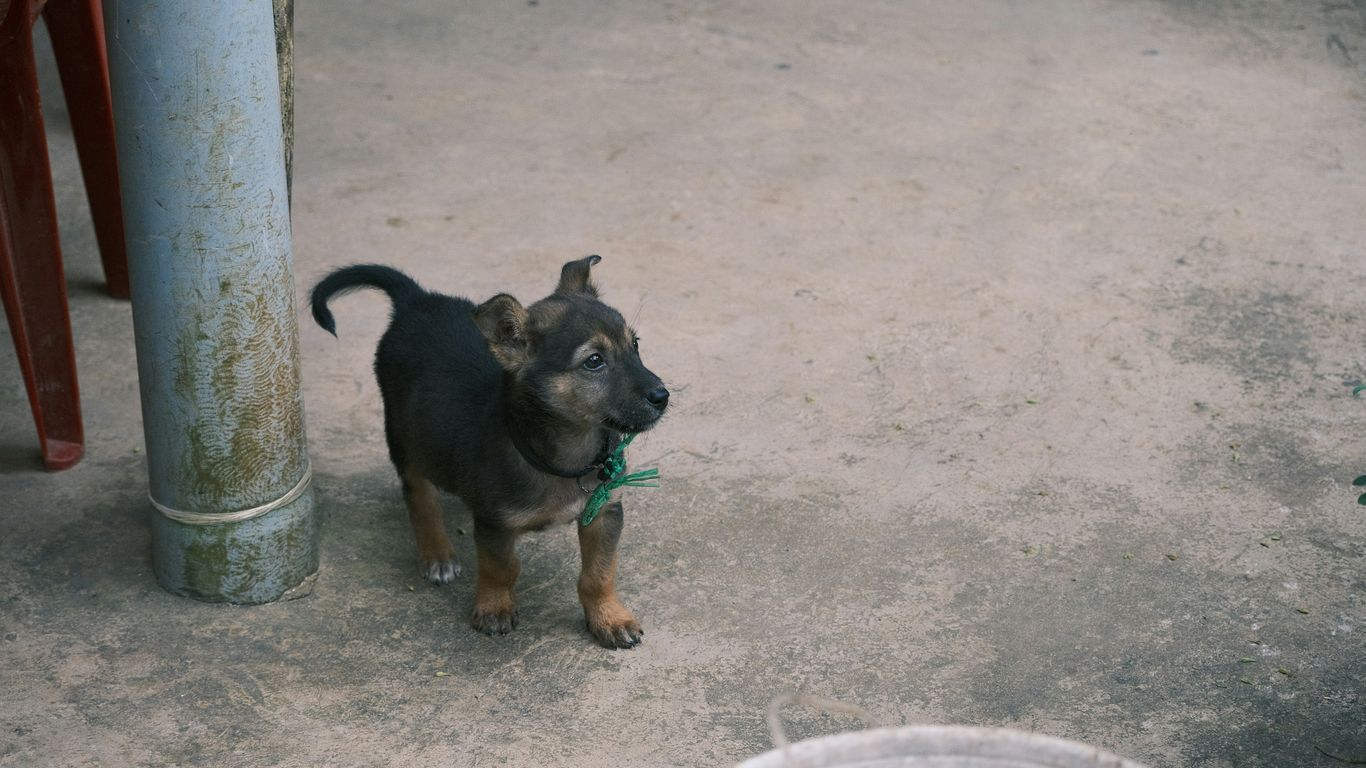
Okay, so you’ve been working on loose leash walking, and maybe you’re seeing some progress. That’s awesome! But here’s the thing: puppies are little sponges, and they learn really fast. That means they also learn bad habits really fast. To really nail this whole ‘no pulling’ thing, you’ve got to be super consistent. It’s like building a house; you can’t just put up a few walls and call it done. You need a solid foundation, and that foundation is consistency.
Never Reward Pulling Behavior
This is probably the most important rule. When your puppy pulls, they are trying to get somewhere, right? And if you keep walking, you’re basically telling them, ‘Yep, pulling works! Go get it!’ That’s the opposite of what we want. So, anytime that leash gets tight, you stop. Just freeze. Don’t move an inch. Your puppy might look at you confused, or even pull harder at first, but you have to hold your ground. The walk stops when the leash gets tight. It’s that simple.
Maintaining A Loose Leash
Once you stop when they pull, you need to wait for that leash to go slack again. This means your puppy has stopped pulling, or maybe even looked back at you. The second you feel that slack, that’s your cue to start walking again. You can even give a little praise or a tiny treat when the leash is loose and you start moving. It’s all about showing them that a loose leash is what keeps the fun going. It might feel like you’re stopping and starting every few steps at first, and honestly, you probably will be. But your puppy will start to connect the dots: tight leash = no movement, loose leash = movement and maybe even a reward.
Consistency In All Situations
This is where it gets tricky. It’s easy to be consistent when you’ve got all the time in the world and no distractions. But what about when you’re running late? Or when you see your neighbor and want to chat? Or when your puppy is desperate to greet another dog? In those moments, it’s super tempting to just let them pull a little to get where they want to go faster. Don’t do it. Every single time you let pulling slide, you’re undoing all the good work you’ve done. It’s like trying to save money but then splurging on something expensive every other day – it’s hard to get ahead.
Here’s a quick rundown of what to do:
- Pulling happens: Leash gets tight.
- Your reaction: Stop moving immediately. Become a statue.
- Waiting game: Wait for the leash to loosen. Your puppy might look back or relax.
- Reward the slack: The moment the leash is loose, start walking again. Offer praise.
- Repeat: Do this every. single. time. No exceptions.
It might feel like you’re not getting anywhere fast, especially in the beginning. You might be stopping and starting more times in five minutes than you’ve moved forward. But remember, you’re not just teaching your puppy to walk; you’re teaching them a whole new way to communicate and interact with you on walks. Patience and repetition are your best friends here.
Maintaining Calmness During Walks
Walks can be a whirlwind of exciting smells, sights, and sounds for your puppy. It’s easy for them to get overstimulated, which often leads to pulling. But keeping things calm, both for your pup and for yourself, makes a huge difference in how well training goes. Dogs really pick up on our energy, so if you’re tense, they’ll likely get tense too. Staying relaxed yourself helps your puppy feel more secure and ready to listen.
Staying Calm Yourself
It’s easier said than done, right? When your puppy is yanking you down the street towards a squirrel or another dog, your first instinct might be to pull back hard or get frustrated. But try to take a deep breath. Your calm demeanor is your puppy’s anchor. Think of it this way: if you’re stressed, your puppy thinks, "Wow, something must be really wrong or exciting here!" But if you’re chill, they’re more likely to think, "Okay, my human’s not worried, so I don’t need to be either."
- Breathe: Consciously take slow, deep breaths. It sounds simple, but it works.
- Relax your grip: Don’t white-knuckle the leash. A loose, relaxed grip is less likely to transmit tension.
- Positive self-talk: Remind yourself that this is a training moment, not a personal failure.
When you’re feeling overwhelmed by your puppy’s pulling, it’s a good time to pause. Stop moving, take a moment to regain your composure, and then resume walking. This teaches your puppy that pulling doesn’t get them where they want to go, and it gives you a chance to reset your own emotional state.
Engaging Your Puppy In Distractions
Distractions are everywhere, and they’re a big reason puppies pull. Instead of just trying to ignore them, we can use them as training opportunities. The goal isn’t to eliminate distractions, but to teach your puppy that they can stay focused on you even when exciting things are happening around them. This takes practice, and you’ll want to start small.
Here’s how to approach it:
- Start in a low-distraction area: Begin your training in a quiet spot, like your backyard or a deserted street, where there aren’t many tempting sights or smells.
- Gradually introduce distractions: As your puppy gets better, slowly add more challenging environments. Maybe a quiet park during off-peak hours, or a street with a few people walking by.
- Use high-value rewards: When your puppy successfully ignores a distraction or looks back at you, reward them immediately with something super tasty or a favorite toy. This makes paying attention to you more rewarding than the distraction itself.
- Practice "Look at That" (LAT) game: When your puppy notices a distraction (like another dog), mark the moment they look at it with a clicker or a verbal cue like "yes," and then immediately reward them when they look back at you. This teaches them to associate distractions with looking back to you for a reward.
Keeping your dog calm during walks can be a challenge, but it’s totally doable! Focus on making walks a positive experience for your furry friend. Simple techniques can help them relax and enjoy the outdoors more. Want to learn how to make every walk a peaceful adventure? Visit our website for expert tips and guidance!
Wrapping It Up
So, you’ve got the tools and tips to tackle that leash pulling. Remember, it’s not going to change overnight, but with patience and consistency, you’ll see a difference. Every dog is different, so what works like a charm for one might need a little tweaking for another. Keep those training sessions short, fun, and full of praise, and don’t get discouraged if you have a setback. You’re building a better walking relationship with your dog, and that’s totally worth the effort. Happy trails!
Frequently Asked Questions
Why does my puppy pull on the leash?
Puppies pull on the leash because it’s a natural thing for them to do. They want to get where they’re going quickly and at their own speed. When pulling helps them move forward, they learn that it works, and they keep doing it. It’s not because they’re trying to be bossy, but simply because it gets them what they want.
What’s the best tool to stop leash pulling?
A front-clip harness can be really helpful. Instead of pulling from the back of their neck, the leash attaches to the front of their chest. This makes it harder for them to pull forward. It’s like a gentle reminder to stay by your side. Always praise your puppy when they walk nicely with it!
What is the ‘Be a Tree’ method?
The ‘Be a Tree’ method means that when your puppy pulls, you stop moving and stand still, like a tree. You wait until the leash loosens before you start walking again. The idea is that pulling stops the fun of walking. However, some puppies, especially energetic ones, might get frustrated with this.
How can treats help with leash pulling?
Treats are a great way to show your puppy that walking nicely is rewarding! When your puppy walks beside you with a loose leash, give them a tasty treat and praise. This teaches them that good things happen when they don’t pull. You can start with lots of treats and slowly give them less as they get better.
Should I always use the same training method?
Not all methods work for every puppy. What works for one might not work for another. It’s important to find what motivates your puppy. Some puppies respond well to treats, while others might do better with a front-clip harness or by changing directions when they pull. Be patient and try different approaches.
How can I make walks more fun for my puppy while training?
Make walks exciting! Use ‘life rewards’ like letting your puppy sniff something interesting or greet another dog for a few moments after they’ve walked nicely. Also, try to walk at a pace that’s good for both of you, and keep training sessions short and playful. Talking to your puppy and making yourself engaging can also help them pay attention to you.