
Getting a new dog, or even just trying to teach an old dog new tricks, can sometimes feel like a big challenge. But don’t worry! There are some really cool tools out there that can make training your furry friend a lot easier and even more fun for both of you. We’re talking about the best dog training gadgets that can totally change how your pup behaves, making them a well-behaved member of the family. Let’s check out some must-have items that dog trainers often suggest.
Key Takeaways
- A treat pouch keeps rewards handy for quick positive reinforcement.
- Clickers help mark the exact moment your dog does something right.
- Positive reinforcement is key to building good habits in your dog.
- Using the right rewards, like tasty treats or favorite toys, keeps your dog motivated.
- Knowing what your dog loves, whether it’s kibble or a special toy, helps tailor your training.
1. Treat Pouch
Okay, so first up, let’s talk treat pouches. I mean, seriously, if you’re even thinking about training your dog, you need one of these. It’s like, the most basic, but most important tool in your arsenal. I remember when I first got my dog, Max, I was shoving treats in my pockets. Big mistake. Crumbs everywhere, and Max was constantly trying to get into my pants. Not a good look.
A good treat pouch keeps your treats accessible and your pockets clean.
Now, there are a ton of different treat pouches out there. Some are fancy, some are basic. But here’s what I look for:
- Easy to open and close: You don’t want to be fumbling around when your dog is actually doing what you want. Quick access is key.
- Easy to clean: Because, let’s be real, treats get messy. Especially the really good ones.
- Comfortable to wear: You’re going to be wearing this thing a lot, so make sure it doesn’t dig into your side or bounce around too much.
I’ve found that the ones that clip onto your belt are pretty good, but the ones that have a strap you can wear across your body are even better. They distribute the weight more evenly and don’t pull your pants down.
I’ve been using the Wilderdog Utility Pack for a while now, and it’s been great. It’s got a ton of space, it’s easy to clean, and it’s super comfortable. Plus, it’s got a little pocket for my phone and keys, which is a nice bonus. Seriously, get a treat pouch. You won’t regret it.
2. Clicker
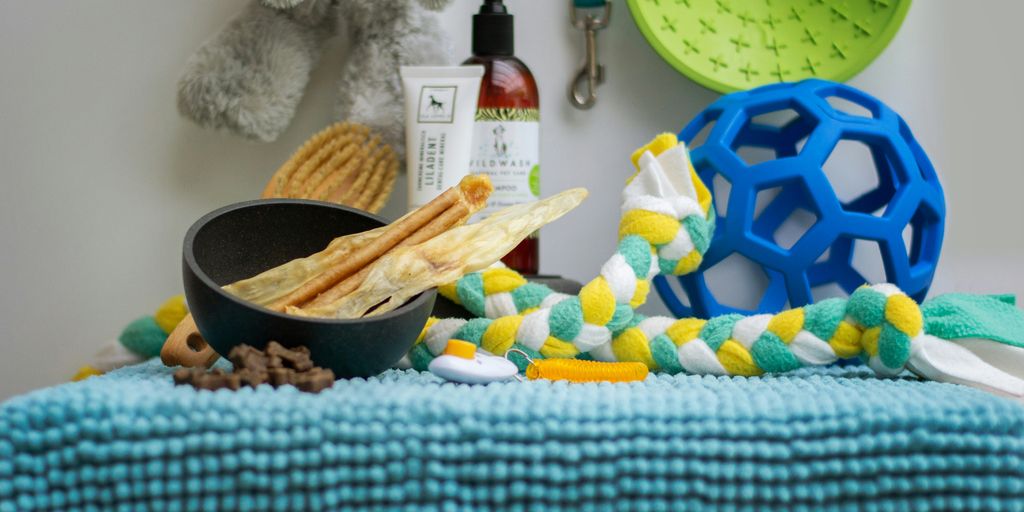
Okay, so a clicker might seem like a simple gadget, but trust me, it’s a game-changer. It’s all about clear communication with your dog. The clicker makes a distinct sound, and you use that sound to mark the exact moment your dog does something right. Think of it as a snapshot of good behavior.
It’s way more precise than just saying "good dog!" because that phrase can get muddled with other stuff you’re saying. The click is always the click, and it always means a reward is coming. This helps your dog quickly understand what you want. You can even use it to train your dog to turn off lights with verbal cues.
Here’s why clicker training is so effective:
- Precision: Marks the exact moment of the desired behavior.
- Consistency: The sound is always the same, eliminating confusion.
- Speed: Dogs learn faster because they understand more quickly what they’re being rewarded for.
I remember when I first started using a clicker with my golden retriever, Max. He was struggling with the "stay" command. But once I started clicking right as he settled into the stay, he got it almost immediately. It was like a light bulb went off in his furry little head.
To get started, you’ll need a clicker and some high-value treats. It’s also a good idea to have a treat pouch handy so you can quickly reward your pup. The key is to pair the click with a treat every time, at first. This creates a positive association. Over time, the click itself becomes a reward, because your dog knows it means something good is coming. Think of it as a form of positive reinforcement.
3. Positive Reinforcement
Okay, so you’ve got your treats and maybe even a clicker. Now what? It’s time to dive into positive reinforcement. Basically, it’s all about rewarding your dog when they do something you like. Forget about punishing bad behavior; we’re focusing on the good stuff here.
Think of it like this: you want your dog to sit. When their butt hits the ground, BAM! Treat time. They’ll quickly learn that sitting equals yummy rewards. It’s a simple concept, but it can work wonders.
Positive reinforcement is not just about giving treats randomly. It’s about being consistent and clear with your dog. They need to understand what they’re being rewarded for. Timing is everything, too. The sooner you reward them after the desired behavior, the better they’ll understand the connection.
Here’s a few things to keep in mind:
- Be consistent: Use the same commands and rewards for the same behaviors.
- Keep training sessions short and fun. No one wants to be bored, especially not your dog.
- End on a positive note. Always finish with a command your dog knows well, so they feel successful.
Positive reinforcement is a game changer. It’s a kinder, more effective way to train your dog, and it builds a stronger bond between you. Plus, who doesn’t love giving treats? You can even use positive reinforcement with a harness.
4. Rewards
Okay, so you’ve got your treat pouch and your clicker. Now, let’s talk rewards. It’s not just about tossing your dog any old snack. It’s about finding what REALLY motivates them. Think of it like this: would you work overtime for a stale cracker? Probably not. Your dog feels the same way!
The key is to tailor the reward to the task. If you’re working on something super challenging, like recall in a busy park, you need the high-value stuff. Think tiny pieces of cooked chicken, cheese, or those smelly liver treats dogs go crazy for. For easier stuff, like practicing ‘sit’ in your living room, their regular kibble might do the trick.
It’s also important to consider the rate of reinforcement. Early learning is best achieved with a high rate of reinforcement. The faster your pup gets paid, the better! If your dog is constantly winning, he’s not going to wanna stop training with you! If you can’t move any faster because your dog is slow, drop down to an easier level or sprinkle in some easy tasks to get the treats flowing again. THEN you can go back and ask for the more challenging behavior again.
Don’t be afraid to experiment! Some dogs are more motivated by toys than food. A quick game of tug-of-war or a throw of their favorite ball can be a great reward, especially for high-energy breeds. The goal is to make training fun and engaging for your dog, so they’re eager to participate. DIY dog training presents challenges, but with the right rewards, you can overcome them.
5. Toys
Toys are a great way to keep your dog entertained and can be surprisingly useful for training. It’s not just about fun and games; the right toys can help with everything from managing anxiety to reinforcing good behavior. I’ve found that having a variety of toys on hand keeps things interesting for my own dog, preventing boredom and destructive chewing.
Different toys serve different purposes, so it’s worth experimenting to see what your dog responds to best. Some dogs are all about the chase, while others prefer a good chew session. Let’s look at some options:
- Chew Toys: These are great for puppies who are teething or dogs who just love to gnaw. Look for durable materials that can withstand some serious chewing. Make sure they’re size-appropriate to avoid choking hazards.
- Fetch Toys: Balls, frisbees, and even plush toys can be used for a good game of fetch. This is a great way to burn off energy and work on recall commands. I always keep a tennis ball in my bag for impromptu play sessions.
- Puzzle Toys: These toys challenge your dog mentally, requiring them to solve a problem to get a treat. They’re fantastic for keeping your dog occupied and preventing boredom. Some dogs can spend hours with these!
6. Kibble
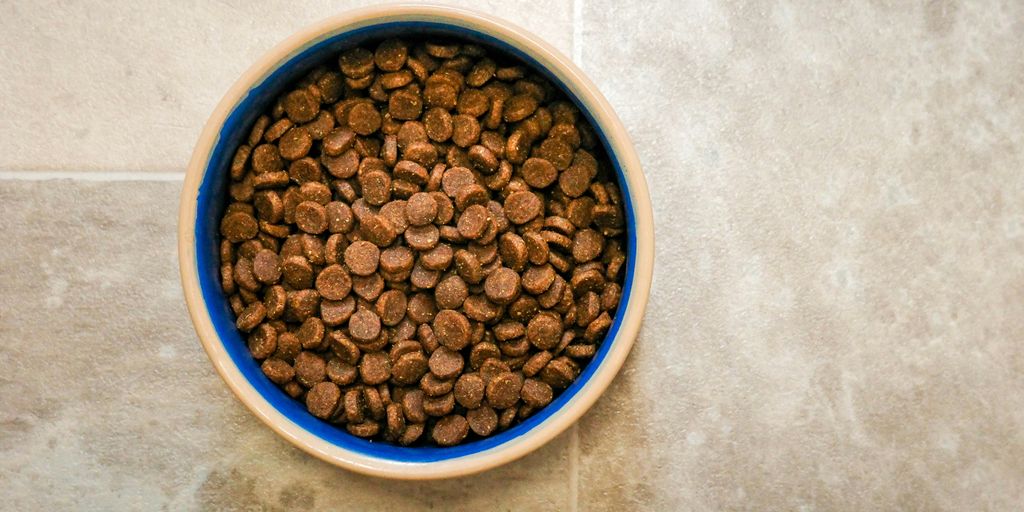
Kibble isn’t just food; it can be a powerful training tool. I mean, you’re already buying it, right? Why not make it work for you? Using your dog’s daily kibble ration for training eliminates the need for extra treats, which is great if you’re watching their weight or if they have allergies.
Instead of just dumping it in a bowl, use it for rewarding good behavior throughout the day. Think of it as payment for services rendered – sit, stay, come, whatever you’re working on. It’s convenient, cost-effective, and your dog already loves it.
I started using kibble for training with my Labrador, Max, and it made a huge difference. He was always motivated by food, but using his regular kibble meant I didn’t have to worry about him getting overweight from too many treats. Plus, it made training sessions feel more natural and less like a constant stream of sugary rewards.
Here are a few ways to use kibble effectively:
- Hand Feeding: Deliver kibble piece by piece for focused training.
- Scatter Feeding: Toss kibble on the ground to encourage foraging and mental stimulation. This is great for calming down an anxious dog.
- Puzzle Toys: Use kibble in puzzle toys to make your dog work for their food. This slows down fast eaters and provides mental enrichment. You can find a variety of dog training apps that offer tips on using food puzzles effectively.
Picking the right kibble for your dog can feel like a big puzzle. There are so many choices out there! But don’t worry, we can help you figure out what’s best for your furry friend. Learning about different kinds of dog food is super important for their health and happiness. Want to know more about making smart choices for your dog’s food bowl? Check out our best dog training courses to learn all about proper nutrition and so much more!
Wrapping Things Up
So, there you have it. Getting your dog to behave the way you want isn’t always easy, but these gadgets can really help. Think of them as tools to make things smoother for both you and your furry friend. Whether you’re just starting out with a new puppy or trying to teach an old dog new tricks, having the right stuff on hand makes a big difference. It’s all about making training fun and clear, so your pup knows exactly what you want. Happy training!
Frequently Asked Questions
What is a treat pouch and why do I need one?
A treat pouch is a handy bag you wear around your waist. It lets you keep yummy treats close by for your dog while keeping your hands free. This makes rewarding good behavior super easy and quick.
How does a clicker help with dog training?
A clicker is a small tool that makes a distinct ‘click’ sound. When you use it during training, it helps your dog understand exactly what action earned them a reward. It’s like a clear signal that says, ‘Yes, that’s what I wanted!’
What is positive reinforcement in dog training?
Positive reinforcement means you give your dog something good (like a treat or praise) when they do something you like. This makes them more likely to repeat that good behavior because they connect it with a positive outcome.
What kind of rewards should I use for training?
Rewards are anything your dog loves that you can give them for good behavior. This could be tasty treats, their favorite toy, or even a fun game. The best rewards are things your dog really, really wants!
Why are toys important for dog training?
Toys are great for dog training because they can be used as rewards, help burn off energy, and keep your dog’s mind busy. A tired, happy dog is usually a well-behaved dog!
Can I use my dog’s regular food (kibble) as a reward?
Yes, you can definitely use kibble (your dog’s regular food) as a reward, especially for simple tasks or when you’re training a lot. For harder tricks or when there are many distractions, you might want to use extra special treats to keep your dog super motivated.