
If you’re a dog owner, you probably have a lot of questions about training. Whether you’re dealing with a barking dog or trying to figure out how to socialize your puppy, it’s all part of the journey. In this article, we’ll tackle some of the most common dog training questions to help you understand your furry friend better and improve your training techniques. Let’s dive into these essential topics and find some answers!
Key Takeaways
- Understanding your dog’s behavior is key to effective training.
- Positive reinforcement can be a powerful tool in teaching your dog.
- Consistency in training helps your dog learn better and faster.
- Socialization is crucial for puppies to grow into well-adjusted adults.
- Choosing the right trainer can make a big difference in your training journey.
Understanding Dog Behavior
Why Does My Dog Bark Excessively?
Excessive barking can be a real headache, but understanding why it’s happening is the first step to fixing it. Dogs bark for all sorts of reasons, from excitement and boredom to fear and territoriality.
- Attention-seeking: Your dog might have learned that barking gets them attention, even if it’s negative attention.
- Territorial barking: They’re protecting their space from perceived threats.
- Separation anxiety: Barking can be a sign of distress when they’re left alone.
It’s important to figure out the root cause. Is it triggered by something specific, like the mailman or other dogs walking by? Or is it more constant? Keeping a log of when and where the barking occurs can help you identify patterns and triggers. Once you know why they’re barking, you can start working on solutions, like training, environmental changes, or even consulting with a vet or behaviorist.
What Causes Separation Anxiety in Dogs?
Separation anxiety is more than just a dog missing you when you’re gone; it’s a real panic disorder. Dogs with separation anxiety exhibit a range of behaviors when left alone, from barking and howling to destructive chewing and even self-harm.
- Changes in routine: A new job, a move, or even a change in the family’s schedule can trigger anxiety.
- Lack of socialization: Dogs who weren’t properly socialized as puppies may be more prone to anxiety.
- Past trauma: Abandonment or other traumatic experiences can also contribute.
| Symptom | Description |
|---|---|
| Destructive Behavior | Chewing furniture, scratching doors, digging at carpets. |
| Vocalization | Excessive barking, howling, or whining. |
| Potty Accidents | Urinating or defecating indoors, even if the dog is house-trained. |
| Pacing | Restless walking back and forth. |
| Escape Attempts | Trying to get out of the house or crate. |
Addressing separation anxiety often requires a multi-pronged approach. Regular exercise can help to burn off excess energy and reduce anxiety levels. Crate training can provide a safe and secure space for your dog when you’re not home. In severe cases, medication may be necessary, but it should always be used in conjunction with behavioral therapy.
How Can I Tell If My Dog Is Happy?
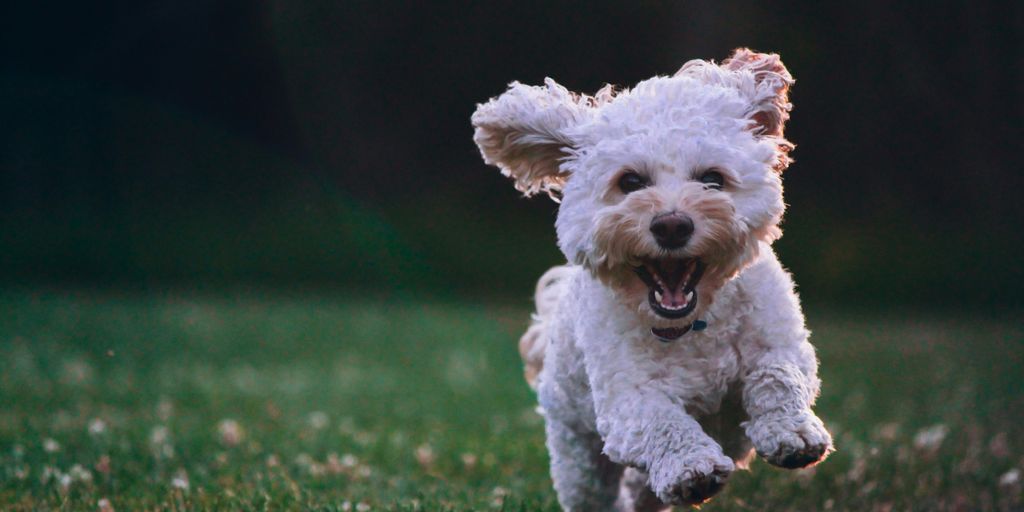
Knowing if your dog is happy isn’t always about tail wags. While a wagging tail is often a good sign, it’s important to look at the whole picture. A relaxed body posture, bright eyes, and a soft, open mouth are all indicators of a content dog.
- Body Language: A relaxed posture, with a wagging tail and soft eyes, is a good sign.
- Playfulness: A happy dog will be eager to play and interact with you.
- Appetite: A healthy appetite is usually a sign that your dog is feeling good.
Effective Training Techniques
What Is Positive Reinforcement?
Positive reinforcement is all about rewarding your dog when they do something you like. It’s a simple concept, but it can be super effective. Instead of punishing bad behavior, you focus on encouraging the good stuff. Think treats, praise, or even a favorite toy. The idea is that if your dog gets something good for doing something right, they’re more likely to do it again. It’s a win-win!
- Consistency is key. Make sure everyone in the family is on board with the same commands and rewards.
- Timing matters. Give the reward within a few seconds of the desired behavior.
- Start simple. Begin with easy commands and gradually increase the difficulty.
Positive reinforcement isn’t just about giving treats. It’s about building a positive relationship with your dog based on trust and understanding. When your dog knows that good things happen when they listen to you, they’ll be much more willing to cooperate.
This approach is favored by many, including animal behaviorists, veterinarians, and trainers, because it focuses on encouraging desired behaviors through rewards. For more information, check out these dog training myths.
How Do I Use Clicker Training?
Clicker training is a specific type of positive reinforcement that uses a clicker to mark the exact moment your dog does something right. The clicker sound becomes associated with a reward, so your dog knows exactly what they’re being praised for. It’s like saying, "Yes, that’s it!" in a way your dog understands. It can be a really precise way to train, especially for complicated behaviors.
Here’s how to get started:
- Charge the clicker. Pair the clicker sound with a treat so your dog learns the click means something good is coming.
- Click at the exact moment your dog performs the desired behavior.
- Immediately follow the click with a treat.
Are There Alternatives to Treats?
Absolutely! While treats are a common and effective reward, they’re not the only option. Some dogs are more motivated by toys, praise, or even a simple pat on the head. It really depends on your dog’s individual personality and what they find rewarding. The key is to find something that your dog loves and use that as your motivation during training.
Here are some ideas:
- Favorite toys: A squeaky toy, a ball, or a tug rope can be great rewards.
- Praise and affection: Some dogs just love a good scratch behind the ears or a verbal "Good dog!"
- Playtime: A quick game of fetch or tug-of-war can be a fun and engaging reward.
Common Training Challenges
Let’s be real, dog training isn’t always sunshine and rainbows. You’re going to hit some snags. It’s all part of the process. Knowing how to handle these common issues can make a huge difference in your dog’s progress and your sanity. It’s like, you think you’re doing everything right, but then your dog decides listening is optional. Don’t worry, we’ve all been there. Let’s dive into some of the most frustrating problems and how to tackle them.
What Should I Do If My Dog Won’t Listen?
Okay, so your dog is suddenly deaf when you ask them to sit? Super common. First, make sure they actually know the command. Go back to basics. Are you using clear, consistent cues? Sometimes, we get sloppy with our signals, and dogs get confused. Also, consider the environment. Is it too distracting? Try training in a quieter place first. High-value rewards can work wonders; if a simple treat isn’t cutting it, try something extra special, like a tiny piece of chicken or cheese.
Here’s a quick checklist:
- Simplify the environment.
- Use high-value rewards.
- Ensure cues are clear and consistent.
Remember, dogs don’t generalize well. Just because they listen in the living room doesn’t mean they’ll listen in the park. You need to practice in different locations to build reliable obedience.
How Can I Stop My Dog From Jumping?
Ah, the enthusiastic jumper. It’s usually a sign of excitement, but it can be annoying (and even dangerous). The key is to not reward the behavior. That means no eye contact, no talking, and no touching when they jump. Turn your back and ignore them until all four paws are on the floor. Then, give them attention. It takes consistency, but they’ll eventually get the message. You can also teach an alternative behavior, like sitting, and reward them for that instead. Think of it as redirecting their enthusiasm into something more acceptable. Understanding your dog’s motivations is key to effective training.
What Are the Best Ways to Handle Aggression?
Aggression is a serious issue, and it’s important to address it carefully. First, figure out what’s causing the aggression. Is it fear, resource guarding, or something else? Don’t try to handle aggression on your own. Seek help from a qualified professional, like a certified dog trainer or veterinary behaviorist. They can assess the situation and create a safe and effective training plan.
Here are some important points to remember:
- Never punish aggressive behavior; it can make it worse.
- Manage the environment to prevent triggers.
- Work with a professional to develop a behavior modification plan.
Aggression isn’t something to take lightly. It requires a professional’s touch to ensure the safety of everyone involved. Remember, seeking help is a sign of responsible pet ownership.
Socialization and Interaction
How Important Is Socialization for Puppies?
Socialization is super important for puppies. It’s the period where they learn how to interact with the world around them, and it shapes their behavior for the rest of their lives. Think of it as building a foundation. A well-socialized puppy is more likely to grow into a confident, well-adjusted adult dog. Early and positive experiences are key. It’s not just about meeting other dogs; it’s about exposure to different people, places, sounds, and situations. This helps them develop into well-rounded companions. Enrolling in socialization classes can be a great way to introduce your puppy to new experiences in a controlled environment.
- Reduces fear and anxiety.
- Prevents aggression.
- Builds confidence.
Socialization isn’t just about throwing your puppy into a dog park and hoping for the best. It’s about carefully managing their experiences to ensure they’re positive and not overwhelming. Gradual exposure is key.
What Are the Signs of a Well-Socialized Dog?
Knowing what to look for can help you gauge how well your dog is socialized. A well-socialized dog is generally relaxed and confident in new situations. They’re not overly fearful or aggressive. They can interact appropriately with other dogs and people. They might show curiosity rather than fear when encountering something new. Body language is a big indicator. A relaxed posture, wagging tail, and willingness to approach are all good signs. A dog that’s constantly barking, hiding, or showing their teeth might need more socialization work.
How Can I Socialize My Dog Safely?
Safety is paramount when socializing your dog. Start slowly and gradually increase exposure. Here’s a few things to keep in mind:
- Controlled Environments: Begin in quiet, controlled settings where you can manage interactions.
- Positive Reinforcement: Use treats and praise to reward calm and confident behavior.
- Read Body Language: Pay close attention to your dog’s body language and remove them from the situation if they seem stressed or overwhelmed.
It’s also important to remember that every dog is different. Some dogs are naturally more outgoing, while others are more reserved. Don’t force your dog into situations they’re not comfortable with. Let them set the pace. If you’re unsure how to proceed, consult with a professional dog trainer or behaviorist. They can provide guidance and support to help you socialize your dog safely and effectively.
House Training Essentials
What Are the Best Methods for House Training?
Okay, so you’ve got a new dog or puppy, and the first thing on your mind is probably how to get them house trained. It can feel like a huge task, but it’s totally doable with some patience and the right approach. Consistency is absolutely key here.
- Establish a routine: Take your dog out frequently, especially after waking up, after meals, and before bedtime.
- Use positive reinforcement: When your dog eliminates outside, praise them enthusiastically and offer a treat.
- Clean up accidents thoroughly: Use an enzymatic cleaner to eliminate odors and prevent repeat offenses in the same spot.
Don’t punish your dog for accidents. It can create fear and anxiety, making house training even harder. Instead, focus on rewarding good behavior.
How Long Does It Take to House Train a Dog?
Honestly, there’s no one-size-fits-all answer. It really depends on the dog. Some puppies might get the hang of it in a few weeks, while others, or even some older dogs, might take several months. Factors like age, breed, personality, and previous experiences all play a role. Even your own consistency with the training questions can impact the timeline. Just stick with it, and try not to get discouraged if there are setbacks.
What Should I Do If My Dog Has Accidents Indoors?
First off, don’t freak out! Accidents happen. The most important thing is how you react. Here’s a quick rundown:
- Interrupt the accident: If you catch your dog in the act, calmly interrupt them with a firm "No" or "Uh-oh."
- Immediately take them outside: Lead them to their designated potty spot and encourage them to finish.
- Praise and reward if they eliminate outside: Even if they’ve already gone inside, rewarding them for going outside reinforces the desired behavior.
- Clean the accident thoroughly: As mentioned before, use an enzymatic cleaner to eliminate odors. This prevents your dog from being attracted to the same spot again.
- Re-evaluate your routine: Are you taking your dog out frequently enough? Are you missing their cues that they need to go? Adjust your schedule as needed.
Choosing the Right Trainer
Finding the right dog trainer can feel overwhelming. There are so many options, and it’s hard to know who to trust. It’s important to do your research and find someone who is qualified, experienced, and a good fit for you and your dog. Don’t be afraid to ask questions and trust your gut. A good trainer will be happy to answer your questions and make you feel comfortable with the training process.
What Qualifications Should a Dog Trainer Have?
It’s important to look for a trainer with certifications from reputable organizations. These certifications often mean the trainer has completed a certain amount of education and has demonstrated their knowledge and skills. However, certifications aren’t everything. Experience is also key. Look for a trainer who has worked with a variety of dogs and has a proven track record of success. Also, make sure they are up to date with dog training science.
How Do I Find a Trainer That Fits My Needs?
Start by asking for recommendations from friends, family, or your veterinarian. You can also search online directories of certified dog trainers. Once you have a few potential trainers, read reviews and check out their websites or social media pages. Pay attention to their training philosophy and methods. Do they use positive reinforcement techniques? Do they specialize in certain types of training, such as puppy training or behavior modification? Make sure their approach aligns with your values and your dog’s needs.
What Questions Should I Ask a Potential Trainer?
Before hiring a trainer, schedule a consultation to discuss your dog’s specific needs and your training goals. Here are some questions to ask:
- What is your training philosophy and methodology?
- What experience do you have with my dog’s breed or behavior issues?
- What are your rates and payment options?
- Do you offer group classes or private lessons?
- What is your cancellation policy?
- Can you provide references from past clients?
Choosing a dog trainer is a big decision. Take your time, do your research, and find someone who is a good fit for you and your dog. The right trainer can make all the difference in helping you build a strong, positive relationship with your furry friend.
Maintaining Training Consistency
It’s easy to get excited when you first start training your dog, but consistency is where the real magic happens. Think of it like this: you can’t expect to go to the gym once and be in perfect shape, right? Dog training is the same. It’s about building habits, and that takes time and dedication.
How Often Should I Train My Dog?
Finding the right training frequency really depends on your dog’s personality, age, and what you’re trying to teach them. Short, frequent sessions are often more effective than long, infrequent ones. Aim for a few minutes of training several times a day. This helps keep your dog engaged and prevents them from getting bored or overwhelmed. Remember, it’s better to end on a high note, leaving your dog wanting more. This approach keeps training interesting and helps avoid overtraining.
What Are the Best Practices for Reinforcement?
Reinforcement is all about making your dog want to repeat the behaviors you like. Positive reinforcement, like treats, praise, or toys, works wonders. The key is to be consistent with your rewards. If you’re teaching your dog to sit, reward them every time they sit correctly, especially in the beginning. As they get better, you can start to vary the rewards, but always make sure they know they’re doing a good job. Don’t forget that affection can be a great reward too, though it might not work for every dog. Some dogs might only respond to affection, and that’s okay!
How Can I Keep My Dog Engaged During Training?
Keeping training fun and engaging is crucial for success. If your dog is bored, they’re not going to learn. Here are a few tips:
- Keep sessions short and sweet.
- Use high-value rewards that your dog loves.
- Vary the exercises to prevent boredom.
- End each session on a positive note.
- Make sure you establish a consistent routine for your dog.
Inconsistent training can really mess with your dog’s understanding and motivation. Small adjustments in your daily interactions can lead to big improvements in your dog’s behavior. If you’re having trouble, don’t be afraid to seek help from a professional trainer. They can provide personalized guidance and help you overcome any challenges you’re facing.
Staying consistent with your dog training is key to success. Make sure to set a regular schedule for practice, even if it’s just a few minutes each day. This helps your dog learn better and builds a strong bond between you two. If you want to learn more about effective training methods, visit our website for tips and resources that can help you and your furry friend thrive!
Wrapping It Up
So there you have it! We’ve tackled some of the most common questions about dog training. Remember, every dog is unique, and what works for one might not work for another. Be patient with your pup and yourself. Training takes time, and it’s all about building that bond. If you’re ever stuck, don’t hesitate to reach out to a professional trainer who can guide you. They can help you find the right approach for your furry friend. Keep practicing, stay positive, and enjoy the journey with your dog!
Frequently Asked Questions
Why does my dog bark so much?
Dogs bark for many reasons. They might be bored, scared, or trying to get your attention. It’s important to find out what is causing the barking and address it.
What can I do about my dog’s separation anxiety?
Separation anxiety happens when a dog feels really scared when left alone. To help, you can start by leaving your dog alone for short periods and slowly increase the time.
How can I tell if my dog is happy?
A happy dog usually has a wagging tail, relaxed body, and playful behavior. They may also enjoy being around you and other dogs.
What is positive reinforcement in dog training?
Positive reinforcement means rewarding your dog for good behavior. This can be treats, praise, or playtime. It helps them learn what you want them to do.
What should I do if my dog isn’t listening to me?
If your dog isn’t listening, try to make training fun and rewarding. Use treats or toys to motivate them, and practice in a quiet place without distractions.
How important is it to socialize my puppy?
Socializing your puppy is very important. It helps them learn how to behave around other dogs and people. The more experiences they have, the better they will adjust as they grow.