
Getting a new puppy is super exciting, but it also means getting ready for training. It can feel a bit overwhelming with all the stuff out there that claims to be the best puppy training equipment. You don’t need a million things, though. Honestly, a few key pieces can make a world of difference in teaching your furry friend the ropes. Let’s look at what you’ll actually need to make training smoother and more fun for both of you.
Key Takeaways
- High-value treats are a must for positive reinforcement training.
- A sturdy leash and a well-fitting collar or harness are essential for walks and control.
- Training aids like clickers or treat pouches help with timing and keeping rewards handy.
- Management tools like crates, gates, and playpens help prevent unwanted behaviors while training.
- Toys can be great rewards for play-motivated dogs and help redirect chewing.
1. High-Value Treats
When you’re starting out with puppy training, treats are pretty much your best friend. They’re the currency you use to tell your pup, "Yes, that’s exactly what I wanted!" While any old biscuit might work for a quick "sit," for really capturing your dog’s attention, especially when there are squirrels or interesting smells around, you need something special. These are your high-value treats.
What makes a treat high-value? Usually, it’s something small, soft, and a bit stinky. Think tiny pieces of freeze-dried liver, chicken, or other meaty morsels. The key is that they’re extra enticing to your dog. Because you’ll be using a lot of them, especially in the beginning, breaking bigger treats into smaller pieces is a good idea. This way, you can reward frequently without overfeeding your pup. It also helps keep them engaged for longer training sessions.
Here’s a quick rundown of what to look for:
- Irresistible Smell and Taste: Dogs are driven by their noses, so strong-smelling treats are a winner.
- Soft Texture: Soft treats are easier for puppies to chew quickly, meaning less interruption during training.
- Small Size: Tiny, pea-sized pieces allow for frequent rewards without adding too many calories.
- Nutritious Ingredients: Look for single-ingredient treats like freeze-dried meats whenever possible.
Having a good stash of these special treats readily available is a game-changer. It means you can reward your puppy the instant they do something right, which is super important for them to connect the action with the reward. If you’re fumbling around in your pockets, you might miss that crucial moment.
Some popular options include freeze-dried liver, small pieces of cooked chicken or cheese, or commercially made training treats specifically designed to be highly palatable. Just remember to factor these extra calories into your puppy’s daily food intake to avoid weight gain.
2. Durable Leash
When you’re starting out with your new puppy, a good leash is absolutely key. It’s not just for walks; it’s a primary tool for training and keeping your pup safe. Think of it as your main line of communication when you’re out and about.
You’ll want a leash that’s sturdy and comfortable to hold. Most trainers suggest a length between four and six feet. This gives your dog enough room to sniff around and explore a bit, but it also keeps them close enough for you to manage them, especially in busy areas or when they’re still learning.
What kind of material should you look for? Nylon and leather are popular choices because they’re tough and can hold up to a bit of pulling. Some leashes are made from biothane, which is waterproof and dries fast – super handy if you live somewhere with lots of rain or snow. It’s also pretty easy to clean. For example, the High Tail Hikes Custom Brass Leash is a solid option known for its durability and comfortable grip.
What you should probably avoid are those retractable leashes. They can give a false sense of security, and honestly, they don’t offer the same level of control. If your dog suddenly lunges, a retractable leash can snap, which is dangerous for everyone. Instead, for giving your dog more freedom, especially for recall training, a long line is a much better choice.
Here are a few things to consider when picking out a leash:
- Length: 4-6 feet is generally ideal for training.
- Material: Look for something tough like nylon, leather, or biothane.
- Hardware: Make sure the clasp is strong and easy to attach securely to your dog’s collar or harness.
- Comfort: The handle should feel good in your hand, even on longer walks.
A well-chosen leash isn’t just an accessory; it’s a vital piece of equipment that supports your training efforts and ensures your puppy’s safety as they learn about the world around them.
3. Collar
When you’re starting out with your new puppy, a collar is one of the first pieces of gear you’ll need. It’s not just for attaching ID tags, though that’s super important, especially before your pup knows how to come when called. A well-fitting collar is key for safety and control during training walks and everyday outings.
The most common and generally recommended type for training is a simple flat collar. Think of it like a basic strap. The width of the collar should match your puppy’s size. A tiny pup might only need a narrow strap, maybe half an inch wide, while a bigger dog like a German Shepherd might need something closer to 1.5 inches. A Great Dane could even need a 2-inch wide collar. It just needs to be sturdy enough for your dog’s build.
Nylon collars with a quick-release buckle are usually a good bet for most dogs. They’re comfortable, easy to get on and off, which is a lifesaver when you’re dealing with a wiggly puppy who isn’t used to wearing things yet. It makes the whole process less of a hassle for both of you.
There are a few different styles to consider:
- Flat Collar: This is your standard, everyday collar. It lies flat against the neck and is usually adjustable.
- Martingale Collar: If your dog is a bit of an escape artist, a martingale collar can offer extra security. It has two loops; when your dog pulls, the collar tightens just a bit, making it harder for them to slip out. They don’t choke, but they do provide a snugger fit when needed.
It’s really important to know what not to use, too. Most trainers and vets advise against choke chains, shock collars, and prong collars for regular training. Studies show these can cause more problems than they solve. While they might stop a behavior right away, they can lead to anxiety, aggression, or even make your dog shut down because they’re scared. We want training to be a positive experience, not one based on fear.
When you’re picking out a collar, always check the fit. You should be able to comfortably slip two fingers between the collar and your puppy’s neck. Puppies grow fast, so you’ll need to check the fit almost daily at first. Make sure it’s not so loose that it can slide over their head, but not so tight that it’s uncomfortable. And remember, if your puppy is going to be in a crate, it’s a good idea to take their collar off to prevent any accidents.
4. Training Treat Pouch
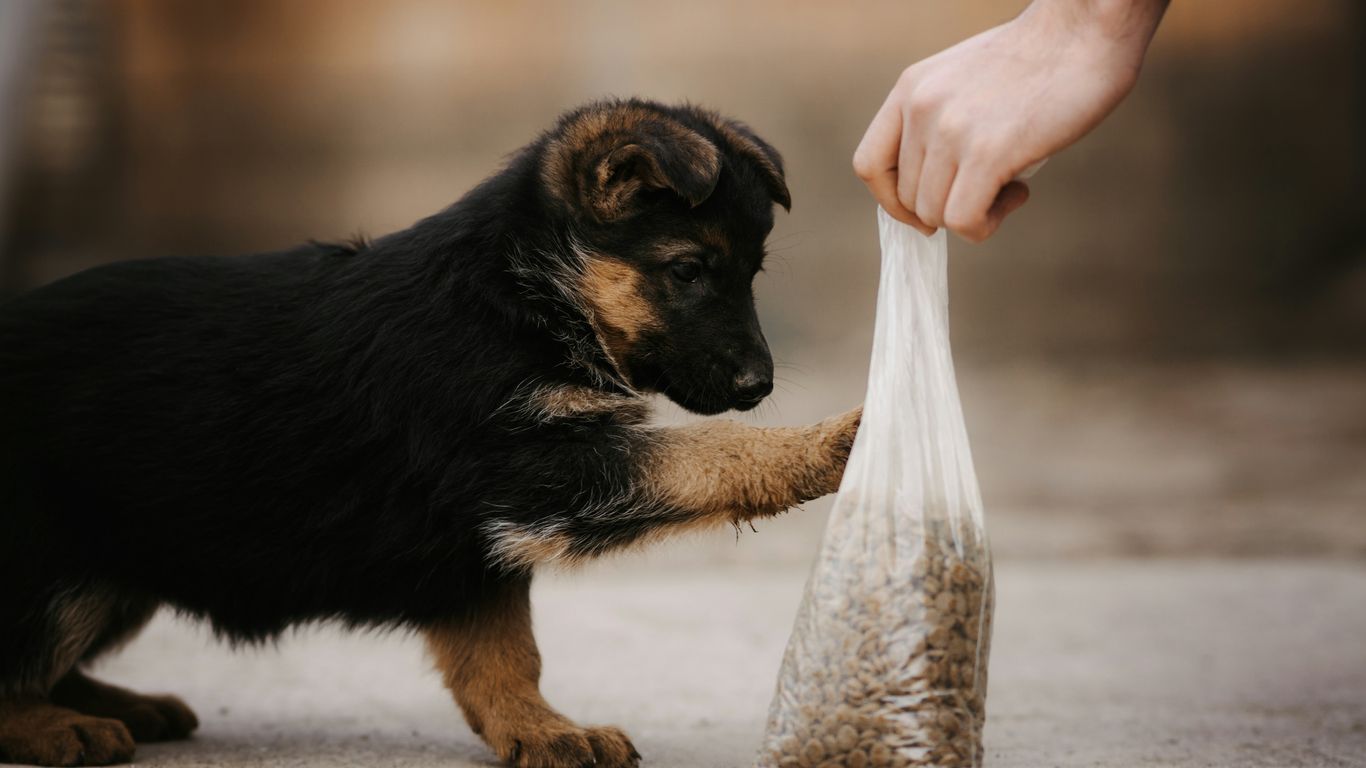
Okay, so you’ve got your high-value treats ready to go, but how do you keep them handy without fumbling around in your pockets every two seconds? That’s where a good training treat pouch comes in. Seriously, this little accessory is a game-changer for positive reinforcement training.
Think about it: when your pup does something amazing, you want to reward them immediately. If you’re digging through your bag or pockets, you’re losing that crucial timing. A treat pouch keeps those tasty rewards right at your hip, easily accessible. It means you can mark the behavior and deliver the treat in a split second, making it much clearer for your dog what they’re being praised for. It’s not just about treats, either. Many pouches have extra pockets for clickers, poop bags, or even your keys and phone, making them super practical for quick outings.
Here’s what to look for:
- Easy Access: Look for pouches with magnetic closures or simple open tops. You want to be able to grab a treat without a struggle.
- Durability: It’s going to get used a lot, so pick one made from sturdy material that can handle being clipped to your belt or worn around your waist.
- Size: Consider how many treats you’ll need for a typical training session. Some are small and discreet, while others are larger.
- Washability: Treats can get a bit crumbly and greasy, so a pouch that’s easy to clean is a big plus.
Having your treats readily available in a dedicated pouch helps maintain the flow of your training sessions. It minimizes distractions for both you and your dog, allowing for more focused and effective learning. It’s a small piece of gear that makes a big difference in keeping training sessions smooth and rewarding.
5. Clicker
Okay, so you’ve got your treats, maybe a leash and collar. What’s next on the puppy training gear list? A clicker. Honestly, when I first heard about them, I was a bit like, "Really? A little plastic thing that makes a noise?" But let me tell you, it’s a game-changer. It’s a super simple tool, but it works wonders for marking the exact moment your dog does something right. Think of it as a tiny, precise announcer for good behavior.
This little device is all about clear communication. When your puppy does what you want – maybe they sit, or look at you when called – you click the clicker immediately. Then, you give them a treat. The click is like a little "yes!" that tells them precisely what they did to earn that reward. It’s way more specific than just saying "good boy" after the fact, which can sometimes be confusing for a young pup. This method, often called clicker training, helps them learn much faster because they get instant feedback.
Here’s the basic idea:
- Introduce the clicker: Let your puppy hear the click and then immediately get a treat. Do this a few times so they associate the sound with something good.
- Mark the behavior: When your puppy offers a behavior you like (like sitting), click the moment it happens.
- Reward: Follow the click with a high-value treat.
- Repeat: Practice this often in short, fun sessions.
It sounds almost too easy, right? But the consistency of the click really helps dogs understand what you’re asking. Plus, it’s a pretty affordable piece of equipment. You can find them in packs, so you can keep one handy wherever you go. Some even come with wrist straps, which is handy when you’re juggling a leash and treats.
6. Puppy Crates
A crate can be a really useful tool when you’re bringing a new puppy home. Think of it like a safe den for your dog, a place where they can relax and feel secure. It’s also super handy for keeping them out of trouble when you can’t supervise them directly, kind of like a playpen for a baby. When you’re picking one out, make sure it’s big enough for your puppy to stand up and turn around in comfortably, even when they’re fully grown. You don’t want to have to buy a new one every few months!
It’s a good idea to put some comfy bedding inside, maybe a chew toy or two at the far end to encourage them to go in. You can start by putting your sleeping puppy in there gently. Gradually increase the time they spend in the crate, and at first, stay in the room with them so they don’t feel alone. Always make sure your puppy has had a chance to go potty before going into the crate, and don’t leave them in there for too long during the day – a couple of hours is usually plenty.
Never, ever use the crate as a punishment. If your puppy starts to associate it with being in trouble, they’ll end up resenting it, and that defeats the whole purpose.
Remember to take your puppy’s collar off when they’re in the crate, just in case it gets snagged on anything. Getting your puppy used to their crate is a process, and there are some great resources to help you with crate training your dog. It takes patience, but it’s worth it for a happy, well-adjusted pup.
7. Play Pens
Play pens are super handy, especially when you’re still working on house-training or just need to keep your puppy contained safely for a bit. Think of them as a temporary, safe zone for your pup. They’re great for giving your puppy a secure space to play and explore without you having to hover over them every second.
These pens are really versatile. You can use them indoors to create a safe play area, maybe in the living room or kitchen, or even outdoors if you have a fenced yard. It’s a good way to stop them from getting into trouble, like chewing on furniture or having accidents in places they shouldn’t. It also helps them learn to entertain themselves, which is a pretty important skill for any dog to have.
When you’re picking one out, consider the size of your puppy and how much space they’ll need. You want something sturdy that won’t tip over easily. Some pens are modular, meaning you can change the shape and size, which is nice if your needs change. It’s also a good idea to look for one that’s easy to clean, because, well, puppies.
Here are a few things to think about when using a play pen:
- Safety First: Always make sure there are no small objects or hazards within reach inside the pen.
- Positive Association: Introduce the pen gradually. You can put some favorite toys and treats inside to make it a fun place to be.
- Supervision is Still Key: While a play pen offers safety, it’s not a substitute for supervision, especially with very young puppies.
- Potty Training Aid: You can use a play pen to confine your puppy to a smaller, easier-to-clean area, which can be helpful during potty training.
Play pens are a fantastic management tool. They help prevent your puppy from practicing unwanted behaviors, like chewing on things they shouldn’t, while you’re working on teaching them better habits. It’s all about setting them up for success.
8. Child Gates
Okay, so you’ve got your puppy, and they’re adorable, but let’s be real, they can also be a handful. That’s where child gates, or baby gates as some people call them, come in super handy. Think of them as your puppy’s personal bouncer, keeping them out of areas where they shouldn’t be, like the kitchen when you’re cooking or that room where you keep all your nice shoes.
These gates are fantastic for creating safe zones for your puppy and protecting your home. They’re not just for babies, you know! You can use them to block off stairways, keep your pup out of the living room while they’re still learning not to chew the furniture, or even just to give them their own little space to chill without getting into trouble.
When you’re picking one out, think about a few things:
- Height: You want it tall enough that your puppy can’t just hop over it. Some puppies are surprisingly athletic!
- Width: Make sure it fits the doorways or openings you need to block. Some are adjustable, which is a nice bonus.
- Stability: You don’t want a flimsy gate that your puppy can easily knock over. Look for something sturdy.
- Type: There are pressure-mounted ones that just wedge into place, and hardware-mounted ones that screw into the wall. For puppies, pressure-mounted is usually fine and easier to move around.
Using gates is a really good way to manage your puppy’s environment. It helps them learn boundaries and keeps them safe while you’re busy or not directly supervising. Plus, it saves you from constantly saying "no" or cleaning up messes.
They’re a simple tool, but honestly, they make a huge difference in managing a new puppy. You can set up a little safe haven for them, or just keep them contained when you need to. It’s all about making life easier for both of you.
9. Bedding
When you bring your new puppy home, having a comfy spot for them to rest is super important. You’ll want to get bedding that’s big enough for them to grow into, so they can stretch out and get cozy. Think about getting a couple of pieces of something like ‘Vetbed’ or a similar synthetic sheepskin material. It’s great because it’s easy to wash, doesn’t usually cause allergies, and is pretty tough against chewing. Plus, having two means you always have a clean one ready while the other is in the wash.
The right bedding can make a big difference in how secure and settled your puppy feels.
Here are a few things to consider when picking out bedding:
- Size: Make sure it’s large enough for your puppy to stand up, turn around, and lie down comfortably, with room to grow.
- Material: Look for something soft, washable, and durable. Materials that are easy to clean are a lifesaver with puppies.
- Washability: Puppies have accidents, so choose bedding that can be machine washed and dries relatively quickly.
- Comfort: While durability is key, don’t forget softness. A plush surface can make your puppy feel safe and warm.
Some puppies might even enjoy a bed with raised sides, which can give them a sense of security, almost like a den. For example, the PetFusion Ultimate Dog Bed has a bolstered rim that many dogs find comforting. It’s all about creating a safe and inviting space for your little one to relax and recharge.
10. Bowls
When you’re setting up your puppy’s space, don’t forget about their food and water bowls. It might seem simple, but the right bowls can make a difference. You’ll want something sturdy that won’t slide all over the floor when your pup gets excited about mealtime.
Stainless steel or ceramic bowls are generally the best bet. They’re easy to clean, durable, and less likely to harbor bacteria compared to plastic. Plus, they have a bit of weight to them, which helps keep them in place. Look for ones with a non-slip base or consider getting a mat to put underneath them. This prevents that annoying scraping sound and keeps the bowls from moving around.
Here are a few things to think about when picking out bowls:
- Material: Stainless steel, ceramic, or heavy-duty plastic are good choices. Avoid flimsy plastic that can scratch easily.
- Size: Make sure the bowls are appropriately sized for your puppy. They should be deep enough to hold their food and water without spilling, but not so deep that your puppy has to strain to reach the bottom.
- Stability: As mentioned, a non-slip base or a mat is a lifesaver. You don’t want your puppy chasing their bowl across the kitchen.
While you might be tempted to grab the cheapest option, investing in a couple of good quality bowls will save you hassle in the long run. They’ll last longer and be easier to maintain, which is always a win when you’re dealing with a new puppy.
11. Long Line For Recall Training
When you’re working on getting your puppy to come back to you reliably, especially when there are distractions like squirrels or other dogs, a long line is your best friend. It’s basically an extra-long leash, often made of sturdy nylon or biothane, that can be anywhere from 15 feet to even 50 feet long. This gives your pup a lot more freedom to explore and move around, but you still have control.
It’s a fantastic tool for practicing recall in a safe way. You can let them get a good distance away, and if they don’t come when called, you can gently reel them in or use the line to guide them back. This prevents them from running off and potentially getting into trouble, which is a big worry when you’re just starting out with recall.
Here’s why it’s so helpful:
- Safety First: It keeps your dog from running off into dangerous situations, like busy streets or far away from you in a park.
- Builds Confidence: It allows your dog to gain confidence in their recall skills in more open spaces without the risk of them ignoring you and getting lost.
- Gradual Independence: You can slowly increase the distance and distractions as your dog gets better, gradually teaching them to come back even when they’re far away.
- Management Tool: It’s also useful for managing dogs who might be a bit nervous around other dogs or people, giving them space while still keeping them close.
Think of it as a safety net while your dog is learning a really important life skill. It’s not meant for everyday walks, but for dedicated training sessions, it’s a game-changer. You want to make sure the line is durable and comfortable to hold, especially if you’re using a longer one. Some people prefer a swivel clip to prevent tangles, which can be a nice bonus. Just remember to always supervise your dog when they’re on a long line; it’s not a substitute for active training and supervision.
12. Training Mat
A training mat is a super handy tool, especially if your puppy gets a bit too excited or if you want to take them to new places. It gives them a designated spot to settle down and learn to relax, no matter where you are. Think of it as a portable "chill zone" for your dog.
You can bring this mat to a friend’s house, a cafe patio, or even just to a different room in your own home. The idea is that when the mat comes out, your dog knows it’s time to be calm and focused. It’s important not to let your dog just lounge on it all the time, though. You want it to be special for training sessions. A mat that’s a different color than your floor or slightly raised can help your dog notice it more easily. And if it has a non-slip backing, that’s a big plus, especially for energetic pups who might jump onto it.
Don’t feel like you need to buy a fancy, store-bought mat. A simple bath mat, a sturdy towel, or even an old yoga mat can work just fine. The main goal is to give your dog a clear signal about what’s expected of them.
Here’s a quick rundown of why a training mat is useful:
- Provides a clear "place" cue: Helps your dog understand where to go and what to do.
- Teaches relaxation: Great for helping your dog learn to settle in various environments.
- Portable comfort: Gives your dog a familiar spot in unfamiliar surroundings.
- Manages excitement: Can help curb over-excitement in busy or distracting situations.
Using a training mat can really help build your dog’s confidence in new situations. It’s like giving them a little anchor of familiarity wherever you go, making them feel more secure and less likely to get overwhelmed.
13. Toys
Toys are super important for keeping your puppy busy and happy. If they don’t have their own stuff to chew on, they might just decide your favorite shoes look like a good alternative. Plus, playing with toys is great for their brain, helps keep their teeth clean, and gives their jaws a good workout.
When picking out toys, be smart about it. You don’t want anything too small that could be a choking hazard, and avoid things that splinter easily. Definitely steer clear of regular sticks or small, hard balls like golf balls – those can get stuck in their throat and cause real problems.
Having a variety of toys is key to keeping your puppy engaged.
Here are a few types that are usually a hit:
- Chew Toys: These are perfect for teething puppies and satisfy their natural urge to gnaw. Look for durable rubber or nylon options.
- Fetch Toys: Balls and frisbees are classics for a reason. They’re great for burning energy and practicing commands like "fetch."
- Puzzle Toys: These dispense treats as your dog plays, providing mental stimulation and keeping them occupied.
- Plush Toys: Soft toys can be comforting, but make sure they’re sturdy and don’t have small parts that can be easily ripped off and swallowed.
Remember, the goal is to provide safe and engaging outlets for your puppy’s energy and chewing instincts. It’s not just about fun; it’s about redirecting potentially destructive behaviors into positive ones.
14. Head Collar
Head collars, sometimes called head halters, are a bit like a horse’s bridle for your dog. They fit around the muzzle and behind the ears, with the leash attaching under the chin. The idea is that when your dog pulls, the head collar gently guides their head back towards you, discouraging forward momentum. They can be a really effective tool for dogs that pull persistently on walks.
Think of it this way: if a dog pulls, their head is pulled to the side, which makes it harder for them to keep pulling forward. It’s a pretty neat concept, and for some dogs, it makes a world of difference. It’s not a magic fix, though. You can’t just slap one on and expect miracles. Your dog will likely need some time to get used to wearing it, and you’ll need to pair it with consistent training. It’s all about positive reinforcement here; you want your dog to associate the head collar with good things, not discomfort.
Here’s a quick rundown on using one:
- Acclimation is key: Start by letting your dog wear it for short periods indoors, offering treats and praise. Gradually increase the time they wear it.
- Leash attachment: Always attach the leash under the chin. Never yank or pull harshly; gentle guidance is the goal.
- Combine with training: Use it alongside positive reinforcement training to teach loose-leash walking. It’s a tool to help, not a replacement for training.
- Know when to switch: If your dog shows significant distress or discomfort, it might not be the right tool for them. Consider other options like a front-clip harness.
While they can be a great help for pulling, remember that a head collar isn’t suitable for every dog or every situation. Some dogs just don’t tolerate them well, and that’s okay. Always prioritize your dog’s comfort and well-being.
15. Anti-Pulling Aids
Okay, so your puppy is a little enthusiastic on walks, right? It happens. There are a bunch of gadgets out there designed to help with pulling, mostly harnesses and head collars. The idea is to make walks more enjoyable for both of you. Some of these aids work by gently redirecting your dog when they pull, while others offer a bit more control.
When you’re looking at these, make sure whatever you choose is comfortable for your pup. You don’t want anything that rubs, pinches, or squeezes uncomfortably. It’s a good idea to let your dog get used to wearing it for a bit before you head out on a long walk. Think of it like breaking in new shoes – they need some time to adjust.
Here are a few types you might come across:
- Front-Clip Harnesses: These have a leash attachment point on the dog’s chest. When your dog pulls, it gently turns them back towards you, which can discourage further pulling. The PetSafe Easy Walk Comfort Harness is a popular option in this category.
- Head Collars (Head Halters): These look a bit like a muzzle but fit around the dog’s snout and behind their ears. They give you control over your dog’s head direction, which can be very effective for strong pullers. However, some dogs find them uncomfortable at first, so a gradual introduction is key.
- Martingale Collars: Sometimes called "limited-slip" collars, these have two loops. When your dog pulls, the collar tightens slightly, but only to a point, preventing them from slipping out of it. They offer a bit more security than a standard flat collar.
Remember, these aids are tools to help you train, not magic fixes. Consistent training from the start is still the best way to teach your puppy to walk nicely on a leash. Pairing these aids with positive reinforcement will get you the best results.
16. Poo Bags
Okay, let’s talk about something that’s not exactly glamorous but is absolutely non-negotiable when you have a puppy: poo bags. Seriously, you can’t leave the house without them. It’s the law, for starters, under the Clean Neighbourhoods & Environment Act 2005. You’re required to clean up after your dog in public spaces and dispose of the waste properly. So, stocking up is a must.
Having a good supply of poo bags is just as important as having food and water for your pup. You’ll need them for every single outing, whether it’s a quick trip around the block or a longer adventure. Think of them as an extension of your leash and collar – essential gear.
What kind should you get? Honestly, most standard poo bags will do the job. You can find them in bulk at pet stores, supermarkets, or online. Some people prefer biodegradable options, which is a nice thought, but the main thing is that you have them. You can also use sandwich bags or even nappy sacks in a pinch, though dedicated poo bags are usually stronger and easier to tie.
Here’s a quick rundown of why they’re so important:
- Hygiene: Keeps public areas clean and prevents the spread of germs.
- Legality: Avoids fines and keeps you a responsible pet owner.
- Courtesy: Shows respect for others who share public spaces.
- Convenience: Easy to carry and use when nature calls for your puppy.
Keeping a roll attached to your leash or in a pocket means you’re always prepared. It might seem like a small thing, but being caught without one is a real hassle and frankly, pretty embarrassing. Plus, it sets a good example for your puppy about being considerate.
17. Grooming Equipment
Keeping your puppy looking and feeling their best involves more than just the occasional bath. Regular grooming is super important for their health and hygiene, and it’s also a great way to bond with your new furry friend. You’ll want to get a few key items to make this process smoother.
First off, you’ll need a good brush. The type of brush really depends on your puppy’s coat. For short-haired pups, a rubber-bristled brush or a short-bristled brush works wonders. It helps get rid of loose hair and gives their skin a nice massage. If your puppy has a longer or thicker coat, you’ll need something to tackle tangles. A slicker brush or a comb with widely spaced teeth can help gently detangle knots, especially in those tricky spots like behind the ears, between the toes, and under the arms. Brushing your puppy regularly helps prevent mats and keeps their coat healthy.
Beyond brushing, you’ll want to think about nail care. If your puppy’s nails get too long, they can be uncomfortable and even cause problems with their gait. You can get nail clippers designed for dogs, or if you’re not comfortable doing it yourself, a groomer or vet can help. Don’t forget those little dewclaws on the inside of their legs – they don’t wear down naturally and can grow into the paw if left unchecked.
When it’s bath time, make sure you have a dog-specific shampoo. Human shampoos can be too harsh for a puppy’s skin. A non-slip mat in the tub is a good idea to prevent any slips and slides. And after the bath, a good towel-dry will help get them used to the feeling of being dried.
Here’s a quick rundown of what you might need:
- A brush suited to your puppy’s coat type (short-bristle, slicker, comb)
- Dog-specific shampoo
- Nail clippers or a grinder
- A towel for drying
- Doggy toothpaste and toothbrush (for dental hygiene)
Getting your puppy used to grooming early on, even if it’s just for a few minutes at a time, will make future grooming sessions much easier for both of you. Keep it positive with lots of praise and maybe a few treats!
18. Scent Kits
Ever notice how your dog’s nose is practically glued to the ground when you’re out for a walk? That’s their super-sniffer at work! Scent kits tap into this natural talent, turning it into a fun and engaging activity called nosework. It’s a fantastic way to give your puppy some mental exercise, which can be just as tiring as physical play. Plus, it’s something almost any dog can do, no matter their age or how much energy they have.
This activity is great for building your dog’s confidence and strengthening your bond. It taps into their innate desire to search and find, which is incredibly rewarding for them. You can start simple and gradually make the searches more challenging. It’s a low-impact way to keep their minds sharp and prevent boredom, which can sometimes lead to less-than-ideal behaviors around the house.
Getting started is easier than you might think. Many kits come with everything you need:
- Cotton swabs or other small scent containers
- A safe, dog-friendly scent (like birch, anise, or clove oil – always use diluted and specifically designed for dogs)
- Containers to hide the scent in
- Instructions on how to introduce the scent and start the game
Think of it like a treasure hunt for your dog. You hide a specific scent, and they use their amazing nose to find it. It’s amazing to watch them work, focusing intently on the task. It really shows off their natural abilities.
Scent work is a wonderful way to provide mental stimulation for your dog. It helps them use their natural instincts in a positive way and can be a great confidence builder. Plus, it’s a lot of fun for both of you!
19. Agility Courses
Agility courses are a fantastic way to give your puppy a good workout, both physically and mentally. It’s not just about running and jumping; it’s about teaching your pup to follow cues and build confidence. You can find all sorts of equipment, from simple indoor kits for rainy days to more elaborate outdoor setups with tunnels, weave poles, and jumps.
These courses help your dog develop better body awareness, which is super important. Think of it like teaching them to be more coordinated and aware of where their paws and body are in space. This can be really helpful for preventing injuries down the line.
Here are some common agility obstacles you might encounter:
- Tunnels: Great for teaching your dog to go through enclosed spaces.
- Jumps: Adjustable hurdles that help with coordination and controlled leaping.
- Weave Poles: A series of poles your dog weaves through, which really tests their focus and agility.
- Contact Obstacles: Like A-frames and dog walks, where your dog needs to touch specific contact zones.
When you’re starting out, you don’t need a full-blown professional course. Many companies offer beginner-friendly kits that are perfect for home use. You can even start with DIY setups using household items if you’re feeling creative. Just remember to introduce new obstacles gradually and always make training fun for your pup. It’s all about positive reinforcement and building a stronger bond with your furry friend.
20. Flirt Poles
A flirt pole is basically a giant cat toy for your dog. It’s a long pole with a rope and a lure (like a fabric scrap or a stuffed toy) attached to the end. You drag the lure around on the ground, enticing your dog to chase it. This is a fantastic tool for burning off excess energy and practicing impulse control.
Think of it as a way to satisfy your dog’s natural prey drive in a controlled and fun way. It’s great for dogs who have a lot of energy and need a good outlet. You can use it in your backyard or a large open space. Just make sure you have enough room to swing the lure around without hitting anything (or anyone!).
Here’s how to get started:
- Introduce the lure slowly: Let your dog sniff and investigate the lure before you start moving it. You want them to be interested, not scared.
- Keep the lure moving: Drag it along the ground, making it look like something trying to escape. This is what gets their chase instinct going.
- Let them catch it sometimes: Don’t make it impossible to catch. Let them grab the lure occasionally to keep them motivated and feeling successful.
- Practice "drop it": This is super important. When they catch the lure, ask them to "drop it" and reward them with praise or a small treat. This teaches them to release their prize.
- End on a good note: Always finish the game when your dog is still engaged and having fun, not when they’re exhausted or frustrated.
Flirt poles are surprisingly effective for training. You can use them to practice commands like "sit" and "stay" before you let them chase. For example, have them sit, then tease with the lure, and only release it when they’ve held the sit for a few seconds. It really helps them learn to focus and control their impulses. It’s a great way to build a stronger bond with your pup too, as you’re playing together and communicating through the game.
21. Ramp
Ramps are super handy, especially if you have a larger dog or a puppy who’s still a bit wobbly on their feet. Think about it: getting into a car or up onto a favorite couch can be a real challenge for some pups. A ramp makes it way easier and safer for them to get where they want to go.
It’s a great way to help your dog maintain their independence and reduce strain on their joints.
Using a ramp isn’t just about convenience; it’s about preventing injuries. For breeds prone to joint issues, like German Shepherds or Labradors, jumping up and down can cause long-term problems. A ramp offers a gentle incline, protecting their hips and knees. It’s also a fantastic tool for older dogs who might be experiencing some stiffness or reduced mobility. Starting them on a ramp early, even when they’re young and spry, can help them get used to the idea and build confidence.
When you’re picking out a ramp, consider a few things:
- Material: Look for something sturdy and non-slip. You don’t want your dog sliding off!
- Size: Make sure it’s long enough and wide enough for your dog’s breed and size.
- Portability: If you plan to use it in different places, like for car trips, a foldable or lightweight option is best.
Some ramps are designed specifically for cars, while others can be used for furniture. You can even find ones that are adjustable, which is pretty neat. It might take a little bit of training to get your dog comfortable with it, but most pups catch on pretty quickly, especially when you use some tasty treats as motivation. It’s a small investment that can make a big difference in your dog’s comfort and health over the years.
22. Ball Or Flying Disc
When you’re looking to get your puppy moving and engaged, a good old-fashioned ball or flying disc is a fantastic choice. These simple toys are perfect for playing fetch, a game that helps teach your dog important commands and keeps them active. You can find these at most pet stores or even general retailers.
Playing fetch with a ball or disc is a great way to bond with your puppy and burn off some of their energy. It’s also a good way to practice recall – calling your dog back to you after they’ve retrieved the item. For puppies, starting with a softer, lighter ball or a flexible flying disc can be easier on their developing mouths and bodies. As they grow, you can move to more durable options.
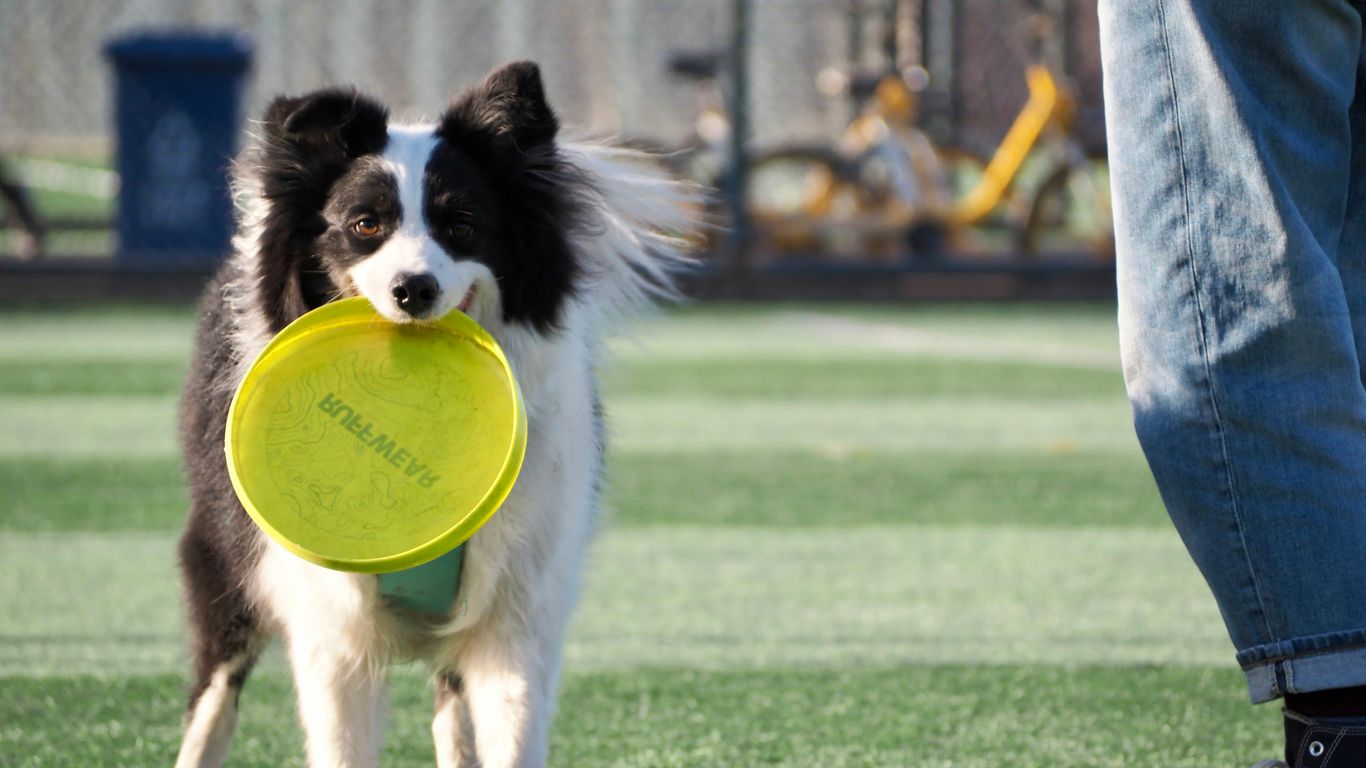
Consider a disc that’s specifically designed for dogs, like this durable, multilayered disc toy. These are often made with softer materials that are gentler on their teeth and gums, and they come in bright colors so you don’t lose them easily during play. Some are even designed to float, which is great if you plan on playing near water.
Here are a few things to keep in mind when choosing and using a ball or flying disc:
- Size Matters: Make sure the ball or disc is appropriately sized for your puppy. Too small, and they could swallow it; too large, and they might struggle to pick it up.
- Material: Look for durable, non-toxic materials. Avoid anything that can easily splinter or break into small pieces.
- Visibility: Bright colors are your friend! It makes the toy easier to spot in grass or other environments.
- Safety First: Always supervise your puppy during play. If a toy starts to break apart, take it away immediately to prevent choking hazards.
Playing fetch isn’t just about fun; it’s a structured activity that can build your puppy’s confidence and responsiveness. It’s a foundational game that sets the stage for more complex training later on.
23. Crate
A crate can be a really useful tool when you’re training a new puppy. Think of it as a safe den for your dog, a place where they can relax and feel secure. Many owners find it helps with potty training because dogs naturally don’t want to soil their sleeping area. It’s also a great way to keep your pup out of trouble when you can’t supervise them directly, kind of like a puppy-proof room.
When you’re picking out a crate, make sure it’s big enough for your puppy to stand up, turn around, and lie down comfortably, even when they’re fully grown. You don’t want to buy a new one every few months! Also, check that the bar spacing isn’t too wide, so your puppy can’t get their head or paws stuck. Adding some comfy bedding and a favorite toy can make it more inviting. Start by putting your puppy in the crate for short periods while you’re around, and gradually increase the time. Always make sure your puppy has had a chance to go potty before going into the crate, and don’t leave them in there for too long during the day – a couple of hours is usually plenty for a young pup.
It’s super important not to use the crate as a punishment. If your puppy starts to associate it with being in trouble, they’ll likely come to resent it. And a quick safety tip: always remove your puppy’s collar before they go in the crate, just in case it gets caught on something. A well-introduced crate can be a fantastic aid for house training and providing your dog with a secure personal space.
24. Leash
A leash is probably one of the most basic pieces of equipment you’ll need for your puppy, but it’s also one of the most important. It’s your primary tool for keeping your dog safe and under control when you’re out and about, and it’s essential for teaching them how to walk nicely beside you. Think of it as your communication line when you’re on the move.
When you’re picking out a leash, you’ll want something that feels good in your hand and is durable enough to withstand a bit of tugging. Most trainers recommend a leash that’s about four to six feet long. This length gives you enough slack for your dog to explore a little, but it also keeps them close enough for you to manage them, especially in busy areas. Materials like nylon or leather are usually good choices because they’re tough and can hold up well. Some leashes are also waterproof, which is a nice bonus if you live somewhere with a lot of rain or snow.
Avoid retractable leashes if possible. While they might seem convenient, they offer less control and can be a safety hazard if they break or snap unexpectedly. For more freedom, especially during recall training, a long line is a much better option.
Here are a few things to consider when choosing a leash:
- Length: Four to six feet is standard for most training.
- Material: Nylon and leather are durable choices. Waterproof options are great for wet climates.
- Handle: Look for a comfortable grip. Some leashes have padded handles or even a second handle closer to the clip for extra control.
- Hardware: Make sure the clip is sturdy and secure.
For basic walks and training, a standard four-to-six-foot leash is your go-to. It’s a solid piece of dog training equipment that helps build a foundation for good manners on walks. You’ll use it constantly, so picking a good one makes a big difference.
25. Harness and more
Beyond the basic leash and collar, harnesses offer another excellent way to manage your dog, especially during walks and training sessions. They can be particularly helpful for dogs that tend to pull, as many are designed to redirect their attention. When picking one out, look for harnesses with a "Y" or "H" shape, as these allow your pup to move their shoulders and elbows without restriction. This is super important for comfort and proper movement.
There are a few main types to consider:
- Front-clip harnesses: These have a leash attachment point on the chest. When your dog pulls, it gently turns them back towards you, which can discourage pulling without causing discomfort.
- Back-clip harnesses: These have the leash attachment on the back. They’re great for dogs that don’t pull much or for activities like running where you want less restriction.
- Dual-clip harnesses: Some harnesses offer both front and back clips, giving you flexibility depending on the training situation. This can be really handy!
A well-fitting harness is key for your dog’s comfort and safety. It shouldn’t be too tight or too loose, and it should allow for a full range of motion. Some popular and well-regarded options include the Ruffwear Front Range Harness and the Coastal Pet K9 Explorer Reflective Dog Harness. These are often recommended because they balance durability, comfort, and effectiveness for many dogs.
And when we say "and more," we’re talking about all those little extras that make training smoother. Think about things like extra-long leads for recall practice, or even specialized training mats that give your dog a clear cue for where to settle. It’s all about building a toolkit that supports your training goals and makes life easier for both you and your furry friend.
Getting the right training for your dog is super important for a happy life together. There are tons of courses out there, but picking the best one can feel tricky. We’ve put together some tips to help you find a great course that fits you and your furry friend. Want to learn more about choosing the perfect training program? Visit our website for all the details!
Wrapping Up Your Puppy Training Journey
So, you’ve got your gear ready to go! Remember, the most important thing isn’t the fanciest gadget, but the time and patience you put in with your pup. These tools are just helpers to make the process smoother. Keep training fun, celebrate the small wins, and enjoy building that amazing bond with your furry friend. Happy training!
Frequently Asked Questions
What are the most important training tools for a new puppy?
When you first bring home a puppy, you’ll want to have high-value treats, a sturdy leash and collar, and a comfortable bed. These basics help with safety, communication, and making your puppy feel at home. As you train, a treat pouch and a clicker can make teaching new things much easier and more effective.
Are crates and playpens good for training?
Yes, crates and playpens are excellent management tools. They help prevent puppies from getting into trouble or practicing unwanted behaviors while you’re teaching them better habits. Crates can be especially helpful for potty training because dogs naturally avoid soiling their sleeping area.
What’s the difference between a regular leash and a long line?
A regular leash is great for walks and basic control, usually around 4-6 feet long. A long line, which can be 30 feet or more, is used for training recall from a distance. It allows your puppy to explore further while still being safely connected to you, giving you more freedom to practice coming when called in open spaces.
Why are high-value treats so important for training?
High-value treats are extra tasty and exciting for dogs, making them highly motivated to learn and perform behaviors. They create a strong positive connection between doing what you ask and getting a yummy reward. Using small, frequent treats helps keep your puppy engaged during training sessions without overfeeding them.
When should I consider advanced training equipment like agility courses or scent kits?
Once your puppy has mastered basic commands and is comfortable with essential gear, advanced items can be a fun way to deepen your bond and provide mental stimulation. Agility courses challenge them physically and mentally, while scent kits tap into their natural sniffing abilities, offering a low-impact yet engaging activity for any dog.
What if my puppy doesn’t like a collar or harness?
Some puppies might find collars or harnesses a bit strange at first. It’s important to introduce them gradually and positively, perhaps by associating them with treats or playtime. If a standard collar or harness isn’t working, you might explore options like a head collar, but always ensure it’s used humanely and in conjunction with positive training methods.