
Getting a new puppy is a blast, right? All those cute antics and cuddles. But let’s be real, it can also feel like you’re juggling a tiny, furry tornado. That’s where a solid puppy training routine comes in. It’s not just about teaching them ‘sit’ or ‘stay’; it’s about creating a predictable rhythm that helps your pup feel secure and learn faster. Think of it as building a roadmap for both of you, making the whole puppy phase way smoother and, dare I say, even enjoyable. We’ll cover how to set up a schedule that actually works, making sure your pup gets what they need, when they need it.
Key Takeaways
- Start teaching your pup new skills and commands right away. Learning basic commands early helps your dog behave better later on.
- Build a good relationship with your dog. A puppy that likes you and wants to make you happy will learn more easily.
- Keep your puppy training routine the same. This helps your pet understand what you expect from them.
- Think about how old your dog is and what they can learn at that stage. Change your plan as your puppy grows.
- Create a daily schedule. Include meal times, walks outside, things to keep their brain busy, exercise, regular potty breaks, and a set bedtime.
Establishing A Consistent Puppy Training Routine
Bringing a new puppy home is a whirlwind of excitement, cuddles, and, let’s be honest, a bit of chaos. Amidst all the adorable antics, one of the most important things you can do is set up a consistent routine. This structure isn’t just for your puppy’s benefit; it makes life smoother for you too. A predictable schedule helps your puppy feel secure and understand what’s expected of them, making training and housebreaking much easier.
The Importance of Early Training
Starting training right away is key. Puppies are like little sponges, soaking up information about the world and their place in it. Early training helps them learn good habits before less desirable ones take root. It’s about building a foundation for a well-behaved companion. This early work sets the stage for everything that follows, making future training efforts more effective.
Building A Strong Bond With Your Puppy
Your routine is also a fantastic tool for strengthening your connection. Through regular feeding, play, and training sessions, you become your puppy’s trusted source of comfort and guidance. Offering praise, gentle petting (when they’re comfortable), and teaching them new tricks all contribute to a positive relationship. This bond is built on trust and positive interactions, making your puppy eager to please you.
Consistency Is Key For Puppy Learning
Puppies thrive on predictability. When you stick to a schedule, they learn when to expect meals, potty breaks, playtime, and rest. This consistency helps them adjust more quickly to their new environment and reduces anxiety. For instance, taking your puppy out at regular intervals, especially after meals and naps, is a cornerstone of successful potty training.
Here’s a basic idea of how a schedule can look:
- Morning: Immediate potty break upon waking, followed by breakfast and another potty opportunity.
- Midday: Potty break, a small meal, and more potty time after eating.
- Afternoon: Playtime, followed by a final meal and a potty break before winding down.
- Evening: A last potty break before bedtime.
Remember that puppies have small bladders and need frequent trips outside, especially in the beginning. Don’t get discouraged by accidents; focus on consistency and positive reinforcement.
Crafting Your Puppy’s Daily Schedule
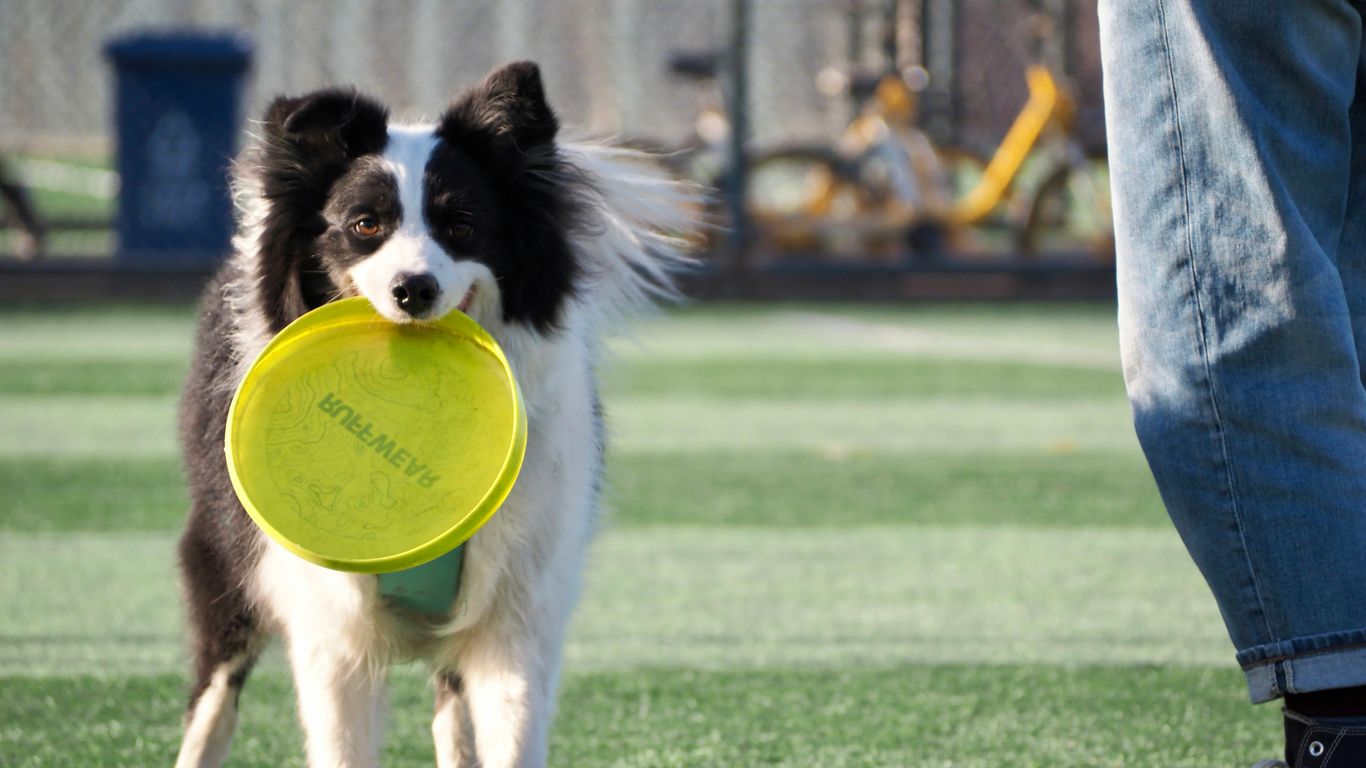
Alright, let’s talk about making a daily schedule for your new puppy. This isn’t about being rigid or controlling; it’s about creating a predictable rhythm that helps your pup feel secure and understand what’s coming next. Think of it as building a solid foundation for all the good habits you want them to learn. A consistent schedule makes life easier for everyone, not just your furry friend.
Morning Activities For Your Puppy
Your puppy’s day should start the moment they wake up. The very first thing is a trip outside for potty. Don’t wait until you’ve had your coffee or gotten dressed; your puppy needs to go now. After they’ve done their business, it’s a good time for some interaction. This could be a short play session or some gentle training. Then comes breakfast. Keep meal times short, maybe 10-15 minutes, and always provide fresh water. Remember, puppies often need another potty break shortly after eating, so be ready for that.
Midday Needs And Potty Breaks
As the day goes on, especially around lunchtime, it’s time for another round of potty breaks. If you’re home, this is a great opportunity for a quick play session or a bit of training to burn off some energy. If you work from home, you’ll need to factor in breaks every few hours. Puppies have small bladders, and expecting them to hold it for too long is unrealistic. A good rule of thumb is to take them out every two to four hours, and always after waking up, eating, or playing. This consistent approach is key to successful potty training.
Afternoon Play And Rest
Afternoons are a mix of activity and downtime. Puppies need a lot of sleep – sometimes up to 18 hours a day! So, make sure there are dedicated nap times. A crate or a quiet, confined area can help them rest without too many distractions. When they are awake, short, engaging play sessions are best. Think 10-15 minutes of interactive fun. This prevents them from getting overtired and helps build your bond. It’s a balance: enough activity to keep them happy and stimulated, but also plenty of rest for proper growth and development.
Integrating Training Into The Routine
So, you’ve got a schedule down, which is awesome. But how do you actually weave training into all that? It’s not about setting aside huge chunks of time; it’s more about making training a natural part of your puppy’s day. Think of it like this: you’re not just feeding them, you’re teaching them to sit before they eat. Small moments add up.
Short, Engaging Training Sessions
Puppies have the attention span of a gnat, seriously. Trying to do a long training session is just going to frustrate both of you. Instead, aim for super short bursts of training, like 3 to 5 minutes. You can do this a few times a day. It’s way more effective to have several quick wins than one long, drawn-out struggle. Keep it fun, keep it positive, and end on a good note, even if it’s just for a simple ‘sit’. This approach helps them learn without getting overwhelmed, and honestly, it’s easier to fit into a busy day. You can find some great tips on keeping sessions brief and effective here.
Using Food As A Training Tool
Your puppy’s kibble or a few special treats can be your best friend. Instead of just handing over food, make your puppy work for it a little. Ask for a ‘sit’ or ‘down’ before you put their food bowl down. This does two things: it gets their attention focused on you, and it reinforces that good things come from listening to you. It’s a simple way to build a connection and make training rewarding. Don’t go overboard with extra treats, though; their regular food works wonders.
Practicing Commands In New Environments
Once your puppy has a handle on commands in the quiet of your living room, it’s time to test them out elsewhere. Take your training outside to the backyard, or even to a quiet park once they’re fully vaccinated. This is where the real learning happens. A command that’s easy at home might be a challenge with distractions. Practicing in different spots helps your puppy understand that ‘sit’ means ‘sit’ everywhere, not just on the rug. It builds their confidence and solidifies their understanding.
Remember, consistency is the name of the game. Even when you’re out and about, try to keep your cues and rewards similar. This helps your puppy generalize their learning and become more reliable in various situations.
Essential Elements Of A Puppy Schedule
Structured Meal And Potty Times
Setting up a predictable schedule for meals and potty breaks is probably the most important thing you can do for your new puppy. Puppies, especially young ones, have small bladders and need to go out frequently. Aim for a potty break first thing in the morning, right after meals, after naps, and at least every two hours in between. This consistency helps with house training and prevents accidents. Most puppies do best with three meals a day, spaced out evenly. Remember to always have fresh water available, but you might want to pull it up an hour or two before bedtime to minimize nighttime potty needs. This structured approach helps your puppy learn quickly and feel secure.
Balancing Physical Exercise And Mental Stimulation
Your puppy has a lot of energy, but it’s important to balance their physical activity with mental challenges. Short, frequent play sessions throughout the day are better than one long, exhausting one. Think interactive toys, short games of fetch in the yard, or a quick walk around the block. Mental stimulation is just as vital. Puzzle toys, learning new tricks, or even just letting them sniff around on a walk can tire them out effectively. A tired puppy is a good puppy, and this balance prevents boredom and destructive behaviors. It’s about quality interaction, not just quantity.
Dedicated Nap And Rest Periods
Puppies need a lot of sleep – sometimes up to 18 hours a day! Just like human babies, they need this downtime for growth and development. It’s important to create a quiet space where your puppy can nap undisturbed. This might be a crate in a calm corner of the house. Don’t let family members, especially children, disturb them while they’re sleeping. Overtired puppies can become fussy and harder to train. Scheduling in these rest periods helps them recharge and be more receptive during training and playtime. It’s a key part of their overall well-being and helps them adjust to their new home.
A consistent schedule provides a sense of security for your puppy, making them feel safe and understood. This predictability is the bedrock of good behavior and a strong bond.
Here’s a basic idea of how to structure your puppy’s day:
- Morning: Wake up, immediate potty break, breakfast, post-meal potty break, short play session.
- Midday: Potty break, lunch, post-meal potty break, naptime.
- Afternoon: Potty break, playtime, training session, naptime.
- Evening: Potty break, dinner, post-meal potty break, supervised play, final potty break before bed.
Remember to adjust this based on your puppy’s age and your own daily routine.
Positive Reinforcement For Puppy Training
Rewarding Good Behavior
Positive reinforcement is all about making sure your puppy knows when they’ve done something right. Think of it as a high-five for your furry friend. When your puppy does something you like – maybe they sit when asked, or they go potty outside instead of on the rug – you want to make that behavior super rewarding for them. This could be a tasty treat, enthusiastic praise, or even a favorite toy. The key is to make the reward immediate, so your puppy connects the good action with the good stuff. This approach helps build a strong bond and makes training feel like a fun game rather than a chore. It’s about showing your puppy what you want them to do, not just correcting what they do wrong. For more on getting started with positive training, check out marker training and rewards.
Creating A Positive Learning Atmosphere
Nobody learns well when they’re stressed or scared, and puppies are no different. A positive learning atmosphere means training sessions are fun, engaging, and low-pressure. This might involve using a happy, upbeat tone of voice, keeping training sessions short and sweet, and ending on a good note. If your puppy seems confused or frustrated, it’s time to take a break or switch to something easier. The goal is for your puppy to look forward to training time, associating it with good feelings and positive interactions with you. This makes them more eager to learn and try new things.
Building Trust Through Training
Every time you use positive reinforcement, you’re not just teaching your puppy a command; you’re building trust. When your puppy learns that good things happen when they pay attention to you and follow your guidance, they start to rely on you. This builds a foundation of confidence for your puppy. They learn that you are a reliable source of good things and that you have their best interests at heart. This trust is what makes all the difference in your relationship, turning you into their go-to person for everything.
Here are a few things to keep in mind:
- Timing is Everything: Deliver the reward within a second or two of the desired behavior.
- Reward Value: Use treats or praise that your puppy genuinely loves. What works for one puppy might not work for another.
- Consistency: Everyone in the household should be on the same page with commands and rewards.
Building trust is a marathon, not a sprint. Each positive interaction, no matter how small, adds to the overall strength of your bond. Be patient and celebrate the small wins along the way.
Evening And Bedtime Routine
As the day winds down, establishing a predictable evening and bedtime routine is super important for your puppy. It helps them feel secure and understand what’s coming next, making the whole house training process smoother for everyone involved. Think of it as the final chapter of their daily learning adventure.
Final Potty Break Before Sleep
This is non-negotiable. Before you even think about settling in for the night, take your puppy out for one last potty break. Make sure they actually go; don’t just stand outside for a minute. A good rule of thumb is to feed dinner at least three hours before this final outing. This gives their digestive system plenty of time to work, significantly cutting down on those dreaded middle-of-the-night accidents. It’s a simple step, but it makes a huge difference in getting a full night’s sleep.
Establishing A Fixed Bedtime
Just like with potty breaks, a consistent bedtime is key. Whether it’s 8 PM or 10 PM, pick a time and stick to it as much as possible. This predictability helps your puppy’s internal clock adjust. When bedtime rolls around, guide them to their sleeping spot, usually a crate, and help them settle down. This routine signals that it’s time to wind down and rest.
Creating A Relaxing Sleep Environment
Your puppy’s sleeping area should be a calm sanctuary. Make sure their crate is comfortable and in a quiet part of the house, away from the hustle and bustle. Some puppies benefit from a soft blanket or a favorite toy. If your puppy is still having trouble sleeping through the night, you might need to set an alarm for a quick, boring potty break. The goal is to keep things low-key – no playtime or excessive interaction. Just a quick trip outside and then back to their cozy bed. This helps them learn to settle and sleep without needing constant attention. A consistent schedule, including their meals and potty times, really helps your puppy understand when it’s bedtime.
Here’s a quick look at how the evening might shape up:
- 6:00 PM: Dinner time for the puppy.
- 6:30 PM: Post-dinner potty break.
- 7:00 PM – 8:30 PM: Gentle play or quiet cuddle time.
- 8:30 PM: Final potty break before bed.
- 9:00 PM: Bedtime in their crate.
Creating a calm evening and bedtime routine for your dog is super important. It helps them relax and get ready for a good night’s sleep, just like for us! A consistent routine can make a big difference in their behavior and overall happiness. Want to learn more about building the perfect routine? Visit our website for expert tips and guides!
Wrapping Up Your Puppy’s Training Journey
So, you’ve learned a lot about getting your puppy on the right track. Remember, consistency is your best friend here. Sticking to a schedule, even when it feels like a lot, really pays off. Building that bond with your pup through positive training makes all the difference. It’s not always easy, and there will be messes and maybe a few chewed-up shoes, but with patience and a solid routine, you’re setting your furry friend up for a happy, well-behaved life. Keep at it, celebrate the small wins, and enjoy the journey with your amazing companion.
Frequently Asked Questions
When should I start training my puppy?
You can start training your puppy as soon as they come home! Early training helps them learn good habits right from the start, which is super important for their behavior later on. Think of it like starting school – the sooner they begin, the better they’ll be at it.
Why is a daily schedule so important for my puppy?
A daily schedule is like a roadmap for your puppy. It helps them know what to expect, like when it’s time to eat, play, go potty, and sleep. This makes them feel safe and secure, and it helps them learn much faster, especially with potty training.
How long should training sessions be?
Keep training sessions short and sweet! For younger puppies, 5 to 10 minutes is usually enough. Older puppies might focus for 10 to 15 minutes. The goal is to make it fun so they want to keep learning, not get bored or tired.
What is ‘positive reinforcement’ training?
Positive reinforcement means rewarding your puppy when they do something good, like with a treat or praise. It’s like giving them a high-five for a job well done! This makes training a happy experience and builds a strong, trusting relationship between you and your dog.
How often should I take my puppy out to potty?
Very often at first! Take your puppy out right when they wake up, after meals, after playtime, and at least every couple of hours in between. Sticking to a potty schedule helps them learn quickly where they’re supposed to go.
What if my puppy has an accident inside?
Don’t worry or get mad! Just clean it up and try to be more watchful. If you catch them in the act, gently interrupt them and immediately take them outside. Consistency with your schedule and positive reinforcement are the best ways to prevent accidents.