
Getting the right puppy training crate size is a big deal. It’s not just about having a place for your pup to sleep; it’s about making sure they feel safe and comfortable. A crate that’s too small feels cramped, and one that’s too big can actually make potty training harder. We’ll go over how to measure your dog and what to look for so you can pick the perfect spot for your new family member.
Key Takeaways
- Measure your puppy accurately from nose to tail and shoulder to paw, then add a few inches for comfortable movement. Don’t just guess based on breed or weight.
- For puppies, buy a crate for their expected adult size and use a divider. Adjust the divider as they grow to keep the space just right.
- A properly sized crate allows your puppy to stand up, turn around, and lie down without feeling squished or having too much extra room.
- Consider the thickness of bedding or mats when measuring; these take up space inside the crate.
- A crate that’s too large can hinder potty training, as your puppy might use one end as a bathroom and the other as a bed.
Understanding Puppy Training Crate Size Essentials
When you’re bringing a new puppy home, one of the first big decisions you’ll make is about their crate. It’s not just a cage; it’s meant to be their safe space, their den. But getting the size wrong can cause all sorts of problems, from accidents to anxiety. So, let’s talk about why the size of that crate really, really matters.
Why Crate Size Matters for Puppy Training
Think about it: a crate is supposed to mimic a den, a cozy, secure spot for your dog. If it’s too small, your puppy will feel cramped and uncomfortable, which is the opposite of what you want. They might even get hurt trying to move around. On the flip side, a crate that’s way too big defeats the purpose, especially for house training. Puppies might decide one end is for sleeping and the other is for potty breaks, and nobody wants that.
Getting the size right is key to making crate training a positive experience for both you and your pup. It helps them feel safe and secure, and it’s a big help when you’re trying to teach them where to do their business. It’s all about finding that sweet spot where they have enough room to be comfortable but not so much that they can make a mess.
The Den Instinct and Crate Comfort
Dogs naturally want a den. It’s an instinct that goes way back. They look for small, enclosed spaces to feel safe, especially when they’re stressed, sick, or just need a break. A properly sized crate taps into this instinct. It becomes their personal retreat, a place where they can go to relax and decompress away from the hustle and bustle of the house. This sense of security is super important for their overall well-being. A crate that feels like a cozy den can really improve your dog’s quality of life and help them settle into your home more easily. You can find a great guide to choosing the right dog crate size that covers different breeds and needs.
Impact of Crate Size on Behavior
The size of the crate can really influence how your puppy behaves. A crate that’s too small can lead to frustration and stress. Your puppy might start barking excessively, trying to escape, or even become destructive because they feel trapped. This can make them fearful of the crate, which is the last thing you want during training. On the other hand, if the crate is too large, your puppy might not feel secure. They might also use one part of the crate as a bathroom, making house training much harder. This is why it’s so important to get the dimensions just right. It helps prevent unwanted behaviors and makes training smoother.
Here’s a quick look at what makes a crate the right size:
- Standing: Your puppy should be able to stand up comfortably without their head touching the top.
- Turning: They need enough space to turn around in a full circle without bumping into the sides.
- Lying Down: When lying down, they should be able to stretch out their legs fully.
A crate that’s just right provides a sense of security without feeling restrictive. It’s a balance that supports both physical comfort and psychological well-being during the critical puppy training phase.
Measuring Your Puppy for the Perfect Crate
Alright, so you’ve decided a crate is the way to go for your new puppy. That’s awesome! But before you just grab any old box, we need to make sure it’s the right size. This isn’t just about comfort; it’s about making the crate a safe, cozy den for your pup, not a tiny prison or a giant, scary room. Getting the measurements right is step one.
Accurate Dog Measurement Techniques
So, how do you actually measure your dog? It’s pretty straightforward, but you need to be a little precise. Grab a soft measuring tape – the kind you might use for sewing. You’ll want to measure your dog while they’re standing up nice and tall. First, measure from the tip of their nose all the way to the base of their tail. This length is the most important measurement for crate sizing. Then, measure from the top of their head to the floor to get their height. When you’re looking at crates, you’ll want one that’s about 3-4 inches longer and taller than these measurements. This gives them enough room to stand up, turn around, and lie down without feeling cramped. It’s also a good idea to have some treats handy to keep your puppy still while you measure; they can be a bit wiggly, can’t they?
Accounting for Growth with Dividers
Now, puppies grow like weeds, right? It feels like one day they’re tiny, and the next they’re almost as big as their parents. This is where those handy divider panels come in. Most wire crates come with one, and it’s a total game-changer. You can buy a crate that’s sized for your puppy’s adult size and then use the divider to make the space smaller for now. As your puppy grows, you just slide the divider back to give them more room. This way, you only have to buy one crate, and it always feels just right for them. It helps a lot with potty training too, because it prevents them from using one end of the crate as a bathroom and sleeping in the other. You’ll want to adjust it regularly, checking to make sure they still have enough space to stand and turn comfortably.
Considering Bedding and Accessories
Don’t forget that whatever cozy bedding or toys you put in the crate will take up space. If you plan on putting a thick dog bed or a fluffy blanket in there, you need to factor that into your measurements. You don’t want the bedding to make the crate too small for your dog to move around in. So, when you’re adding those extra inches for length and height, think about how much space the bed will actually occupy. It’s better to have a little extra room than not enough, but remember, too much extra space can be a problem for potty training, so the divider is your best friend here. You want it to be just right – like Goldilocks’ porridge, you know?
Getting the measurements right from the start makes crate training so much smoother. It sets your puppy up for success by providing a space that feels secure and comfortable, not overwhelming or restrictive. Think of it as building their own little apartment – it needs to fit them perfectly!
Here’s a quick look at how crate size relates to dog size:
| Crate Size (L x W x H) | Dog Length (Max) | Dog Height (Max) |
|---|---|---|
| 24” x 18” x 20” | 18 inches | 14 inches |
| 30” x 20” x 23” | 24 inches | 18 inches |
| 36” x 24” x 26” | 30 inches | 20 inches |
| 42” x 28” x 30” | 36 inches | 24 inches |
| 48” x 30” x 32” | 42 inches | 26 inches |
Remember, these are just guidelines. Always measure your individual puppy to be sure. You can find more detailed crate size recommendations based on breed and weight if you need them.
Choosing the Right Crate Size for Puppies
So, you’ve got a new puppy and you’re ready to start crate training. Awesome! One of the first big decisions you’ll make is picking the right crate. It might seem simple, but getting the size wrong can really mess with your training efforts. A crate is supposed to be your pup’s safe space, like a little den. If it’s too cramped, they’ll feel stressed. If it’s way too big, they might not see it as their personal spot and could even have accidents in there, which defeats the whole potty-training purpose.
Using Adult Size Estimates for Puppies
When you’re getting a crate for a puppy, it’s smart to think ahead. Puppies grow fast, right? So, instead of buying a tiny crate that they’ll outgrow in a few weeks, it’s often better to get a crate that’s sized for their expected adult size. This sounds counterintuitive, but stick with me. The trick here is to use a divider panel. Most good quality crates come with these, and they’re basically a panel you can slide into place to section off part of the crate. As your puppy grows, you just move the divider back, making the usable space bigger. This way, you only buy one crate that can grow with your dog, saving you money and hassle down the line. It also helps with potty training because it keeps the space cozy and prevents them from using one end as a bathroom and the other as a bed.
The Role of Divider Panels
Divider panels are seriously a game-changer for puppy crate training. They’re not just some random piece of metal; they’re your secret weapon for making a big crate work for a small puppy. You want to adjust the divider so that your puppy has just enough room to stand up, turn around, and lie down comfortably. That’s it. No extra space for shenanigans or potty breaks. As your puppy gets bigger, you’ll gradually slide the divider further back. It’s a simple process, but it makes a huge difference in how effective the crate is for training. Remember, the divider should fit snugly across the width of the crate, not the length, to properly section off the space.
When to Purchase Multiple Crates
While using a divider panel is usually the best bet, there are times when buying multiple crates might make more sense. If you have a mixed-breed puppy and it’s really hard to guess what size they’ll be when they’re fully grown, you might end up buying a crate that’s way too big even with a divider. In those situations, it might be easier to start with a smaller crate and then upgrade to a larger one once they’re closer to their adult size. This is also a good option if the crate you’re considering doesn’t come with a divider, or if you find a really good deal on a smaller crate that you know they’ll only need for a short period. It’s all about what works best for your specific puppy and your budget.
Getting the crate size right from the start is super important. It’s not just about comfort; it’s about making crate training successful and helping your puppy feel secure. A well-sized crate is a happy crate!
Here’s a general idea of crate sizes, but always measure your pup!
| Crate Size (L x W x H) | Dog Length (approx.) | Dog Height (approx.) | Common Breeds |
|---|---|---|---|
| 18" x 12" x 14" | Up to 10" | Up to 10" | Toy breeds |
| 22" x 14" x 16" | Up to 16" | Up to 12" | Chihuahua, Maltese, Yorkie |
| 24" x 18" x 20" | Up to 18" | Up to 14" | Shih Tzu, Bichon Frise |
| 30" x 20" x 23" | Up to 24" | Up to 18" | Beagle, Corgi, French Bulldog |
| 36" x 24" x 26" | Up to 30" | Up to 20" | Australian Cattle Dog, Pit Bull |
| 42" x 28" x 30" | Up to 36" | Up to 24" | Labrador Retriever, Golden Retriever |
| 48" x 30" x 32" | Up to 42" | Up to 26" | German Shepherd, Rottweiler |
Remember, these are just guidelines. Always measure your individual puppy!
Key Dimensions for Puppy Training Crate Size
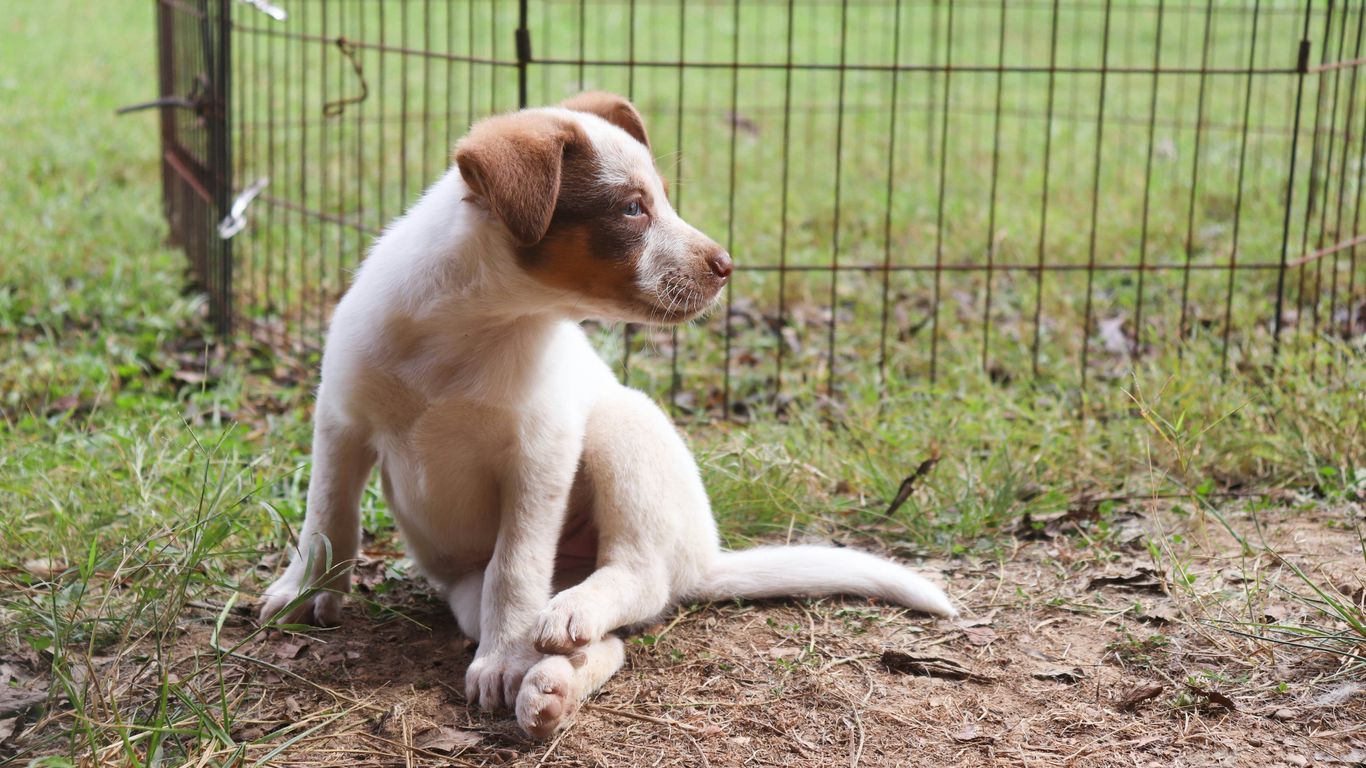
So, you’ve got a new puppy and you’re ready to get the crate training going. That’s awesome! But before you just grab any old box, let’s talk about making sure it’s the right size. This isn’t just about comfort; it’s about making crate training work effectively and keeping your pup safe and happy. Think of it like fitting shoes – too tight and they pinch, too loose and you trip. The same goes for a dog crate.
Ensuring Space to Stand and Turn
Your puppy needs enough room inside the crate to stand up without their head hitting the top. They also need to be able to turn around comfortably. Imagine being stuck in a tiny closet where you can’t even shift your weight – not fun, right? A crate that’s too small can make your puppy feel trapped and anxious, which is the opposite of what we want for training. On the flip side, a crate that’s way too big can actually encourage accidents because your puppy might decide one end is for sleeping and the other is for potty breaks. We want to avoid that, especially during potty training.
Adequate Head Clearance
When your puppy is standing, there should be a little bit of space between the top of their head and the roof of the crate. We’re not talking about a huge amount of room, maybe just a couple of inches. This allows them to stand up fully without feeling cramped. It’s a simple measurement, but it makes a big difference in how secure and comfortable they feel in their den. If their head is brushing the ceiling, it’s probably time to consider a larger size or adjust that divider panel.
Room for Full Limb Extension
Finally, when your puppy is lying down, they should be able to stretch out their legs fully. This means lying on their side and extending their limbs without bumping into the walls. This is super important for their physical comfort, especially during naps. A dog that can’t get comfortable is a dog that’s going to be restless. You want them to be able to relax and get good rest in their crate. So, when you’re measuring, have your pup lie down in their natural sleeping position and see if they have that extra bit of space all around.
Getting the dimensions right is key. It’s not just about fitting your puppy in, but about creating a safe, comfortable space that supports their training and well-being. A well-sized crate is a happy crate!
Here’s a quick rundown of what to aim for:
- Standing Height: Enough room to stand without touching the top.
- Turning Radius: Ability to pivot 360 degrees easily.
- Lying Down: Space to stretch out limbs fully on their side.
Remember to check out a dog crate sizing guide for more detailed recommendations based on breed and expected adult size. It’s always better to measure your individual pup to be sure!
Common Puppy Training Crate Size Mistakes to Avoid
Getting the crate size wrong for your puppy can really mess up your training efforts. It’s a common pitfall, and honestly, it’s easy to see why. People either go too big or too small, and both have their own set of problems.
The Pitfalls of a Crate That’s Too Large
So, you think bigger is better, right? Not so fast. If a crate is way too big, your puppy might see it as two separate spaces. One end could become their potty spot, and the other their sleeping area. This completely defeats the purpose of using the crate for house training. Puppies naturally want to keep their sleeping area clean, so if there’s ample room to relieve themselves away from their bed, they’ll take it. This can lead to accidents inside the crate, making training a much longer and frustrating process for everyone involved. Plus, a giant crate might not feel as secure or cozy as a den should, which is what we’re aiming for.
The Dangers of a Crate That’s Too Small
On the flip side, a crate that’s too tiny is just plain uncomfortable and can even be harmful. Your puppy needs enough space to stand up, turn around, and lie down fully stretched out. If they can’t do these basic things, they’ll feel cramped and stressed. This can lead to anxiety, fear of the crate, and even physical discomfort or injury if they try to force themselves into a position. It goes against the whole idea of the crate being a safe, comfortable den. A puppy that’s constantly uncomfortable in their crate is unlikely to ever feel relaxed or secure there.
Ignoring Individual Puppy Measurements
This is a big one. Relying solely on breed or weight charts can be misleading. Every puppy is an individual, and they grow at their own pace. Just because a Golden Retriever puppy typically fits in a certain size crate doesn’t mean your Golden Retriever puppy does. You really need to measure your specific pup. Measure their length from nose to tail base and their height from head to paw. Add a few inches to those numbers to get the minimum dimensions needed. Don’t forget to factor in any bedding or toys you plan to put inside, as those take up space too. Taking the time to measure your puppy is the most reliable way to pick the right crate.
Here’s a quick rundown of what to look for:
- Standing Room: Your puppy should be able to stand up comfortably without their head touching the top.
- Turning Radius: They need enough space to turn around in a full circle without bumping into the sides.
- Lying Down: When stretched out, all their limbs should be fully extended, not curled up.
If you’re unsure, it’s often better to get a crate that’s slightly larger and use a divider panel. This allows you to adjust the space as your puppy grows, making it a more cost-effective and practical solution in the long run. Trying to guess can lead to buying multiple crates or dealing with training setbacks.
Selecting Crate Materials for Puppies
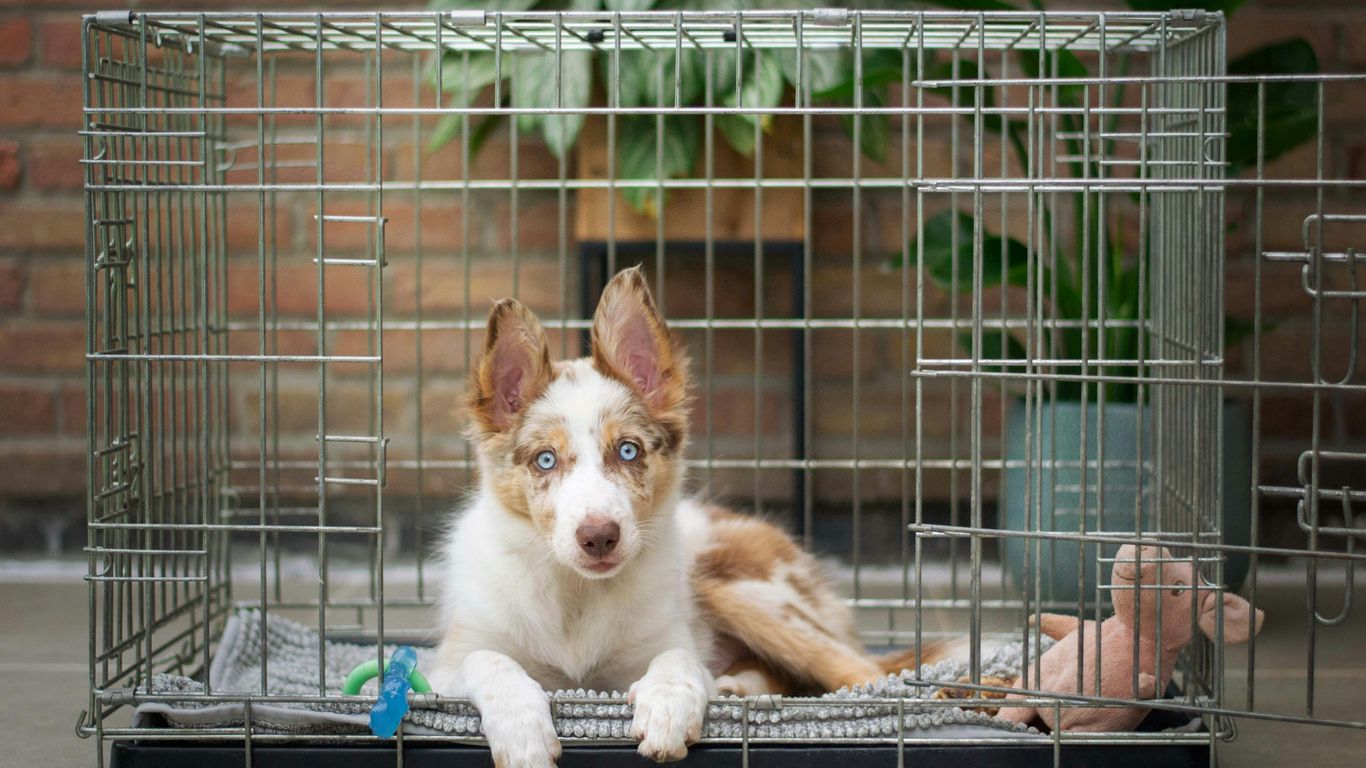
When you’re picking out a crate for your new puppy, the material it’s made from is a pretty big deal. It’s not just about looks, though that can be a factor. You’ve got to think about durability, how easy it is to clean up after little accidents, and whether your pup is going to try and chew through it. The right material can make potty training smoother and keep your puppy safe.
Durability and Chew-Resistance
Puppies, especially during their teething phase, have a strong urge to chew. This means some materials are just not going to cut it. Wire crates are generally a good bet here. They’re sturdy and can withstand a good amount of gnawing without falling apart. Plastic crates are also quite durable, and their solid walls mean there’s less for a determined chewer to get their teeth into. Fabric or soft-sided crates, on the other hand, are usually a no-go for puppies who are prone to chewing. They can be destroyed pretty quickly, leaving you with a mess and a potentially unsafe situation for your pup.
Ease of Cleaning for Potty Training
Let’s be real, potty training involves accidents. It’s just part of the process. So, you’ll want a crate that’s easy to wipe down and sanitize. Plastic crates really shine in this department. Their smooth, non-porous surfaces make cleaning up messes a breeze. Wire crates are also fairly easy to clean, though you might have to do a bit more scrubbing around the wires. Soft-sided crates can be a nightmare to clean thoroughly if an accident happens inside. You might be able to toss a removable pad in the wash, but the fabric itself can hold onto odors and stains.
Ventilation and Visibility Needs
Your puppy needs to be able to breathe comfortably in their crate, and they also need to be able to see out a bit. Good ventilation prevents the crate from getting too stuffy and uncomfortable. Wire crates offer excellent airflow and visibility, allowing your puppy to see their surroundings, which can reduce anxiety for some dogs. Plastic crates usually have vents on the sides, providing adequate airflow. If you opt for a wire crate and your puppy seems anxious about being able to see everything, you can always add a cover. This can create a more den-like feel, but make sure it still allows for plenty of fresh air. Remember, a consistent routine is key for puppy training success, and a comfortable crate plays a part in that established routine.
Here’s a quick rundown:
- Wire Crates: Great durability, excellent ventilation and visibility, easy to clean. Can be covered for more privacy.
- Plastic Crates: Very durable, easy to clean, good for travel. Ventilation is usually adequate, but visibility is limited.
- Soft-Sided Crates: Lightweight, portable, good for very small, non-chewing dogs or travel. Durability and ease of cleaning are major concerns for puppies.
Choosing the right home for your puppy is a big decision. The crate you pick matters a lot for their comfort and safety. Think about materials that are easy to clean and strong enough for a growing pup. We have lots of great options on our website that can help you find the perfect fit for your new furry friend. Visit us today to explore the best crate materials!
Finding the Right Fit
So, picking the right crate size for your dog really comes down to a few simple things. You want to make sure they can stand up, turn around, and lie down without feeling cramped. For puppies, remember they grow fast, so using a divider is a smart way to make one crate work for a long time. Getting the size right from the start makes crate training much smoother for both you and your dog. It’s all about giving them a comfy, safe spot that feels just right.
Frequently Asked Questions
Why is the right crate size so important for my puppy?
Getting the right size crate is super important for your puppy! If it’s too small, they won’t be comfy and might feel stressed. If it’s too big, they might think it’s okay to go potty in one corner and sleep in another, which makes house training harder. A good size helps them feel safe and secure, like their own little den.
How do I measure my puppy to find the right crate size?
It’s pretty simple! Measure your puppy from their nose to the base of their tail while they’re standing. Then, measure them from the top of their head to the floor. Add a few inches to both of those numbers. This will give you the length and height you need for a crate where they can stand up, turn around, and lie down easily.
My puppy is growing fast! Should I buy a crate for their adult size now?
Yes, that’s a smart move! Puppies grow like weeds. You can buy a crate that will fit them when they’re fully grown and use a special divider panel. This divider makes the crate smaller for now, and you can move it back as your puppy gets bigger. It saves you from buying multiple crates.
What if my puppy’s breed size is hard to guess?
If you’re not sure about your puppy’s adult size, maybe because they’re a mixed breed or you don’t know their parents, it’s okay to buy a couple of smaller crates as they grow. This way, you’re not stuck with a huge crate that’s too big for them when they’re still little. You can also ask your vet or a breeder for advice.
What are some common mistakes people make when choosing a crate size?
A big mistake is getting a crate that’s way too big, which can confuse potty training. Another is getting one that’s too small, making your puppy uncomfortable and anxious. Also, some people forget to account for extra space needed for bedding or toys inside the crate.
What kind of material is best for a puppy’s crate?
For puppies, especially during potty training and when they’re teething, it’s best to choose a crate that’s easy to clean and durable. Wire crates are a popular choice because they offer good airflow and visibility, and many come with dividers. Plastic crates are also easy to clean and can offer a more den-like feel.