
Working with students who have special needs can feel like a lot sometimes, right? You want to help them succeed, but figuring out the best way to do it can be tricky. This article looks at different approaches to teaching and supporting these students, aiming to make things clearer and more manageable for educators. We’ll talk about how to adjust lessons, keep students interested, and use different teaching tools effectively. Plus, we’ll touch on how teachers can best use their skills and work with others to create a good learning space for everyone. The goal is to make teaching students with special needs more effective and less overwhelming.
Key Takeaways
- Understand different ways to help students: This includes stopping problems before they start, teaching new skills, and using tools to help students do things they might find difficult.
- Make lessons work for everyone: Prepare students for what’s coming, explain what you expect, and let them know what materials they’ll need ahead of time.
- Keep students involved: Go over old stuff to connect it to new lessons, point out important words in instructions, and use little signals to help students focus and participate.
- Use smart teaching methods: Teach directly, use different ways to present information that involve seeing, hearing, and doing, and break down tasks to help students learn step-by-step.
- Focus on each student: Figure out what each student needs and how they are doing, put their individual needs first, and change how you teach to fit how they learn best.
Understanding Intervention Strategies for Special Needs
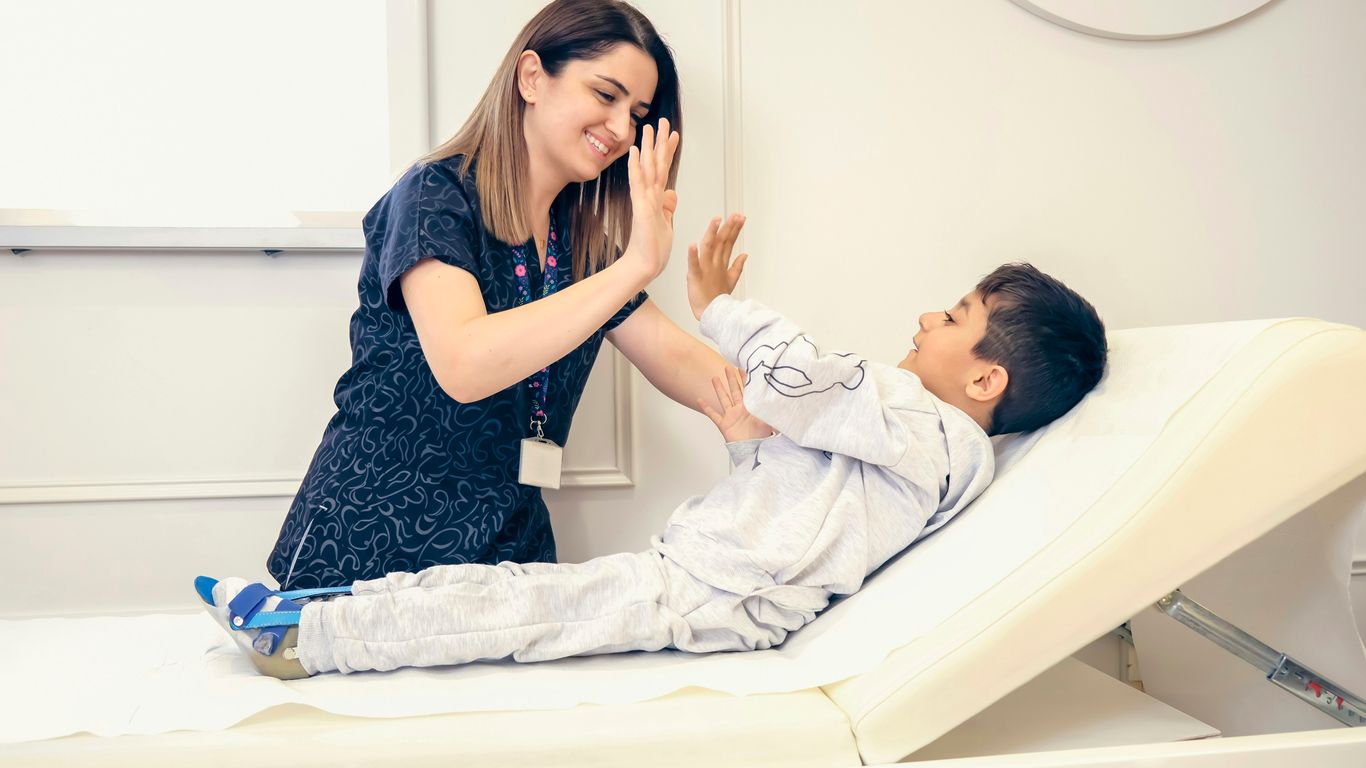
Special education is all about giving students the right kind of help so they can learn and do well in school. It’s not just one-size-fits-all; there are different ways to support students with unique learning needs. The goal is to remove barriers and build skills.
Preventive Interventions to Mitigate Challenges
This type of support aims to stop potential problems before they even start or to lessen the impact of a known condition. Think of it like putting up a fence before someone falls down a hill. For example, for a student who might struggle with transitions between activities, a teacher might use visual schedules or provide clear warnings before a change is coming. This helps manage anxiety and keeps things running smoothly. It’s about being proactive.
Remedial Interventions for Skill Development
Remedial interventions focus on teaching specific skills that a student might be lacking due to a disability. The idea is to build up those skills so the student can manage more independently. For instance, a student with ADHD might be taught strategies for starting tasks, like breaking down a big assignment into smaller, manageable steps. This helps them get going and stay on track.
Compensatory Interventions with Assistive Tools
Sometimes, the best way to help a student is by giving them tools that help them work around a challenge. These are things that students without that particular need wouldn’t require. A good example is providing text-to-speech software for a student with a reading disability, allowing them to access written material more easily. It’s about providing a different pathway to learning and participation. These tools can really make a difference in a student’s ability to keep up with their peers and access the curriculum. It’s important to remember that these interventions are designed to level the playing field, not to give an unfair advantage. They are about access and opportunity, helping students demonstrate what they know and can do. Finding the right tools often involves collaboration between educators, specialists, and families to understand the student’s specific needs. You can find more information on adapting teaching strategies for students with special needs here.
Here’s a quick look at the types of interventions:
- Preventive: Stops problems before they start or reduces their impact.
- Remedial: Teaches specific skills to improve independence.
- Compensatory: Provides tools to overcome learning challenges.
The focus should always be on what the individual student needs to succeed. Sometimes, this means prioritizing one student’s specific requirements over the general flow of the classroom. It’s about meeting them where they are and helping them move forward.
Adapting Teaching Methods for Inclusive Classrooms
Making sure every student gets what they need in the classroom means we have to be a bit flexible with how we teach. It’s not a one-size-fits-all situation, especially when you have a mix of learners. Preparing students for what’s coming up is a big part of this.
Preparing Students for Upcoming Lessons
Before diving into a new topic, it’s helpful to give students a heads-up. You can talk about what the lesson will cover and roughly how long each part might take. For instance, you might say, “Today, we’ll look at fractions, and then we’ll practice some problems.” It’s also good to mention how you expect them to act during the lesson, like “Please raise your hand if you need help.” Giving them a heads-up on what materials they’ll need, such as specific colored pencils or a calculator, can also make them feel more ready to jump in.
Establishing Clear Learning Expectations
Setting clear expectations isn’t just about behavior; it’s also about what students should know or be able to do by the end of the lesson. This helps them focus their efforts. You can also provide a simple schedule for the lesson so everyone knows the flow. For example, “First, we’ll review, then we’ll do some group work, and finally, you’ll have quiet reading time.” This structure can really help students feel more secure and prepared.
Communicating Material Needs in Advance
This ties into preparation. If a lesson requires specific items, like scissors, glue, or even a particular type of paper, letting students know beforehand is key. This gives them time to gather what they need, reducing classroom disruptions and allowing them to start the activity without delay. It’s a small step that can make a big difference in how smoothly a lesson runs and how engaged students are from the start. Thinking ahead about materials can be as important as planning the lesson itself, much like how planning for a service dog’s needs is important for successful training.
Being clear about what’s expected and what’s needed helps students feel more in control and less anxious about the learning process. It’s about setting them up for success before the lesson even begins.
Enhancing Student Engagement During Lessons
Keeping students interested and involved during a lesson is super important, especially for those with special needs. It’s not just about getting through the material; it’s about making sure they’re actually absorbing it and feeling like they’re part of the learning process. We want them to be active participants, not just passive listeners.
Reviewing Previous Material for Continuity
Starting a new lesson without making sure everyone remembers the last one can be a recipe for confusion. Think about it: if you’re learning about fractions and the teacher jumps straight into mixed numbers without a quick recap of equivalent fractions, it’s tough to keep up. For students who need a bit more time to process, this is even more critical. A quick review, maybe a few practice problems from the last session, helps bridge that gap. It’s like making sure the foundation is solid before building the next floor.
Highlighting Key Information in Instructions
Instructions can sometimes feel like a maze, especially when they’re written out. For students who struggle with reading comprehension or focusing on details, underlining or highlighting key words can make a huge difference. Imagine a math problem: "If Mary has two apples and John has three." Underlining ‘two’ and ‘three’ immediately draws attention to the numbers that matter. Even simple things like using a different color pen to mark important dates or action verbs in a reading assignment can help students zero in on what’s important. It’s about making the instructions clearer, not just shorter.
Encouraging Active Participation with Cues
Getting students to participate actively means creating an environment where they feel comfortable and ready to share. Sometimes, a little nudge is all that’s needed. Agreeing on subtle cues can be really effective. This could be as simple as a gentle tap on the shoulder, a sticky note on their desk, or a pre-arranged signal. These cues can help students stay focused and prepare them to answer when called upon, without putting them on the spot. It’s also about giving them enough thinking time. Instead of rushing, wait a bit after asking a question. This allows students to process and formulate their thoughts, leading to more meaningful contributions. We want to encourage them to share their ideas, and monitoring student engagement helps us know when to step in.
Creating a classroom where students feel safe to ask questions and make mistakes is key. When students know what to expect and feel supported, they’re much more likely to engage with the material and participate actively. It’s about building that confidence, one lesson at a time.
Leveraging Effective Instructional Practices
When we talk about teaching students with special needs, the methods we use really matter. It’s not just about covering the material, but how we present it so everyone can grasp it. Think about direct instruction, for example. This is where a teacher clearly explains a concept, models how to do it, and then gives students a chance to practice with feedback. It’s a straightforward way to build skills step-by-step.
Then there are multi-sensory approaches. These methods use more than just sight and sound. We might incorporate touch, movement, or even taste if it fits the lesson. For instance, using blocks to teach math concepts or having students act out historical events can make learning stick better. It’s about engaging different parts of the brain to create stronger connections. We can also use visual aids like diagrams and graphic organizers to break down complex information. This helps students see the relationships between ideas.
Scaffolding is another big one. It’s like building a temporary support structure for a student. You start with a lot of teacher support, maybe doing most of the work together. Then, as the student gets more comfortable, you gradually remove those supports, letting them take more ownership. This process helps students build confidence and independence.
- Break down tasks into smaller, manageable steps. This makes the overall goal seem less overwhelming.
- Provide clear, concise instructions. Avoid jargon and use simple language.
- Offer frequent opportunities for practice. Repetition helps solidify learning.
- Give specific, constructive feedback. Let students know what they did well and where they can improve.
The goal is to make learning accessible and effective for every student, recognizing that different approaches work for different individuals. It’s about finding what clicks for each learner.
Professional development is key for educators to stay current with these strategies, helping them adapt to the diverse needs in their classrooms. It’s about equipping teachers with the tools they need for success. You can find more information on professional development for special education teachers at professional development resources.
Focusing on Individual Student Progress
It’s really important to remember that every student learns differently, and what works for one might not work for another. This is especially true when we’re talking about students with special needs. We have to shift our focus from just getting through the material as a group to really seeing how each individual student is doing.
Assessing Individual Needs and Progress
Before we can help students move forward, we need to know where they are right now. This means taking the time to figure out what each student already knows and what they’re struggling with. It’s not about comparing them to the rest of the class, but about understanding their personal learning journey. We can do this through:
- Observing students during activities.
- Asking them to explain their thinking process on tasks.
- Using short, informal checks for understanding, not high-stakes tests.
We need to make sure our assessments truly show what a student can do, not just how fast they can do it. Giving students extra time or different ways to show what they know, like drawing a picture instead of writing a paragraph, can make a big difference.
Prioritizing Individual Concerns Over Group Norms
Sometimes, the needs of one student might mean we have to adjust our plans for the whole class. If a student is having a really hard time with a concept, it’s better to spend a little more time on it with them, even if it means the group moves a bit slower. The goal is for everyone to learn, but we can’t let the pace of the majority overshadow the struggles of an individual. We should be asking ourselves, "Is this approach working for this student?" rather than just "Is the whole class on track?"
Tailoring Instruction to Unique Learning Styles
This is where the real magic happens. Once we know a student’s needs and learning style, we can start to adjust how we teach. Maybe one student learns best by seeing things, another by hearing them, and another by doing. We can use different tools and methods to reach them.
- Visual Learners: Use charts, diagrams, and color-coding.
- Auditory Learners: Incorporate discussions, read-alouds, and verbal explanations.
- Kinesthetic Learners: Include hands-on activities, movement, and building tasks.
It’s about being flexible and creative to meet each student where they are. This personalized approach helps build confidence and makes learning a much more positive experience for students with special needs.
Optimizing Special Educator Roles and Support
It’s really important that we think about how special educators spend their time. They have a lot of different skills, and we want to make sure they’re using them where they can do the most good. Sometimes, special educators have a knack for a specific subject, like reading or math. If that’s the case, it makes sense for them to focus on teaching those subjects to students who need extra help in them. This way, they’re playing to their strengths and providing really targeted support.
Leveraging Content-Specific Expertise
When a special educator has a strong background in a particular academic area, like mathematics or literacy, it’s beneficial for them to concentrate their efforts there. This specialization allows them to provide deeper, more focused instruction to students who struggle in those specific subjects. Instead of spreading themselves too thin across many areas, they can become the go-to person for students needing that particular academic boost.
Utilizing Pedagogical and Social-Emotional Skills
Some special educators really shine when it comes to teaching strategies and understanding how students learn best. These teachers can be invaluable in coaching general education teachers on how to adapt their lessons for students with disabilities. They can share techniques like breaking down information, using different senses to teach, and providing support that’s gradually removed as students gain skills. On the flip side, other special educators might have a natural talent for helping students with their feelings and behavior. These individuals can focus on providing that crucial social-emotional and behavioral support, which is just as important as academic help.
Focusing Paraprofessional Support on Non-Academic Needs
Paraprofessionals are fantastic helpers in the classroom, but we need to be smart about how they’re used. Often, they end up helping with academic tasks, but research suggests it’s more effective if they focus on other areas. Think about health, safety, and managing behavior. When paraprofessionals can handle these aspects, it frees up the special educator to concentrate on instruction. It also means students are getting direct academic support from teachers who are specifically trained in those subjects, rather than from someone who might not have that same level of specialized training.
We need to make sure that our special educators are working in roles that best fit their skills. This isn’t just about making their jobs easier; it’s about making sure students get the most effective support possible. When teachers can focus on what they do best, everyone benefits.
Here’s a quick look at how roles can be divided:
- Content Specialists: Focus on teaching specific academic subjects (e.g., math, reading).
- Instructional Strategists: Coach other teachers on effective teaching methods and accommodations.
- Behavioral Support Experts: Provide targeted social-emotional and behavioral interventions.
- Case Managers: Handle the administrative and planning aspects of Individualized Education Programs (IEPs).
Building Collaborative Partnerships for Success
It might seem like a lot to manage, but you don’t have to go it alone. Building strong connections between everyone involved in a student’s education is a big part of making sure they get the support they need. This means working together with families, other teachers, and even people in the community.
Fostering Educator-Family-Community Collaboration
Getting everyone on the same page really helps students. When teachers, parents, and community members communicate well, it creates a stronger support system. This can involve:
- Regular check-ins with parents about a student’s progress and any challenges.
- Sharing resources and information about special needs with families.
- Inviting community members or organizations that can offer additional support or learning opportunities.
Open communication is the bedrock of successful partnerships.
Creating Supportive Learning Environments
This isn’t just about the classroom. It’s about making sure the whole school feels welcoming and helpful for students with special needs. This can look like:
- Making sure school policies consider the needs of all students.
- Providing training for all school staff on how to support students with diverse learning needs.
- Establishing clear ways for students to ask for help when they need it.
A supportive environment means that every student feels seen, heard, and valued, regardless of their learning differences. It’s about creating a space where asking questions is encouraged and mistakes are seen as learning chances.
Integrating Special Needs Students into Mainstream Classrooms
When possible, having students with special needs learn alongside their peers in general education classes can be really beneficial. This requires careful planning and support, such as:
- Providing teachers with the right training and resources to manage diverse classrooms.
- Using teaching methods that work for a variety of learning styles.
- Making sure there are opportunities for students to work together and learn from each other.
It’s about making sure that inclusion doesn’t just mean being present, but truly participating and belonging.
Building strong teams means working together. When different people or groups join forces, they can achieve much more than they could alone. Think of it like a sports team – everyone has a role, and when they play well together, they win! This is true for businesses and communities too. Finding the right partners helps everyone grow and succeed. Want to learn more about building great teams? Visit our website today!
Moving Forward with Confidence
So, we’ve talked about a lot of ways to help students with special needs learn and grow. It’s clear that a mix of smart teaching methods, understanding each student’s unique needs, and working together as a team – teachers, parents, and the school – makes a big difference. Remember, the goal is to help every student find their way to succeed, and with the right support and strategies, that’s totally achievable. Keep trying new things, stay patient, and celebrate those wins, big or small. You’ve got this.
Frequently Asked Questions
What are the main ways to help students with special needs learn better?
There are three main approaches: preventive, which stops problems before they start; remedial, which helps students build skills they might be missing; and compensatory, which provides special tools or technology to help them succeed.
How can teachers make lessons easier for students with special needs to follow?
Teachers can help by telling students what will happen in the lesson beforehand, explaining what they need to learn, and letting them know what materials to get ready. Clearly stating rules for behavior also helps everyone know what to expect.
What’s the best way to keep students with special needs interested and participating in class?
It’s helpful to quickly review what was learned before. Pointing out important words in instructions or problems can guide students. Also, giving them little signals to help them focus or get ready to answer can make a big difference.
What teaching methods work well for students with special needs?
Directly teaching skills and strategies is effective. Using many senses, like seeing, hearing, and doing, helps students learn in different ways. Breaking down tasks into smaller steps and gradually giving students more independence is also very useful.
Why is it important to focus on each student’s progress individually?
Every student learns differently and at their own pace. Paying close attention to what each student needs and how they are improving is more important than just keeping up with the whole group. This helps make sure no one gets left behind.
How can teachers and schools best support students with special needs?
Special education teachers can use their knowledge of specific subjects, teaching methods, and social-emotional skills. It’s also important for support staff like paraprofessionals to focus on helping with behavior and safety, while teachers handle the main instruction. Working together with families and the community is also key.