
Training your dog can be a fun and rewarding experience, especially when you incorporate treats into the process. Using treats for dog training not only motivates your furry friend but also helps reinforce positive behaviors. In this article, we’ll explore how to effectively use treats to train your dog, ensuring that both you and your pup enjoy the journey together.
Key Takeaways
- Treats serve as a powerful motivator for dogs, helping them learn new commands and behaviors.
- Choose treats that are small, tasty, and healthy to keep your dog engaged during training.
- Timing is essential; reward your dog immediately after they perform the desired behavior for best results.
- Mix up the types of treats you use to keep training sessions exciting and prevent boredom.
- Always consult your vet to ensure the treats you choose are safe and suitable for your dog’s diet.
Understanding The Role Of Treats In Dog Training
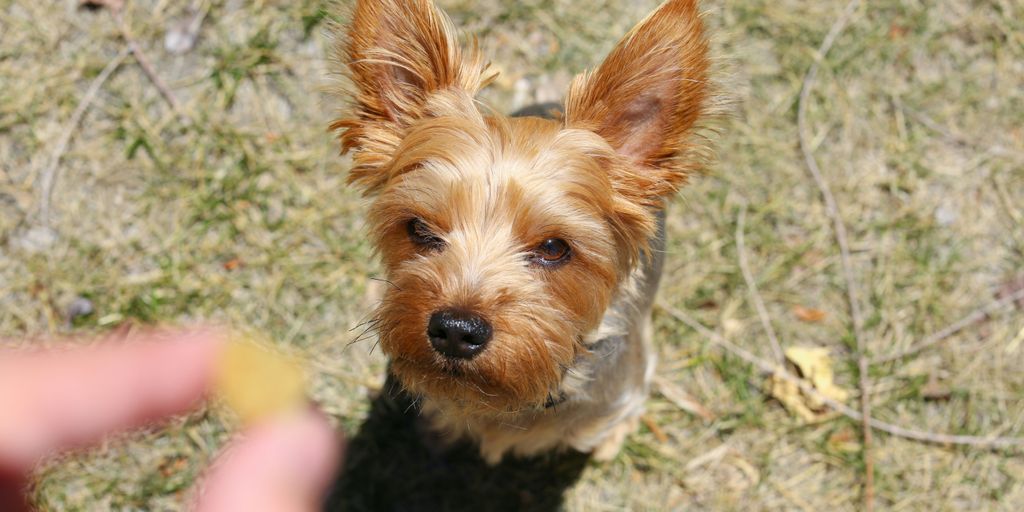
The Science Behind Using Treats
Treats aren’t just about bribing your dog; there’s actual science behind why they work so well. It’s all about positive reinforcement. When your dog does something you like, giving them a treat makes them more likely to do it again. This is operant conditioning in action. Think of it like this: your dog sits, you give a treat, and they learn that sitting equals treat. Over time, they’ll start sitting more often, even without the immediate reward. It’s a simple but powerful way to shape their behavior.
How Treats Reinforce Good Behavior
Treats act as a clear signal to your dog that they’ve done something right. It’s immediate feedback they understand. The key is timing. You want to give the treat right after the desired behavior, so they make the connection. For example, if you’re teaching your dog to stay on a mat, reward them with high-value dog training treats the moment they settle down. This helps them associate the mat with positive experiences, making them more likely to stay there in the future. It’s not just about the food; it’s about building a positive association.
Common Misconceptions About Treats
One common misconception is that using treats is a sign of weak training. Some people think you should only rely on verbal commands or physical corrections. However, positive reinforcement with treats can be incredibly effective and humane. Another misconception is that you’ll always need treats. The goal is to gradually fade them out as your dog masters the behavior. You can start using verbal praise or petting instead. It’s also important to remember that treats should only make up a small portion of your dog’s daily diet. Here are some things to keep in mind:
- Treats are not bribes, they are rewards.
- Treats should be used in moderation.
- Treats can be phased out over time.
Using treats in dog training is not about tricking your dog into obedience. It’s about creating a positive and rewarding learning experience that strengthens your bond and encourages them to want to please you.
Choosing The Right Treats For Training
Okay, so you’re ready to load up on treats. But hold on a sec! Not all treats are created equal. What works for one dog might not work for another. And what works for a simple ‘sit’ might not cut it for a complex recall. Let’s figure out how to pick the perfect treats for your training sessions.
Factors To Consider When Selecting Treats
First off, think about your dog’s preferences. Does your dog go nuts for chicken, or is cheese more their thing? Pay attention to those tail wags and happy dances when you offer different goodies. Also, consider these points:
- Size: Tiny treats are best. You want something your dog can gobble down quickly so you can keep the training flowing. Think pea-sized, not golf ball-sized.
- Smell: A strong, enticing smell can work wonders, especially when you’re working in distracting environments. Stinky is good!
- Ingredients: Read the label! Avoid treats loaded with fillers, artificial colors, and mystery ingredients. You want something relatively healthy.
- Allergies: If your dog has any known allergies, double-check the ingredient list to be safe.
Types Of Treats That Work Best
There’s a whole world of treats out there. Here are a few ideas to get you started:
- Soft Treats: These are usually a hit because they’re easy to chew and swallow quickly. Plus, they tend to be extra smelly.
- Freeze-Dried Treats: Lightweight, portable, and often made with single ingredients like liver or chicken. They’re a great option for high-value rewards.
- Homemade Treats: If you’re feeling ambitious, you can whip up your own treats using healthy ingredients like pumpkin, sweet potato, or oats. This way, you know exactly what’s going into them.
- Human Food (in moderation): Small pieces of cooked chicken, cheese, or even high-value dog training treats can be super motivating. Just be mindful of portion sizes and avoid anything toxic to dogs (like chocolate or grapes).
Treats should be appropriate to the task at hand. If you want to teach your puppy to feel calm and relaxed at the vet’s office, pair being lifted onto the exam table with food that your puppy absolutely adores and will eat even under a little stress.
Consulting Your Vet For Safe Options
Before you go crazy buying every treat on the shelf, have a chat with your vet. They can give you personalized recommendations based on your dog’s age, breed, health, and dietary needs. They can also help you figure out how to balance treats with your dog’s regular meals to avoid weight gain. Remember, treats should only make up a small portion of your dog’s daily calorie intake – around 10% is a good rule of thumb.
Techniques For Effective Training With Treats
Positive Reinforcement Strategies
Positive reinforcement is all about rewarding your dog when they do something right. This encourages them to repeat the desired behavior. It’s way more effective than punishment, which can create fear and anxiety. Think of it like this: you’re building a positive association with the action you want them to perform. For example, if you’re teaching your dog to sit, give them a treat the instant their rear hits the ground. Consistency is key!
- Use high-value treats for new or difficult commands.
- Pair treats with verbal praise, like "Good sit!"
- Keep training sessions short and fun to maintain your dog’s interest.
Timing Your Treat Rewards
Timing is everything when it comes to treat rewards. You need to give the treat within a second or two of the desired behavior. If you wait too long, your dog might not connect the treat with the action. It’s like telling someone "good job" a week after they finished a project – the impact is lost.
Imagine you’re teaching your dog to come when called. As soon as they start running towards you, mark the behavior with a word like "yes!" and then immediately give them a treat when they reach you. This clear and immediate feedback helps them understand exactly what you’re rewarding.
Gradual Progression In Training
Don’t expect your dog to master a new command overnight. Training is a process that requires patience and gradual progression. Start with simple steps and gradually increase the difficulty as your dog progresses. For example, when teaching "stay", begin with just a few seconds and slowly increase the duration. If you try to rush things, you might end up frustrating your dog and yourself. Remember to use positive reinforcement techniques throughout the process.
Here’s a simple progression for teaching "stay":
- Start with a short stay (1-2 seconds).
- Gradually increase the duration (5 seconds, 10 seconds, etc.).
- Add distractions once your dog is reliable with the duration.
Creating A Rewarding Training Environment
Setting Up For Success
To really make treat-based training work, you’ve got to set the stage. Think of it like prepping for a cooking show – you wouldn’t start without all your ingredients ready, right? Same goes for dog training. Make sure you have your treats handy, a quiet space, and a clear idea of what you want to achieve in each session. It’s also a good idea to keep sessions short and sweet. Dogs have pretty short attention spans, so a few focused minutes are way better than a long, drawn-out session where they get bored and distracted. I like to use positive reinforcement training to help my dog learn new tricks.
Minimizing Distractions During Training
Okay, so you’ve got your treats and your dog is (hopefully) somewhat focused. Now, let’s talk distractions. These can be anything from the TV blaring in the background to the neighbor’s cat strutting past the window. The fewer distractions, the better. Try to find a quiet room or a spot in your yard where your dog can really concentrate on you. Turn off the TV, put your phone on silent, and maybe even close the curtains. You want your dog’s full attention, and that’s hard to get when there’s a million other things competing for it.
Using Treats To Build Focus
Treats aren’t just for rewarding good behavior; they can also be a great way to get your dog to focus in the first place. Try holding a treat near your face to encourage eye contact. When your dog looks at you, say "yes" and give them the treat. Repeat this a few times, and your dog will start to associate eye contact with good things. You can also use treats to lure your dog into different positions, like a sit or a down. Just hold the treat in front of their nose and move it in the direction you want them to go. As they follow the treat, give the command and reward them when they complete the action. Consistency is key here, so make sure you’re using the same commands and rewards every time.
Creating a rewarding training environment is more than just giving treats. It’s about building a positive association with training, making it fun and engaging for your dog. When your dog enjoys training, they’re more likely to pay attention and learn quickly. Remember, patience and consistency are your best friends in this process.
Common Mistakes When Using Treats
Overusing Treats In Training
It’s easy to fall into the trap of over-reliance on treats. While treats are great, they shouldn’t be the only tool in your training toolbox. Think of them as a temporary aid. You want to eventually fade them out so your dog performs commands because they understand what’s expected, not just because they’re expecting a snack. If you find yourself constantly reaching for a treat, it might be time to reassess your training approach. Try incorporating verbal praise, petting, or even a favorite toy as rewards. Remember, the goal is to create a well-behaved dog, not a treat-dependent one. To properly give your dog a treat, use the base of your hand to hold the treat under your thumb, ensuring a secure grip.
Choosing Inappropriate Treats
Not all treats are created equal. Consider these points:
- Size Matters: Tiny treats are best for training. You want something your dog can quickly eat so you can keep the training session flowing.
- Health First: Avoid treats loaded with artificial colors, flavors, or preservatives. Look for natural, single-ingredient options.
- Allergies: Be mindful of any allergies or sensitivities your dog might have. If you’re unsure, consult your vet.
- Motivation: What does your dog really love? Experiment to find high-value treats that will get their attention. Some dogs go crazy for freeze-dried liver, while others prefer small pieces of cheese or cooked chicken.
Using the wrong kind of treat can actually hinder your training progress. If the treat isn’t motivating enough, your dog won’t be as engaged. And if it’s unhealthy, you could be doing more harm than good.
Neglecting Variety In Treats
Imagine eating the same meal every single day. You’d get bored pretty quickly, right? The same goes for your dog. If you always use the same treats, they might lose their appeal over time. Keep things interesting by rotating between different flavors, textures, and even brands. This helps maintain your dog’s enthusiasm and keeps them guessing. Also, consider the context. Save the really high-value treats for challenging commands or distracting environments. This makes those treats extra special and reinforces the idea that those situations require extra focus. Remember, dog training treats are a valuable part of the learning process for dogs, so fade only when appropriate.
Advanced Training Techniques With Treats
Shaping Behavior With Treats
Shaping is a cool way to use treats to mold your dog’s behavior gradually. Instead of waiting for the perfect action, you reward small steps that move in the right direction. For example, if you’re teaching your dog to close a door, you might first reward them for looking at the door, then for moving toward it, then for touching it with their nose, and finally for nudging it closed. Each small success gets a treat, building up to the complete behavior. This is way more effective than just waiting for them to close the door by chance. It’s all about positive reinforcement at each stage.
Using Treats For Complex Commands
Treats aren’t just for basic sits and stays; you can use them to teach some pretty complex stuff. Think about stringing together multiple behaviors into a sequence. For instance, you could teach your dog to "fetch the newspaper," which involves going to the paper, picking it up, bringing it back, and dropping it in your hand. Break down the command into smaller, treat-rewarded steps. It takes patience, but the results are impressive. It’s like building with LEGOs, one block (or treat!) at a time. Make sure you are using positive reinforcement dog training to make the process easier.
Incorporating Treats In Group Training
Group training can be tough because there are so many distractions. Treats can be your secret weapon. Use high-value treats to keep your dog focused on you, even with other dogs around. It’s also a good way to teach your dog to work around distractions, which is super useful in real-world situations. Just be mindful of other dogs’ space and any potential food aggression issues. It’s all about creating a positive and controlled environment where your dog learns to listen to you, no matter what’s going on around them.
Group training with treats can be a game-changer. It helps your dog learn to focus on you even when there are other dogs and people around. Start with simple commands and gradually increase the difficulty as your dog gets more comfortable. Remember to keep the sessions short and fun to avoid overwhelming your dog.
Here’s a simple progression for group training:
- Start in a quiet area with just a few dogs.
- Use high-value treats to maintain focus.
- Gradually increase the number of dogs and distractions.
- End each session on a positive note.
Maintaining Your Dog’s Health While Training
It’s easy to get caught up in the excitement of training, but we can’t forget about our dog’s overall health. Treats are a great tool, but they need to be used responsibly to keep your furry friend happy and healthy. It’s all about finding the right balance and making smart choices.
Balancing Treats With Regular Diet
Treats should be a supplement, not a replacement, for your dog’s regular meals. A good rule of thumb is to ensure treats make up no more than 10% of their daily caloric intake. This helps prevent weight gain and ensures they’re still getting all the necessary nutrients from their main food. If you’re using a lot of treats during training, consider reducing the amount of food you give them at mealtime to compensate. You can even use their regular kibble as a positive reinforcement for dogs during training sessions.
Understanding Treat Caloric Content
It’s important to know how many calories are in the treats you’re using. Read the labels carefully and be mindful of serving sizes. Some treats can be surprisingly high in calories, even if they seem small. Consider these points:
- Check the packaging for calorie information.
- Choose lower-calorie options when possible.
- Break larger treats into smaller pieces to make them last longer and reduce calorie intake.
Remember, consistency is key. A little bit of knowledge about the treats you are using can go a long way in keeping your dog healthy.
Healthy Alternatives To Traditional Treats
If you’re concerned about the calorie content or ingredients in commercial treats, there are plenty of healthy alternatives you can use. Some options include:
- Small pieces of cooked chicken or turkey
- Bits of cheese
- Baby carrots
- Apple slices (without the core or seeds)
- Blueberries
These options are often lower in calories and contain fewer additives than store-bought treats. Just be sure to introduce new foods gradually to avoid upsetting your dog’s stomach. Also, consulting with your vet about safe and healthy treats is always a good idea!
Training your dog is not just about teaching them commands; it’s also about keeping them healthy. Make sure your dog gets enough exercise and eats a balanced diet while you train. Regular vet check-ups are important too, as they help catch any health issues early. If you want to learn more about how to keep your dog healthy during training, visit our website for tips and resources!
Wrapping It Up
In the end, using treats for dog training can really make a difference. It’s all about finding what works for your dog and sticking with it. Remember, treats are not just rewards; they help your pup learn and understand what you want from them. Keep it fun and mix things up with different treats to keep your dog engaged. With a little patience and consistency, you’ll see your dog picking up commands and good behavior in no time. So grab those treats, get training, and enjoy the journey with your furry friend!
Frequently Asked Questions
Why are treats important in dog training?
Treats help dogs learn by rewarding them for good behavior. They make training fun and encourage dogs to repeat the actions that get them a treat.
What types of treats are best for training?
Soft, tasty treats are usually the best because dogs can eat them quickly. You can use small pieces of chicken, cheese, or special dog treats.
How many treats should I give my dog during training?
Try to keep treats to about 10% of your dog’s daily food. This way, your dog stays healthy while learning.
Can I use my dog’s regular food as treats?
Yes! Many trainers use regular dog food as treats during training. It’s healthy and keeps your dog’s diet balanced.
What should I do if my dog doesn’t seem interested in the treats?
You may need to try different types of treats. Find something that smells and tastes really good to your dog!
How can I keep my dog healthy while using treats?
Make sure to balance treats with their regular meals, check the calories in treats, and consider healthier options like fruits or veggies.