
Training your dog to do advanced tricks is not just about showing off at the park—it’s a great way to keep your dog mentally sharp and physically fit. Plus, it can really strengthen your bond. Whether you’re just starting out or looking to add to your dog’s repertoire, mastering these tricks can be a rewarding journey for both of you. Let’s dive into some key takeaways on why and how to get started with advanced dog tricks.
Key Takeaways
- Advanced dog tricks boost your dog’s mental and physical health.
- They help improve communication and deepen the bond with your dog.
- Training requires patience, consistency, and the right tools.
- Positive reinforcement is crucial for successful trick training.
- Incorporating tricks into sports can enhance your dog’s skills and confidence.
Understanding the Benefits of Advanced Dog Tricks
Enhancing Mental Stimulation
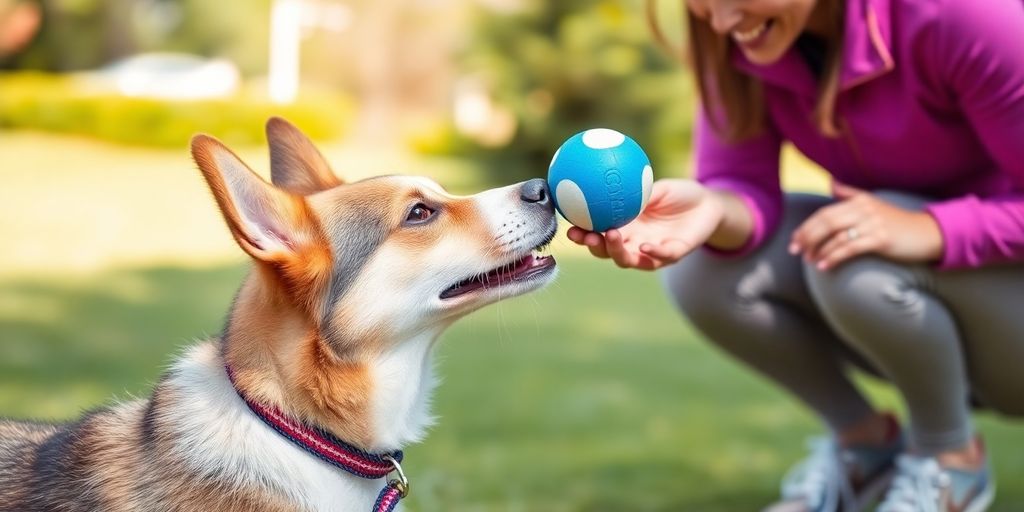
Teaching your dog advanced tricks is like giving their brain a workout. When you engage your dog in complex trick training, you’re challenging them mentally, which keeps their mind sharp and active. This mental stimulation is crucial because it helps prevent boredom, which is often the root cause of many behavioral issues. Dogs that are mentally engaged tend to be happier and more well-behaved.
Strengthening the Human-Canine Bond
Spending time teaching your dog new tricks can significantly strengthen the bond between you and your furry friend. When you work together on learning new tricks, you create a partnership based on trust and understanding. Each successful trick learned is a shared victory that brings you closer. Dogs learn to rely on your guidance, and you get to understand their unique signals and body language better.
Improving Obedience and Discipline
Advanced dog tricks aren’t just for show; they play a big role in improving your dog’s obedience and discipline. By teaching your dog to follow complex commands, you’re making them more attentive and responsive to your cues. This leads to a more harmonious living environment as your dog learns to behave better and follow instructions more reliably. In essence, advanced trick training can turn into a fun yet effective way to instill discipline in your pet.
"Engaging a dog’s brain is crucial for effective training, leading to better behavior and a stronger bond between the pet and its owner." Positive training methods enhance a dog’s learning abilities and motivation for both the dog and the owner.
Getting Started with Advanced Dog Trick Training
Essential Training Tools and Resources
Getting your dog to master advanced tricks starts with having the right tools and resources. Clickers and target sticks are super handy. A clicker makes a sound that tells your dog they did something right, while a target stick helps guide them. You can also consider training books and online resources to get step-by-step instructions. And if you need extra help, professional trainers can be a great resource.
Setting Realistic Training Goals
Before you jump into training, it’s important to set goals. Think about what you want your dog to learn and how long it might take. Keep track of progress so you know what’s working and what’s not. Celebrate small wins to keep both you and your dog motivated. Remember, patience is key.
Building a Strong Foundation with Basic Commands
Before diving into advanced tricks, make sure your dog knows the basics. Commands like sit, stay, and lie down are the foundation of any good training routine. These commands help your dog learn focus and discipline, which are crucial for more complex tricks.
Mastering Complex Tricks for Your Canine Companion
Teaching your dog advanced tricks can be a rewarding journey. It not only shows off your dog’s skills but also strengthens your connection with them. Let’s explore some complex tricks that will challenge both you and your furry friend.
Teaching Off-Leash Control
Getting your dog to listen without a leash is a big achievement. It gives them more freedom and helps you feel more confident in their behavior. Start by practicing commands in a safe, enclosed area. Gradually test their response in different settings, ensuring they’re reliable before venturing into open spaces. Consistency is key, so keep training sessions regular and positive.
Incorporating Agility and Sports
Agility and sports can be a great way to keep your dog fit and mentally sharp. Consider teaching them to jump through hoops or weave through poles. These activities not only improve coordination but also build confidence and focus. Many dogs enjoy the challenge and excitement of agility courses, which can also be a fun way for you to bond with them.
Developing Specialty Tricks
Specialty tricks add an element of fun and can impress any audience. Tricks like "roll over," "play dead," or "fetch my slippers" require breaking down the actions into smaller steps. Use clear cues and reward your dog immediately after they perform the desired behavior. With patience and practice, your dog will master these tricks in no time.
Tip: Dogs learn at their own pace. Stay patient and keep sessions short to maintain their interest. If progress stalls, revisit basic commands to reinforce their learning.
By working on these complex tricks, you’re not only enhancing your dog’s abilities but also deepening your bond with them. With time, patience, and a lot of treats, you’ll see your dog’s skills grow.
Overcoming Challenges in Advanced Dog Trick Training
Dealing with Training Plateaus
Hitting a plateau in training can be a real bummer, but it’s actually quite common. Dogs, like people, might master a few tricks quickly and then suddenly stop progressing. Switching up your approach can make a difference. Try revisiting the basics to ensure your dog has a solid foundation. Sometimes, introducing new rewards or changing the training environment can reignite your dog’s enthusiasm. Short, focused training sessions sprinkled throughout the day can also be more effective than one long session.
Remember, patience and persistence are key. Every dog learns at their own pace, and sometimes a little break is all they need to come back ready to learn.
Addressing Behavioral Issues
Behavioral hiccups can pop up during advanced training. It’s crucial to identify the root cause of any issues. Is your dog getting enough exercise? Are they bored or anxious? Addressing these underlying problems can often solve the behavioral issues. Consistency in commands and a calm demeanor can also help. If things get tricky, don’t hesitate to reach out to a professional trainer or join a community where you can share experiences and solutions with other dog owners.
Maintaining Motivation and Consistency
Keeping your dog motivated can be a challenge, especially if they lose interest in treats or toys. Mix it up by introducing new rewards or games that your dog loves. Consistency is just as important—stick to a routine and keep your training sessions regular. Celebrate small victories and keep the atmosphere positive. Remember, training should be fun for both you and your dog. A happy dog is a motivated dog, and that makes the learning process enjoyable for everyone involved.
The Role of Positive Reinforcement in Trick Training
Using Treats and Praise Effectively
Positive reinforcement is all about rewarding your dog for doing the right thing. Consistency is key when it comes to using treats and praise effectively. You want your dog to know exactly what behavior earns them a reward. Use small, tasty treats that your dog loves and give them immediately after they perform the desired action. Verbal praise, like a cheerful "good job," can also boost their confidence and make them eager to learn more. Some dogs even respond well to playtime or a favorite toy as a reward.
- Use small, easily digestible treats.
- Offer verbal praise with enthusiasm.
- Incorporate toys for dogs that love to play.
Timing and Consistency in Rewards
When you’re training your dog, timing is everything. You need to reward them right after they do something good, so they connect the dots between the action and the treat. If you wait too long, they might not understand what they’re being rewarded for. Being consistent with your rewards helps your dog learn faster and keeps them motivated. Make sure everyone involved in the training uses the same commands and rewards to avoid confusing your dog.
"Positive reinforcement is a powerful tool in dog training. By rewarding desired behaviors, we create a positive and enriching experience for our dogs, reinforcing their confidence and strengthening our bond."
Creating a Positive Training Environment
A positive training environment is crucial for your dog’s success. This means keeping sessions short and fun, so your dog doesn’t lose interest or get frustrated. Celebrate small victories along the way to keep things upbeat. This approach not only helps your dog learn new tricks but also strengthens the bond between you and your furry friend. Remember, patience and a positive attitude go a long way in making training an enjoyable experience for both of you.
- Keep sessions short and engaging.
- Celebrate small successes.
- Maintain a positive and patient attitude.
By focusing on positive reinforcement dog training, you’re not just teaching tricks; you’re building a partnership with your dog, making the learning process enjoyable and rewarding for both of you.
Incorporating Tricks into Canine Sports and Competitions
Preparing for Agility Trials
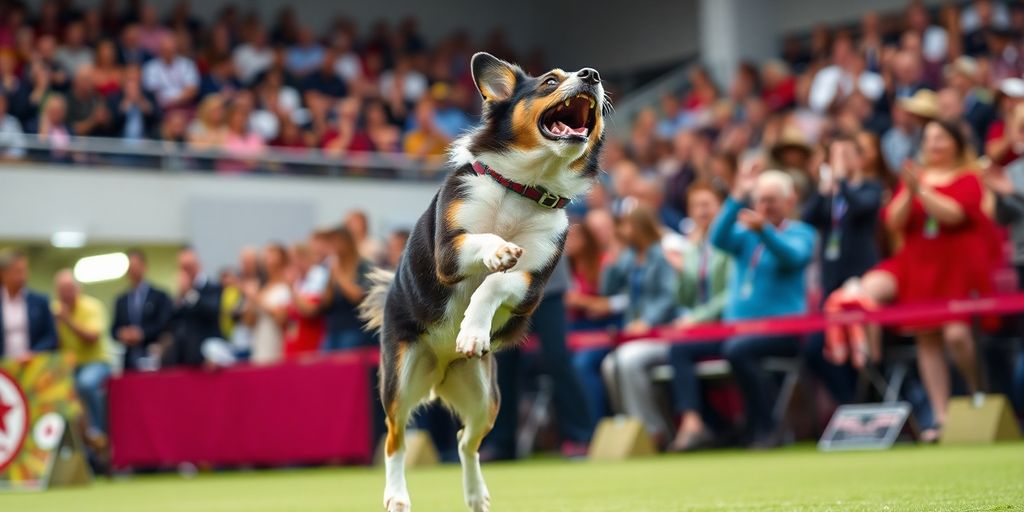
Agility trials are like an obstacle course for dogs, testing their speed and agility. These events are fast-paced and thrilling, requiring dogs to zip through tunnels, leap over hurdles, and weave through poles. But adding a flair with tricks can make your dog stand out. Imagine your pup balancing on a beam or pulling off a stylish jump mid-course. These tricks not only showcase their versatility but also captivate the audience.
Incorporating tricks into agility trials can earn your dog extra points and recognition, making the competition even more exciting. Judges often look for creativity and precision, so a well-executed trick can really make a difference.
Showcasing Tricks in Obedience Competitions
Obedience competitions are all about precision and focus. Dogs are judged on how well they follow commands like sit, stay, and heel. But adding tricks into the mix can elevate the performance. Tricks like spinning, bowing, or fetching specific items can highlight your dog’s advanced training and the bond you share.
Incorporating tricks allows dogs to showcase extra skills and their ability to respond to unconventional commands. These performances not only impress the judges but also bring out your dog’s unique personality.
Building Confidence and Focus
Incorporating tricks into sports and competitions isn’t just about showing off. It’s also about building your dog’s confidence and focus. When dogs learn new tricks, they develop problem-solving skills and mental agility. This not only helps them perform better in competitions but also strengthens your relationship.
- Confidence Building: Tricks help dogs gain confidence as they master new skills.
- Enhanced Focus: Performing tricks requires concentration, which improves overall focus.
- Stronger Bond: Working on tricks together deepens the connection between you and your dog.
Training for competitions is not just about winning; it’s about creating a shared journey with your dog. Every trick learned is a step towards a stronger bond and a more confident canine companion.
For those looking to dive deeper into competitive dog sports, discover 10 essential dog training tips that can enhance your experience, whether you’re aiming for enjoyable neighborhood walks or preparing for the big leagues.
Exploring the Evolution of Dog Tricks
Historical Perspectives on Dog Tricks
Dog tricks have been around for ages, and their roots run deep in ancient history. Think of the Egyptians and Romans—they were already training dogs for religious ceremonies and entertainment. These ancient folks saw something special in dogs, recognizing their intelligence and agility. Fast forward to the Renaissance, and you’d find dogs performing in traveling circuses, amazing audiences with their clever routines. It was a whole new level of entertainment.
Modern Training Techniques
Today, dog training has taken a positive turn. Modern methods focus on rewards like treats and praise to encourage good behavior. This approach really helps in building a strong bond between the dog and its owner. Unlike the old days when training could be harsh, now it’s all about making the experience enjoyable for both the dog and the trainer. Positive reinforcement is the name of the game.
The Future of Canine Trick Training
As we look to the future, who knows what dogs will be doing next? With advances in training techniques and an ever-growing understanding of canine psychology, the sky’s the limit. We might see dogs performing even more complex tricks, maybe even in ways we can’t imagine yet. The bond between humans and dogs will only get stronger as we continue to explore new ways to train and understand these amazing animals.
The bond between humans and dogs in performing and entertaining stretches back thousands of years and continues to evolve. Dog trick training has undergone a transformation, with modern techniques focusing on positive reinforcement and creating a respectful and enjoyable training experience for dogs.
For those interested in the history of dog training, Colonel Konrad Most is a name worth knowing. Often called the father of modern traditional dog training, his work has had a huge impact on how we train dogs today.
In this section, we dive into how dog tricks have changed over time. From simple commands to impressive stunts, the way we teach our furry friends has evolved. Understanding this journey can help you connect better with your dog and enhance your training experience. Want to learn more about effective dog training? Visit our website for tips and courses that can help you and your pet thrive!
Wrapping It Up: The Joy of Advanced Dog Tricks
So, there you have it. Teaching your dog advanced tricks isn’t just about showing off at the park—it’s about building a stronger bond with your furry friend. Sure, it takes time and patience, but the rewards are totally worth it. You’ll find that your dog is not only more obedient but also happier and more engaged. Plus, you’ll have a blast along the way. Remember, every dog learns at their own pace, so keep it fun and pressure-free. Happy training, and enjoy every moment with your amazing pup!
Frequently Asked Questions
How does teaching tricks benefit my dog?
Teaching tricks helps keep your dog’s mind sharp, improves their behavior, and makes your connection with them stronger.
What are some fun tricks to teach my dog?
You can teach your dog to sit, stay, shake hands, roll over, fetch, and even jump through hoops.
How can I use rewards to teach my dog tricks?
Use treats, praise, or toys to reward your dog right after they do something good. This helps them learn what you want them to do.
What’s the history of dog tricks?
Dog tricks have been around since ancient times, with dogs performing in circuses and shows. Today, training focuses on using rewards to encourage learning.
What tools can help with trick training?
You can use clickers, treat bags, and online videos or books to help teach your dog new tricks.
Can my dog do tricks in sports and contests?
Yes, dogs can show off their tricks in agility contests and obedience events, where they can earn points and show their skills.