
So, you’ve decided to teach your dog a new trick, and bowing seems like a fun one to start with. It’s not just about showing off at the park; it’s a great way to bond with your furry friend. This guide will walk you through getting your pup to bow like a pro, step by step. And don’t worry, it’s not as hard as it sounds! With a little patience, some tasty treats, and a lot of love, you’ll have your dog bowing in no time. Let’s dive in and get started on this fun journey of teaching your dog to bow.
Key Takeaways
- Consistency is key in dog training. Stick to a routine to help your dog learn faster.
- Positive reinforcement works wonders. Reward your dog with treats and praise to encourage good behavior.
- Set realistic goals. Every dog learns at their own pace, so be patient and adjust your expectations.
- Avoid common mistakes like overusing treats or skipping verbal cues. These can confuse your dog and slow down progress.
- Practice in different environments. This helps your dog generalize the trick and perform it anywhere.
Understanding the Basics of Dog Training
The Importance of Consistency
Training a dog isn’t just about teaching commands; it’s about building a relationship through consistent practice. Dogs thrive on routine, and knowing what to expect helps them learn more effectively. Imagine trying to learn a new language without regular practice—confusing, right? It’s the same for dogs. Consistency in commands, rewards, and training times helps your dog understand what’s expected. This doesn’t mean you need to train for hours on end; even short, regular sessions can make a big difference.
Using Positive Reinforcement
Positive reinforcement is like giving your dog a high five for a job well done. It’s all about rewarding good behavior to encourage it in the future. Whether it’s a tasty treat, a favorite toy, or just a good belly rub, find what motivates your dog. The key is to reward immediately after the desired behavior, so your dog makes the connection. This method not only teaches commands but also boosts your dog’s confidence and strengthens your bond.
Setting Realistic Goals
When setting goals for your dog’s training, keep them realistic and attainable. Start with simple commands like "sit" or "stay" before moving on to more complex tricks. Remember, every dog learns at their own pace, and pushing too hard can lead to frustration for both you and your furry friend. Celebrate small victories and build on them gradually. Training should be a fun and rewarding experience for both of you, not a stressful race to the finish line.
Training is not just about obedience; it’s about communication and mutual respect. By understanding the basics, you lay the groundwork for a well-behaved and happy dog.
Preparing Your Dog for the Bow Trick
Choosing the Right Environment
When you’re getting ready to teach your dog the bow trick, picking the right spot is key. Make sure it’s a quiet area in your home where distractions are minimal. Dogs learn better when they can focus, so avoid places with loud noises or too much activity. If you have other pets, consider keeping them in another room during training sessions. Consistency is also important, so try to use the same spot each time you practice.
Gathering Necessary Supplies
Before you start, gather everything you’ll need. Here’s a quick list to help you get organized:
- Treats: Choose something your dog loves. Treats are essential for positive reinforcement and will keep your dog motivated.
- Clicker: If you use clicker training, have it handy. It’s a great tool for marking the exact moment your dog does something right.
- Mat or Blanket: This can help define the training area and make your dog comfortable.
Having these supplies ready will make your training sessions smoother and more effective.
Ensuring Your Dog’s Comfort
Your dog’s comfort should be a top priority. Make sure they’re not hungry, thirsty, or tired before you begin. If your dog seems restless or distracted, it might be best to postpone the session. Remember, training should be a fun and positive experience for both of you. If your dog isn’t enjoying it, take a break and try again later.
Taking the time to prepare properly can make all the difference. A comfortable, well-prepared dog is more likely to engage and learn the bow trick quickly. Keep sessions short and fun to maintain enthusiasm.
Step-by-Step Guide on How to Teach a Dog to Bow
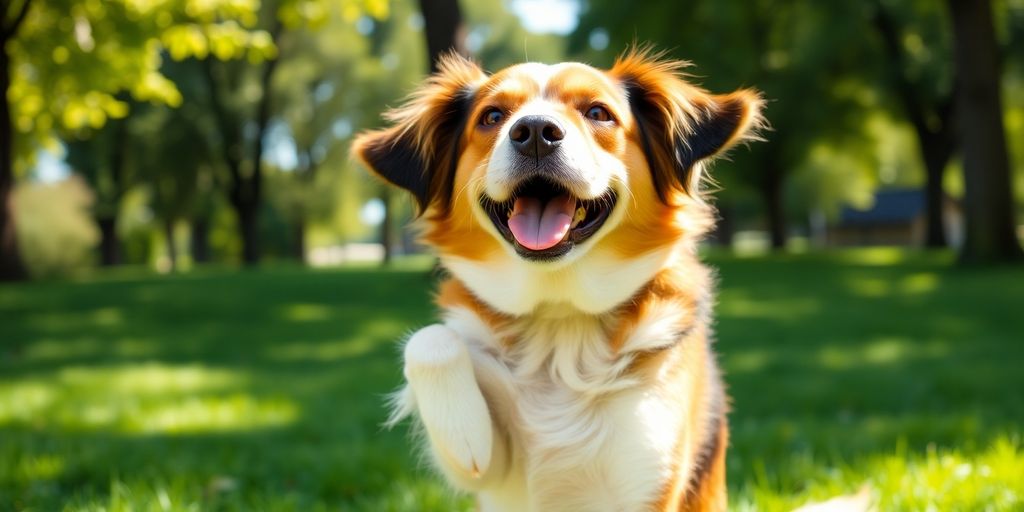
Teaching your dog to bow is a fun and rewarding trick that can showcase their skills. Here’s a detailed guide to help you get started.
Starting with the Right Posture
Before you begin, ensure your dog is standing comfortably. Keep an eye on their back; it should be straight, not arched. If your dog struggles to maintain this posture, it might be best to try another trick to avoid discomfort.
- Stand in front of your dog with a treat in hand.
- Use the treat to guide their head down towards their chest.
- As they follow the treat, encourage them to shift their weight back without lying down completely.
Using Treats to Encourage Bowing
Treats are a great motivator. They help in guiding your dog into the bow position.
- Hold a treat near their nose and slowly lower it toward the ground.
- As your dog follows the treat, their front legs should naturally lower.
- Reward them immediately when they achieve the bow position.
- Repeat this step to reinforce the behavior.
Introducing the Verbal Cue
Once your dog starts bowing consistently, it’s time to introduce a verbal cue.
- Choose a word like "Bow" or "Take a Bow" and say it just before you guide them into the position.
- Gradually reduce the use of the treat as a lure and rely more on the verbal cue.
- Continue to reward generously when they respond correctly to the cue.
With patience and practice, your dog will be bowing like a pro. Remember, consistency and positive reinforcement are key. Don’t rush the process, and enjoy the journey with your furry friend!
Common Mistakes to Avoid When Teaching Your Dog to Bow
Overusing Treats
It’s tempting to give your dog a treat every time they make a move towards bowing, but over-relying on treats can backfire. Dogs can become dependent on them, expecting a reward for every action. Instead, gradually reduce the frequency of treats and replace them with verbal praise or a quick pat. This helps your dog learn to perform the bow for acknowledgment rather than just for food.
Skipping the Verbal Cue
Introducing a verbal cue early in the training is vital. If you skip this step, your dog may not associate the action with the command, making it harder for them to perform on cue later. Start by saying the cue, like "bow," every time you guide your dog into position. Over time, they’ll learn to link the word with the action, allowing you to practice the "bow" command effectively.
Ignoring Your Dog’s Body Language
Dogs communicate a lot through their body language. If your dog seems uncomfortable or stressed during training, it’s crucial to take a break. Ignoring these signs can lead to a negative experience, making your dog reluctant to learn new tricks. Watch for signs like tail tucking, yawning, or avoiding eye contact, and adjust your approach to make your dog feel more at ease.
Training should be a fun and rewarding experience for both you and your dog. Pay attention to their cues, and you’ll both enjoy the journey of learning new tricks together.
Advanced Tips for Mastering the Bow Trick
Extending the Duration of the Bow
Once your dog has nailed the basic bow, it’s time to make it a real showstopper. Start by encouraging your dog to hold the bow position a little longer. You can achieve this by giving treats in quick succession while they maintain the pose. Gradually increase the time between each treat, so your pup learns to stay in position longer for that tasty reward. Remember, patience is key here. Consistency and encouragement will help your dog understand that holding the bow is what earns them the treat.
Incorporating Hand Signals
Adding hand signals can make the bow trick even more impressive. Start by using a specific hand gesture each time you ask your dog to bow. Over time, your dog will learn to associate that gesture with the action. This can be a wave of the hand or a slight bow from you to mimic what you want your dog to do. Once your dog responds to the hand signal alone, you can start phasing out the verbal cue, making the trick look seamless and well-rehearsed.
Practicing in Different Settings
Dogs can be creatures of habit, so it’s important to practice the bow trick in various settings to ensure they can perform anywhere. Begin training in a quiet room, then gradually move to more distracting environments like the backyard or a park. This helps your dog learn to focus on you despite the surrounding chaos. Always keep sessions short and fun, and use positive reinforcement to reward your dog’s progress. The more your dog practices in different places, the more confident they’ll become in showing off their bow trick anywhere.
Celebrating Success: Rewarding Your Dog
Choosing the Best Rewards
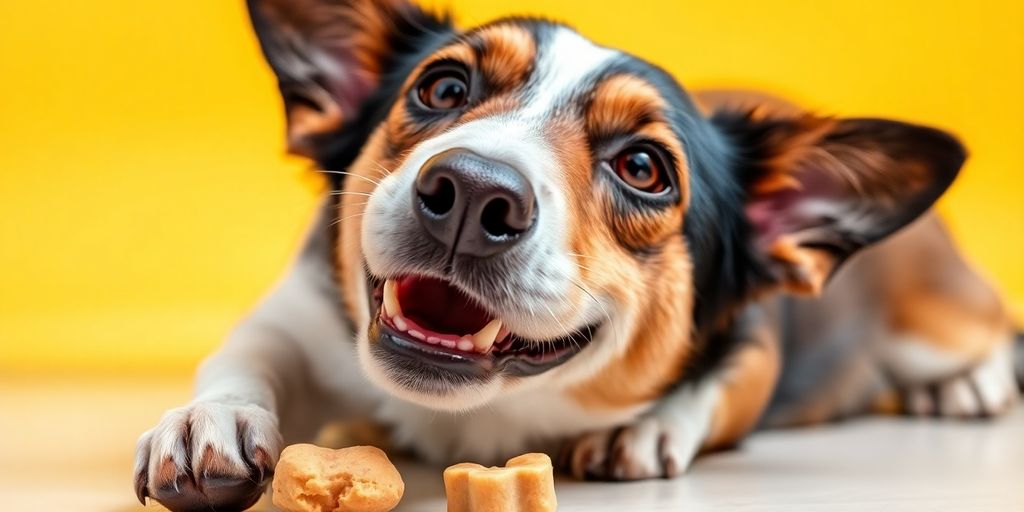
When it comes to rewarding your dog, it’s all about finding what they really love. Some dogs go crazy for a tasty treat, while others might prefer a bit of playtime or a favorite toy. Think of it like this: you’d probably work hard for a paycheck, but not so much for a pile of rocks. So, figure out what makes your dog tick. Treats are great because they’re quick and easy to give, helping keep the training momentum going. But don’t forget about toys or a good belly rub as alternatives.
Timing Your Rewards Effectively
Timing is everything in dog training. You want to make sure your dog knows exactly what action earned them the reward. If your dog does something right, reward them immediately. This instant feedback helps them connect the dots between the action and the reward. If you’re a bit slow, they might not understand what they did to earn it. So, keep your treats handy and your timing sharp.
Maintaining Enthusiasm in Training
Keeping your training sessions lively and fun is key to maintaining your dog’s enthusiasm. Make sure to mix things up by introducing new challenges or changing the environment. If you keep doing the same thing over and over, both you and your dog might get bored. Short, energetic sessions with plenty of play breaks will keep your dog engaged and excited to learn. And remember, if things aren’t going well, it’s okay to take a break and try again later. The goal is to have fun and strengthen your bond with your furry friend.
The joy of seeing your dog learn a new trick is unmatched. It’s not just about the trick itself but the journey you both take to get there, filled with wags, barks, and lots of love. Celebrate each small victory along the way.
Rewarding your dog is a great way to celebrate their achievements! When your furry friend does something good, like following a command or learning a new trick, give them a treat or some praise. This not only makes them happy but also helps them learn better. Want to know more about how to train your dog effectively? Visit our website for tips and resources!
Wrapping It Up: Your Dog’s New Trick
So there you have it, teaching your dog to bow isn’t rocket science, but it sure is rewarding. With a bit of patience and a lot of treats, your furry friend will be bowing like a pro in no time. Remember, every dog learns at their own pace, so don’t stress if it takes a little longer than expected. Keep the sessions fun and light-hearted, and soon enough, you’ll both be showing off this new trick to friends and family. Happy training!
Frequently Asked Questions
How long does it usually take to teach a dog to bow?
It might take a few days to a couple of weeks, depending on your dog’s learning speed and how often you practice.
What should I do if my dog doesn’t keep its back straight while bowing?
If your dog struggles to keep a straight back, it’s best to skip this trick to ensure their comfort and safety.
Can I use treats to teach my dog to bow?
Yes, treats are a great way to encourage your dog to follow the motion and learn the bow trick.
When should I introduce a verbal cue for the bow trick?
Start using a verbal cue once your dog begins to understand the bow motion. Say the cue just before guiding them into the position.
What if my dog doesn’t respond to the verbal cue?
If your dog doesn’t respond to the cue, go back to using treats and repeat the process until they connect the cue with the action.
Is it okay to practice the bow trick in different places?
Yes, practicing in various settings can help your dog learn to bow in any environment, making the trick more reliable.