
Thinking about getting a new puppy? That’s exciting! Training can feel like a big task, but with the right tools, it’s totally doable. One really popular method is clicker training. It uses a little sound to tell your puppy they’re doing a great job. This guide will walk you through how to use a clicker to teach your puppy all sorts of things, from their name to more complex actions. We’ll cover everything you need to know to get started and make training fun for both of you.
Key Takeaways
- Clicker training uses a distinct ‘click’ sound as a marker to tell your puppy they’ve done something right, followed by a treat.
- Before training behaviors, ‘charge’ the clicker by pairing the sound with treats so your puppy understands the association.
- Start with simple commands like teaching your puppy their name and introducing a hand target.
- Mastering the timing of the click is important; it should happen the exact moment the desired behavior occurs.
- Keep training sessions short, fun, and always end on a positive note, gradually phasing out the clicker as your puppy learns.
Understanding The Clicker Training Method
Clicker training is a way to talk to your dog using a special sound. Think of it like a secret code between you and your furry friend. It’s all about positive reinforcement, which basically means rewarding your dog for doing something good. This method uses a small device, the clicker, to mark the exact moment your dog does what you want. This makes it super clear for them. It’s not magic, but it’s a really effective way to teach new things and build a stronger bond.
A training clicker is a small gadget that makes a distinct ‘click’ sound. It’s not just any noise; it’s a sound that your dog will learn to associate with something positive – usually a tasty treat. This sound acts as a marker, telling your dog, ‘Yes! That’s exactly what I wanted!’ It’s a simple tool, but it’s incredibly powerful for communication. You can find them in various shapes and sizes, some even have wrist straps to make them easier to hold onto. The key is that it makes a consistent, clear sound that your dog can easily recognize.
Clicker training works on a simple principle: operant conditioning. Basically, your dog learns that a specific action leads to a reward. When your dog performs a desired behavior, you click the clicker at that precise moment. Immediately after the click, you give them a treat or something they really like. This consistent pairing of the click with a reward teaches your dog to associate the sound with good things. Over time, the click itself becomes a predictor of a reward. So, when your dog hears the click, they know they’ve done something right and a reward is coming their way. This makes the training process much clearer for your dog, helping them understand what you’re asking for much faster. It’s a way to give your dog instant feedback.
Clicker training is so effective for a few key reasons:
- Clear Communication: The click is a precise marker. Unlike a verbal cue that can change in tone or volume depending on your mood, the click is always the same. This removes ambiguity for your dog.
- Positive Association: It focuses on rewarding good behavior, making training a positive and enjoyable experience for both you and your dog. This builds trust and strengthens your relationship.
- Motivation: Dogs are motivated to repeat behaviors that earn them rewards. The clicker helps them understand exactly which behaviors are rewarding, encouraging them to offer those behaviors more often.
- Speed of Learning: Because the click marks the exact moment of correct behavior, dogs can learn new cues and commands much faster. They quickly figure out what earns them the click and the subsequent treat.
The beauty of the clicker is its neutrality. It doesn’t convey your excitement or frustration, just a clear signal that a reward is coming. This consistency is what helps dogs learn so effectively and quickly.
This method is a fantastic way to communicate with your puppy and build a strong foundation for all future training.
Getting Started With Clicker Training Your Puppy
So, you’ve decided to give clicker training a whirl for your new furry friend. Awesome choice! It’s a really effective way to communicate with your pup, and honestly, it’s pretty fun once you get the hang of it. But before we start clicking away, we need to get a few things sorted. Think of it like prepping for a big project – you wouldn’t just jump in without the right tools, right?
Gathering Your Training Supplies
Alright, let’s talk gear. You don’t need a whole lot, but having the right stuff makes things way smoother. First up, obviously, is the clicker itself. There are a bunch of different types out there, and we’ll get into that in a sec. Then, you’ll need treats. And not just any treats – we’re talking high-value treats. These are the super-duper tasty morsels that your puppy goes absolutely bonkers for. Think tiny pieces of cooked chicken, cheese, or special training treats. Regular kibble might not cut it when you’re starting out because it’s just not exciting enough. You’ll want to have these treats readily accessible, so a treat pouch or a pocket works wonders. Having your supplies ready before you start will make your training sessions much more efficient.
Choosing The Right Clicker
Clickers come in all shapes and sizes. You’ve got your classic box clickers, which are pretty loud, and then there are quieter teardrop or button styles. Some people even use a smartphone app, though I find a physical clicker easier to manage when you’ve got a wiggly puppy. What’s best for you really depends on your preference and your puppy’s sensitivity to sound. If your pup startles easily, a quieter clicker might be a better starting point. Many trainers like the button-style clickers because they’re easy to hold in one hand while you’re managing treats with the other. It’s worth trying a couple if you can, or just picking one that feels comfortable in your hand. You can find a good selection of dog training clickers online or at your local pet store.
Creating A Distraction-Free Training Space
This is a big one, especially when you’re just beginning. Puppies, bless their hearts, have short attention spans. If there’s too much going on, they’re going to be more interested in the squirrel outside or the dust bunny under the couch than in what you’re trying to teach them. So, find a quiet room in your house where you can minimize interruptions. Turn off the TV, put your phone on silent, and let other family members know you’re having a training session. This focused environment helps your puppy understand that when you’re in this space and have the clicker, it’s time to pay attention and learn. It might seem simple, but setting up this calm space is key to making your training sessions productive and enjoyable for both of you.
The goal here is to create a clear signal for your puppy. By minimizing outside noise and activity, you’re helping your dog associate the clicker and your training time with focused learning, rather than the chaos of everyday life.
Charging The Clicker: Building Association
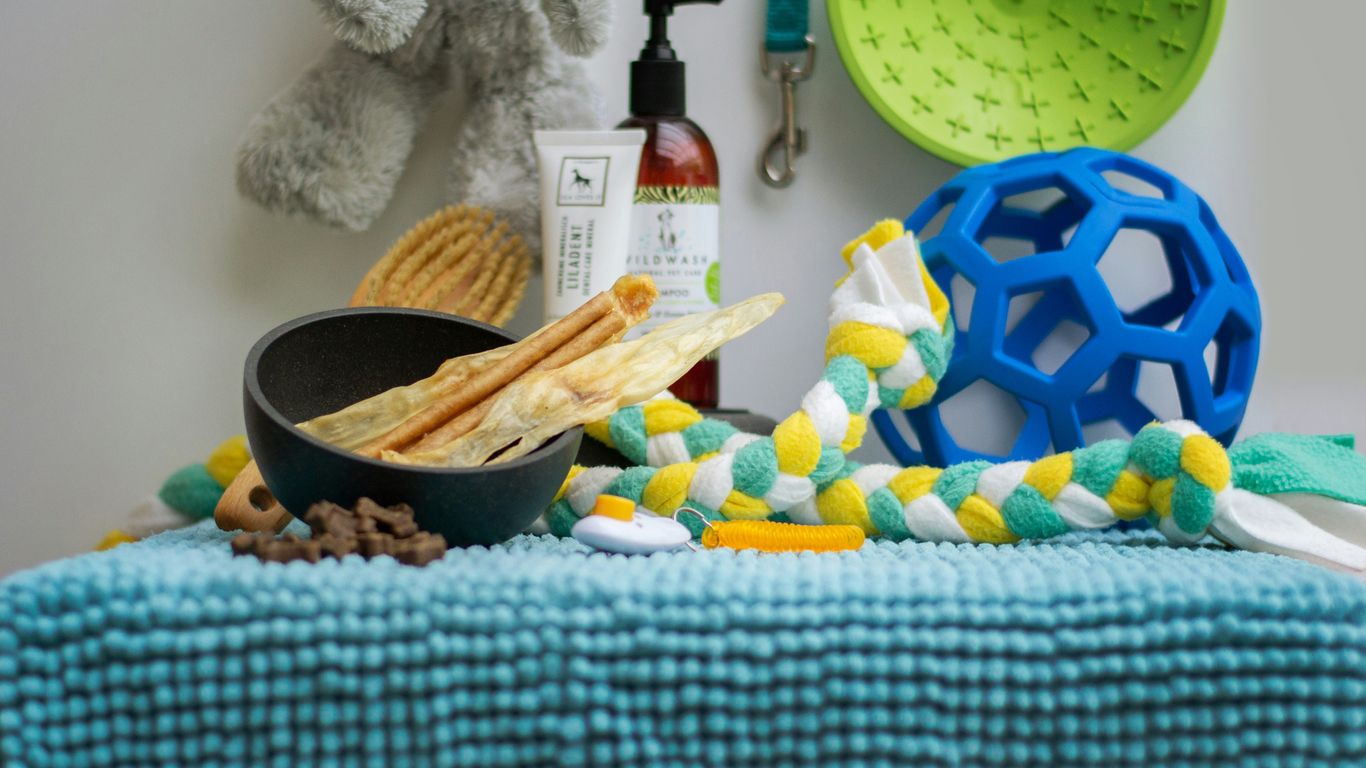
Before you can start teaching your puppy any cool tricks or commands, you need to make sure they understand what that little clicker sound means. This is where ‘charging the clicker’ comes in. It’s all about building a positive association between the click and something your puppy really loves – usually a tasty treat.
The Process Of Charging The Clicker
This part is super simple, and honestly, pretty fun. You’re basically going to play a game of ‘click and treat’ with your pup. First, grab some really high-value treats. We’re talking about the good stuff, not just their regular kibble. Think tiny pieces of cheese, cooked chicken, or special training treats that your puppy goes crazy for. You’ll also need your clicker. If you’re right-handed, hold the clicker in your left hand along with about 20 small treats. If that feels awkward, a treat pouch works great too.
Find a quiet spot with minimal distractions – maybe your living room with the TV off. Sit down with your puppy. Now, just press the clicker. Click! Immediately after the click, toss a treat on the floor for your puppy to eat. Don’t ask for any behavior, don’t say anything else. Just click, then treat. Your puppy will probably look at you, wondering what’s up. Wait a moment until they seem a little less focused on you, then click again and toss another treat. You’re just randomly clicking and treating, making sure that every single click is followed by a yummy reward. This helps your puppy learn that the click sound predicts good things are coming their way.
Repeating Charging Sessions
Don’t expect your puppy to get it after just one session. You’ll want to repeat this click-and-treat process a few times throughout the day. Each session doesn’t need to be long, maybe just a few minutes and using up those 20 treats. Think of it like this:
- Session 1: Click, treat, click, treat… (20 treats total)
- Session 2 (a few hours later): Click, treat, click, treat… (20 treats total)
- Session 3 (later that day or the next): Click, treat, click, treat… (20 treats total)
Consistency is key here. The more your puppy experiences the click followed immediately by a reward, the stronger that association will become. You’re building a bridge between the sound and the deliciousness.
Recognizing When Your Puppy Understands
So, how do you know when your puppy has gotten the memo? You’ll start to see a change in their reaction. When you click the clicker, your puppy will likely perk up, look at you expectantly, and maybe even start looking for a treat. They might even offer a little head tilt or a wagging tail, showing they’re anticipating that reward. The moment your puppy looks to you for a treat right after hearing the click, you know they’ve made the connection. They understand that the click means a treat is coming. Once this happens, you’re ready to move on to teaching actual behaviors. You’ve successfully charged the clicker!
Remember, the clicker itself doesn’t do anything magical. It’s just a sound. Its power comes from being paired consistently with something your dog values. This simple tool can make communication during training much clearer for your puppy, helping them understand exactly what they did right at the precise moment they did it.
Teaching Foundational Puppy Behaviors
Alright, so you’ve got your clicker charged and your puppy is starting to get the hang of it. That’s awesome! Now it’s time to put that clicker to work teaching your pup some really useful stuff. These are the building blocks for everything else you’ll teach them, so getting them right is super important. We’re going to cover teaching your puppy their name, introducing a hand target, and getting them comfortable with basic body position commands. These might seem simple, but they lay the groundwork for a well-behaved companion.
Teaching Your Puppy Their Name
This is probably the most important thing you can teach your dog. Their name is how you get their attention, whether it’s to call them away from something dangerous or just to say hello. We want them to associate their name with good things, and the clicker is perfect for this. It’s like a little party signal that means a treat is coming!
Here’s a simple way to play the ‘Name Game’:
- Get a bunch of tiny, super tasty treats ready. Think small pieces of chicken or cheese – whatever your puppy goes crazy for.
- Toss a treat away from you. This gets your puppy to look away.
- As soon as they finish the treat and turn back towards you, say their name in a happy, upbeat voice.
- The instant they look at you, click the clicker and immediately give them another treat.
- Repeat this, always tossing the treat in the opposite direction after they look at you. This helps them learn to turn back to you when they hear their name.
Keep these sessions short and fun. You’re basically teaching them that hearing their name means good things are about to happen, and they should look to you for those good things. It’s a great way to start building that connection and making sure they’re listening.
Introducing A Hand Target
Teaching your puppy to touch your hand with their nose is a really versatile skill. It can be used to guide them into different positions, help them focus on you, or even just as a fun game. It’s all about teaching them to voluntarily interact with your hand.
To start:
- Hold the clicker in one hand and a treat in the other. Or, if you’re right-handed, hold the clicker in your left hand with treats, and use your right hand for the target.
- Present your open palm to your puppy at their nose level.
- Wait. Your puppy will likely sniff your hand out of curiosity. The moment their nose touches your palm, click and immediately give them the treat from your other hand.
- Repeat this several times. Once they’re reliably touching your hand, you can start moving your hand slightly to the side or a little higher, clicking and treating when they follow and touch it.
This is a fantastic way to get your puppy to follow your lead and pay attention to where you want them to go. It’s a gentle way to start guiding their movements without any force.
Mastering Basic Body Position Commands
Now that your puppy knows their name and can follow a hand target, we can start teaching them some basic positions like ‘sit’ and ‘down’. The clicker makes it super clear to your puppy exactly what action earned them the reward.
For ‘Sit’:
- Hold a treat near your puppy’s nose.
- Slowly move the treat up and back over their head. As their nose follows the treat, their rear end will naturally lower.
- The instant their bottom touches the floor, click and give them the treat.
- Repeat this. Once they’re reliably sitting when you move the treat, you can start saying the word ‘sit’ just as they begin to lower themselves. Eventually, they’ll associate the word with the action.
For ‘Down’:
- Start with your puppy in a sit position.
- Hold a treat at their nose level and slowly lower it straight down between their front paws, then slightly away from them along the floor.
- As they follow the treat to lie down, the moment their elbows touch the floor, click and give them the treat.
- Again, repeat this. Once they’re reliably going down, start saying the word ‘down’ as they begin the motion. You’re essentially using the clicker to mark the exact moment they perform the desired action, making it easy for them to learn.
Remember, consistency is key here. Keep your training sessions short, positive, and always end on a good note. Your puppy is learning a new language, and patience will go a long way in building a strong bond and a well-behaved friend. For more on positive reinforcement training, check out puppy obedience training.
Advanced Clicker Training Techniques
Once your puppy has a good grasp on the basics, it’s time to explore some more advanced ways to use your clicker. These methods help you teach more complex behaviors and refine existing ones. It’s all about building on that solid foundation you’ve already created.
Using Luring to Guide Behavior
Luring involves using a treat or toy to guide your puppy into a specific position or action. You hold the lure close to your puppy’s nose and move it in a way that encourages them to follow, naturally moving their body into the desired pose. The moment they achieve the position, you click and then give them the treat. This is a great way to introduce new movements without any physical correction. For example, to teach a ‘spin’, you’d move a treat in a circle around their head, clicking and rewarding as they follow it.
Capturing Spontaneous Good Behavior
Capturing is the opposite of luring. Instead of guiding your puppy, you wait for them to offer a behavior on their own. See your puppy naturally lie down? Click and treat! Did they spontaneously offer a paw? Click and treat! This method is fantastic for teaching behaviors that are harder to lure, like ‘settle’ or ‘shake a paw’. It requires patience and keen observation, but it’s incredibly rewarding when your puppy starts offering behaviors specifically to earn a click.
Shaping Complex Actions Step-By-Step
Shaping is how you build up to more complicated behaviors by rewarding small steps in the right direction. You break down the final behavior into tiny, manageable pieces. For instance, if you want to teach your dog to close a door, you might start by clicking and treating any movement towards the door, then clicking and treating touching the door, then pushing it slightly, and so on. Each small success is marked with a click and a reward, gradually building towards the complete action. It’s like building with tiny blocks, each one leading to the next.
This process requires a keen eye for your dog’s actions and a good understanding of how to break down complex tasks. It’s about rewarding progress, no matter how small, and celebrating each step your puppy takes towards the final goal. Remember, consistency is key here, and patience will pay off in the long run.
Here’s a general idea of how shaping works:
- Identify the final behavior: What exactly do you want your puppy to do?
- Break it down: Divide the behavior into the smallest possible steps.
- Reward approximations: Click and treat any movement that gets closer to the goal.
- Increase criteria gradually: Only reward the next step once the current one is reliable.
- Fade the lure/prompt: As your puppy understands, start to reduce your guidance.
This technique is incredibly effective for teaching tricks or behaviors that don’t have an obvious starting point for luring. It truly helps your puppy learn to think and problem-solve, making training a fun mental workout for both of you. You can find more great tips on positive reinforcement training at this website.
Mastering The Art Of Timing
Timing is absolutely everything when you’re clicker training your puppy. Think of the clicker as a camera shutter, freezing the exact moment your dog does something right. The click marks the behavior, and the treat is the reward that follows. It’s not about when you finish the treat or when you decide to click; it’s about that split second the desired action happens.
The Importance Of Precise Click Timing
Why is this so important? Well, dogs live in the moment. If you click too late, your puppy might think they’re being rewarded for something else entirely – maybe for looking away, or for standing up. This can lead to confusion and slow down training. A precise click tells your dog, ‘Yes! That specific thing you just did is what earned you this yummy treat!’ It removes guesswork for your pup and makes your training sessions much more effective. It’s like giving them a clear, unambiguous signal. This clarity is a big part of why clicker training is effective.
Clicking During The Behavior
So, when exactly should you click? The golden rule is to click during the behavior, not after it’s completed. For example, if you’re teaching your puppy to sit:
- Sit Command: As their bottom starts to lower towards the floor, click.
- Hand Target: When their nose touches your hand, click.
- Going to Mat: The moment their paws touch the mat, click.
It takes practice to get this timing down. You might find yourself clicking a little early or a little late at first. That’s okay! The more you practice, the better you’ll get at anticipating and marking the exact moment.
When To Click For Specific Commands
Let’s break down some common commands and the ideal click timing:
- Sit: Click the instant their rear end touches the ground.
- Down: Click the moment their elbows touch the floor (if teaching from a sit) or their body is fully lowered.
- Stay: This is a bit trickier. You click for the duration of the stay. So, if you ask for a 5-second stay, you’d click at the 5-second mark, assuming they haven’t moved. If they break the stay before then, you don’t click.
- Come: Click the moment they turn towards you or take a step in your direction when you call their name.
Remember, the click is a marker. It signals that a reward is coming. It’s not the reward itself. Your timing needs to be sharp to make this marker truly useful for your puppy.
It’s all about clear communication. The better your timing, the faster your puppy will learn what you’re asking for. Don’t get discouraged if it feels awkward at first. Keep practicing, and you’ll soon be a timing pro!
Tips For Successful Clicker Training Sessions
Alright, so you’ve got your clicker, you’ve charged it up, and your puppy is starting to get the hang of things. That’s awesome! But keeping those training sessions productive and fun is key to making real progress. It’s not just about clicking and treating; it’s about creating a positive learning environment for your furry friend. Think of it like this: you wouldn’t want to sit through a boring lecture for hours, right? Your puppy feels the same way.
Keeping Training Sessions Short and Fun
Seriously, don’t overdo it. Puppies have short attention spans, and you want them to associate training with good times, not exhaustion. Aim for sessions that are around 5 to 10 minutes long, maybe two or three times a day. If you see your puppy getting distracted or losing interest, it’s time to wrap it up. A quick, positive session is way better than a long, frustrating one. You can always pick it up again later.
Rewarding Every Correct Action Initially
When you’re first teaching a new behavior, or even when you’re just starting out with clicker training, it’s a good idea to reward every single time your puppy gets it right. This helps build a strong association between the click, the behavior, and the reward. It keeps them super motivated and helps them learn quickly. You’re basically saying, "Yes! That’s exactly what I want!"
Here’s a quick look at how rewards can ramp up motivation:
| Stage of Training | Reward Frequency | Puppy Motivation |
|---|---|---|
| New Behavior/Beginner | Every correct action | High |
| Practicing Behavior | Every 2-3 correct actions | Moderate to High |
| Known Behavior/Advanced | Intermittent (random) | Sustained |
Phasing Out The Clicker Gradually
Once your puppy has a solid grasp of a behavior, you can start to fade the clicker. This doesn’t mean you stop rewarding them, but you won’t click for every single repetition. You might start clicking only for the best examples of the behavior, or you might switch to a verbal marker like "yes" sometimes. This helps your puppy understand that the behavior itself is rewarding, not just the click. It’s a gradual process, so be patient. You can find lots of exercises to teach your puppy in our ZigZag puppy training app.
Ending On A Positive Note
Always, always, always end your training sessions on a high note. Ask your puppy to do something they know well, click and reward them for it, and then let them go play or have some downtime. This leaves them with a positive feeling about training and makes them eager for the next session. It’s like getting a gold star at the end of class – it makes you feel good and want to come back for more.
A good training session is one where both you and your puppy feel successful and happy. If you’re feeling frustrated, take a break. If your puppy is confused, simplify the task. The goal is to build a strong bond through clear communication and positive experiences.
Want to make your training sessions with your dog super effective? Keep them short, fun, and always end on a good note! Focus on rewarding good behavior and stopping before your dog gets tired or bored. Want to learn more about making every clicker training moment count? Visit our website for expert tips and guides!
Keep Up the Great Work!
So, you’ve made it through the guide on clicker training your puppy. That’s awesome! Remember, consistency is key here. Keep those training sessions short, fun, and positive. Your puppy is learning a whole new language with you, and it takes time. Don’t get discouraged if things don’t click right away (pun intended!). Just keep practicing, celebrate those small wins, and enjoy the process of building a stronger bond with your furry friend. You’re doing great, and your pup is lucky to have you!
Frequently Asked Questions
What exactly is a training clicker and how does it work?
A training clicker is a small device that makes a distinct “click” sound. It’s used as a marker to tell your puppy they’ve done something right, right at the moment they do it. Think of it like a camera flash capturing the perfect moment! This click is then immediately followed by a tasty treat, helping your puppy understand what behavior earned them the reward.
How do I get my puppy used to the clicker?
This process is called ‘charging the clicker.’ It’s super simple! Just sit with your puppy in a quiet spot, click the clicker, and immediately give them a treat. Do this about 10-15 times in short sessions. Repeat this a few times over a day or two. Your puppy will quickly learn that the “click” means a yummy treat is coming their way!
What are the best first things to teach my puppy with a clicker?
Teaching your puppy their name is a fantastic first step. It’s used all the time! Another great one is a ‘hand target,’ where they learn to touch your hand with their nose. These simple behaviors build a strong foundation and help your puppy get comfortable with the clicker and training process.
Why is timing so important in clicker training?
Timing is everything! The click needs to happen at the exact moment your puppy performs the desired action. If you click too late, they might not connect the click with the right behavior. It’s like freezing that perfect moment so they know precisely what earned them the praise and treat.
Can I use a word instead of a clicker?
Absolutely! You can use a specific word, like “yes” or “good,” as your marker instead of a clicker. The key is to use it consistently and neutrally every time your puppy does something right, followed by a treat. Some people prefer a word because it’s always available, while others like the clear, distinct sound of a clicker.
When should I stop using the clicker and treats?
You’ll gradually phase out the clicker and treats as your puppy becomes more reliable with a command. Once they consistently perform the behavior when you ask, you can start clicking and treating less often. Eventually, you might just use praise or an occasional treat. The clicker is a teaching tool, and like any good teacher, you eventually want your student to learn without constant reminders.