
Puppies chewing on things can be super frustrating, right? You buy them all these toys, puppy-proof the house, and still, they find your favorite shoes or the corner of the rug. It’s a common problem, but thankfully, there are ways to guide your furry friend. This article will walk you through understanding why your puppy chews and how to manage it with smart puppy chew training. We’ll cover everything from setting up a safe space to picking the best toys and knowing what training methods actually work.
Key Takeaways
- Puppies chew for various reasons, including teething pain, exploring their world, boredom, stress, and play. Understanding the ‘why’ is the first step.
- Puppy-proofing your home by securing valuables and creating a safe, designated area can prevent chewing on inappropriate items and keep your pup safe.
- Providing a variety of appropriate chew toys and rotating them regularly helps satisfy your puppy’s need to chew and keeps them engaged.
- Effective puppy chew training involves interrupting unwanted chewing and redirecting your puppy to acceptable chew toys, along with teaching commands like ‘drop it’.
- Meeting your puppy’s needs with sufficient exercise, mental stimulation, and a consistent routine is vital for reducing destructive chewing behaviors.
Understanding Why Puppies Chew
It can be super frustrating when your new puppy decides your favorite pair of shoes or the corner of the rug is their personal chew toy. You might be wondering why they do it, especially when you’ve bought them a whole basket of toys. Well, it turns out there are several pretty good reasons why your little furball can’t seem to keep their teeth off everything.
The Puppy Teething Process
Just like human babies, puppies go through a phase where their teeth are coming in, and then later, when they lose their baby teeth and their adult ones start to erupt. This can be quite uncomfortable, even painful. Chewing helps to relieve that pressure and discomfort. Think of it as their way of self-soothing during a tough developmental stage. This intense chewing period usually lasts until they are about six months old, when they finally have all their adult teeth.
Natural Exploration And Play Behavior
Puppies are naturally curious creatures. They explore the world with their mouths, much like we use our hands. Chewing helps them learn about textures, tastes, and the general properties of objects around them. It’s how they investigate new things. If they find something particularly interesting – maybe it has a great texture or smells like you – they’ll want to chew on it more. It’s also a form of play for them; they might carry, toss, or gnaw on an item just for fun and to entertain themselves.
Addressing Stress And Boredom
Sometimes, chewing isn’t about teething or exploring; it’s a sign that your puppy is feeling stressed, anxious, or just plain bored. If a puppy is left alone for too long without enough mental or physical activity, they can start to get restless. Chewing can become a coping mechanism for anxiety, especially separation anxiety. It’s also a way for them to pass the time when they don’t have anything else engaging to do. A lack of sufficient exercise or mental stimulation can lead to destructive chewing behaviors, even in older dogs who might otherwise be well-behaved. It’s important to recognize these signs and address the underlying cause, rather than just focusing on the chewing itself. If you suspect your puppy is struggling with anxiety, it might be helpful to look into puppy training resources for guidance.
Puppy-Proofing Your Home For Success
Okay, so you’ve got a little land shark on your hands, and your furniture is starting to look like it went through a shredder. It happens! The good news is, you can totally manage this. Puppy-proofing isn’t about making your home a sterile museum; it’s about creating a safe zone for your pup and protecting your stuff while they learn the ropes. Think of it as setting up a playpen for your toddler, but for your furry friend.
Creating A Safe Designated Area
This is probably the most important step. When you can’t keep a close eye on your puppy, they need a secure spot. This could be a corner of a room blocked off with baby gates, a sturdy exercise pen, or even a crate. This safe space should be filled with things your puppy can chew on, like their toys and a comfy bed. It’s their own little den where they can relax and won’t get into trouble. It also helps them feel secure, especially when they’re new to your home. For apartment dwellers, this is especially key to making your home puppy-friendly.
Securing Valuables And Hazards
Now, let’s talk about what’s not supposed to be a chew toy. Puppies explore with their mouths, and if something is within reach, it’s fair game. That means anything you don’t want chewed needs to be put away. Think electrical cords (a big hazard!), shoes, books, remote controls, and anything small enough to be swallowed. Also, keep cleaning supplies, medications, and any toxic plants well out of reach. It’s a bit like child-proofing, but with a furry tornado in mind.
Here’s a quick checklist:
- Electrical Cords: Tuck them away, use cord covers, or block access.
- Valuable Items: Shoes, books, remotes, glasses – put them on high shelves or in drawers.
- Toxic Substances: Cleaning products, medications, certain plants – store them in locked cabinets.
- Small Objects: Anything that could be a choking hazard needs to be picked up.
Puppies don’t understand
Providing Appropriate Chew Toys
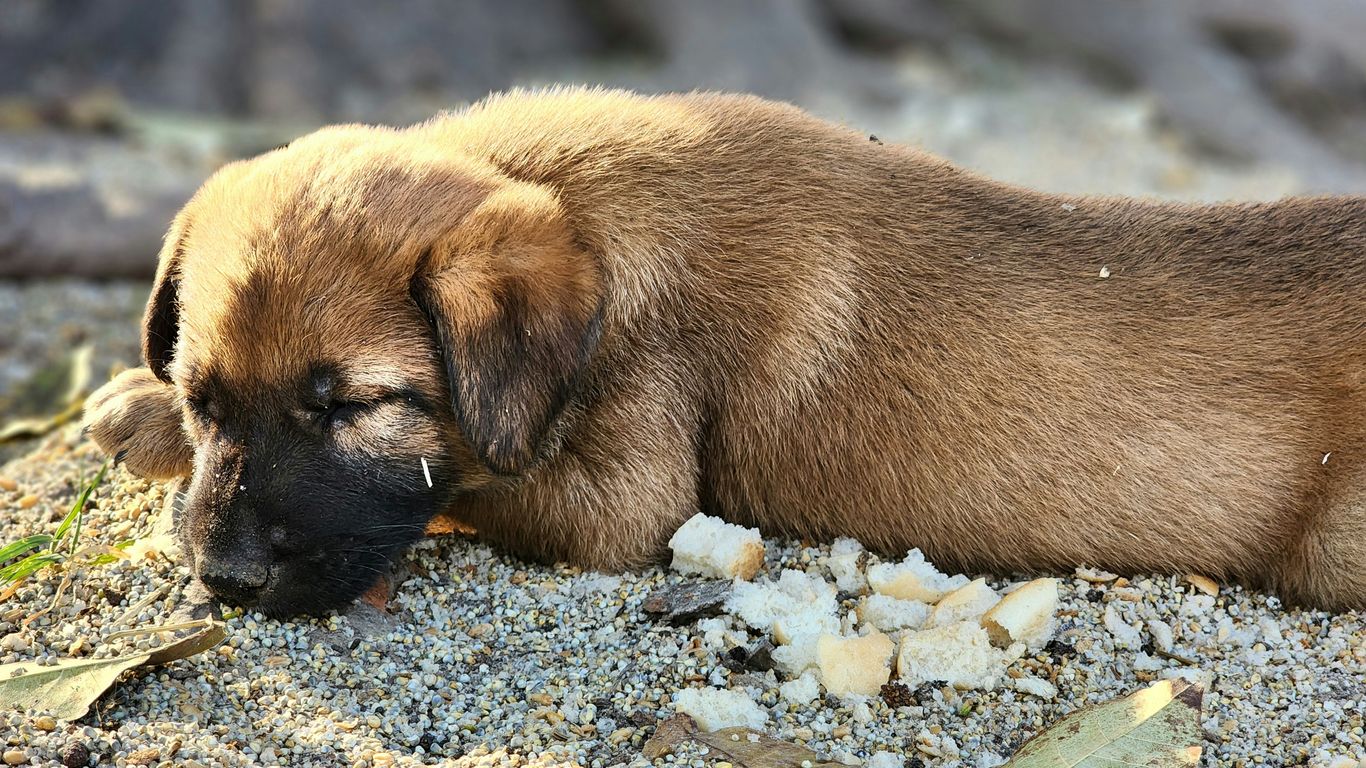
Puppies chew. It’s just what they do, especially when they’re young and their teeth are coming in. Giving them the right things to gnaw on is super important. It keeps them from destroying your favorite shoes and also helps their gums feel better. Think of it like this: you wouldn’t give a teething baby a hard plastic toy, right? Same idea here.
Selecting The Right Variety Of Toys
Your puppy needs options. Not all chew toys are created equal, and what one puppy loves, another might ignore. It’s a good idea to have a mix of textures and firmness. Some puppies like soft, plush toys they can really sink their teeth into, while others prefer the challenge of a hard rubber toy. You’ll also want to consider toys that dispense treats, as these can keep a puppy occupied for a good long while. Variety is the spice of life, and for puppies, it’s the key to happy chewing.
Here are some types of toys to consider:
- Rubber Toys: Durable and often great for stuffing with treats. Look for ones with nooks and crannies.
- Rope Toys: Good for tugging and gentle chewing, but supervise to make sure they don’t ingest the strings.
- Plush Toys: Best for puppies who are gentler chewers. Always check for stuffing that could be a choking hazard.
- Puzzle Toys: These dispense treats and make your puppy work for their reward, offering great mental stimulation.
Rotating Toys To Maintain Interest
Ever notice how your puppy can go from loving a toy to completely ignoring it overnight? It happens. To keep things interesting, try rotating your puppy’s toys. Put a few away for a week or two, then bring them back out. It’s like rediscovering old favorites! This simple trick can prevent boredom from setting in and redirect chewing behavior back to the toys you want them to use. You can even try hiding treats in different toys each day to make it a fun game.
Safe Edible Chews For Puppies
Edible chews can be a lifesaver, but you need to be smart about them. Things like bully sticks, natural rawhide (if your vet approves), or dental chews can be great. Always supervise your puppy when they have an edible chew. Some puppies are gulpers and can choke if they bite off too big a piece. Also, make sure the chews are appropriate for your puppy’s size and chewing strength. If you’re unsure, it’s always best to ask your veterinarian for recommendations. Remember, these are treats, not a meal replacement.
When choosing edible chews, look for options that are digestible and specifically made for puppies. Avoid cooked bones, as they can splinter and cause serious internal damage. Always monitor your puppy during chew time to prevent choking or ingestion of large pieces.
Effective Puppy Chew Training Techniques
So, your furry little land shark seems determined to redecorate your home with its teeth? Don’t worry, it’s a common puppy phase, but one you can definitely manage with the right approach. It’s all about guiding them toward good habits and away from your favorite pair of shoes.
Interrupting and Redirecting Chewing
When you catch your pup gnawing on something they shouldn’t, the key is to interrupt the behavior without scaring them. A sharp, but not angry, "Eh eh!" or a quick clap can often do the trick. The moment they pause, immediately offer them something they are allowed to chew on – a favorite toy, a puzzle feeder, or a safe chew stick. Make the toy seem super exciting! Wiggle it, squeak it, make it the most interesting thing in the room. This teaches them that when they stop chewing the wrong thing, something even better appears. It’s a positive way to show them what’s acceptable.
- Catch them in the act: Don’t scold after the fact; timing is everything.
- Interrupt gently: Use a sound or word to get their attention.
- Redirect immediately: Offer an appropriate chew toy and make it fun.
- Praise the good choice: When they chew the toy, give them lots of praise.
Teaching the ‘Drop It’ Command
This is a super handy command for all sorts of situations, not just chewing. You want your puppy to willingly release whatever is in their mouth when you ask. Start when they have a toy they like. Offer them a high-value treat or an even more exciting toy. As they open their mouth to take the treat or go for the new toy, say "Drop it." Once they release the item, give them the treat or let them play with the new toy, and praise them. Gradually, you can start using the command when they have less desirable items, always trading them for something better. Practice this regularly, and always make it a positive exchange.
Using Taste Deterrents Wisely
Sometimes, you need a little extra help to make certain items less appealing. Taste deterrents, like bitter apple spray, can be applied to furniture legs, electrical cords (make sure they’re unplugged first!), or anything else you want to keep out of your puppy’s mouth. The idea is that the unpleasant taste will make them think twice before chewing. It’s important to remember that these are a management tool, not a training solution on their own. Your puppy needs to have plenty of appropriate chew toys available, otherwise, they’ll just find something else to chew. Also, test the spray on an inconspicuous area first to make sure it doesn’t damage the material.
Taste deterrents work best when they create a negative association with the object, not with you. This way, your puppy learns that the couch leg tastes yucky, rather than becoming afraid of you when you’re around.
Remember, consistency is key. Every time you redirect or use a deterrent, you’re helping your puppy learn what’s okay and what’s not. It takes patience, but you’ll get there!
Meeting Your Puppy’s Needs
Sometimes, even with the best toys and a puppy-proofed house, your little guy might still find your favorite shoes irresistible. This often happens when their basic needs aren’t quite being met. Think of it like a toddler who’s hungry or tired – they’re going to get fussy and grab whatever they can. Puppies are no different. Making sure they’re getting enough physical activity and mental stimulation is a big part of stopping unwanted chewing.
Ensuring Sufficient Physical Exercise
Puppies have a ton of energy, and if they don’t get to burn it off, they’ll find their own ways to do it – usually by chewing on things they shouldn’t. A tired puppy is a good puppy, as they say. How much exercise is enough really depends on the breed, age, and individual energy level of your pup, but it’s more than just a quick potty break.
- Young Puppies (under 6 months): Aim for short, frequent play sessions. Think 5 minutes of active play per month of age, a couple of times a day. So, a 3-month-old might get 15 minutes of fetch or tug-of-war, twice a day, in addition to walks.
- Older Puppies (6 months+): You can gradually increase the duration and intensity. Longer walks, more vigorous play sessions, or even introducing them to dog parks (once fully vaccinated and comfortable) can be great.
- Breed Matters: A Border Collie will need significantly more exercise than a Basset Hound. Research your breed’s typical energy needs.
Don’t forget that exercise isn’t just about running around. It’s about engaging their bodies and tiring them out in a healthy way. Over-exercising can be harmful, so always pay attention to your puppy’s cues – panting, lagging behind, or lying down are signs they’ve had enough.
Providing Mental Stimulation
Just like us, dogs need to use their brains. If a puppy is bored, they’ll invent games, and chewing on your couch is a pretty common one. Mental exercise can be just as tiring as physical exercise, and it’s a fantastic way to redirect that chewing instinct.
- Puzzle Toys: These are great for dispensing kibble or treats. Your puppy has to work to get the food out, which keeps them occupied and thinking.
- Training Sessions: Even 5-10 minutes of practicing basic commands like ‘sit,’ ‘stay,’ or ‘come’ can be mentally exhausting for a puppy. It also strengthens your bond and teaches them good manners.
- Nose Work Games: Hide treats around a room or yard and let your puppy sniff them out. This taps into their natural scenting abilities and is incredibly engaging.
Establishing a Routine
Dogs thrive on predictability. A consistent schedule for feeding, potty breaks, playtime, training, and rest can help reduce anxiety and boredom, both of which can lead to chewing. When your puppy knows what to expect throughout the day, they’re less likely to feel the need to create their own chaos.
- Consistent Wake-Up and Bedtimes: Helps regulate their sleep cycles.
- Regular Meal Times: Aids digestion and prevents begging.
- Scheduled Potty Breaks: Crucial for house training and preventing accidents.
- Dedicated Play and Training Slots: Ensures they get their exercise and mental stimulation.
- Quiet Downtime: Puppies need naps! Schedule in periods where they can rest undisturbed.
What To Avoid During Training
Training a puppy can feel like a rollercoaster, and when it comes to chewing, it’s easy to get frustrated. But some common reactions can actually make things worse. Let’s talk about what not to do.
The Dangers Of Punishment Tactics
It’s tempting to scold or even swat your puppy when you catch them chewing something they shouldn’t. However, punishment after the fact is completely ineffective and can be harmful. Your puppy won’t connect your anger with something they did minutes or hours ago. Instead, they’ll just learn to be afraid of you. This can lead to a breakdown in trust and make your puppy anxious, potentially causing more chewing out of stress. Yelling or physical discipline doesn’t teach them what they should chew; it just teaches them to fear the consequences of being caught.
Avoiding Confusing Signals
One of the biggest mistakes we make is sending mixed messages. For example, giving your puppy an old shoe to chew on while expecting them to leave your brand-new sneakers alone is just unfair. They can’t tell the difference between
When training your dog, steer clear of harsh methods. Using fear or punishment can really hurt your dog’s confidence and make them not trust you. It’s way better to use positive ways to teach them. Want to learn more about the best ways to train your furry friend? Visit our website for expert tips and guidance!
Wrapping Up: Patience and Consistency Win the Chewing Battle
So, you’ve puppy-proofed your home, stocked up on chew toys, and maybe even tried a few deterrent sprays. It’s a lot, I know. But remember, this chewing phase is totally normal for puppies. They’re exploring, teething, and just figuring things out. It takes time and a whole lot of patience on your part. Keep redirecting them to their toys, give them plenty of exercise, and try not to get too frustrated when your favorite slipper becomes a chew toy. Consistency is key here. Stick with the plan, celebrate the small wins, and before you know it, your pup will be chewing on the right things. You’ve got this!
Frequently Asked Questions
Why do puppies chew on everything?
Puppies chew for a few main reasons. When they’re teething, their gums hurt, and chewing helps ease the pain, just like babies. They also explore the world with their mouths, learning about different textures and tastes. Plus, chewing can be a fun way for them to play and keep themselves entertained, especially when they’re bored or a little stressed.
How can I stop my puppy from chewing my stuff?
The best way is to puppy-proof your home by putting away things you don’t want chewed, like shoes or remotes. Provide plenty of appropriate chew toys and redirect your puppy to those when you catch them chewing something they shouldn’t. Make sure they have enough exercise and mental challenges so they aren’t bored.
What kind of chew toys are best for puppies?
Offer a variety of toys with different textures and shapes. Things like rubber toys (like Kongs), rope toys, and puzzle toys filled with treats can be great. It’s also a good idea to rotate the toys every few days to keep them interesting. Always make sure the toys are safe and the right size for your puppy.
Is it okay to use bitter sprays or other deterrents?
Yes, using a safe, pet-friendly bitter spray can help. Spray it on furniture legs or other items you don’t want your puppy to chew. The unpleasant taste can teach them to avoid those things. Just remember, this works best when you also provide good chew toys and supervision.
Should I punish my puppy if I catch them chewing?
No, never punish your puppy harshly. Yelling or hitting can make them scared of you and won’t solve the chewing problem. Instead, calmly interrupt the behavior by saying ‘uh-oh’ or ‘leave it,’ then immediately give them an appropriate toy to chew on. Praise them when they chew the right thing.
How much exercise and mental stimulation do puppies need?
Puppies need a good amount of both! Daily walks, playtime in the yard, and even short training sessions or puzzle toys can help tire them out and keep their minds busy. A tired puppy is usually a well-behaved puppy and less likely to chew destructively out of boredom or excess energy.