
If you’re a new dog owner, figuring out how to train your pup can feel overwhelming. With so many dog training books for beginners out there, it can be tough to know where to start. Luckily, there are some fantastic resources that break down the basics of dog training into easy-to-digest tips and techniques. This guide will highlight essential dog training books that can help you raise a well-behaved and happy dog, making the journey smoother for both you and your furry friend.
Key Takeaways
- Positive reinforcement is key to successful dog training.
- Every dog should know basic commands like sit, stay, and come.
- Avoid common mistakes like inconsistency and lack of patience.
- Establish a regular training routine and track your dog’s progress.
- Understanding your dog’s behavior helps strengthen your bond.
Understanding Dog Training Basics
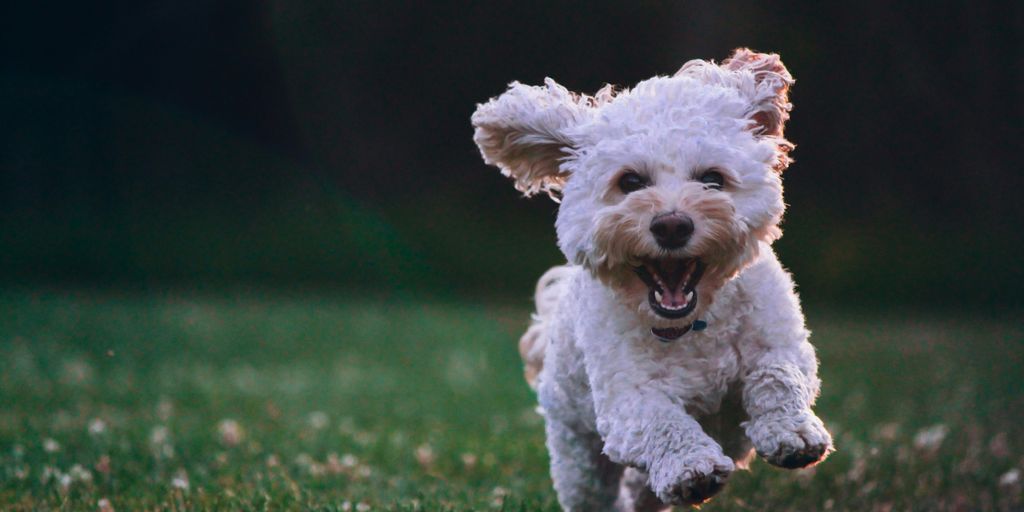
So, you’re thinking about training your dog? Awesome! It’s not always easy, but it’s super rewarding. Let’s get into some of the basics you should know before you even start.
Importance of Positive Reinforcement
Positive reinforcement is the way to go. Forget about old-school methods that involve punishment. Positive reinforcement means rewarding your dog when they do something right. This could be with treats, praise, or even just a good scratch behind the ears. Dogs learn way better when they’re motivated by something they want, rather than trying to avoid something they don’t want. It’s like, would you rather work for a boss who yells at you or one who gives you a bonus for a job well done? Exactly.
Essential Commands Every Dog Should Know
There are a few commands that are absolute must-haves. These aren’t just for showing off; they’re important for your dog’s safety and well-being. Here’s a quick list:
- Sit: This is usually the first command people teach, and it’s a good one for getting your dog’s attention.
- Stay: Super important for keeping your dog out of trouble, like running into the street.
- Come: Another safety command. You need to be able to call your dog back to you no matter what.
- Down: Useful for calming your dog down in exciting situations.
- Leave it: This one can save your dog from eating something dangerous.
Training these commands takes time and patience. Don’t expect your dog to get it overnight. Keep training sessions short and fun, and always end on a positive note. If you get frustrated, take a break. Your dog will pick up on your mood.
Common Training Mistakes to Avoid
Okay, so now that you know what to do, let’s talk about what not to do. There are some common mistakes that can really mess up your training efforts. One big one is being inconsistent. If you let your dog get away with something sometimes but not others, they’re going to get confused. Another mistake is using punishment. Like I said before, positive reinforcement is way more effective. Also, don’t make training sessions too long. Dogs have short attention spans, so keep it brief. And finally, don’t forget to understand dog training basics and be patient! Your dog will get there eventually.
Top Dog Training Books for Beginners

Choosing the right resources can make all the difference when you’re starting your dog training journey. There are tons of books out there, but some really stand out for their clear advice and easy-to-follow methods. These books can help you understand your dog better and build a strong, positive relationship.
Pawsitive Training by J. Maxwell
"Pawsitive Training" by J. Maxwell is a complete guide to understanding, training, and nurturing a well-behaved dog. This book is divided into five parts, each addressing different aspects of dog ownership and training:
- Understanding Your Dog: Delves into the canine mindset, helping you understand how dogs think and learn.
- Training Basics: Covers essential training tools and basic commands like "sit," "stay," and "come."
- Addressing Behavioral Issues: Tackles common dog behaviors such as excessive barking and chewing.
Maxwell offers expert advice on caring for your dog’s well-being, from grooming and nutrition to managing health issues. You’ll also learn how to handle persistent health problems and when to seek veterinary care.
The Power of Positive Dog Training by Pat Miller
Pat Miller is a well-known writer for dog magazines, and "The Power of Positive Dog Training" is a must-read. This book focuses on using positive reinforcement techniques to train your dog. It’s all about rewarding good behavior and avoiding punishment, which can create a happier and more willing learner. Miller’s approach is gentle and effective, making it great for beginners. It emphasizes building a strong bond with your dog through trust and understanding. You’ll learn how to use treats, praise, and toys to motivate your dog and achieve the results you want. It’s a practical guide with step-by-step instructions and real-life examples.
Culture Clash by Jean Donaldson
"Culture Clash" by Jean Donaldson challenges our assumptions about how dogs think. It encourages us to see the world from a dog’s perspective, which can greatly improve our training methods. The book explores the differences between human and canine cultures, explaining why certain behaviors occur and how to address them effectively. It’s a thought-provoking read that can change the way you approach dog training basics. Donaldson’s insights are based on scientific research and years of experience, making this book a valuable resource for any dog owner. It helps you understand the root causes of behavior problems and develop solutions that are fair and effective.
Behavioral Insights for Effective Training
Understanding Canine Body Language
Ever wonder what your dog is really trying to tell you? It’s not always about the tail wags. Understanding canine body language is key to effective communication and training. A tucked tail, whale eye (when you can see the whites of their eyes), or a stiff posture can signal fear, anxiety, or discomfort. Recognizing these subtle cues allows you to adjust your training approach, preventing negative associations and building trust. It’s like learning a new language, but instead of words, you’re reading postures and expressions.
The L.E.G.S. Model Explained
The L.E.G.S. model is a framework that helps you understand your dog’s behavior in context. It stands for:
- Learning: What has your dog learned from past experiences?
- Environment: How is the current environment affecting your dog?
- Genetics: What are your dog’s breed predispositions?
- Self: What is your dog’s current emotional and physical state?
By considering these four factors, you can gain a more complete picture of why your dog is behaving a certain way. For example, a normally friendly dog might become reactive in a crowded park (environment) due to a previous bad experience with other dogs (learning). Understanding the L.E.G.S. model helps you tailor your training to address the root causes of behavior, rather than just the symptoms. It’s a bit like detective work, piecing together clues to solve the mystery of your dog’s actions. You can use positive dog training to help reinforce good behaviors.
Addressing Common Behavioral Issues
Many common behavioral issues, like excessive barking, chewing, or digging, stem from unmet needs or underlying anxiety. Instead of simply punishing the behavior, try to identify the cause. Is your dog bored and needs more mental stimulation? Are they anxious when left alone and need help with separation anxiety? Providing appropriate outlets for their energy and addressing their anxieties can often resolve these issues. It’s about being proactive and understanding that behavior is communication.
Addressing behavioral issues requires patience, consistency, and a willingness to understand your dog’s perspective. It’s not always a quick fix, but with the right approach, you can help your dog overcome these challenges and live a happier, more balanced life.
Creating a Training Routine
It’s easy to get excited about dog training and then let it fall by the wayside. The key to success is building a routine that works for both you and your dog. Think of it as scheduling in some fun time together, not just another chore.
Establishing Consistent Training Sessions
Consistency is the name of the game. Aim for short, frequent sessions rather than long, infrequent ones. Even just 10-15 minutes a day can make a huge difference. Try to pick a time when you’re both relaxed and focused. For example, right after their morning walk or before dinner. This helps your dog associate training with a predictable part of their day. Consider using a bathroom schedule to help with house training.
Incorporating Play into Training
Training doesn’t have to be all serious business. Play can be a fantastic motivator and a great way to reinforce what your dog has learned. Use toys as rewards, turn commands into games, and keep things light and fun. A bored dog is a distracted dog, so keep them engaged!
Here are some ideas:
- Fetch with a recall command
- Hide-and-seek with treats
- Tug-of-war with a ‘drop it’ command
Tracking Progress and Adjusting Techniques
Keep a simple log of what you’re working on and how your dog is responding. This could be as simple as a notebook or a note on your phone. Note what works well and what doesn’t. If your dog is struggling with a particular command, don’t be afraid to break it down into smaller steps or try a different approach. Remember, every dog learns at their own pace. If you are looking for general training best practices, there are many resources available.
Don’t get discouraged if you hit a plateau. It happens! The important thing is to stay patient, positive, and keep showing up. Celebrate small victories, and remember that building a well-behaved dog takes time and effort.
Advanced Training Techniques
Okay, so you’ve got the basics down. Your dog sits, stays (sometimes), and maybe even comes when called (eventually). Now what? It’s time to level up! Advanced training isn’t just about showing off; it’s about deepening your bond and providing your dog with mental stimulation. Think of it as doggy enrichment – keeping them happy and engaged.
Teaching Tricks and Agility
Tricks are fun! Seriously, they are. Start with simple stuff like "play dead" or "shake." YouTube is your friend here. Break down the trick into small steps, and reward every success. Agility is a whole other ballgame. It’s physically demanding, so make sure your dog is healthy enough. You can start with a basic agility course in your backyard using household items. The goal is to have fun and build confidence. Remember to always use positive dog training methods.
Specialized Training for Service Dogs
This is serious business. Service dog training is intense and requires a professional. We’re talking about dogs that assist people with disabilities, so the stakes are high. If you’re interested in this, research reputable organizations that specialize in service dog training. It’s a long and challenging process, but incredibly rewarding. Patience is key here.
Maintaining Training Consistency Over Time
Training isn’t a one-and-done thing. You need to keep practicing, even after your dog has mastered a command or trick. Think of it like learning a language – if you don’t use it, you lose it. Short, regular training sessions are better than long, infrequent ones. And don’t forget to mix things up to keep your dog engaged.
Consistency is key. Set aside time each day, even if it’s just 10-15 minutes, to reinforce what your dog has learned. This will help prevent regression and keep their skills sharp.
Here’s a simple schedule to follow:
- Daily: 5-10 minutes of basic obedience.
- Weekly: 15-20 minutes of trick training or agility.
- Monthly: Attend a group training class or workshop.
Health and Well-Being in Training
It’s easy to focus solely on commands and tricks when training your dog, but their overall health plays a huge role in how well they learn and behave. Think of it like this: a dog who isn’t feeling well is going to have a harder time concentrating and following instructions. So, let’s talk about how to keep your pup in tip-top shape during training.
Nutrition’s Role in Behavior
What your dog eats directly impacts their behavior. A balanced diet provides the energy they need for training and helps keep their mood stable. Poor nutrition can lead to hyperactivity, anxiety, or even aggression.
Here’s a quick rundown:
- Make sure you’re feeding a high-quality dog food appropriate for their age and breed.
- Avoid foods with lots of artificial colors, flavors, and preservatives.
- Consider adding supplements like omega-3 fatty acids for brain health.
Grooming and Its Impact on Training
Grooming isn’t just about keeping your dog looking good; it’s also about their comfort and health. Regular brushing prevents mats and tangles, which can be painful and distracting. Plus, grooming sessions are a great opportunity to bond with your dog and get them used to being handled. This is super helpful for vet visits and other situations where they need to be calm and cooperative. Think of grooming as a way to build trust and positive dog training.
Recognizing Health Issues That Affect Training
Sometimes, behavioral problems aren’t behavioral at all – they’re signs of an underlying health issue. If your dog suddenly starts acting differently, it’s important to rule out any medical causes.
For example, a dog who’s suddenly reluctant to sit might have arthritis. A dog who’s constantly licking their paws could have allergies. Pay attention to any changes in your dog’s behavior and talk to your vet if you’re concerned. It’s always better to be safe than sorry.
Here are some things to watch out for:
- Changes in appetite or water consumption
- Lethargy or decreased activity level
- Excessive scratching, licking, or biting
Building a Strong Bond with Your Dog
It’s easy to get caught up in the mechanics of training – the commands, the treats, the repetitions. But at the heart of successful dog training is a strong, loving bond. This bond isn’t just about affection; it’s about mutual respect, trust, and clear communication. When your dog trusts you and understands what you expect, training becomes much easier and more enjoyable for both of you. Let’s explore how to build that unbreakable connection.
The Importance of Trust and Communication
Trust is the bedrock of any good relationship, and that includes the one with your dog. Without trust, your dog won’t feel secure enough to learn or follow your lead. Communication is how you build and maintain that trust. It’s not just about giving commands; it’s about understanding your dog’s signals and responding appropriately. Learn to read their body language, listen to their vocalizations, and pay attention to their overall demeanor. This two-way street of understanding will deepen your bond and make training far more effective. Understanding canine mindset is key to building trust.
Engaging Activities to Strengthen Your Relationship
Beyond formal training, there are tons of fun activities you can do with your dog to strengthen your bond. These activities provide mental stimulation, physical exercise, and opportunities for positive interaction. Here are a few ideas:
- Play fetch or frisbee: These classic games are great for burning energy and reinforcing the recall command.
- Go for walks or hikes: Exploring new environments together is a fantastic way to bond and provide mental enrichment.
- Try agility training: Agility courses challenge your dog physically and mentally, while also requiring close teamwork.
- Play puzzle games: These games stimulate your dog’s mind and encourage problem-solving skills.
- Simply spend quality time cuddling and petting: Sometimes, the simplest interactions are the most meaningful.
Remember, the goal is to create positive experiences that your dog associates with you. The more fun you have together, the stronger your bond will become.
Socialization Tips for a Well-Adjusted Dog
Socialization is about exposing your dog to a variety of people, places, and situations in a safe and controlled manner. A well-socialized dog is more confident, less fearful, and better able to handle new experiences. Proper socialization is important for raising a happy dog. Here are some tips:
- Start early: The critical socialization period for puppies is between 3 and 16 weeks of age.
- Make it positive: Ensure that all socialization experiences are positive and rewarding.
- Expose them to different people: Introduce your dog to people of all ages, races, and genders.
- Visit different places: Take your dog to parks, stores, and other public places.
- Introduce them to other animals: Supervise interactions with other dogs and cats carefully.
By prioritizing trust, communication, and positive experiences, you can build a strong and lasting bond with your dog that will enrich both of your lives.
Creating a strong connection with your dog is essential for a happy life together. Spend quality time playing, training, and exploring new places. This not only helps your dog feel loved but also builds trust and understanding between you. Want to learn more about how to strengthen your bond with your furry friend? Visit our website for tips and resources that can help you and your dog thrive together!
Wrapping It Up
So, there you have it! A solid list of dog training books that can really help you get started on the right foot with your pup. Whether you’re a total newbie or just looking to brush up on your skills, these books cover all the basics and then some. Remember, training takes time and patience, but with the right resources, you’ll be well on your way to having a well-behaved dog. Don’t forget to enjoy the journey with your furry friend—after all, it’s not just about training; it’s about building a bond that lasts a lifetime.
Frequently Asked Questions
What is positive reinforcement in dog training?
Positive reinforcement is when you reward your dog for good behavior. This can be treats, praise, or playtime. It helps your dog learn what you want them to do.
What basic commands should my dog learn?
Every dog should learn commands like ‘sit,’ ‘stay,’ ‘come,’ and ‘down.’ These commands help keep your dog safe and well-behaved.
How often should I train my dog?
You should train your dog regularly, ideally every day for short sessions. Consistency is key to helping them learn.
What are common mistakes in dog training?
Some common mistakes include being inconsistent, using punishment, and expecting too much too soon. It’s important to be patient and consistent.
Can I train an older dog?
Yes! Older dogs can learn new tricks and commands. Training may take a bit longer, but it’s never too late to start.
How can I build a bond with my dog?
You can build a bond by spending time together, playing, training, and showing love and care. Trust and communication are very important.