
Training a blind dog can seem like a daunting task, but it’s really just about adapting to their unique needs. Just like any other dog, blind dogs can learn commands and tricks, but they rely more on their other senses. With a little patience and some creative strategies, you can help your blind pup thrive. This guide will walk you through effective training techniques, how to create a safe environment, and tips for success to ensure your dog feels confident and secure.
Key Takeaways
- Routine helps your blind dog feel secure and understand their environment.
- Use touch and scent cues to guide your dog; they rely on these senses more than sight.
- Positive reinforcement is key—reward your dog for their successes, no matter how small.
- Keep commands simple and consistent; blind dogs need clear cues to learn effectively.
- Create a safe space at home with familiar scents and textures to help your dog navigate.
Training Techniques for Blind Dogs
Training a blind dog might seem daunting, but with the right approach, it can be a rewarding experience. Patience is key, and understanding how your dog perceives the world without sight is the first step. It’s all about adapting your methods to suit their needs.
The Importance of Routine and Consistency
A predictable routine is your blind dog’s best friend. It provides a sense of security and helps them map out their environment. Regular feeding times, walks, and playtime should happen at the same time each day. This predictability reduces anxiety and builds confidence.
- Set a consistent schedule for meals.
- Maintain a regular walking route.
- Keep playtime consistent.
Consistency in your actions and commands is just as important as the routine itself. Use the same verbal cues and physical prompts every time to avoid confusion. This helps your dog learn what to expect and how to respond.
Incorporating Touch and Scent Cues
Touch and scent become incredibly important when a dog loses their sight. Use these senses to communicate and guide your dog. For example, a gentle touch on the back can mean "stay," while a specific scent can mark a safe zone. Positive reinforcement is also key.
- Use different textured mats to signal different areas.
- Apply a small amount of dog-safe scent to toys.
- Use touch to guide your dog during walks.
Using Positive Reinforcement
Positive reinforcement is always a good idea, but it’s especially important for blind dogs. Reward desired behaviors with treats, praise, or affection. This encourages them to repeat those actions and builds a strong bond between you. Avoid punishment, as it can create fear and anxiety.
- Use high-value treats for successful commands.
- Offer verbal praise and petting.
- Keep training sessions short and fun.
Creating a Dog-Friendly Environment for a Blind Dog
It’s super important to make sure your house is safe and comfy for a blind dog. They rely on their other senses, so we need to help them out. Think about it from their perspective – what would make it easier to get around without seeing?
How to Dog-Proof Your Home
First things first, you gotta dog-proof your living space. This means getting down on their level and looking for anything that could be dangerous.
- Keep all cleaning supplies and medications locked away. You don’t want your pup accidentally ingesting something harmful.
- Secure any loose cords or wires. These can be a tripping hazard, or worse, they could chew on them.
- Remove any small objects that they could choke on. Think toys, small household items, etc.
It’s also a good idea to put corner protectors on furniture. Blind dogs can easily bump into things, and those sharp corners can cause injuries. Baby gates can also be useful for blocking off areas that aren’t safe, like stairs or the kitchen when you’re cooking.
Setting Up Safe Spaces
Every dog needs a place where they feel safe and secure. For a blind dog, this is even more important.
- Create a designated safe zone with a comfortable bed, familiar toys, and maybe even a blanket that smells like you.
- Make sure this space is easily accessible and free from obstacles.
- Try to keep it in a quiet area of the house where they won’t be disturbed.
Using Scent Markers for Navigation
Scent markers can be a game-changer for helping a blind dog navigate your home.
- Use different scents to mark important areas, like their food and water bowls, their bed, or doorways.
- You can use essential oils, scented candles (make sure they’re out of reach!), or even just different textures of mats.
- The key is to be consistent with the scents and to introduce them gradually. This will help your dog create a mental map of your home based on smell.
| Area | Scent Marker | Notes |
|---|---|---|
| Food Bowl | Cinnamon | Use a small amount; avoid ingestion. |
| Water Bowl | Mint | Refreshing and easily identifiable. |
| Bed | Lavender | Calming and promotes relaxation. |
| Front Door | Lemon | Distinct and indicates exit/entrance. |
Mastering Basic Commands for Blind Dogs
Beyond just teaching discipline, commands are super important for keeping your blind dog safe. It’s not just about making your life easier; it’s about creating a world where they feel secure and know what to expect. Let’s get into some key commands.
Teaching "Sit"
Okay, so "sit" is a big one. It’s often the first command dogs learn, and it’s useful in tons of situations. Here’s how I usually go about it:
- Start with a treat. Hold it near their nose, then slowly move it up and back over their head. This usually makes them lower their rear to follow the treat.
- As their butt hits the ground, say "Sit!" in a clear voice and give them the treat. positive reinforcement is key here.
- Repeat this a bunch of times. Like, a lot. Eventually, they’ll start to associate the word "sit" with the action.
- Fade out the lure. Start saying "Sit" without moving the treat, and see if they do it. If they do, jackpot! If not, go back to using the lure for a bit longer.
Teaching "Come"
"Come" is another command that could save your dog’s life. You want them to come to you immediately when you say it. Here’s how I teach it:
- Start in a quiet place with no distractions. Say your dog’s name followed by "Come!" in a happy, encouraging voice.
- As they start to come to you, get down on their level and open your arms. Make it seem like the best thing ever to come to you.
- When they reach you, give them a ton of praise and a treat. Make it a party!
- Gradually increase the distance. Start calling them from across the room, then from another room, then from outside (if it’s safe).
It’s important to always reward your dog when they come to you, even if they took a while or weren’t super enthusiastic. You want them to always associate coming to you with good things.
Introducing Safety Commands
These are commands that are specifically designed to keep your dog from getting hurt. Things like "Stop," "Wait," and "Step" can be lifesavers. Here’s the deal:
- "Stop" is for when they’re about to walk into something. You want them to freeze in their tracks. Start by walking them on a leash and gently pulling back while saying "Stop." Reward when they stop. Gradually fade out the leash.
- "Wait" is similar, but it means "pause for a moment." Use it when you’re opening a door or about to cross the street. dog training treats can be helpful for this one. Reward when they wait.
- "Step" is for navigating changes in elevation, like stairs or curbs. Slowly move forward while saying "step" and reward when your dog navigates the change. You can also give your blind dog a scent map to help them navigate.
Remember, patience is key. It takes time and consistency for a blind dog to learn these commands, but it’s so worth it in the end. You’re not just teaching them tricks; you’re giving them the tools they need to live a happy and safe life. And that’s pretty awesome.
Choosing the Right Training Method
It’s easy to feel lost when figuring out how to train a blind dog. There are a few different ways to go about it, and what works best really depends on your dog’s personality and what you’re trying to teach them. Don’t be afraid to experiment a little to see what clicks!
Clicker Training Basics
Clicker training can be super effective, even for dogs that can’t see. The clicker makes a distinct sound, and that sound becomes associated with a reward. It’s all about creating a positive connection. The timing of the click is important; you want to click right when your dog does what you want, then immediately give them a treat. It’s like saying, "Yes, that’s exactly it!" positive reinforcement is key here. It might take a few tries for your dog to understand what the click means, but once they do, it can be a powerful tool.
Luring Techniques
Luring is another great option, especially when you’re first starting out. It involves using a treat or a toy to guide your dog into the desired position. For example, if you want your dog to sit, you’d hold a treat near their nose and slowly move it up and back, encouraging them to lower their rear. Once they’re in a sit, give them the treat and praise.
Here’s a quick guide:
- Hold treat near nose.
- Move treat to guide movement.
- Reward when desired action is performed.
Luring is especially useful for teaching specific movements or positions. It helps the dog understand what you’re asking of them in a clear and direct way. It’s also a good way to build their confidence, as they’re more likely to succeed when they have a little guidance.
Using Auditory Cues
Since your dog can’t rely on visual cues, auditory cues become even more important. This could be anything from verbal commands to specific sounds. The key is to be consistent and clear. Use the same words or sounds every time you want your dog to perform a certain action. You might even consider using a unique sound, like a whistle, for certain commands. This can help your dog differentiate between commands and avoid confusion. Think about using luring techniques to help them understand the association at first.
Tips for Training Success
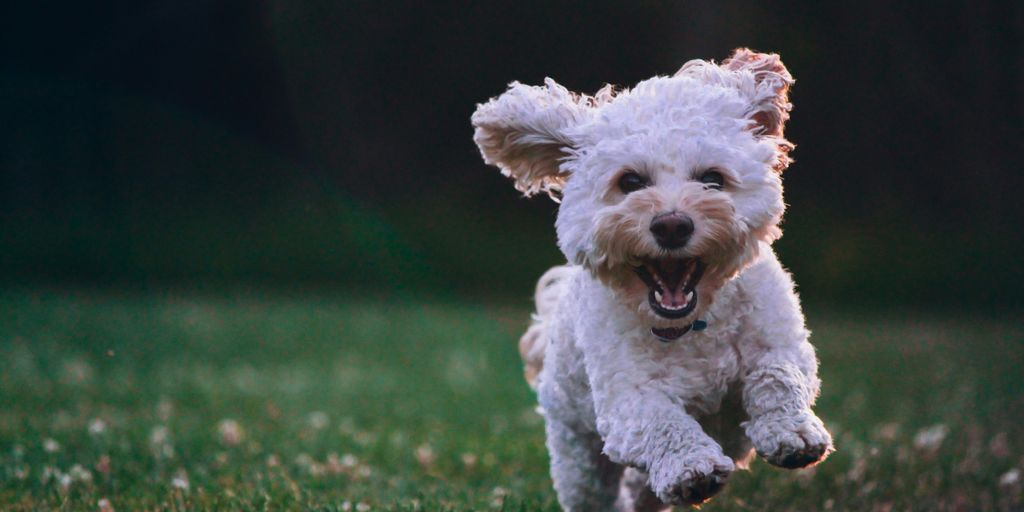
Training a blind dog might seem daunting, but with a few adjustments, it’s totally achievable. The key is to adapt your approach and focus on the senses your dog relies on most. It’s all about building trust and clear communication. Let’s look at some ways to make training a success.
Keeping Verbal Cues Simple
Use single-word cues like "sit," "stay," or "walk." Avoid long sentences or complicated phrases. The simpler, the better! Dogs who can see often pick up on our body language, but blind dogs rely solely on what they hear. So, keep it short and sweet. This helps them learn the directional cues more effectively.
Maintaining Consistency in Cues
Consistency is everything. Use the same cues, with the same tone, every single time. Dogs who can see often rely on our faces or body language when learning verbal cues. Blind dogs don’t have that advantage, so we need to help them out by keeping our cues simple and precisely the same each and every time.
Think of it like this: you’re building a language together. If you keep changing the words, your dog will get confused. Stick to the script, and they’ll catch on much faster.
Utilizing Unique Sounds for Commands
Consider using a unique sound instead of words. A whistle, a clicker, or even a specific tone of voice can work wonders. The goal is to create a distinct association between the sound and the desired action. This can be especially helpful for blind dogs, as it provides a clear and unambiguous signal. For example, you could use a specific dog training service to help you with this.
Here’s a simple example:
- A short whistle for "come"
- A click for "sit"
- A specific hum for "stay"
By using unique sounds, you’re creating a clear and consistent way to communicate with your blind dog. This can make training easier and more effective, leading to a happier and more confident pup.
Establishing a Secure Environment for Your Blind Pup at Home
It’s super important to make sure your blind dog feels safe and comfy at home. Think of it as setting up their own little world where they know where everything is. It takes some effort, but it’s so worth it to see them happy and confident.
Creating Familiar Spaces
One of the best things you can do is keep things consistent. Blind dogs rely heavily on their memory of where things are, so try not to move furniture around too much. If you do get something new, introduce it slowly and let them sniff it out. You can also use different textures on the floor to help them know which room they’re in. For example, a rug in the living room and tile in the kitchen. This helps them build a mental map of the house.
Implementing Safety Measures
Time to dog-proof! Get down on your hands and knees and see things from their perspective. Are there any sharp corners they could bump into? Any cords they could trip over? Baby gates can be a lifesaver for stairs or areas you don’t want them to go. Also, consider adding padding to sharp edges of furniture. It’s all about minimizing potential hazards. You can also use clicker training for dogs to help them learn where obstacles are.
Encouraging Exploration
Even though they can’t see, blind dogs still need to explore and play. Make sure they have plenty of toys, especially ones that make noise or have a strong scent. You can also create a "scent trail" using dog-friendly essential oils to guide them to different areas of the house. Just be sure to supervise them at first to make sure they don’t get into any trouble. It’s all about building their confidence and letting them know they can still have fun, even without their sight.
Creating a safe and predictable environment is key. This helps your dog build confidence and reduces anxiety. Consistency in routine, furniture placement, and the use of scent cues can make a huge difference in their quality of life.
Creating a safe space for your blind dog at home is really important. You can help them feel comfortable and secure by removing any hazards and keeping their favorite toys in easy-to-reach places. Make sure to use consistent sounds or scents to guide them around the house. For more tips on how to make your home a great place for your blind pup, visit our website today!
Final Thoughts on Training Your Blind Dog
Training a blind dog might seem tough at first, but it’s really about patience and understanding. Just like any dog, they can learn and thrive with the right approach. Remember to keep things simple and consistent. Use their other senses to guide them, and don’t forget to celebrate the small wins along the way. It’s all about building trust and confidence. With time, your blind dog can enjoy life just as much as any other pup. So, embrace the journey, stay positive, and watch your furry friend shine!
Frequently Asked Questions
Can blind dogs still learn commands?
Yes, blind dogs can learn commands just like any other dog. They may use their other senses, like hearing and smell, to understand what you want.
What is the best way to train a blind dog?
The best way to train a blind dog is to use positive reinforcement, touch, and scent cues. Keeping a consistent routine helps too.
How can I make my home safe for a blind dog?
You can make your home safe by removing sharp objects, using baby gates, and marking furniture with scents so your dog can navigate easily.
What commands should I teach my blind dog first?
Start with basic commands like “sit,” “come,” and safety commands like “watch” and “step” to help them navigate their environment.
Can I use clicker training with a blind dog?
Yes, clicker training is effective for blind dogs. The sound of the click helps them understand they did something right.
How can I help my blind dog feel more secure?
Creating a familiar and safe space at home, using scent markers, and maintaining a routine can help your blind dog feel more secure.