
So, you want to train your dog, but you’re not sure where to start? It can feel a little overwhelming, right? The trick is to set goals that actually make sense for your dog. Trying to teach your new puppy to do advanced agility in a week? Probably not going to happen. But teaching them to sit for a treat? Totally doable. This article is all about figuring out what you want to achieve with your dog and how to get there without losing your mind. We’ll talk about making a plan, keeping things fun, and why it’s okay if your training journey looks a little different from the next person’s.
Key Takeaways
- Setting clear, achievable goals makes dog training much more successful and less stressful.
- Tailor your training objectives to your dog’s age, breed, personality, and current abilities.
- Break down big goals into small, manageable steps to build confidence and momentum.
- Consistency, positive reinforcement, and making training fun are vital for progress.
- Tracking progress and being willing to adjust your plan keeps training effective and rewarding.
Setting Achievable Dog Training for Specific Goals
Defining Your Dog’s Training Objectives
When you start training your dog, it’s easy to get overwhelmed with all the possibilities. Do you want your dog to be a perfect walking companion, or maybe just stop jumping on guests? It’s important to figure out what you actually want to achieve. Think about your daily life and what changes would make things better for both you and your dog. Maybe you want to go on hikes without your dog pulling you over, or perhaps you just want a quiet moment when the doorbell rings. Writing these down helps make them real. It’s like making a list for the grocery store; you know what you need to get.
Breaking Down Goals into Manageable Steps
Big goals can seem impossible. If you want your dog to have a perfect recall, that’s a huge thing! Instead of aiming for that right away, break it down. Start with calling your dog from across the room. Then, try it in the backyard. Next, maybe the front yard with a few distractions. Each small success is a step forward. This makes the whole process less scary for both of you. It’s like eating an elephant, one bite at a time, as they say. You can track these small wins, which feels good.
Leveraging Support Networks for Training Success
Training doesn’t have to be a solo mission. There are tons of people out there who want to help. Think about local dog training clubs, online forums, or even just friends who have well-behaved dogs. They can offer advice, share their own struggles, and cheer you on. Sometimes just talking to someone who gets it makes a big difference. You can find great resources and communities online, like those focused on dog training tips. Having people to turn to when you’re stuck or feeling discouraged is a real game-changer.
Understanding Realistic Goals in Dog Training
Setting goals for your dog’s training is super important, but you’ve got to make sure they’re actually doable. It’s like trying to teach a brand new puppy to fetch a frisbee perfectly on day one – probably not going to happen, right? We need to be smart about what we expect.
Tailoring Objectives to Your Dog’s Unique Traits
Every dog is different. Seriously, think about it. Your neighbor’s Golden Retriever might pick up commands super fast, but your scruffy terrier mix might be more interested in chasing squirrels than listening to you. That’s okay! We need to look at our dog’s age, their breed’s natural tendencies, and even their personality. A young puppy has a much shorter attention span than a mature adult dog. A herding breed might have a strong instinct to chase, which could make loose-leash walking a bigger challenge initially. Understanding these individual differences helps us set goals that aren’t just wishful thinking. It’s about working with your dog, not against them. For instance, if your dog is easily distracted by other dogs, a realistic first step might be practicing basic commands at a distance from other dogs, rather than expecting perfect focus in a busy dog park right away. This approach makes training feel less like a battle and more like a team effort. You can find some great tips on understanding your dog’s breed traits at AKC Dog Breeds.
Applying the SMART Criteria for Effective Training
So, how do we make sure our goals are actually achievable? The SMART criteria is a handy way to check. It stands for Specific, Measurable, Achievable, Relevant, and Time-bound. Let’s break it down:
- Specific: What exactly do you want your dog to do? Instead of "be good," try "sit when I say ‘sit’."
- Measurable: How will you know if your dog has done it? Can you see it? Count it? For example, "stay for 10 seconds."
- Achievable: Is this something your dog can realistically learn right now? Consider their age, energy, and current skill level.
- Relevant: Does this goal fit into your overall training plan and lifestyle? Does it help your dog become a better companion?
- Time-bound: When do you want to achieve this by? Setting a deadline, like "within two weeks," can help keep you on track.
Using SMART goals helps us avoid vague targets and gives us a clear path. It’s like having a map for your training journey.
The Impact of Realistic Goals on the Dog-Owner Bond
When we set goals that our dogs can actually meet, and then we celebrate those successes, something really cool happens. Our bond gets stronger. Think about it: every time your dog successfully performs a command you’ve worked on, it’s a little win for both of you. These small victories build confidence in your dog – they learn that they can do what you ask, and that makes them feel good. For you, it’s incredibly rewarding to see your dog learn and respond. It reduces frustration for both of you, making training sessions more enjoyable and less stressful. This positive cycle of effort, success, and shared happiness really cements that special connection between you and your furry friend. It turns training from a chore into a shared adventure, building trust and mutual respect along the way. Setting realistic goals is just a better way to train, plain and simple. It makes the whole experience more pleasant for everyone involved, and that’s what dog training should be about. For more on building a strong relationship with your dog, check out The Spruce Pets.
Setting achievable goals isn’t just about obedience; it’s about building a partnership based on understanding and shared success. It makes the whole process more enjoyable and strengthens the connection you have with your dog.
Examples of Realistic Dog Training for Specific Goals
Mastering Loose-Leash Walking for Enjoyable Outings
This is a big one for many dog owners. Nobody wants to feel like they’re being dragged down the street, right? The goal here is to have your dog walk beside you without pulling on the leash. It takes patience, but it’s totally doable. Start in a quiet area, like your backyard, with your dog on a leash. The moment they pull, just stop walking. Wait until the leash slackens, even a little bit, and then start moving again. Reward them with a treat and praise when they walk nicely beside you. Consistency is key; every walk is a training opportunity. You’ll want to gradually introduce more distractions and different environments as your dog gets better. It’s all about teaching them that walking calmly next to you is the best way to get where you’re going.
Achieving Reliable Recall in Various Environments
Getting your dog to come back when called, no matter what’s going on around them, is a lifesaver. This is especially important if your dog has a high prey drive, as you’ll want to manage that instinct effectively. Start with short distances in a quiet place. Use a happy, encouraging tone and a high-value treat or toy when they come to you. Make it a party! Gradually increase the distance and add distractions, like another person or a toy. If your dog doesn’t come, don’t chase them or scold them; just go get them and try again in an easier situation. The idea is to make coming to you the most rewarding thing they can do. You can find more tips on managing prey drive at working with instincts.
Cultivating Calm Greetings with Visitors
Does your dog go into a frenzy every time the doorbell rings? Teaching them to greet visitors calmly is another fantastic, realistic goal. Instead of letting them rush the door, train them to go to a specific spot, like their bed or mat, when guests arrive. You can practice this by having friends or family members come over. When the doorbell rings, cue your dog to go to their spot. Reward them for staying there calmly while you open the door and let the guest in. If they get up, calmly redirect them back to their spot. It might take a few tries, but soon they’ll learn that staying put is the way to get attention from guests.
Tracking Progress and Adapting Training Goals
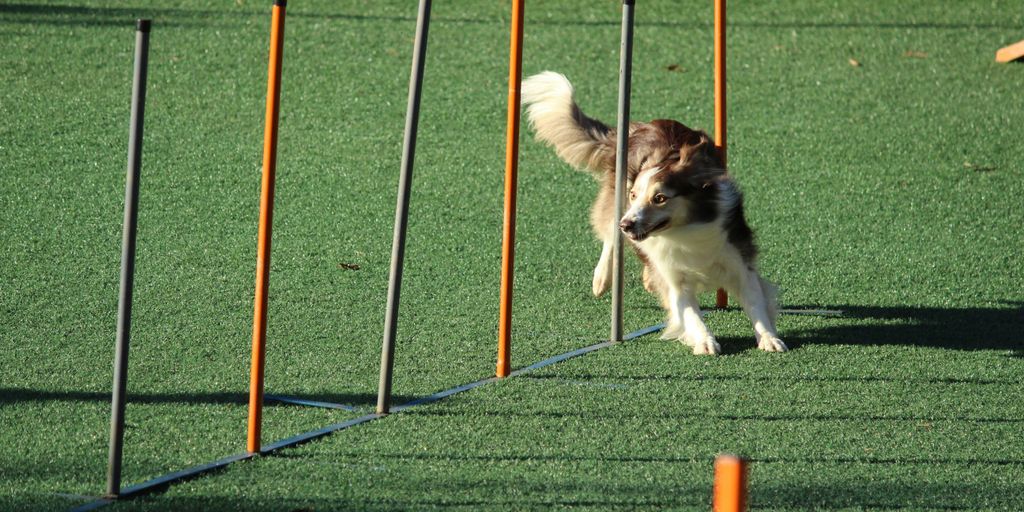
So, you’ve set some training goals for your dog. That’s awesome! But how do you know if you’re actually getting anywhere? That’s where tracking progress comes in. It’s not just about seeing if your dog can do a trick; it’s about understanding their learning process. Think of it like keeping a journal for your dog’s training journey.
Utilizing Training Diaries and Progress Charts
One of the best ways to keep tabs on things is by using a training diary or progress charts. You can jot down what you worked on, how your dog responded, and any little breakthroughs or hiccups. This gives you a clear picture over time. For example, you might notice your dog is great at ‘sit’ in the living room but struggles when you’re outside. This kind of detail is super helpful.
- Record the date and duration of each session.
- Note the specific commands or behaviors practiced.
- Describe your dog’s reaction and any rewards given.
- Add any observations about distractions or environmental factors.
Adjusting Strategies Based on Your Dog’s Performance
Once you’ve been tracking, you’ll start to see patterns. Maybe your dog is a quick learner with treats but gets easily distracted by other dogs. This information is gold! It means you can tweak your approach. If recall is the goal, and your dog is doing well in quiet parks, maybe it’s time to try a slightly busier area, but keep those high-value treats handy. It’s all about being flexible and responsive to what your dog is telling you.
It’s easy to get stuck on the original plan, but dogs aren’t robots. They have good days and bad days, and their learning speed can change. Being willing to adjust your training plan based on their actual performance is key to keeping things positive and productive. Don’t be afraid to go back a step if needed; it’s not a failure, it’s smart training.
Celebrating Milestones to Maintain Motivation
And don’t forget to celebrate the wins! Even small successes, like your dog holding a ‘stay’ for an extra five seconds, are worth acknowledging. This keeps both you and your dog motivated. Maybe a special game of fetch or a favorite chew toy is the reward for hitting a new milestone. It makes the whole process more enjoyable and reinforces that training is a positive experience. It really helps build that bond when you’re both working towards something and succeeding together.
Incorporating Fun and Rewards in Dog Training
Making Training Sessions Engaging and Enjoyable
Training your dog shouldn’t feel like a chore, right? It’s way more effective when it’s fun for both of you. Think about turning commands into little games. Instead of just saying "sit" over and over, try hiding a treat and asking for a "sit" before they can get it. This makes them think and work for it, which is way more interesting than just staring at you. We want our dogs to be excited for training time, not dread it. Making it a positive experience means they’ll be more likely to listen and learn.
The Power of Positive Reinforcement
Positive reinforcement is basically rewarding your dog for doing something right. It’s like getting a gold star for good behavior, but for your dog, it’s usually a tasty treat, some enthusiastic praise, or a quick game of fetch. This method really works because dogs naturally want to repeat behaviors that lead to good things. It builds a strong connection because your dog learns that listening to you makes good stuff happen. It’s all about making them want to do what you ask, rather than feeling forced.
Building Trust Through Rewarding Experiences
Every time you reward your dog for a job well done, you’re building trust. It shows them that you’re a reliable source of good things and that you notice their efforts. This trust is the foundation for everything else in your training. When your dog trusts you, they’re more willing to try new things and take risks, which is exactly what we want when teaching them new skills. Remember that the "on and off" training game is beneficial for a dog’s physical fitness, strengthening their hindquarters and core muscles. Celebrating these small wins, like a successful recall or a calm greeting, really cements that trust and makes your dog feel good about working with you. It’s a win-win situation.
Family Engagement and Consistency in Achieving Training Goals
Getting the whole family on the same page with dog training makes a huge difference. When everyone uses the same commands and rewards, it really helps your dog understand what you want. It’s like speaking the same language, so your pup isn’t getting mixed signals. This consistency is key to building good habits and avoiding confusion. Think about it: if one person says "sit" and another says "down" for the same action, your dog will just get mixed up. Making training a family affair strengthens everyone’s bond with the dog.
It’s also super helpful to have a plan that everyone can follow. This means agreeing on the rules and sticking to them. For example, if you don’t want your dog jumping on the furniture, everyone in the house needs to enforce that rule. It might seem like a lot, but it really pays off in the long run. We found that using a simple chart to track who trained what and when helped keep us all accountable. It’s a good way to see where you’re making progress and where you might need to adjust your approach. Remember, even small wins are worth celebrating!
Unifying Family Efforts for Training Effectiveness
When all family members participate in training, it creates a consistent environment for your dog. This shared responsibility means everyone is reinforcing the same behaviors, which speeds up learning and makes the training more effective. It also helps the dog see all family members as authority figures and partners in learning.
Ensuring Consistent Commands and Rewards
Consistency is the name of the game. Using the same verbal cues and hand signals for commands, and applying rewards consistently, helps your dog learn faster and with less confusion. This predictability builds trust and makes training sessions more productive. It’s important to agree on a reward system, whether it’s treats, praise, or toys, and ensure everyone uses it the same way. This approach is a cornerstone of successful dog training, much like the groundwork exercises that build a strong foundation for managing a dog’s behavior [327b].
Seeking Professional Guidance for Family Training
Sometimes, getting a little help from the pros can make all the difference, especially when you have multiple people involved. A professional trainer can help your family develop a unified training plan and teach you how to communicate commands and rewards consistently. They can offer insights tailored to your specific dog and family dynamics, making the whole process smoother and more successful. If you’re looking for expert advice, consider exploring resources from places that focus on family-friendly training methods.
Benefits of Setting Realistic Dog Training for Specific Goals
Setting achievable goals in dog training is really the key to making the whole process work well for both you and your furry friend. When you aim for things that are actually doable, considering your dog’s age, breed, and personality, you’re setting yourselves up for success. This means fewer frustrations and more moments of pride. It’s like building blocks; each small win makes your dog feel more confident and eager to learn more. This positive cycle really helps build trust and makes training a lot more enjoyable for everyone involved. Plus, when you see your dog succeeding, it just makes that bond between you two even stronger. It’s not just about obedience; it’s about building a better relationship.
Enhancing Your Dog’s Confidence Through Small Wins
When you break down bigger training objectives into smaller, manageable steps, your dog gets to experience success more often. Think about teaching a new trick. Instead of expecting them to nail the whole thing at once, you might start with just one part of the movement. When they get that part right, you reward them. This builds their confidence because they’re not constantly failing. They learn that they can do it, which makes them more willing to try the next step. It’s all about those little victories adding up.
Fostering a Positive Learning Environment
Realistic goals help create a training space where your dog feels safe and encouraged. If the goals are too hard, dogs can get stressed or shut down, which isn’t good for learning. But when the goals are just right – challenging enough to be interesting but not so hard they cause distress – dogs tend to be more engaged and happy to participate. This positive atmosphere makes training feel less like a chore and more like a fun activity you do together. It’s important to keep things light and rewarding, making sure your dog associates training with good things.
Strengthening the Human-Animal Bond Through Success
Every time your dog achieves a goal you’ve set, especially a realistic one, it’s a shared moment of accomplishment. This repetition of success, big or small, really solidifies the trust and connection between you. Your dog learns to rely on you for guidance and positive feedback, and you learn to understand their cues and capabilities better. This mutual understanding and shared positive experiences are what truly build a strong, lasting bond. It’s about working together and celebrating the journey, not just the destination. For more on setting up your dog for success, you can check out dog training advice.
Setting achievable training targets means you’re acknowledging your dog’s individual pace and abilities. This approach minimizes setbacks and maximizes positive reinforcement, making the learning process more effective and enjoyable for both of you. It’s about celebrating progress, no matter how small, to build confidence and strengthen your relationship.
Setting clear and achievable goals for your dog’s training journey makes a big difference. It helps you and your furry friend focus on what’s important, leading to faster progress and a happier partnership. Instead of feeling overwhelmed, you can celebrate small wins along the way. Want to learn more about creating a successful training plan? Visit our website today!
Wrapping Up Your Dog’s Training Journey
So, we’ve talked a lot about setting goals for your dog, and honestly, it’s not as complicated as it might seem. It’s really about figuring out what you want your dog to do and then breaking it down into steps that make sense. Remember, every dog is different, so what works for one might not work for another. That’s totally okay. The main thing is to be patient, celebrate the small wins, and don’t be afraid to adjust your plan if something isn’t working. Training is a journey, and it’s a great way to get closer to your furry friend. Keep at it, and you’ll see how much progress you can both make.
Frequently Asked Questions
How do I start setting goals for my dog’s training?
Think about what you want your dog to do, like walking nicely on a leash or coming when called. Write these down! Breaking big goals into smaller steps, like practicing
Should training goals be the same for all dogs?
Yes, definitely! Every dog is different. Consider your dog’s age, energy level, and personality. A young, energetic puppy will learn differently than an older, calmer dog. Tailoring goals makes them easier to reach.
What’s the best way to make sure my training goals are realistic?
Using the SMART method helps. This means your goals should be Specific (what exactly do you want?), Measurable (how will you know it’s done?), Achievable (is it realistic?), Relevant (does it matter?), and Time-bound (when will you do it?). For example, ‘Teach my dog to sit for a treat within two weeks.’
How can I keep track of my dog’s progress?
Keeping a training diary or chart is super helpful. Write down what you practiced and how your dog did. This helps you see what’s working and what needs more practice. If your dog struggles with something, you can change your plan.
Is it important to make training fun and use rewards?
Absolutely! Making training fun with games and tasty rewards keeps your dog interested and happy to learn. Positive rewards, like praise or a favorite toy, build trust and make training a great bonding experience.
How can my whole family help with training?
Getting everyone in the family involved is key! Make sure everyone uses the same commands and rewards. This consistency helps your dog learn faster and understand what’s expected. If you need help, a professional trainer can guide your whole family.